What Supplements Help Lower A1C? (Evidence-Based Rundown)
What Supplements Help Lower A1C? (Evidence-Based Rundown)
If you’ve just seen an A1C of 6.0% on your lab report, the internet will throw a hundred “miracle” pills at you within minutes. Most of them are noise. A handful actually have real human research behind them.
I’m Sarah Mitchell, and I write this blog after reversing my own prediabetes from an A1C of 6.1% to 5.4% with diet and daily walking, no medication. That is why I hold supplements to a high bar: only the ones with evidence, and only alongside food and movement changes.
Best Overall
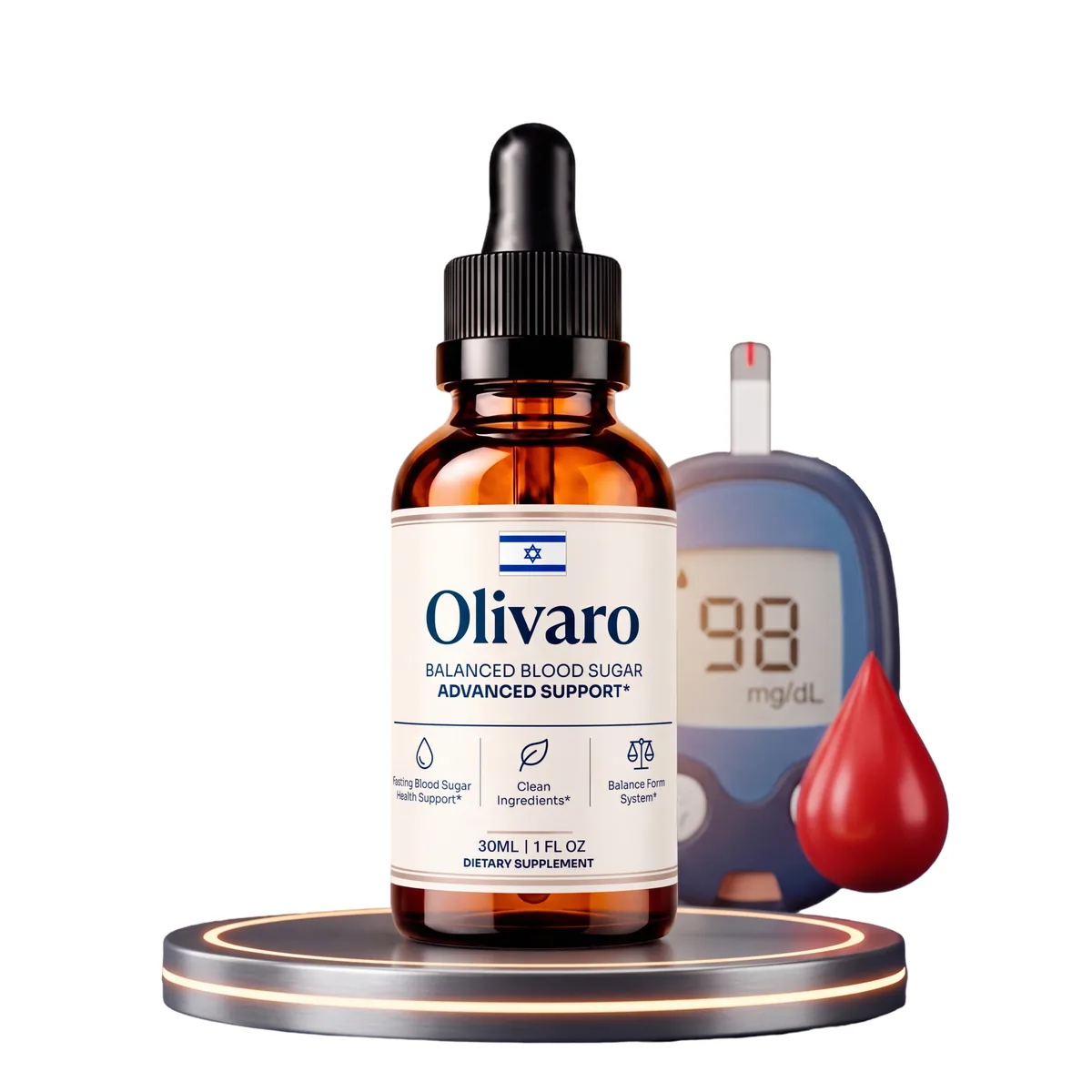
Olivaro
Liquid blood sugar support, 1 or 2 droppers a day
- Public label: chromium plus 22 plant ingredients, no sugar listed
- 60-day guarantee on every seller page; refund terms vary, see our review
- Free US shipping on the 3 and 6 bottle kits
Read our Olivaro reviewCheck price on the official site
Score from a review of the label, prices and refund terms. Nobody on our team took it. The second button opens the maker's official site.
This article cuts through the hype. We’ll rank the six most-studied options by evidence grade and realistic expected impact, so you know where to spend your money and your hope.
Quick Answer
The supplements with the strongest human evidence for lowering A1C are berberine (the most potent, often compared to early oral medication), magnesium (especially if you’re deficient), and vitamin D (best for restoring low levels). Alpha-lipoic acid, chromium, and cinnamon show smaller, more variable benefits. No supplement matches diet and exercise, and you should always confirm choices with your doctor before starting.
How to Read an “Evidence Grade” for Supplements
Not all studies are equal. A single 12-person trial funded by a supplement brand is not the same as a meta-analysis pooling thousands of people across many countries.
Throughout this rundown I use a simple grade so you can compare honestly:
- Strong: multiple randomized controlled trials (RCTs) plus meta-analyses showing a consistent effect.
- Moderate: several RCTs, but with mixed results or effects mostly in deficient people.
- Modest/Mixed: small or inconsistent trials; real but limited or unreliable benefit.
One more frame before we dive in: A1C reflects your average blood sugar over roughly three months. So any supplement needs at least 8 to 12 weeks to show up on a lab test. Anyone promising a “fast A1C drop in two weeks” is selling, not informing.
For the foundation behind these numbers, see our prediabetes A1C range explained guide and the complete guide to prediabetes.
The 6 Supplements, Ranked by Evidence
Here’s the at-a-glance comparison. Details, dosing notes, and caveats follow below.
| Supplement | Evidence Grade | Realistic Expected Impact on A1C | Best For |
|---|---|---|---|
| Berberine | Strong | Largest of the group; comparable to some oral agents in trials | People wanting the most potent natural option |
| Magnesium | Moderate to Strong | Meaningful if deficient; modest otherwise | Low-magnesium diets, insulin resistance |
| Vitamin D | Moderate | Helps most when restoring a deficiency | Low vitamin D status, limited sun |
| Alpha-Lipoic Acid | Moderate | Modest glucose effect; known for nerve support | Insulin resistance, neuropathy concerns |
| Chromium | Modest/Mixed | Small, inconsistent | Possible chromium-poor diets |
| Cinnamon | Modest/Mixed | Small reduction in fasting glucose | Easy, low-cost add-on |
1. Berberine: The Heavyweight
Evidence grade: Strong. If one supplement has earned the “natural metformin” nickname, it’s berberine, a compound extracted from plants like goldenseal and barberry.
A 2021 systematic review and meta-analysis of randomized controlled trials found berberine meaningfully lowered fasting plasma glucose and HbA1c, with a glucose-lowering effect comparable to some standard oral agents and a low risk of hypoglycemia. Because berberine tends to act in a glucose-dependent way, it’s less likely to drive blood sugar dangerously low on its own.
The trade-off is the gut. Berberine commonly causes cramping, loose stools, or constipation, especially at higher doses. Splitting the dose across meals helps. It also interacts with many medications because it affects liver enzymes, so the doctor conversation here is non-negotiable.
For the full breakdown, see our deep dives on berberine and glycemic markers and berberine vs metformin for prediabetes.
2. Magnesium: The Quiet Essential
Evidence grade: Moderate to Strong. Magnesium is involved in how your body uses insulin, and low magnesium status is consistently linked to insulin resistance and higher type 2 diabetes risk.
Observational data and several trials suggest that correcting a magnesium shortfall can improve insulin sensitivity and fasting glucose. The catch: if your levels are already normal, the added benefit is smaller.
The good news is that magnesium is cheap, widely available, and broadly safe at sensible doses. Forms like magnesium glycinate or citrate tend to be gentler on digestion than oxide. Many American adults fall short on magnesium-rich foods (leafy greens, nuts, legumes), so this one is often a smart foundational pick.
Read more in our guide on magnesium and insulin resistance in prediabetes.
3. Vitamin D: Fix the Deficiency First
Evidence grade: Moderate. Vitamin D status and blood sugar are tangled together. A large 2020 cohort of more than 43,000 people found that higher vitamin D status was associated with lower diabetes risk in people with prediabetes.
That said, the strongest signal shows up when you’re restoring a deficiency. Megadosing if your levels are already healthy doesn’t appear to add much, and very high doses carry their own risks.
The practical move is simple: ask your doctor to check your vitamin D level with a blood test, then supplement to target if you’re low. This is one of the few areas where you can actually measure the problem and the fix.
We unpack the research in the vitamin D and prediabetes study.
4. Alpha-Lipoic Acid (ALA): The Antioxidant
Evidence grade: Moderate. Alpha-lipoic acid is an antioxidant studied both for blood sugar and for diabetic nerve symptoms (neuropathy). Trials suggest a modest improvement in insulin sensitivity and fasting glucose for some people.
ALA is best thought of as a supporting player rather than a lead. Its effect on A1C is smaller and less consistent than berberine’s, but it may appeal to people also dealing with early nerve tingling or numbness.
It can interact with thyroid and diabetes medications, so timing and supervision matter. Our detailed page covers alpha-lipoic acid for prediabetes.
5. Chromium: Popular but Underwhelming
Evidence grade: Modest/Mixed. Chromium picolinate shows up in nearly every blood sugar formula, partly because it’s inexpensive. The human evidence, however, is inconsistent.
Some trials show small improvements in fasting glucose or insulin sensitivity; others show essentially nothing. Benefits, where they appear, tend to be largest in people who were genuinely low in chromium to begin with, which is hard to know without testing.
It’s generally safe at typical doses, but don’t expect it to move your A1C on its own. See chromium picolinate for prediabetes for the nuance.
6. Cinnamon: The Pantry Helper
Evidence grade: Modest/Mixed. Cinnamon is the friendliest entry on this list because you probably already have it. A 2019 meta-analysis of 16 trials in roughly 1,098 people found cinnamon modestly reduced fasting glucose and markers of insulin resistance.
“Modest” is the key word. Cinnamon won’t reverse prediabetes by itself, and the heavily concentrated cassia variety can contain coumarin, which in large amounts may stress the liver. Ceylon cinnamon is the lower-coumarin choice if you’re using it daily.
As a sprinkle on oatmeal or yogurt, it’s a pleasant, low-risk habit. Just don’t treat it as medicine. More in our review of cinnamon and blood sugar evidence.
Supplements Are the Smallest Lever
Here’s the honest part. Even the best supplement on this list is a smaller lever than the basics: what you eat, whether you move after meals, your sleep, and your stress.
Think of it like building a house. Diet and movement are the foundation and walls. Sleep and stress management are the roof. Supplements are the insulation: useful, real, and worth having, but useless without a structure around them.
Encouraging 2026 research reinforced that prediabetes can often be reversed even without significant weight loss. A post-hoc analysis of the PLIS lifestyle trial published in Nature Medicine found nearly 1 in 4 people reached prediabetes remission without significant weight loss, driven by reduced visceral fat and improved insulin sensitivity; we unpack that finding in you don’t need to lose weight to reverse prediabetes. That’s empowering, and it puts supplements in their proper place: helpers, not heroes.
In my own reversal from 6.1% to 5.4%, a real plate of food and a daily walk did the work, without medication. If you only change one thing this week, make it a 10-minute walk after meals, not a new pill.
Pair any supplement with the fundamentals in our prediabetes diet guide and the structured 7-day meal plan.
How to Choose and Stack Safely
If you and your doctor decide to try supplements, a few rules keep you safe and your money well spent:
- Start with one. Adding three at once means you’ll never know what worked or what caused a side effect.
- Measure before and after. Get a baseline A1C, give it 8 to 12 weeks, then retest.
- Mind the interactions. Berberine, ALA, and others interact with common medications. Bring the bottle to your appointment.
- Choose third-party tested brands. Look for USP, NSF, or ConsumerLab verification to confirm what’s on the label is in the bottle.
- Don’t stop your meds. Supplements do not replace prescribed treatment. See our note on whether supplements can replace prediabetes medication.
Many people prefer a single well-formulated blend over juggling separate bottles. If that’s you, our editors compare the top options for 2026 in the best blood sugar supplements roundup, and the curated shortlist in best supplements for prediabetes to lower A1C.
For the authoritative medical backdrop, the NIDDK and the CDC’s diabetes prevention resources are excellent starting points, and the American Diabetes Association publishes regularly updated standards of care.
What About Ready-Made Blends? Our Best Overall Pick
Once people see this list, the next question is usually whether an all-in-one formula that bundles several of these ingredients makes more sense than juggling separate bottles. Blends can be convenient, but the same rules from the checklist above apply: check the actual ingredients and doses against the research, and treat the product as support, not a cure.
If you want one, our best overall pick is Olivaro, a liquid with chromium picolinate and a 200 mg blend of 22 plant ingredients. We scored it 4.3/5 from a document review of its label, prices and refund terms; nobody on our team took it, and the score is not a clinical result. Run it through the same checklist as everything above: chromium is the only printed dose (0.7 mcg, well below study doses), and the blend amounts are not shown. The other supplements on this page are ranked by evidence, not scored. Our Olivaro review covers the full label and the refund fine print.
| 2 bottles | 3 bottles | 6 bottles |
|---|---|---|
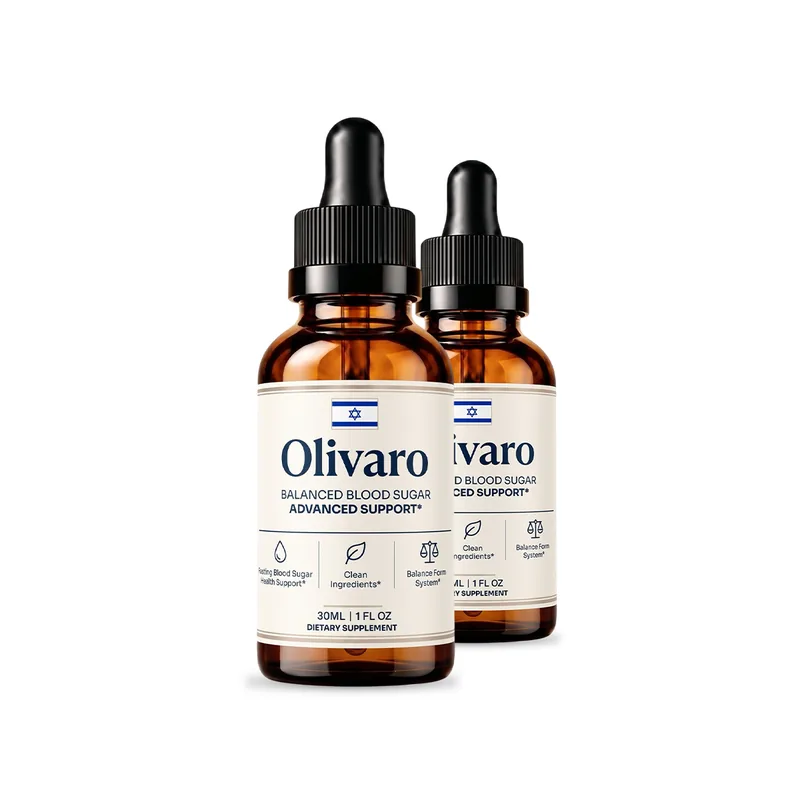 $79 per bottle $79 per bottle$158 total plus $9.99 shipping |
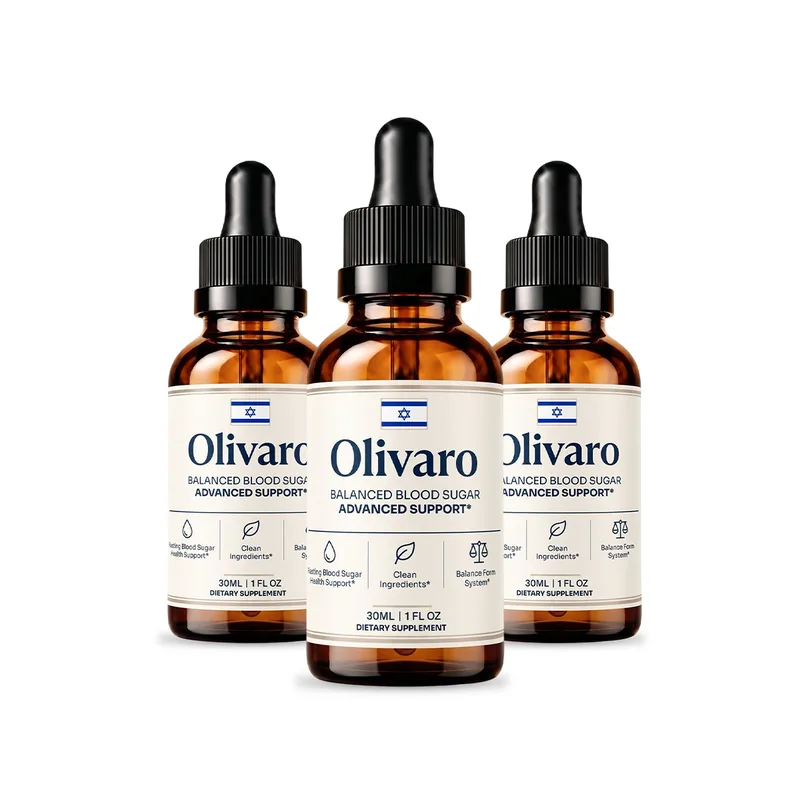 $69 per bottle $69 per bottle$207 total free US shipping |
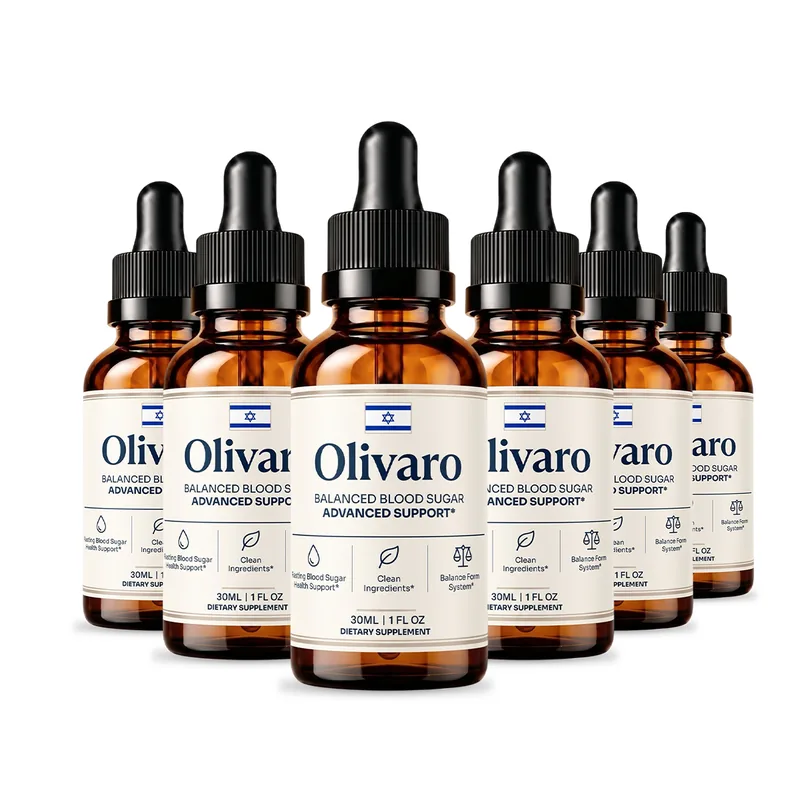 $49 per bottle $49 per bottle$294 total free US shipping |
Prices from the seller's order page, read on October 9, 2026. They can change, so check the current price before you order.
Compare the 3 kits on the official site
Just remember why you’re here: you want your A1C back under 5.7%. A blend can be part of that plan, but only alongside the food, movement, and sleep work that does the heavy lifting.
Where This Fits in the Bigger Picture
Prediabetes is staggeringly common: the CDC estimates roughly 98 million U.S. adults, about 1 in 3, have it, and more than 8 in 10 don’t know. The flip side is that it’s also one of the most reversible conditions in modern medicine.
Supplements can nudge the numbers, especially berberine, magnesium, and vitamin D when there’s a real deficiency. But they work best as a layer on top of food, movement, and sleep, not as a substitute for any of them.
If you’re newly diagnosed, start with our just-diagnosed 30-day plan and bring the right questions to your next appointment using our 6 questions to ask your doctor.
Key Takeaways
- Berberine has the strongest evidence and the largest effect, but the most gut side effects and drug interactions.
- Magnesium and vitamin D shine mainly when you’re correcting a deficiency, so test first.
- ALA, chromium, and cinnamon offer smaller, more variable benefits.
- A1C reflects ~3 months of blood sugar, so give any supplement 8 to 12 weeks before judging it.
- No supplement beats diet, post-meal walks, and sleep, and none replaces prescribed medication.
- Always confirm choices with your doctor and pick third-party-tested brands.
Our best overall pick
Ready to compare the kits?
Read the full label, the medicine cautions and every version of the refund policy in our review, or go straight to the 3 kits on the seller's order page.
Check the current price on the official site
Frequently Asked Questions
What supplement lowers A1C the most?
Among well-studied options, berberine has the largest and most consistent effect on A1C and fasting glucose in human trials, with several meta-analyses comparing it favorably to some oral agents. It also has more side effects and drug interactions, so it should be started under a doctor’s guidance.
How long does a supplement take to lower A1C?
Because A1C reflects your average blood sugar over roughly three months, expect to wait at least 8 to 12 weeks before a retest shows a meaningful change. Any product promising a dramatic A1C drop in a week or two is not being honest.
Can I take berberine, magnesium, and vitamin D together?
Many people do combine them, and they don’t obviously conflict, but you should still introduce one at a time so you can track effects and side effects. Always review the full list with your doctor or pharmacist, especially because berberine interacts with several common medications.
Are blood sugar supplements safe?
The supplements covered here are generally well-tolerated at sensible doses, but “natural” is not the same as “risk-free.” Berberine can cause digestive upset, high-dose vitamin D carries risks, and some ingredients interact with medications, so medical supervision and third-party-tested brands matter.
Can supplements reverse prediabetes on their own?
No. Supplements can support healthier blood sugar, but reversing prediabetes reliably comes from diet, regular movement, sleep, and stress management. Encouragingly, research shows prediabetes can often be reversed even without major weight loss. See our guide on whether prediabetes can be reversed naturally.
Can I take supplements instead of metformin?
Not without your doctor’s guidance. Some supplements like berberine show promising glucose effects, but they aren’t approved substitutes for prescribed medication, and stopping a prescribed drug on your own can be dangerous. Discuss any changes with your healthcare provider.
Do I need to lose weight for supplements to work?
Not necessarily. A 2026 study found nearly 1 in 4 people reached prediabetes remission without significant weight loss, driven by reduced visceral fat and better insulin sensitivity. Supplements and habits that improve insulin sensitivity can help regardless of the scale.
Are blood sugar supplement blends worth it?
They can be convenient, but quality varies widely. Check that the active ingredients are dosed in line with the research rather than sprinkled in for the label. Our 2026 best blood sugar supplements guide compares the leading options.
Should I tell my doctor before starting a supplement?
Yes, always. Supplements can interact with medications and affect lab results, and your doctor can help you set a baseline A1C and a realistic retest timeline. This is especially important if you already take any diabetes, thyroid, or blood-thinning medication.