
Alpha-Lipoic Acid for Prediabetes: Does It Actually Help?
Alpha-Lipoic Acid for Prediabetes: Does It Actually Help?
If you have prediabetes, you have probably seen alpha-lipoic acid (ALA) pop up on supplement lists, in YouTube videos, and on the labels of “blood sugar support” formulas. It sounds impressive: a natural antioxidant that helps your cells use insulin better. But does the research actually back that up for someone in the prediabetes range?
I am Sarah Mitchell, and I built this blog after reversing my own prediabetes (my A1C went from 6.1% down to 5.4%). I researched ALA carefully when I was building my own plan, and I want to give you the honest version, not the hype.
Quick Answer: Alpha-lipoic acid has the strongest evidence for relieving symptoms of diabetic nerve pain (neuropathy), where 600 mg/day has been studied in large trials. For insulin sensitivity in prediabetes, the evidence is promising but modest and inconsistent. ALA is not a cure or a substitute for diet, movement, and medical care, but it may be a reasonable add-on for the right person after talking with a doctor.
What Is Alpha-Lipoic Acid?
Alpha-lipoic acid (also called thioctic acid) is a compound your body makes naturally in small amounts. It lives in the mitochondria, the “power plants” inside your cells, where it helps turn food into energy.
What makes ALA unusual is that it is both water-soluble and fat-soluble. Most antioxidants work in only one of those environments. ALA can work in both, which means it can reach more parts of the cell. That dual nature is a big reason researchers got interested in it.
You also get tiny amounts from food. Spinach, broccoli, organ meats (like liver), tomatoes, and Brussels sprouts contain ALA. But the amounts in food are far below what is used in research, which is why studies rely on supplements.
Why Researchers Studied It for Blood Sugar
Insulin resistance, the core problem in prediabetes, is linked to oxidative stress and inflammation inside cells. Because ALA is an antioxidant that operates right where your cells burn fuel, scientists hypothesized it might help cells respond to insulin more efficiently. That theory is sound. The question is whether it holds up in real human trials.
Does Alpha-Lipoic Acid Improve Insulin Sensitivity?
This is the claim most people care about. Here is the honest picture.
Several studies suggest ALA can modestly improve markers of insulin sensitivity and lower fasting glucose, particularly in people with type 2 diabetes. A 2022 dose-response meta-analysis of randomized trials, published in Endocrine Connections, found that oral ALA supplementation was associated with reductions in fasting glucose, insulin, and insulin resistance markers in people with type 2 diabetes.
However, “modest” is the key word. The effects tend to be smaller than what you get from consistent diet changes or regular post-meal walking. And most of the strongest data come from people who already have diabetes, not prediabetes specifically. Studies focused purely on the prediabetes range are limited.
So where does that leave you? ALA is not going to single-handedly drop your A1C. But for some people, it may add a small, supportive nudge on top of the foundations that actually move the needle. If your goal is to lower your A1C naturally, think of ALA as a possible supporting actor, never the lead.
How ALA Compares to Other Blood Sugar Supplements
It helps to see where ALA sits among the popular options. Each works differently and has a different evidence base.
| Supplement | Main proposed benefit | Strength of evidence |
|---|---|---|
| Alpha-lipoic acid | Antioxidant; nerve symptoms; mild insulin support | Strong for neuropathy, modest for glucose |
| Berberine | Lowers fasting glucose | Strong; comparable to some oral agents |
| Cinnamon | Mild fasting glucose reduction | Modest |
| Magnesium | Supports insulin signaling | Moderate, best if deficient |
| Chromium | Insulin cofactor | Mixed |
If you want the full breakdown of which supplements have real evidence behind them, see our guide to the best supplements for prediabetes.
Where ALA Shines: Diabetic Neuropathy
Here is where the science gets genuinely strong, and it is important even if you “only” have prediabetes.
Nerve damage (neuropathy) can begin before you ever cross into full diabetes. Some people with prediabetes already experience tingling, burning, or numbness in their feet and hands. This is where ALA has its best track record.
Large, well-known clinical trials, including the ALADIN and SYDNEY studies, tested intravenous ALA at 600 mg/day and found significant, clinically meaningful reductions in neuropathic symptoms like pain, burning, and numbness. In the ALADIN trial, the total symptom score dropped by about 63% in the 600 mg group versus roughly 38% with placebo.
Oral ALA, the kind you buy as a capsule, has weaker but still encouraging evidence for nerve symptoms. Meta-analyses suggest oral doses at or above 600 mg/day can improve symptoms, though the IV results are more dramatic.
Bottom line on neuropathy: If you have early nerve symptoms with prediabetes, ALA is one of the few supplements with serious clinical research behind it. This is a conversation worth having with your doctor.
Alpha-Lipoic Acid Dosing for Prediabetes
There is no official ALA dose for prediabetes, because it is not an approved treatment for it. What we have is the range used in research.
- Typical oral research dose: 300 to 600 mg per day, often taken on an empty stomach for better absorption.
- Neuropathy studies: 600 mg/day orally; IV studies also used 600 mg.
- Higher doses (1,200 to 1,800 mg): Did not clearly work better and caused more side effects, mainly nausea.
Many people take ALA 20 to 30 minutes before a meal because food can reduce how much you absorb. There are two forms on the label: R-ALA (the form your body makes naturally, often marketed as better absorbed) and the cheaper S-ALA, usually sold as a 50/50 R/S mixture. The research that produced the strong neuropathy results mostly used the racemic (mixed) form, so do not assume you must pay extra for R-only.
Is Alpha-Lipoic Acid Safe?
For most healthy adults, ALA is well tolerated at the doses studied. That said, “natural” does not mean “no risk,” and there are real things to watch.
Common Side Effects
- Nausea, stomach upset, or heartburn (more likely at higher doses)
- Skin rash or itching in some people
- A faint sulfur smell to urine (harmless)
Important Cautions
- Low blood sugar: Because ALA can lower glucose, combining it with diabetes medication, especially if you progress beyond prediabetes, could push blood sugar too low. Monitor closely.
- Thyroid medication: ALA may interact with thyroid drugs and B vitamin absorption.
- Pregnancy and breastfeeding: Not enough safety data; avoid unless your doctor approves.
- Thiamine (B1) status: ALA can deplete thiamine in people who are already low, such as heavy drinkers.
This is exactly the kind of thing worth bringing up at your next appointment. If you are not sure what to ask, our list of 6 questions to ask your doctor about prediabetes is a good place to start.
Who Should (and Shouldn’t) Consider ALA
ALA is not for everyone with prediabetes. Here is a practical way to think about it.
It may be worth discussing if you:
- Have early nerve symptoms (tingling, burning, numbness in feet or hands)
- Have insulin resistance and want a low-risk add-on after nailing the basics
- Tolerate supplements well and have no conflicting medications
It is probably not your priority if you:
- Have not yet built consistent habits around food and movement
- Are looking for one pill to “fix” prediabetes (that does not exist)
- Are pregnant, breastfeeding, or on medications that could interact
I want to be clear about something I learned firsthand: supplements were the smallest part of my own turnaround. What actually moved my A1C from 6.1% to 5.4% was changing what I ate, walking after meals, and improving my sleep. ALA, if you use it, sits on top of that foundation, not in place of it.
How ALA Fits Into a Real Prediabetes Plan
If you are just getting started, do not lead with supplements. Lead with the things that have the biggest payoff, then layer in extras like ALA if they make sense for you.
- Food first. Build meals around protein, fiber, and non-starchy vegetables. Our prediabetes diet guide walks through exactly what to eat.
- Move after meals. Even a 10-minute walk blunts blood sugar spikes. See walking after meals.
- Protect your sleep and stress. Both quietly raise blood sugar. More in stress, sleep, and prediabetes.
- Then consider supplements. Once the basics are steady, talk to your doctor about whether ALA or other options fit.
If you want a curated look at the top blood-sugar formulas people are using this year, our best blood sugar supplements of 2026 roundup compares the most popular options side by side.
Key Takeaways
- Alpha-lipoic acid (ALA) is a natural antioxidant studied for blood sugar and nerve health.
- Its strongest evidence is for diabetic neuropathy, with 600 mg/day used in major trials like ALADIN and SYDNEY.
- For insulin sensitivity, ALA shows modest, inconsistent benefits, mostly in people with type 2 diabetes.
- Typical research dose is 300 to 600 mg/day; higher doses add side effects, not benefits.
- ALA can interact with diabetes meds, thyroid drugs, and thiamine; check with your doctor.
- It is a possible add-on, never a replacement for diet, movement, and medical care.
Related review
Looking at a ready-made blend?
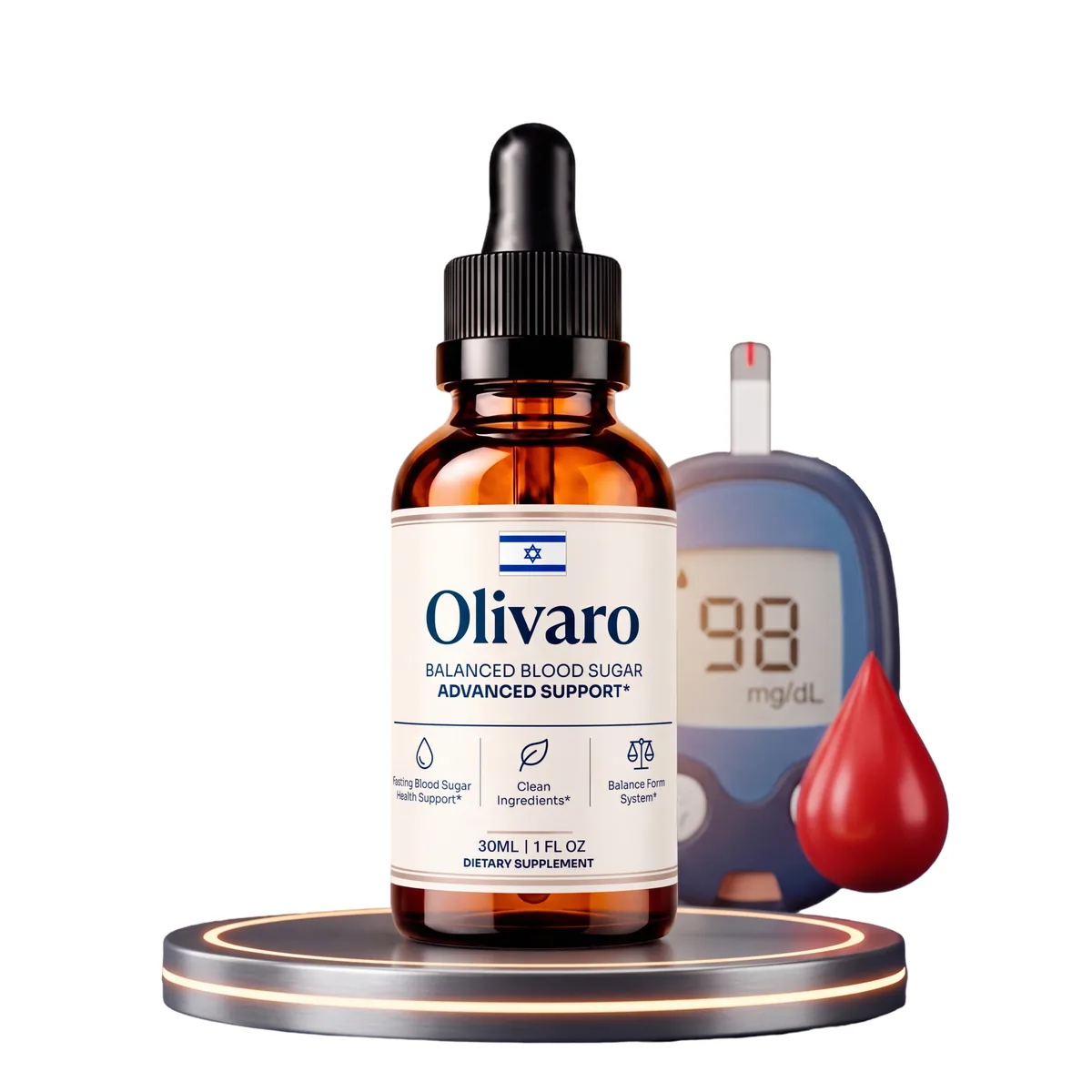
Olivaro is a liquid with chromium picolinate and a 200 mg blend of 22 plant ingredients. Our review reads its full label, the real kit prices and every version of its refund policy.
Frequently Asked Questions
Can alpha-lipoic acid reverse prediabetes on its own?
No. There is no supplement that reverses prediabetes by itself. ALA may offer modest support for insulin sensitivity, but the proven path to reversal is diet, regular movement, better sleep, and weight management. ALA can be a small add-on, not a cure.
How much alpha-lipoic acid should I take for prediabetes?
Most research used 300 to 600 mg per day, often on an empty stomach. There is no official prediabetes dose, and doses above 600 mg generally cause more side effects without more benefit. Confirm a dose with your doctor, especially if you take other medications.
How long does it take alpha-lipoic acid to work?
For nerve symptoms, trials have shown improvements within a few weeks. For glucose markers, any effect is gradual and modest, and it works best alongside diet and exercise rather than as a standalone fix. Give any supplement at least 8 to 12 weeks while tracking your numbers.
Is R-ALA better than regular alpha-lipoic acid?
R-ALA is the natural form and is often marketed as better absorbed. However, most of the strong clinical research used the standard racemic (mixed R/S) form. You do not necessarily need to pay more for R-only versions to see the studied benefits.
Can I take alpha-lipoic acid with metformin or other diabetes medication?
Possibly, but only with medical supervision. Because ALA can lower blood sugar, combining it with glucose-lowering medication raises the risk of hypoglycemia. Talk to your doctor and monitor your blood sugar before combining them.
Does food contain alpha-lipoic acid?
Yes, in small amounts. Spinach, broccoli, tomatoes, Brussels sprouts, and organ meats contain ALA, but far below research doses. You cannot reach studied levels through diet alone, which is why studies use supplements.
The Honest Takeaway
Alpha-lipoic acid is one of the more legitimately researched supplements in the prediabetes world, and that is refreshing in a space full of empty promises. Its standout role is calming diabetic nerve symptoms, where the trial evidence is real. For insulin sensitivity, it is a modest helper, not a hero.
If you are early in your journey, put your energy into food, movement, and sleep first. Those are what reversed my prediabetes, and they are what the research keeps pointing back to. For more on the big picture, start with our complete guide to prediabetes. Then, if ALA still appeals to you, bring it to your doctor as an informed question rather than a guess.
For trustworthy background, the NIDDK overview of prediabetes and insulin resistance, the CDC’s prediabetes information, and the peer-reviewed studies indexed on PubMed are excellent, non-commercial places to keep learning. The Mayo Clinic’s prediabetes page is also a clear, patient-friendly resource.