The Best Way to Lower A1C Naturally (Backed by Evidence)
The Best Way to Lower A1C Naturally (Backed by Evidence)
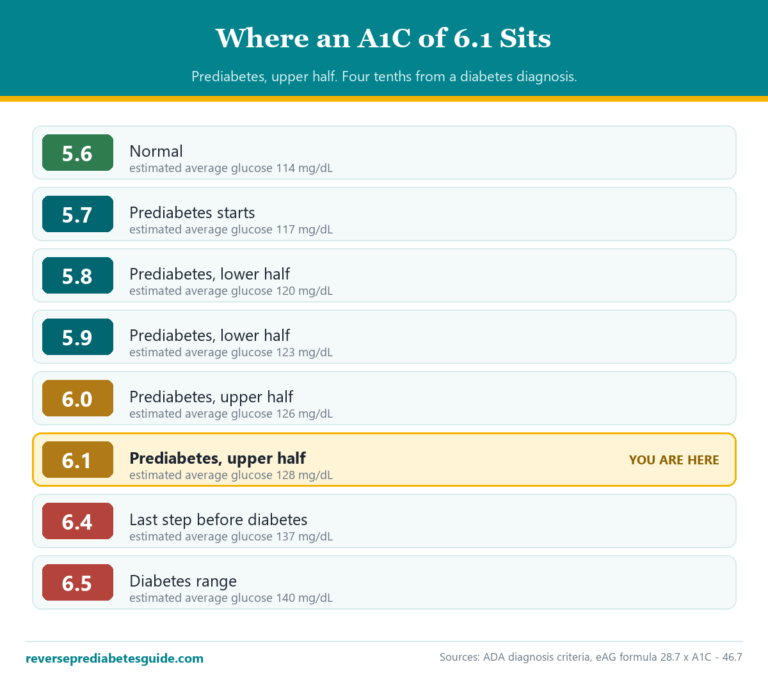
When my own A1C came back at 6.1%, my first question was simple and a little desperate: what actually works? Not the 40-item lists, not the miracle cures, just the few things that move the number. I’m Sarah Mitchell, and over several months I brought my A1C from 6.1% down to 5.4% without medication. This is the honest, ranked version of what I learned.
The truth is that a small number of natural levers do most of the work. The rest is noise. Below, I’ve ranked them by the strength of the evidence and the realistic A1C impact you can expect from each.

How A1C Works (and Why It Moves Slowly)
A1C measures the percentage of your hemoglobin coated in sugar, averaged over the prior two to three months. That’s why it doesn’t bounce around like a finger-stick reading. It reflects your typical blood sugar, day in and day out.
Because red blood cells live about three months, A1C is a trailing indicator. A change you make today shows up in your number roughly 8 to 12 weeks later. This is the single most important thing to understand: lowering A1C naturally is a season, not a sprint.
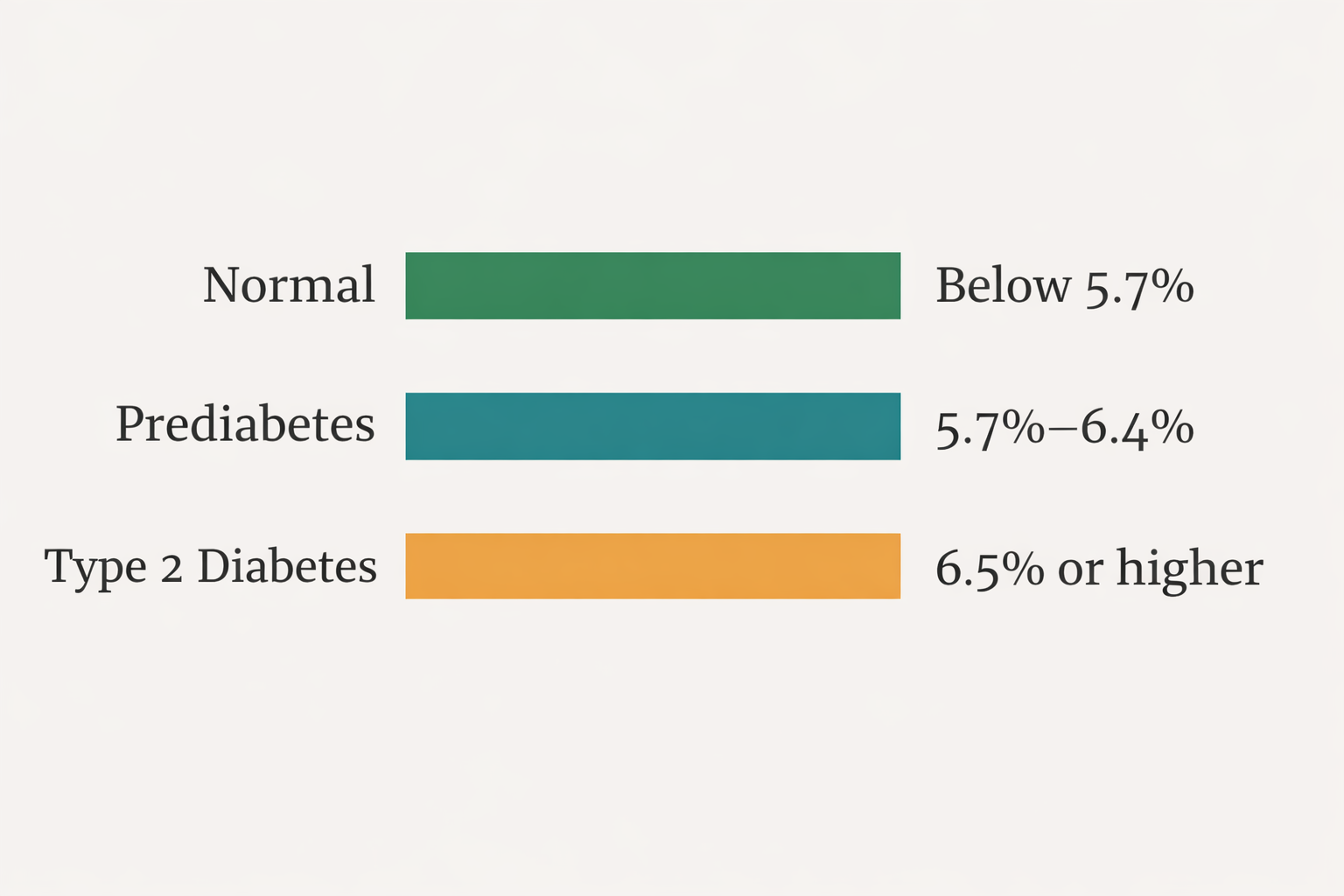
The prediabetes range is an A1C of 5.7% to 6.4%. Normal is below 5.7%, and diabetes is 6.5% or higher, according to the Centers for Disease Control and Prevention. About 98 million U.S. adults, more than 1 in 3, have prediabetes, and over 80% don’t know it. For the full picture, see our A1C levels explained guide and the complete guide to prediabetes.
The Natural A1C Levers, Ranked by Evidence
Here’s the whole strategy in one view, ranked from highest to lowest realistic impact. Use it as a checklist, not a to-do list to perfect overnight.
| Rank | Lever | Realistic A1C Impact | Time to See It |
|---|---|---|---|
| 1 | More fiber (30 to 38 g/day) | −0.3% to −0.6% | 2 to 3 months |
| 2 | Post-meal walks | −0.2% to −0.5% | 4 to 12 weeks |
| 3 | Strength training (2 to 3x/wk) | −0.3% to −0.6% | 2 to 4 months |
| 4 | Modest weight loss (5 to 7%) | −0.3% to −0.8% | 3 to 6 months |
| 5 | Better sleep (7 to 8 hrs) | −0.1% to −0.4% | 1 to 3 months |
| 6 | Targeted supplements | −0.2% to −0.5% | 8 to 12 weeks |
Notice the ranges overlap and don’t simply add up. Your body isn’t a spreadsheet. But stacking three or four of these consistently is exactly how I closed a 0.7-point gap.
1. Eat More Fiber (The Highest-Leverage Food Change)
If I could only change one thing, it would be fiber. Most American adults eat 15 to 18 grams a day; the evidence-based target for blood sugar is closer to 30 to 38 grams.
A large systematic review found that raising total fiber intake toward 35 grams per day lowered fasting glucose and improved A1C. Soluble fiber specifically, at roughly 10 to 13 grams a day, has been linked to A1C reductions of around 0.5 to 0.6 percentage points. You can explore the underlying research at PubMed.
Soluble fiber forms a gel in your gut that physically slows how fast carbohydrates hit your bloodstream. That blunts the post-meal spike, which is a big driver of A1C.
Where to Get It
- Beans and lentils, 6 to 8 g per half cup, the single best source.
- Oats and barley, rich in beta-glucan, a soluble fiber.
- Chia and ground flaxseed, 5 to 10 g per couple tablespoons.
- Avocado, berries, and non-starchy vegetables, fiber plus low glycemic load.
Ramp up slowly and drink more water to avoid bloating. For meals built around this principle, see our prediabetes diet guide and the done-for-you 7-day meal plan.
2. Walk After Your Meals
This is the highest return-on-effort habit on the list. A 10 to 15 minute walk after eating sends your muscles looking for glucose, pulling sugar out of your bloodstream right when it’s peaking.
Studies show even short post-meal walks meaningfully flatten the glucose curve, and over time that translates into a lower A1C. The timing matters more than the intensity: a gentle stroll within 30 minutes of finishing your plate beats a hard workout hours later for this specific purpose.
I started with one walk after dinner. It was the easiest habit to keep because it doubled as winding down for the evening. Our deep dive on walking after meals and blood sugar covers the exact protocol.
3. Build Muscle With Strength Training
Muscle is your largest glucose sink. The more lean muscle you carry, the more storage space your body has for blood sugar, and the more insulin-sensitive you become.
Two to three resistance sessions a week (bodyweight, bands, or weights) can improve insulin resistance and lower A1C by roughly 0.3 to 0.6 percentage points over a couple of months. You don’t need a gym; squats, push-ups, and a set of resistance bands at home are plenty to start.
Importantly, this works independent of weight loss. You can get leaner and stronger without the scale moving much, and your A1C still improves. That’s the science behind why you don’t necessarily need to lose weight to reverse prediabetes.
4. Lose 5 to 7% of Body Weight (If You Carry Extra)
For people who are overweight, a modest weight loss of 5 to 7% is one of the most reliably effective levers. The landmark Diabetes Prevention Program showed this level of weight loss cut progression to type 2 diabetes by 58%. The National Institute of Diabetes and Digestive and Kidney Diseases still considers it a gold-standard target.
For a 180-pound person, that’s just 9 to 13 pounds. Losing fat, especially around the abdomen, reduces the inflammatory signals that drive insulin resistance.
That said, 2026 research highlighted by ScienceDaily confirms prediabetes can be reversed without significant weight loss for many people, which is why I rank fiber, walks, and strength above the scale. If weight is part of your picture, these strategies pair naturally with the 30-day plan for the newly diagnosed and our overview of whether prediabetes can be reversed naturally.
5. Protect Your Sleep
Sleep is the quiet variable almost everyone overlooks. A single night of short sleep can spike next-day glucose and cortisol, and chronic sleep debt steadily worsens insulin resistance.
Aiming for 7 to 8 hours, with consistent bed and wake times, can shave 0.1 to 0.4 points off your A1C, and it makes every other habit easier to keep. Tired people crave refined carbs and skip walks.
Stress works the same way: chronically elevated cortisol raises blood sugar. The two are deeply linked, which is why we treat them together in stress, sleep, and prediabetes.
6. Add Targeted, Evidence-Backed Supplements
Supplements are last on this list on purpose. They’re the finishing touch, not the foundation. But a few have real research behind them and can add a modest extra reduction once your diet and movement are dialed in.
| Supplement | What the Evidence Shows | Notes |
|---|---|---|
| Berberine | A 2021 meta-analysis found it lowers fasting glucose comparably to some oral agents, with low hypoglycemia risk. | Often called “nature’s metformin.” Details here. |
| Magnesium | Linked to improved insulin sensitivity, especially in people who are deficient. | A common deficiency in prediabetics. |
| Cinnamon | A 2019 meta-analysis (16 trials, 1,098 people) found modest reductions in fasting glucose and insulin resistance. | Use Ceylon cinnamon. |
| Vitamin D | A 2020 cohort of 43,559 people tied higher vitamin D status to lower diabetes risk. | Worth testing your level. |
| Alpha-lipoic acid | An antioxidant studied for insulin sensitivity and nerve health. | See our review. |
To go deeper on dosing and quality, see our guide to the best supplements for prediabetes and the breakdown on magnesium and insulin resistance. Always run new supplements past your doctor, especially if you take medication.
If you’d rather not assemble a cabinet of individual bottles, some people prefer a single formula that combines several of these ingredients. Our editor-reviewed roundup of the best blood sugar supplements for 2026 compares the leading options side by side.
Related review
Thinking about adding a supplement?
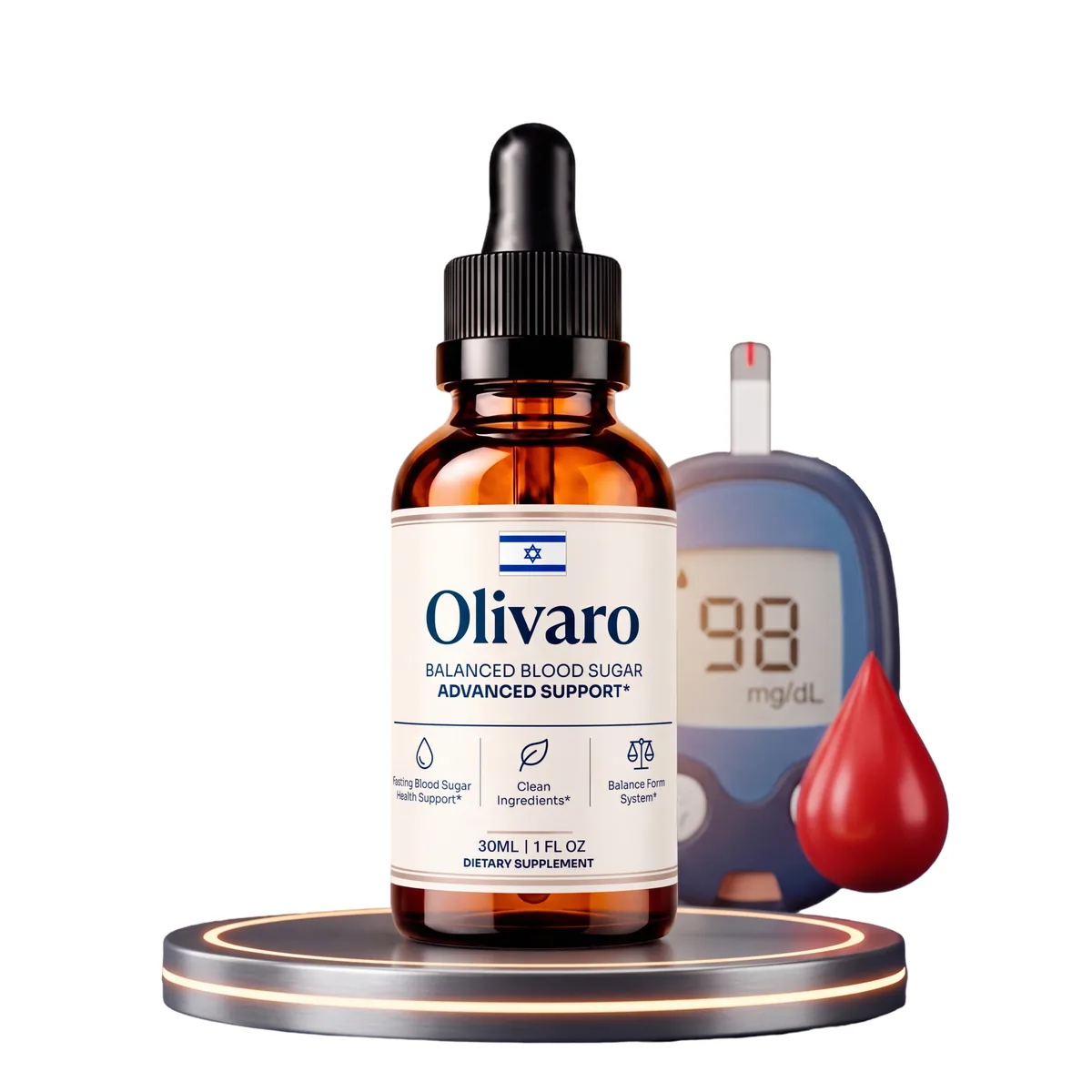
Habits come first. If you want to look at an extra, our Olivaro review reads the full label, the kit prices and the fine print of its 60-day guarantee, so you know what you would be buying.
How to Stack These Without Burning Out
You don’t start all six at once. That’s the fastest way to quit by week two. Here’s the sequence I’d recommend, and the one closest to what I actually did.
- Weeks 1 to 2: Add one post-meal walk (after dinner). Nothing else.
- Weeks 3 to 4: Build every plate around fiber and protein. Add beans, oats, or chia daily.
- Weeks 5 to 6: Add two short strength sessions a week.
- Weeks 7 to 8: Fix your sleep window. Same bedtime, 7 to 8 hours.
- Weeks 9+: Layer in one or two researched supplements, with your doctor’s okay.
Then retest your A1C at the three-month mark. Habits stack; willpower doesn’t. The compounding is where the magic is, and where my 6.1% became 5.4%.
What Doesn’t Move the Needle (Skip These)
Just as useful as knowing what works is knowing what to ignore:
- “Detox” teas and cleanses, no effect on A1C.
- Cutting out fruit entirely, whole fruit’s fiber buffers its sugar; berries are great.
- Extreme zero-carb diets, rarely sustainable, and not required.
- Cinnamon megadoses, modest benefit at normal amounts; more isn’t better.
For more myth-busting straight from clinicians, read what doctors wish patients knew about prediabetes and the questions to bring to your appointment in 6 questions to ask your doctor. The American Diabetes Association also offers a helpful primer at diabetes.org.
- A1C reflects 2 to 3 months of blood sugar, so natural changes take 8 to 12 weeks to show.
- Fiber (30 to 38 g/day) and post-meal walks are the two highest-leverage habits.
- Strength training and 5 to 7% weight loss each can lower A1C by up to 0.6 to 0.8 points.
- Sleep and stress quietly affect insulin resistance, so protect 7 to 8 hours.
- Supplements like berberine and magnesium add a modest boost, but come last.
- Stack habits one at a time; the compounding is what reverses prediabetes.
Frequently Asked Questions
What is the fastest way to lower A1C naturally?
There’s no overnight fix because A1C averages two to three months of blood sugar. The fastest real levers are daily fiber and post-meal walks, which start flattening glucose spikes within weeks. Expect to see a meaningful A1C change at your next test in 8 to 12 weeks.
How much can I realistically lower my A1C without medication?
Most people who consistently stack diet, movement, sleep, and modest weight loss can lower their A1C by roughly 0.5 to 1.5 percentage points over three to six months. I personally went from 6.1% to 5.4%. Your starting point and consistency matter most.
Does drinking water lower A1C?
Water won’t directly lower A1C, but staying well hydrated supports healthy blood sugar regulation and helps your kidneys clear excess glucose. Swapping sugary drinks for water is one of the easiest high-value changes you can make.
Can supplements alone reverse prediabetes?
No. Supplements like berberine, magnesium, and cinnamon have real but modest effects and work best alongside a fiber-rich diet and regular movement. Think of them as a finishing touch, not a foundation, and always clear them with your doctor.
How often should I check my A1C while working on it?
Because A1C moves slowly, retesting every three months is the standard. Checking sooner won’t reflect your recent efforts and can be discouraging. A home glucose meter can give you faster feedback on individual meals in the meantime.
Is post-meal walking really better than morning exercise for A1C?
For blunting blood sugar specifically, yes. Exercising while glucose is rising (right after meals) pulls more sugar into your muscles than the same activity hours later. Morning workouts are still great for overall health; the two simply serve different goals.
Lowering your A1C naturally isn’t about doing everything. It’s about doing the few proven things, consistently, for a season. Pick one lever from this list and start today. Your three-month number will thank you.
If your number is 6.0 right now, start with what an A1C of 6.0 actually means.