Prediabetes Symptoms Checklist: 12 Warning Signs You Shouldn’t Ignore (2026)

Quick Answer
Prediabetes often has NO symptoms, which is why 96 million Americans have it without knowing. But some people notice these 12 warning signs.
Prediabetes is the stage where your blood sugar is higher than normal, but not yet high enough to be called type 2 diabetes. It is incredibly common, and here is the part that catches most people off guard: you can have it for years and feel completely fine.
That is exactly why a symptoms checklist is so useful. Even though prediabetes is often silent, the body does sometimes leave clues. This guide walks through 12 warning signs worth paying attention to, who is most at risk, and the only real way to know for sure. Use it as a starting point for a conversation with your doctor, not as a diagnosis.
Here is why this matters so much right now. Prediabetes is not a life sentence, and it is not type 2 diabetes. It is best thought of as a warning light on the dashboard, a chance to make changes before the engine breaks down. Research consistently shows that people who act at the prediabetes stage can significantly lower their risk of progressing to full diabetes. The catch is that you cannot act on a warning you never saw. That is what this checklist is for: helping you notice the dashboard light.
Why Prediabetes Is Called the ‘Silent Condition’
The numbers from the Centers for Disease Control and Prevention (CDC) are striking. More than 1 in 3 American adults has prediabetes, and roughly 80% of them do not know they have it. That works out to around 96 million Americans living with prediabetes, the vast majority unaware.
It earns the nickname “silent condition” because the early changes in blood sugar usually do not hurt and do not announce themselves. There is no dramatic symptom forcing you into the doctor’s office. For many people, the first hint comes from a routine blood test, or worse, only after it has already progressed to type 2 diabetes.
The good news inside that sobering statistic: prediabetes is often a turning point. Caught early, many people are able to bring their numbers back toward a healthy range through lifestyle changes. The first step is simply knowing what to look for.
The 12 Warning Signs You Shouldn’t Ignore
No single sign on this list confirms prediabetes, and having one does not mean you have it. But if several of these sound familiar, it is a strong reason to get tested.
1. Increased thirst (polydipsia)
When blood sugar runs high, your kidneys work harder to flush out the excess, pulling fluid from your tissues. That can leave you feeling thirsty more often than usual, even when you are drinking normally. The medical name for this constant thirst is polydipsia, and it is often one of the earliest changes people look back and recognize. If you find your water bottle empties faster than it used to and your mouth still feels dry, it is worth noting.
2. Frequent urination
The flip side of extra thirst. As your body tries to clear excess sugar through urine, you may find yourself heading to the bathroom more often, including waking up once or twice during the night. Many people chalk this up to drinking more coffee or simply getting older, but a steady increase in trips to the bathroom, especially overnight, is worth mentioning to your doctor.
3. Fatigue after meals
If you feel unusually drained or sleepy shortly after eating, especially after carb-heavy meals, it can be a sign your body is struggling to move sugar out of the bloodstream and into your cells for energy.
4. Blurred vision episodes
High blood sugar can pull fluid into the lenses of your eyes, changing their shape and making it harder to focus. These episodes often come and go as blood sugar rises and falls.
5. Slow-healing cuts or bruises
Elevated blood sugar can interfere with circulation and the body’s repair processes, so small cuts, scrapes, or bruises may take longer than expected to heal. A scratch that used to clear up in a few days lingering for a week or two, or bruises that seem to hang around, can be a quiet sign that your circulation and healing are not working as efficiently as they should.
6. Frequent infections
Higher sugar levels can create a friendlier environment for bacteria and yeast. Recurring skin, gum, urinary, or yeast infections can be an early flag.
7. Darkened skin (acanthosis nigricans)
One of the more visible signs, and one many people miss because it looks like a patch of skin that simply will not come clean. Some people develop areas of darker, velvety, slightly thickened skin, most often on the back or sides of the neck, the armpits, or the groin. The medical term is acanthosis nigricans, and it is frequently linked to insulin resistance, a hallmark of prediabetes. If you have noticed darkening you cannot scrub away, point it out to your doctor.
8. Brain fog after eating
Trouble concentrating, feeling mentally cloudy, or a “crash” after meals can reflect blood sugar swings that affect how your brain gets a steady supply of fuel.
9. Intense hunger shortly after meals
When cells are not absorbing sugar efficiently, your body may signal hunger again soon after you have eaten, leaving you reaching for snacks even though you just had a full meal.
10. Tingling or numbness in hands or feet
Persistently elevated blood sugar can begin to affect the nerves over time, sometimes producing a tingling, prickling, “pins and needles,” or numb sensation in the hands and feet. This symptom deserves prompt medical attention, because nerve changes are something you want to catch and address early rather than ignore. If you notice it, do not wait for your next routine checkup, mention it to your doctor sooner.
11. Unexplained weight changes
Some people notice weight changes they cannot explain. When the body cannot use sugar properly for energy, it may turn to other sources, which can show up on the scale in either direction.
12. Sleep problems
The link runs both ways. Poor sleep is associated with blood sugar that is harder to regulate, and unstable blood sugar can disrupt sleep. Trouble falling asleep, staying asleep, or waking unrefreshed can be part of the picture. There is also a connection with sleep apnea, which is more common in people carrying extra weight and is itself tied to a higher risk of blood sugar problems. If your sleep has quietly gotten worse, do not dismiss it as just stress or age.
How Many Signs Should Worry You?
There is no magic number. Remember that prediabetes is often completely silent, so you can have it with zero symptoms on this list. The point of the checklist is not to score yourself and self-diagnose. It is to lower your threshold for getting tested. If even two or three of these feel familiar, or if you have the risk factors below, treat that as your nudge to book a simple blood test rather than waiting and wondering.
Who Is at Risk?
Anyone can develop prediabetes, but some factors raise the odds. You are at higher risk if you:
- Are age 45 or older.
- Are overweight, particularly with extra weight around the waist.
- Have a family history of type 2 diabetes.
- Live a sedentary lifestyle with little physical activity.
- Had gestational diabetes during pregnancy, or have high blood pressure or abnormal cholesterol.
The more of these that apply to you, the more worthwhile it is to get tested, even if you feel perfectly healthy.
The Only Way to Know for Sure
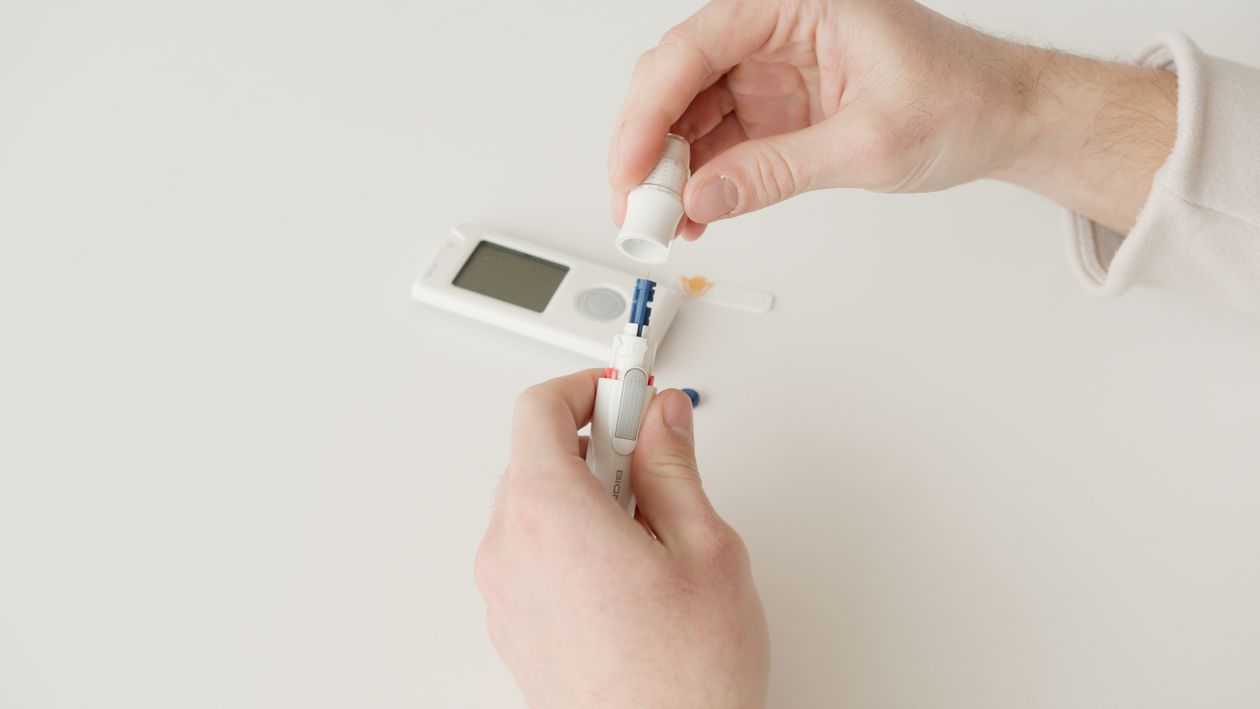
Because the symptoms are unreliable, the only way to truly know is a simple blood test. Two are commonly used:
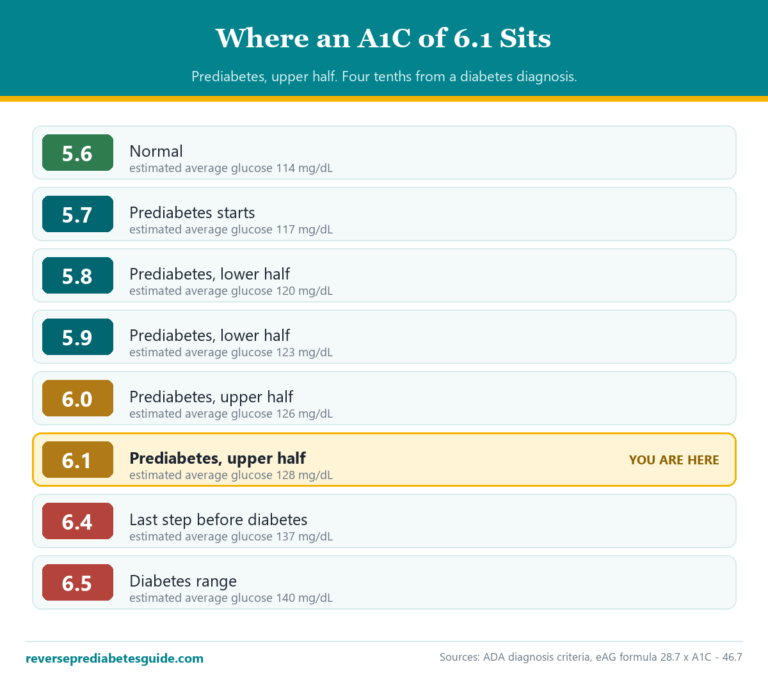
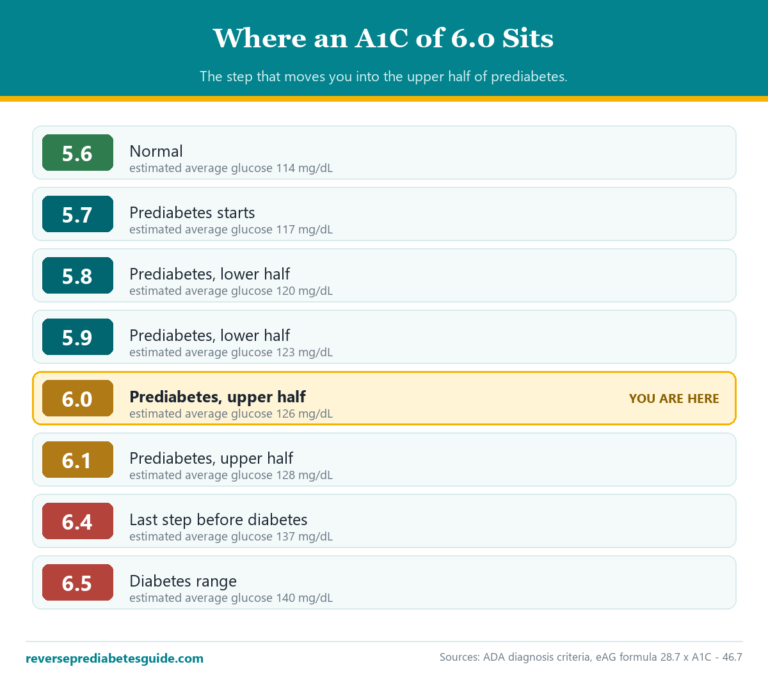
- A1C test: Measures your average blood sugar over the past two to three months. An A1C between 5.7% and 6.4% indicates prediabetes.
- Fasting glucose test: Measures blood sugar after you have not eaten for at least 8 hours. A reading of 100 to 125 mg/dL falls in the prediabetes range.
Both are quick, inexpensive, and widely available. Your doctor can order them at a routine visit. A third option, the oral glucose tolerance test, is sometimes used as well, particularly during pregnancy. It measures how your body handles a sugary drink over two hours.
One reassuring point: you do not need to wait for symptoms to ask for these tests. In fact, because prediabetes is so often silent, the smartest move is to get screened based on your age and risk factors, not based on how you feel. If you are 45 or older, or younger with risk factors, simply ask your doctor at your next visit, “Should I have my blood sugar checked?” It is one of the highest-value questions you can ask about your long-term health.
What to Do If You Have These Symptoms
If several signs on this checklist resonate, here is a simple three-step plan:
- See your doctor. Bring your list of symptoms and your risk factors so you can have a focused conversation.
- Test your A1C (and fasting glucose). Get the actual numbers. You cannot manage what you have not measured.
- Start lifestyle changes. Even before results come back, small steps help: more vegetables and whole grains, less sugar and processed food, regular movement, and better sleep.
You do not have to overhaul your entire life overnight, and trying to do so is usually what causes people to quit. The most successful approach is small and steady. Swap soda for water. Take a 15-minute walk after dinner. Add a vegetable to one more meal a day. Aim for an earlier, more consistent bedtime. These modest changes, done consistently, are exactly the kind of habits shown to help move blood sugar in the right direction. Stacking a few of them is far more powerful than any single dramatic effort.
It also helps to have support. Many areas have a CDC-recognized National Diabetes Prevention Program, a structured year-long lifestyle program designed specifically for people with prediabetes. Ask your doctor whether one is available near you or online. Having a coach and a group makes the changes far easier to stick with.
Natural Support Options
Lifestyle changes are the foundation, and nothing replaces them. Alongside a healthier diet and more activity, many people diagnosed with prediabetes add a blood sugar support supplement to their routine as one more layer of support. If you want to see which ones actually have research behind them, I ranked the best supplements for prediabetes in a separate guide.
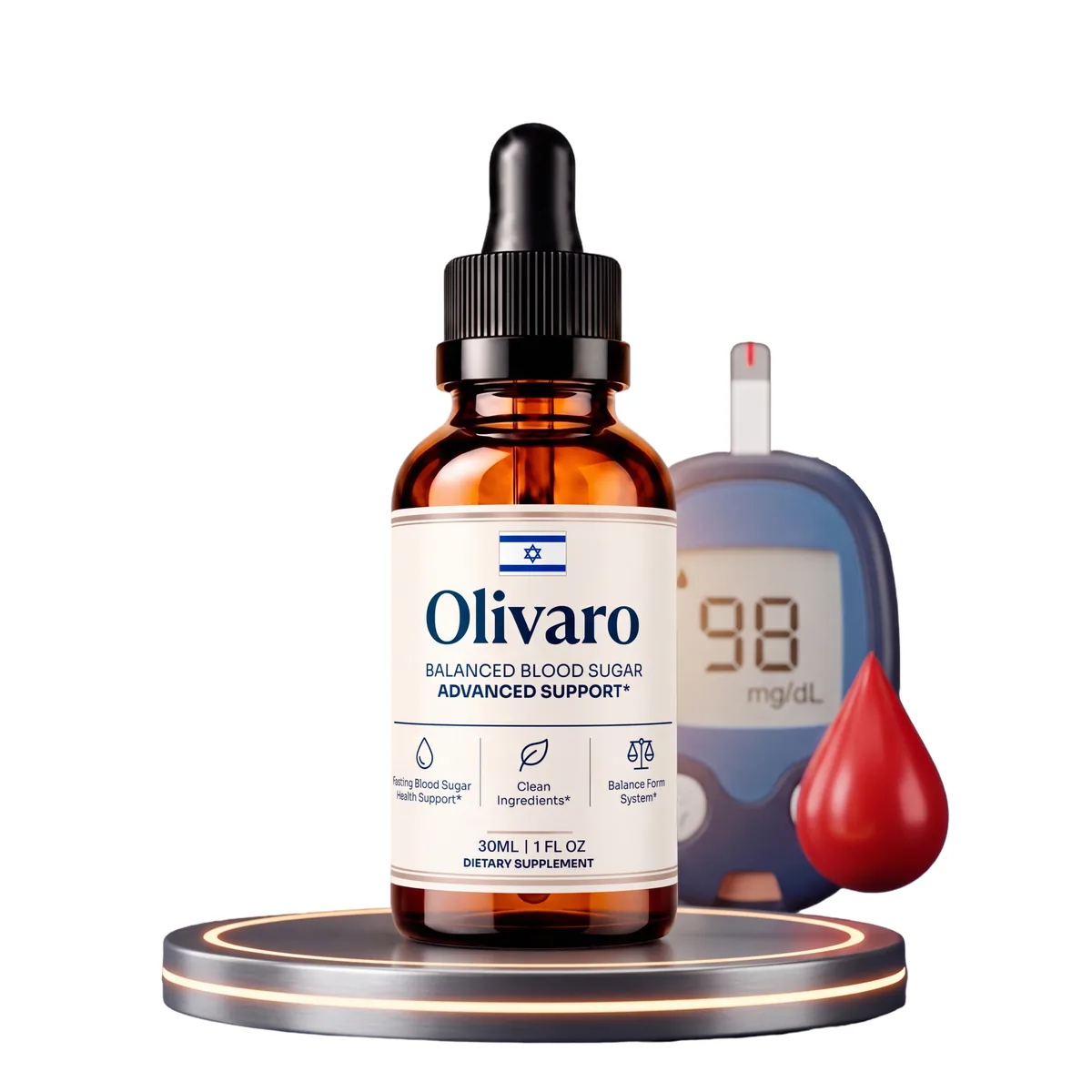
If you choose to explore that route, look for a product with transparent ingredients and a strong guarantee, and always run it by your doctor first, especially if you take medication. And if your doctor has brought up medication, my comparison of berberine vs metformin shows how the most studied natural option stacks up. One option people research is Olivaro, a liquid blood sugar support supplement.
Related review
Asked about supplements after a diagnosis?
Olivaro is a liquid formula sold for blood sugar support. Our review lays out its label, price and refund terms, plus the medicine cautions to raise with your doctor first.
Backed by a 60-day money-back guarantee. A supplement supports a healthy lifestyle, it does not replace one.
Keep reading
Frequently Asked Questions
Can I have prediabetes without any symptoms?
Yes, and most people do. Roughly 80% of those with prediabetes have no idea, because it frequently produces no noticeable symptoms at all. A blood test is the only reliable way to know.
What A1C level is considered prediabetes?
An A1C between 5.7% and 6.4% is in the prediabetes range. Below 5.7% is considered normal, and 6.5% or higher on two tests typically indicates diabetes.
Can prediabetes go away?
For many people, yes, blood sugar can return toward a healthy range. Losing a modest amount of weight, eating better, and becoming more active have all been shown to help reduce the risk of progressing to type 2 diabetes. Work with your doctor on a plan.
How often should I get tested?
If you are 45 or older or have risk factors, ask your doctor about testing at least every one to three years, or more often if you already have prediabetes. Your doctor will tailor this to your situation.
Are these symptoms always caused by prediabetes?
No. Thirst, fatigue, blurred vision, and the others can have many causes. That is precisely why you should not self-diagnose. Use this checklist as a prompt to get properly tested.
Disclaimer: This article is for educational purposes only and is not a substitute for professional medical advice, diagnosis, or treatment. Always consult your physician about any symptoms or health concerns and before making changes to your diet, exercise, or supplement routine. Statistics referenced are from the CDC. Individual results vary.
Affiliate disclosure: This page contains affiliate links. If you purchase through them, we may earn a commission at no extra cost to you.