
Prediabetes Symptoms in Women: 10 Warning Signs
Quick Answer
Prediabetes symptoms in women are often subtle or invisible, which is exactly why they get missed. The signs that do show up include constant fatigue, frequent yeast infections, increased thirst and urination, darkened skin folds, slow-healing cuts, and stubborn weight around the middle. Many of these overlap with menopause and PCOS, so women are frequently told it is “just hormones” when blood sugar is actually creeping up. The only way to know for sure is a blood test (A1C, fasting glucose, or an oral glucose tolerance test).
When my doctor told me my A1C was 6.1, I was genuinely shocked. I felt tired a lot, sure, but I chalked it up to being a busy woman in her late forties. Isn’t everyone tired? That casual dismissal is the trap. Prediabetes symptoms in women are quiet, easy to explain away, and easy to blame on age, stress, or hormones.
Here is the uncomfortable truth. Roughly 1 in 3 American adults has prediabetes, and more than 8 in 10 of them have no idea. Women face an extra layer of difficulty because their warning signs frequently masquerade as something else entirely.
I want to walk you through what to actually watch for, why these signs get overlooked in women specifically, and what you can do once you connect the dots. I reversed my own prediabetes from an A1C of 6.1 down to 5.4, so I promise you the early signs are worth taking seriously.
Key Takeaways
- Most women with prediabetes feel “fine,” which is why screening matters more than waiting for symptoms.
- Fatigue is the single most common reported symptom, and it is the easiest to dismiss.
- Recurring yeast infections, vaginal dryness, and menstrual changes can all signal rising blood sugar.
- Symptoms overlap heavily with menopause and PCOS, so women are often misdiagnosed or reassured too quickly.
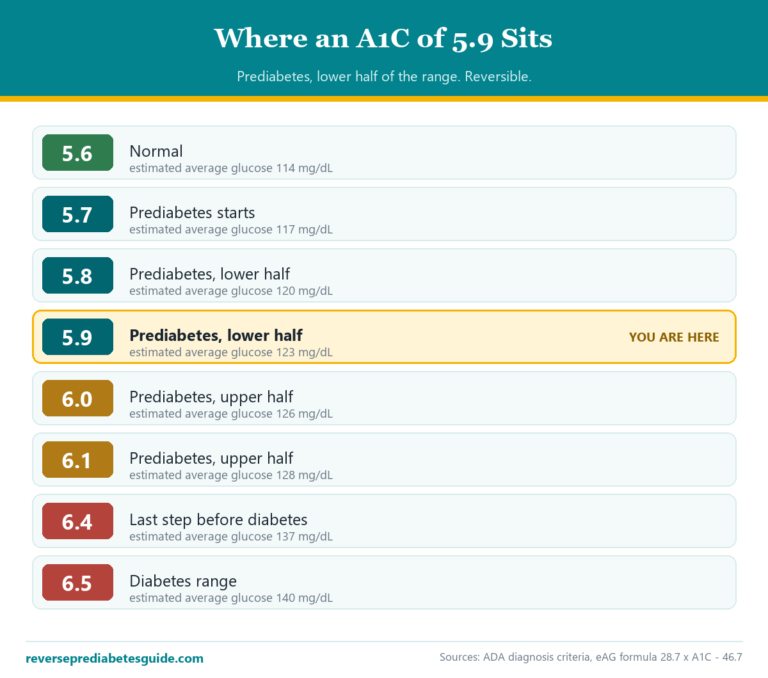
- An A1C between 5.7 and 6.4 percent confirms prediabetes, and it is highly reversible with the right changes.
What You’ll Find in This Guide
- Why Prediabetes Warning Signs Get Missed in Women
- 10 Prediabetes Symptoms Women Should Watch For
- Female-Specific Signs: Yeast Infections, Hormones, and PCOS
- Is It Prediabetes or Menopause?
- Risk Factors Unique to Women
- How Prediabetes Is Diagnosed
- What to Do If You Recognize These Signs
- Frequently Asked Questions

Why Prediabetes Warning Signs Get Missed in Women
Prediabetes is sneaky by design. Blood sugar sits above normal but below the diabetes threshold, and the body has a remarkable ability to keep humming along while quietly losing ground. That means you can have it for years without a single dramatic symptom.
For women, the problem compounds. Many of the early signs, things like fatigue, weight gain around the midsection, mood swings, and changes in libido, get filed under “hormones,” “perimenopause,” or “just getting older.” A woman who mentions these to her doctor may be reassured rather than tested.
According to UCLA Health, the overlap between prediabetes symptoms and normal hormonal shifts is a major reason warning signs go unrecognized in women. The fix is not better intuition. It is a simple blood test.
I think of it this way. Symptoms are an unreliable smoke alarm for prediabetes. By the time they get loud, the situation has usually been building for a while. Knowing the quiet signs gives you a reason to ask for the test sooner.
There is one more layer worth naming. Women are often the family caretakers, the ones managing everyone else’s appointments and meals and stress. In that role, it is easy to keep pushing your own vague symptoms to the bottom of the list. I did exactly that for two years before I finally got tested. If you take one thing from this section, let it be permission to put your own bloodwork on the calendar.
10 Prediabetes Symptoms Women Should Watch For
Not everyone will have all of these, and many women will have none at all. But if several of these ring true for you, especially alongside risk factors, it is worth a conversation with your doctor.
1. Persistent Fatigue
This is the big one. Research summarized by the National Library of Medicine found fatigue to be the most commonly reported symptom in people with prediabetes. When your cells struggle to pull glucose out of the blood for energy, you feel drained even after a full night’s sleep.
2. Increased Thirst and Frequent Urination
As blood sugar rises, your kidneys work overtime to flush the excess, pulling water with it. You drink more, you pee more, and the cycle repeats. Many women blame this on coffee or “just my bladder.”
3. Recurring Yeast Infections
Yeast thrives on sugar. When glucose levels run high, the warm, moist environment becomes a buffet. Frequent vaginal yeast infections or urinary tract infections that keep coming back can be an early flag.
4. Stubborn Weight Around the Middle
Insulin resistance encourages fat storage around the abdomen. If your waistline is expanding despite no real change in how you eat, that visceral fat is both a symptom and a driver of the problem.
5. Darkened Patches of Skin
A condition called acanthosis nigricans causes dark, velvety patches in skin folds, often the neck, armpits, or groin. It is a visible marker of insulin resistance and one of the few prediabetes signs you can actually see.
6. Slow-Healing Cuts and Frequent Infections
Elevated blood sugar impairs circulation and immune response, so small cuts, scrapes, or gum issues take longer to heal than they used to.
7. Blurry Vision
High glucose can pull fluid into the lenses of your eyes, causing temporary blurriness. It often clears once blood sugar stabilizes, which is exactly why people ignore it.
8. Mood Swings and Irritability
Blood sugar swings affect brain function and mood. If you feel unusually irritable, foggy, or anxious between meals, fluctuating glucose may be part of the picture.
9. Tingling in Hands or Feet
Early nerve irritation from elevated blood sugar can cause mild tingling or numbness, usually in the feet. It is subtle at first and easy to ignore.
10. Increased Hunger, Especially for Carbs
When cells can’t access glucose efficiently, your body keeps signaling hunger even after eating. Strong, frequent cravings for sweets and refined carbs can be part of the insulin resistance loop.

Female-Specific Signs: Yeast Infections, Hormones, and PCOS
Some prediabetes symptoms show up in ways that are unique to women, and they deserve their own section because they are so often misread.
Recurring Vaginal and Urinary Infections
I touched on this above, but it bears repeating. If you are getting yeast infections more than three or four times a year, or UTIs that keep returning, ask your doctor to check your blood sugar. High glucose creates the perfect breeding ground.
Vaginal Dryness and Sexual Changes
Persistently high blood sugar can damage small blood vessels and nerves over time. For women, this can show up as vaginal dryness, reduced sensation, or discomfort. It is frequently blamed entirely on menopause.
The PCOS Connection
Polycystic ovary syndrome is deeply linked to insulin resistance. Women with PCOS have a significantly higher risk of prediabetes and type 2 diabetes. A study of women screened for PCOS documented elevated rates of prediabetes and diabetes in this group. If you have PCOS, irregular periods, or a history of gestational diabetes, your risk is meaningfully higher.
Menstrual and Cycle Changes
Insulin resistance can disrupt the hormonal balance that governs your cycle, leading to irregular periods. Many women notice this in their forties and assume it is purely perimenopause.
Is It Prediabetes or Menopause?
This is the question that traps so many women, because the symptom lists genuinely overlap. Here is a side-by-side look to help you see where they diverge.
| Symptom | Common in Menopause | Common in Prediabetes |
|---|---|---|
| Fatigue | Yes | Yes (most common) |
| Weight gain around middle | Yes | Yes |
| Mood swings | Yes | Yes |
| Hot flashes / night sweats | Yes | Less typical |
| Frequent yeast infections | Less typical | Yes |
| Increased thirst / urination | No | Yes |
| Darkened skin patches | No | Yes |
| Slow-healing cuts | No | Yes |
Notice the bottom four rows. Thirst, frequent urination, darkened skin, and slow-healing cuts are not typical menopause symptoms. If you have those, blood sugar should be on the table.
There is also a deeper link. Women who report frequent hot flashes and night sweats carry a higher risk of type 2 diabetes, according to reporting from UnitedHealthcare. So the two conditions are not just easy to confuse. They can travel together. The takeaway is simple: don’t let “it’s probably menopause” be the end of the conversation. Ask for the test.
Risk Factors Unique to Women
Beyond the general risk factors like family history, age over 45, and being overweight, women carry some that are specific to them.
- Gestational diabetes: If you had diabetes during pregnancy, your lifetime risk of prediabetes and type 2 diabetes is substantially higher.
- Giving birth to a large baby: Delivering a baby over 9 pounds is associated with higher risk.
- PCOS: The insulin resistance at the heart of PCOS sets the stage for prediabetes.
- Menopause transition: Falling estrogen affects how your body handles insulin and where it stores fat.
If any of these apply to you, treat your prediabetes screening as routine maintenance, not an emergency reaction to symptoms.
It also helps to understand why estrogen matters so much here. Estrogen supports how your cells respond to insulin, so when levels drop during the menopause transition, insulin resistance can rise even if nothing else in your life has changed. That is why so many women see their numbers tick up in their late forties and fifties for the first time, despite eating and exercising the same way they always have. It is not your imagination, and it is not a personal failing. It is physiology, and physiology responds to the right inputs.
How Prediabetes Is Diagnosed
Because symptoms are unreliable, the diagnosis comes from blood work. There are three standard tests, and your doctor may use any of them.
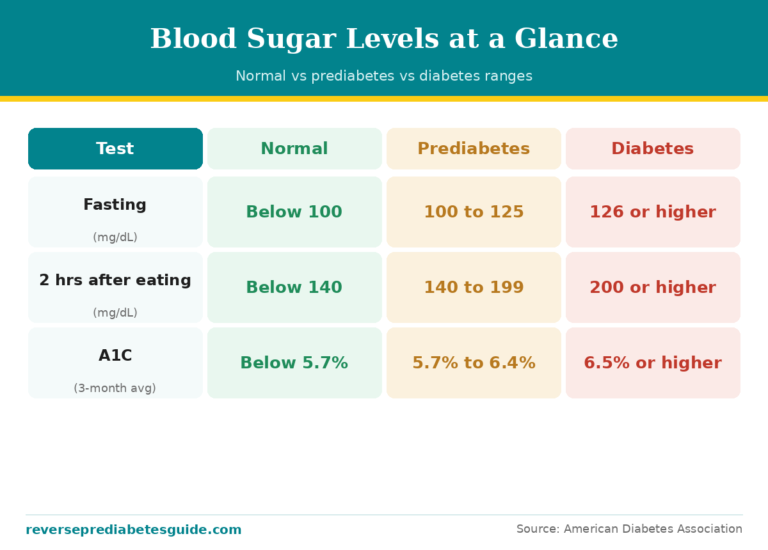
| Test | Normal | Prediabetes | Diabetes |
|---|---|---|---|
| A1C | Below 5.7% | 5.7% to 6.4% | 6.5% or higher |
| Fasting glucose | Below 100 mg/dL | 100 to 125 mg/dL | 126 mg/dL or higher |
| Oral glucose tolerance (2-hr) | Below 140 mg/dL | 140 to 199 mg/dL | 200 mg/dL or higher |
These ranges come straight from the CDC. If you want a deeper breakdown, my guide on the prediabetes A1C range explained walks through what each number really means.
One thing worth knowing for women specifically: certain conditions can affect A1C accuracy, so if your A1C and fasting glucose disagree, ask about an oral glucose tolerance test. It is the most sensitive of the three.
What to Do If You Recognize These Signs
Here is the good news I wish someone had handed me on day one. Prediabetes is not a one-way street. It is the most reversible stage in the entire blood sugar journey, and women respond beautifully to the right changes.
Start with these moves:
- Get tested. Ask specifically for an A1C and fasting glucose. Don’t accept “you’re fine” without numbers.
- Walk after meals. Even 10 to 15 minutes after eating blunts the glucose spike noticeably.
- Build meals around protein and fiber. My 7-day prediabetes meal plan gives you a ready-made template.
- Protect your sleep and manage stress. Both directly raise blood sugar. I covered this in depth in stress, sleep, and prediabetes.
- Consider targeted support. Certain supplements for prediabetes like berberine, chromium, and Gymnema have research behind them.
If you were just diagnosed and feel overwhelmed, my 30-day plan for the newly diagnosed breaks the first month into small, doable steps. And if you are wondering how realistic reversal actually is, this guide on reversing prediabetes naturally and my breakdown of how long it takes will set your expectations honestly.
For a full overview of the condition from the ground up, start with my complete guide to prediabetes. You can also run through the prediabetes symptoms checklist to see how many signs apply to you, and explore the best ways to lower A1C naturally.
I went from 6.1 to 5.4 with food, movement, sleep, and consistency. It was not glamorous and it was not overnight, but it worked. If you are seeing yourself in this article, take it as a gift. Catching this early is the whole ballgame.
Related review
Asked about supplements after a diagnosis?
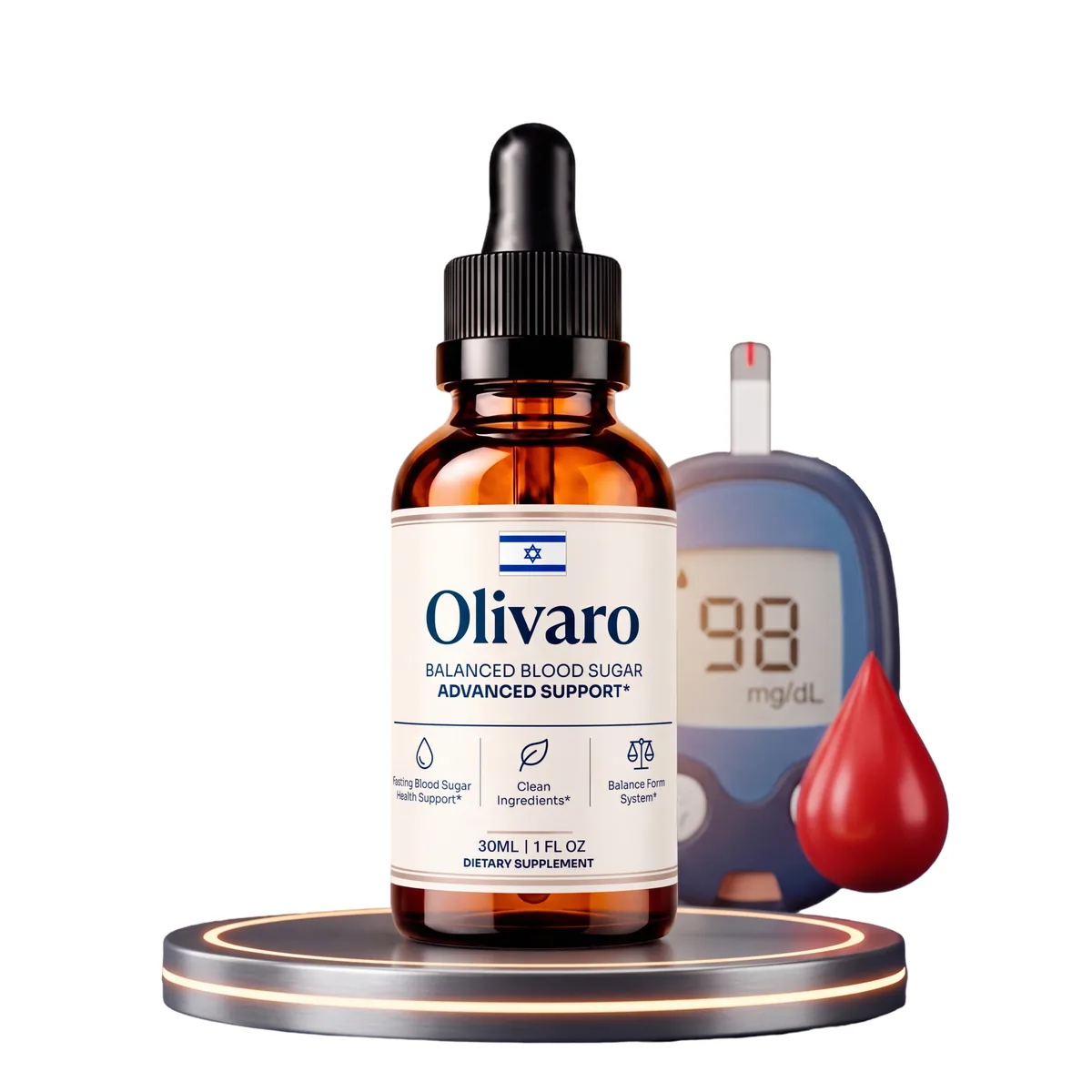
Olivaro is a liquid formula sold for blood sugar support. Our review lays out its label, price and refund terms, plus the medicine cautions to raise with your doctor first.
Frequently Asked Questions
What are the first signs of prediabetes in women?
The earliest signs are usually persistent fatigue, increased thirst and urination, and recurring yeast infections. Many women have no symptoms at all, which is why a blood test matters more than waiting for warning signs.
Can prediabetes symptoms be mistaken for menopause?
Yes, very often. Fatigue, weight gain around the middle, and mood swings overlap with both. The signs that point more toward prediabetes are increased thirst, frequent urination, darkened skin patches, and slow-healing cuts, which are not typical menopause symptoms.
Does prediabetes cause weight gain in women?
Insulin resistance encourages fat storage around the abdomen, so stubborn weight gain around the middle is common. The relationship runs both ways, since excess belly fat also worsens insulin resistance.
Can prediabetes cause frequent yeast infections?
Yes. Elevated blood sugar feeds the yeast and bacteria that cause vaginal and urinary infections. If you get them repeatedly, ask your doctor to check your blood sugar.
How is prediabetes diagnosed in women?
It is diagnosed with a blood test. An A1C of 5.7 to 6.4 percent, a fasting glucose of 100 to 125 mg/dL, or a 2-hour glucose tolerance result of 140 to 199 mg/dL all indicate prediabetes.
Is prediabetes reversible in women?
Yes. Prediabetes is the most reversible stage of blood sugar dysfunction. With improved diet, regular movement, better sleep, stress management, and sometimes targeted supplements, many women return their numbers to the normal range.