Best Supplements for Prediabetes to Lower A1C (2026 Guide)
Best Overall
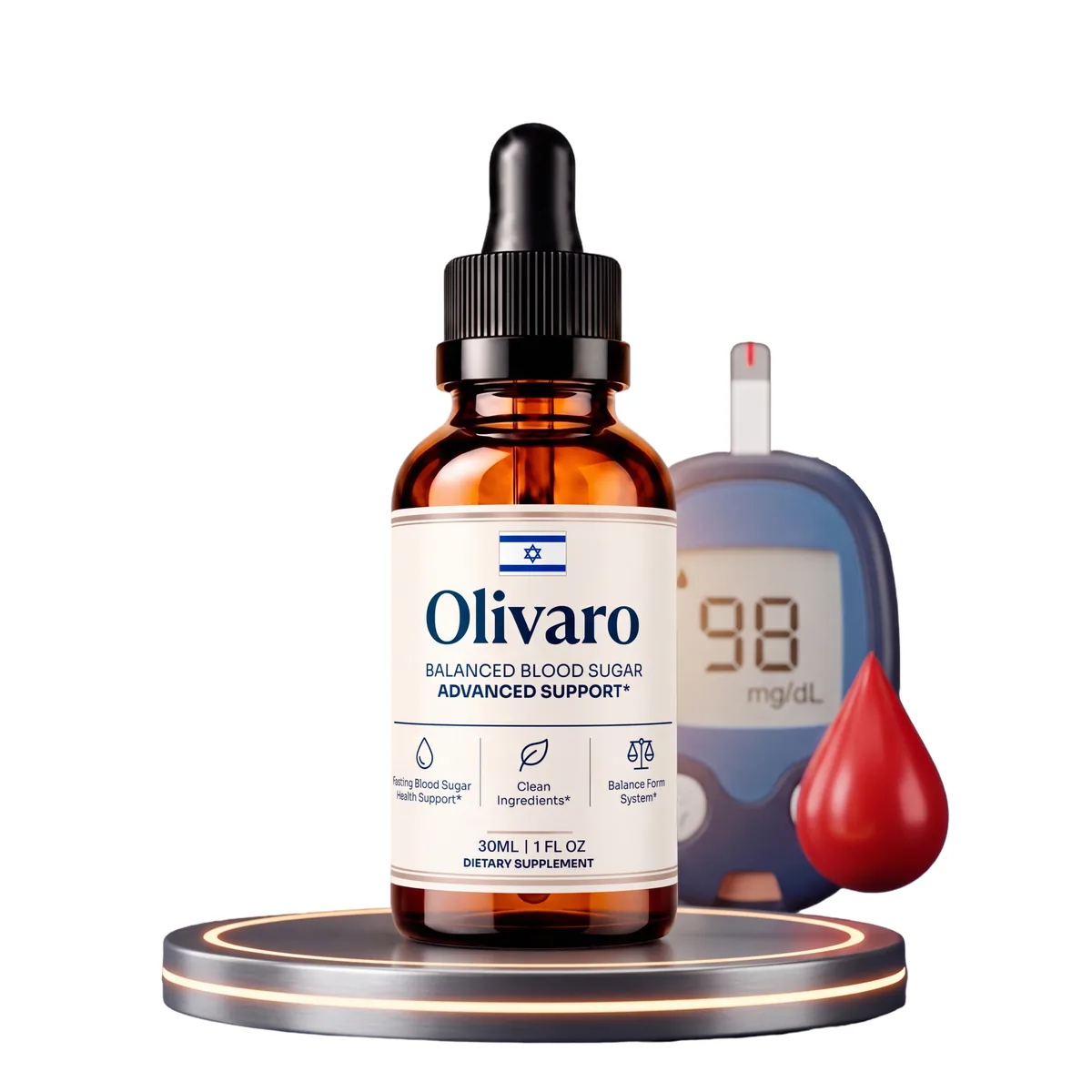
Olivaro
Liquid blood sugar support, 1 or 2 droppers a day
- Public label: chromium plus 22 plant ingredients, no sugar listed
- 60-day guarantee on every seller page; refund terms vary, see our review
- Free US shipping on the 3 and 6 bottle kits
Read our Olivaro reviewCheck price on the official site
Score from a review of the label, prices and refund terms. Nobody on our team took it. The second button opens the maker's official site.
If you have just seen a prediabetes diagnosis on your lab report, you probably typed “best supplements for prediabetes” into Google with a mix of hope and confusion. Good news: the right supplement, paired with food and movement, really can help nudge your blood sugar and A1C in the right direction. The honest news: supplements are a helper, not a magic eraser. In this guide I will walk you through the 5 supplements I would actually recommend to a friend, ranked, with real talk on what each one does, what it costs, and who it is for.
Quick Summary: Top 5 Supplements for Prediabetes (2026)
- Best Overall: Olivaro liquid drops (4.3/5, document review of label, prices and refund terms)
- Best Single Active: pure berberine HCl
- Best Budget Pick: chromium picolinate
- Best for Sleep + Insulin: magnesium glycinate
- Best Foundational Pick: vitamin D3 + K2
Can Supplements Actually Help with Prediabetes?
Let me be straight with you, the way a friend who happens to be in healthcare would. Prediabetes means your cells have started ignoring insulin, so glucose lingers in your blood. No capsule fixes that on its own. But several nutrients play real roles in how your body handles sugar. Chromium supports insulin signaling. Magnesium is a cofactor in dozens of glucose-related reactions, and many people with insulin resistance run low on it. Berberine activates an enzyme called AMPK, the same metabolic switch that exercise flips on. These are not miracle claims, they are mechanisms.
The realistic expectation: a good supplement might help shave a small but meaningful amount off your fasting glucose and A1C over a few months, when you also adjust what you eat and move more. Think of supplements as the assistant coach, not the star player. And one firm rule: if you take metformin or any blood sugar medication, talk to your doctor first, because some supplements stack with medication and can push your sugar too low.
How We Evaluated These Supplements
I did not pick these names out of a hat. Every product here had to pass four filters:
- Ingredients with a known mechanism. No proprietary fairy dust. Each formula has actives that are tied to blood sugar handling in published research.
- Sensible dosing. A label can list berberine and still hide a useless dose. We looked for amounts in the range studies actually used.
- Value and transparency. Fair price per serving, clear labeling, and ideally third-party-tested manufacturing.
- Guarantee and trust. A real money-back guarantee tells you the company stands behind the product. That weighed heavily in our top pick.
#1 Olivaro: Best Overall (Rating: 4.3/5)
Olivaro takes our top spot for one simple reason: instead of asking you to buy four or five separate bottles, it puts chromium and a blend of 22 plant ingredients into one liquid. You take 1 or 2 droppers a day and swallow, so there are no pills. It is backed by a 60-day guarantee on every seller page, and the 3 and 6 bottle kits ship free in the US.
How we rated it: the 4.3/5 score comes from a document review of the label, the sales and order pages and every version of the refund policy. Nobody on our team took Olivaro, and we say so plainly. It is the only product on this page with a numeric score; the others are ranked by category.
What the label lists (and what it does not show)
Gymnema sylvestre is in the blend. This herb has been used in traditional medicine for centuries and earned the nickname “the sugar destroyer.” It appears to blunt how much sugar your intestines absorb and can dull your taste for sweet foods. The label does not say how much gymnema each serving holds. Read the full label, line by line, in our Olivaro review.
Chromium (as picolinate) is the only ingredient with a printed amount: 0.7 mcg per 1 ml serving, 2% of the Daily Value. Studies on blood sugar used 200 to 1,000 mcg a day, so treat the chromium here as a small amount, not a study dose. We cover it on its own in our chromium picolinate guide.
Panax ginseng (aerial extract) and eleuthero are two adaptogens in the blend that are traditionally used to support energy and a healthy stress response, and stress hormones have a real say in how your body handles glucose. For the wider mechanism, our berberine and blood sugar breakdown covers how the AMPK metabolic switch works.
Green tea, coleus, maca, African mango and guarana round out the blend, for 23 actives in all. Guarana contains caffeine and the label does not say how much, so keep that in mind if you are sensitive to stimulants or have high blood pressure. The seller’s blood sugar claims are its own; no supplement treats or reverses diabetes.
Olivaro kit prices
| 2 bottles | 3 bottles | 6 bottles |
|---|---|---|
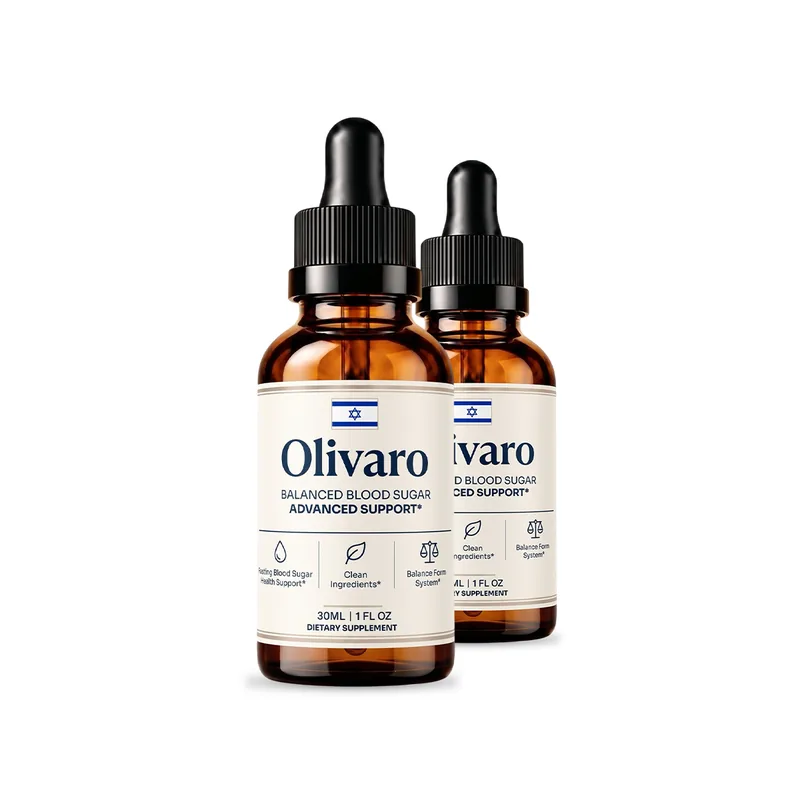 $79 per bottle $79 per bottle$158 total plus $9.99 shipping |
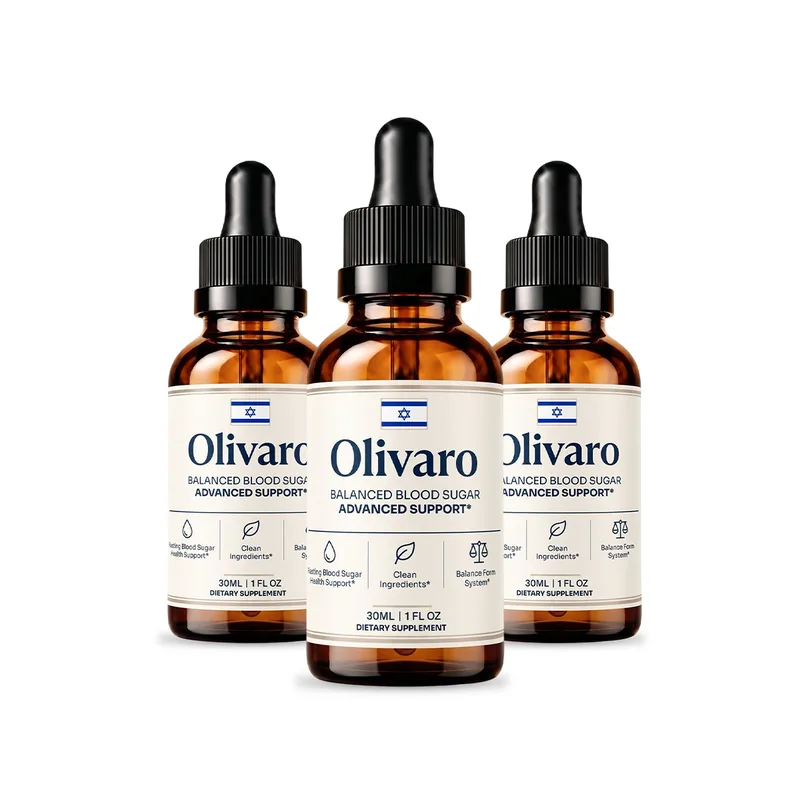 $69 per bottle $69 per bottle$207 total free US shipping |
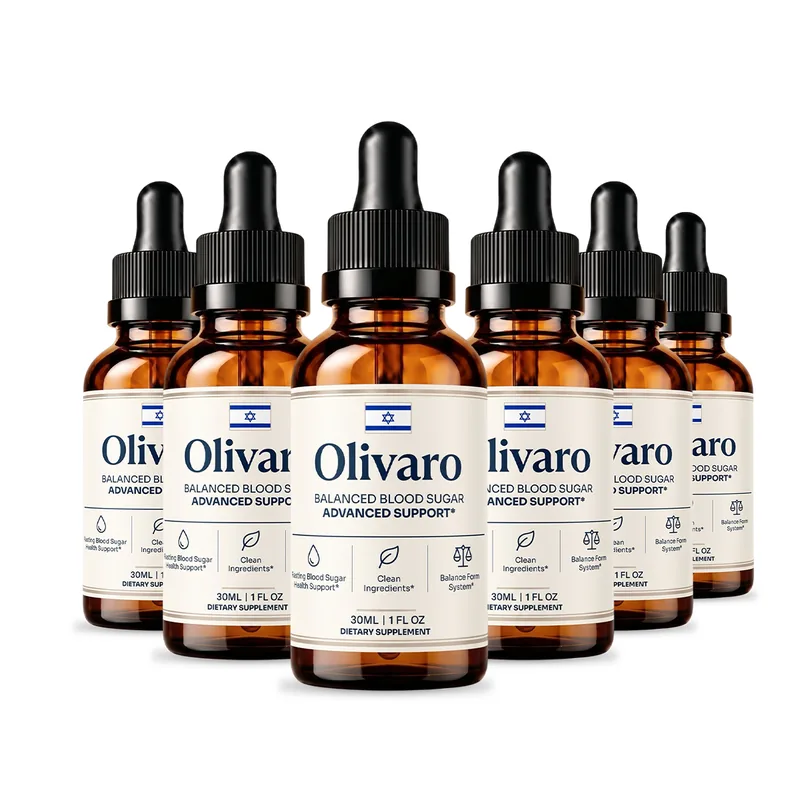 $49 per bottle $49 per bottle$294 total free US shipping |
Prices from the seller's order page, read on October 9, 2026. They can change, so check the current price before you order.
Compare the 3 kits on the official site
Blood sugar support is a marathon, not a sprint. Most ingredients need 8 to 12 weeks to show their full effect, so the 3 or 6 bottle kit usually makes the most sense, and both ship free in the US.
Pros
|
Cons
|
Want every detail before you buy? Our full Olivaro review covers the label line by line, the medicine cautions and every version of the refund policy.
#2 Pure Berberine HCl: Best Single Active
If you would rather take one powerful ingredient on its own, berberine is the one I would reach for. It activates AMPK, an enzyme that tells your cells to pull glucose out of the bloodstream and use it for energy, which is part of why people often compare it to a natural lever for insulin sensitivity. It is potent enough that some researchers have studied it head to head with medication, a comparison we explore in berberine vs metformin.
Typical doses in studies sit around 500 mg taken two to three times a day with meals, since berberine clears the body quickly. The main catch is digestion: taken on an empty stomach or at high doses, it can cause cramping or loose stools. Start low and pair it with food. Berberine can also lower blood sugar meaningfully, so it is one to clear with your doctor if you are on any glucose medication.
Pros
|
Cons
|
#3 Chromium Picolinate: Best Budget Pick
Chromium is the quiet helper. This trace mineral supports the action of insulin, and the picolinate form is the most absorbable. Where chromium tends to shine is sugar cravings; many people notice the urge to raid the snack cupboard softens after a few weeks. It will not transform your A1C on its own, but at roughly twelve dollars a bottle it is an easy, low-risk addition. Our full chromium picolinate for prediabetes article digs into the dosing details.
Most products land around 200 to 1000 mcg per day. Higher is not automatically better, so there is rarely a reason to megadose. It is gentle on the stomach and pairs well with the other supplements on this list.
Pros
|
Cons
|
#4 Magnesium Glycinate: Best for Sleep + Insulin
Magnesium is the unsung hero of metabolic health. It is a cofactor in the reactions that move glucose into cells, and people with insulin resistance are frequently low in it. The glycinate form is my favorite because it absorbs well and is gentle, unlike cheaper magnesium oxide that can send you running to the bathroom. There is a bonus: glycinate calms the nervous system, so it supports deeper sleep, and poor sleep is a sneaky driver of high blood sugar, as we explain in how stress and sleep worsen prediabetes.
A nightly dose of 200 to 400 mg of elemental magnesium is a reasonable starting point. For the deeper science on the glucose connection, see magnesium for insulin resistance.
Pros
|
Cons
|
#5 Vitamin D3 + K2: Best Foundational Pick
Vitamin D is less of a blood-sugar drug and more of a foundation. Low vitamin D status is strongly linked with insulin resistance, and a large body of population data suggests people who are deficient have a higher risk of progressing toward type 2 diabetes. Correcting a genuine deficiency may help your metabolism work the way it should. We summarized the standout research in vitamin D and prediabetes.
The K2 pairing matters: it helps direct calcium into your bones rather than your arteries, which is smart when you are taking higher-dose D3. A common range is 2000 to 5000 IU of D3 daily, but this is the one supplement where a simple blood test is genuinely worth it, so you dose to your actual level instead of guessing.
Pros
|
Cons
|
What to Look For on the Label
Two bottles can list the same ingredient and deliver wildly different results, so learning to read a supplement label is one of the most useful skills you can build. Here is what I scan for before recommending anything to a friend.
- The actual dose, not just the name. A label can proudly say “berberine” and contain a token amount buried in a blend. Look for the milligram figure per serving and compare it to the ranges in the sections above. If a product hides everything inside a “proprietary blend,” you cannot know what you are getting, and that is a yellow flag.
- The right form of the mineral. Form matters more than people realize. Magnesium glycinate absorbs far better and is gentler than magnesium oxide. Chromium picolinate is more bioavailable than plain chromium. The cheap version on the shelf is often the poorly absorbed one.
- Third-party testing. Seals from independent labs such as NSF or USP mean an outside party verified that what is on the label is actually in the bottle, and that it is free of common contaminants. The supplement industry is loosely regulated, so this is real reassurance.
- A short, honest ingredient list. Be wary of fillers, artificial colors, and a kitchen-sink list of twenty exotic herbs at trace doses. A focused formula at honest doses beats a flashy label every time.
- A guarantee you can actually use. A generous return window, like Olivaro’s 60-day guarantee, gives you time to judge. Read the exact refund terms before you pay, because some sellers list different rules on different pages. A 14-day window barely covers shipping, let alone the 8 to 12 weeks these ingredients need.
Common Mistakes People Make With Blood-Sugar Supplements
I have watched a lot of well-meaning people waste money and motivation on supplements, almost always because of the same handful of mistakes. Sidestep these and you will get far more out of whatever you choose.
Quitting too early. This is the big one. People take a supplement for two or three weeks, see nothing dramatic, and give up. But A1C reflects about three months of blood sugar, and these ingredients work gradually. Commit to a full 12 weeks before you decide it is not working.
Expecting a supplement to cancel out a bad diet. No capsule can outrun a daily soda and a plate of refined carbs. Supplements nudge a system that is already moving in the right direction, they do not reverse one that is sprinting the wrong way. Fix the plate first, then layer the supplement on top.
Buying the cheapest possible version. With supplements, rock-bottom price often means a poorly absorbed form, an underdosed blend, or no quality testing. You are better off buying one well-made product than three bargain-bin bottles that do nothing.
Taking everything at once. Stacking five new supplements on day one makes it impossible to know what helped, what hurt, and what upset your stomach. Add one at a time, give it a few weeks, and pay attention to how you feel and what your meter says.
Skipping the doctor conversation. If you take medication, this is not optional. A quick chat protects you from dangerous interactions and gives you a partner who can track your numbers as you go.
How to Choose the Right Supplement for You
Still unsure which to start with? Match it to what you are actually dealing with:
- You want one thing that covers most bases: start with Olivaro (see our Olivaro review). It is the lowest-decision option.
- You battle sugar and carb cravings: chromium picolinate at a studied dose.
- You strongly suspect insulin resistance: berberine is the most direct lever.
- You sleep badly and feel wired at night: magnesium glycinate first.
- You rarely see the sun or know your vitamin D is low: vitamin D3 + K2.
A reasonable, no-overlap stack for many people is Olivaro in the morning plus magnesium glycinate at night, adding vitamin D if a test shows you are low. You do not need to take all five. For the wider evidence picture, our evidence-based supplement rundown is a great next read, and if you are weighing pills against prescriptions, see can supplements replace medication.
Diet and Lifestyle Still Do the Heavy Lifting
I would be doing you a disservice if I let you close this tab thinking a capsule is the whole answer. The biggest movers for prediabetes are still food, movement, and sleep. A short walk after meals can blunt the post-meal glucose spike, building one or two simple habits compounds fast. Pair whatever supplement you choose with a smarter plate using our 7-day prediabetes meal plan and the simple wins in walking after meals. Supplements work best when they are the finishing touch on a solid foundation, not a patch over a shaky one.
Related comparisons:
Our best overall pick
Ready to compare the kits?
Read the full label, the medicine cautions and every version of the refund policy in our review, or go straight to the 3 kits on the seller's order page.
Check the current price on the official site
Frequently Asked Questions
What is the single best supplement to lower A1C?
There is no universal winner, but for most people an all-in-one formula like Olivaro is the easiest place to start because it combines several ingredients in one daily liquid. Keep in mind its label shows a dose only for chromium. If you prefer one active ingredient, berberine has the most direct effect on insulin sensitivity. Pair either with diet and movement for the best shot at lowering your A1C.
How long before supplements lower my blood sugar?
Be patient. Most blood-sugar nutrients need 8 to 12 weeks of consistent use to show their full effect, which is exactly why the 3- and 6-bottle bundles tend to make sense. Some people notice softer cravings within a couple of weeks, but A1C reflects roughly three months of blood sugar, so give it a full quarter before you judge.
Can I take supplements with metformin or other diabetes medication?
Only with your doctor’s blessing. Several of these supplements, especially berberine, can lower blood sugar on their own, so stacking them with medication can push you too low. Bring the supplement label to your appointment and let your doctor adjust the plan.
Are these supplements safe?
For most healthy adults the supplements here are well tolerated at sensible doses. The most common issue is mild digestive upset, particularly with berberine and cheap forms of magnesium. If you are pregnant, nursing, have kidney or liver issues, or take prescription medication, check with your doctor first.
Can supplements alone reverse prediabetes?
No, and any product that promises that is overselling. Supplements support the process, but diet, movement, and sleep do the heavy lifting. Many people genuinely move out of the prediabetes range, you can read how in can prediabetes be reversed naturally, and supplements are best seen as one helpful piece of that bigger plan.
Medical Disclaimer: This content is for informational purposes only and is not a substitute for professional medical advice, diagnosis, or treatment. Supplements are not intended to diagnose, treat, cure, or prevent any disease. Always seek the advice of your physician or qualified health provider before starting any supplement or making changes to your prediabetes management, especially if you take medication. Never disregard professional medical advice because of something you read here.