
Can Supplements Replace Prediabetes Medication? An Honest Look
Can Supplements Replace Prediabetes Medication? An Honest Look at What They Can (and Can’t) Do
If you’ve just been told you have prediabetes, you may be staring at a prescription and wondering whether a “natural” supplement could do the same job without the side effects. It’s one of the most common questions readers send me.
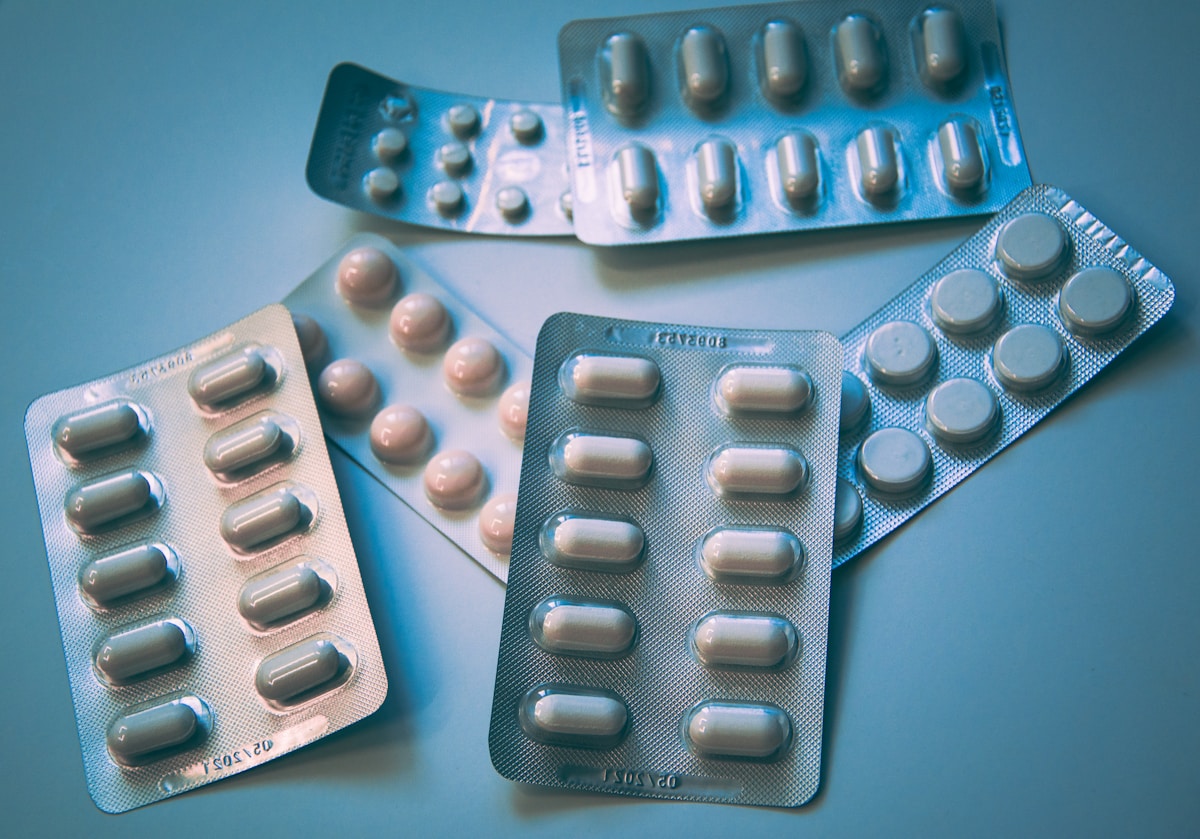
I understand the appeal. When my own A1C climbed to 6.1%, I wanted to fix it without a single pill, too. So let’s answer this honestly, without hype and without scaring you off either option.
Why People Ask This Question in the First Place
Prediabetes is incredibly common. According to the CDC, about 98 million U.S. adults, roughly 1 in 3, have prediabetes, and more than 80% don’t know it. That’s a lot of people suddenly facing a diagnosis and a decision.
Here’s the part that surprises people: many adults with prediabetes are not immediately put on medication at all. The first-line approach recommended by major bodies is lifestyle change. So the real question often isn’t “drug versus supplement”, it’s “what actually moves my numbers, and where do supplements fit?”
If you want the full picture of the condition itself, start with our complete guide to prediabetes. It sets the foundation for everything below.
What “medication for prediabetes” usually means
The most common prescription at the prediabetes stage is metformin, and even then it’s typically reserved for higher-risk patients, for example, those who are younger, more overweight, have a very high A1C within the prediabetes range, or have a history of gestational diabetes. Metformin has decades of safety data and, in large trials, cut progression to type 2 diabetes by roughly 31%.
That number matters. When someone asks whether a supplement can “replace” metformin, the honest comparison is against a drug with that kind of track record, not against doing nothing.
The Core Difference: Drugs Are Regulated, Supplements Are Not
This is the single most important thing to understand, so I’ll be blunt about it.
Prescription medications go through years of clinical trials and are approved by the FDA for a specific use, at a specific dose, with known risks. Dietary supplements are regulated under a different, far looser framework. The FDA does not approve supplements for safety or effectiveness before they hit shelves.
That doesn’t mean supplements are useless. It means quality, dose, and even the actual contents of the bottle can vary widely between brands. Two berberine capsules from two companies are not guaranteed to be equivalent.
| Factor | Prescription Medication | Dietary Supplement |
|---|---|---|
| Pre-market approval | Required (FDA) | Not required |
| Standardized dose | Yes | Often inconsistent |
| Evidence base | Large, long-term trials | Smaller, shorter studies |
| Known drug interactions | Well documented | Often poorly studied |
| Doctor monitoring | Standard | Frequently skipped |
Where Supplements Genuinely Can Help
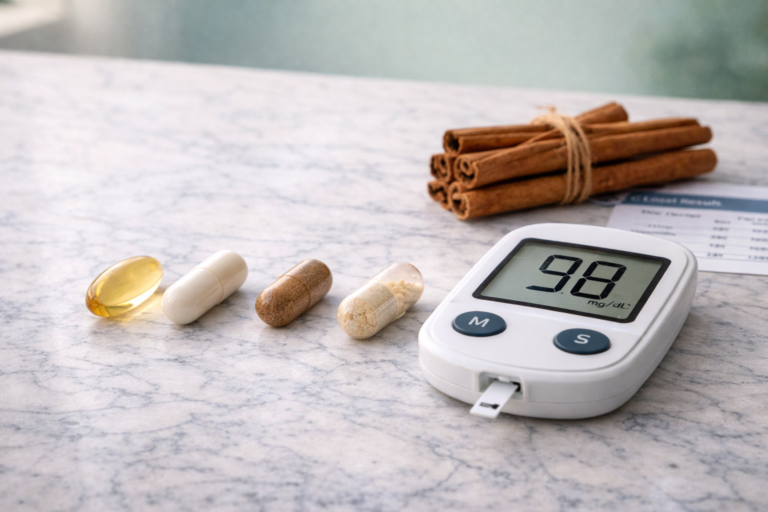
Now the encouraging side. Several supplements have real, peer-reviewed evidence for modestly supporting blood sugar, especially when paired with diet and movement. They tend to complement a plan rather than replace anything.
Berberine
Berberine is the supplement people most often compare to metformin, and for good reason. A 2021 meta-analysis found it can lower fasting glucose to a degree comparable to some oral agents, with a low risk of hypoglycemia. Smaller prediabetes trials have shown reductions in fasting glucose in the same neighborhood as metformin.
That said, the studies are smaller and shorter than the metformin trials, and berberine can cause GI upset and interacts with several medications. We break it down in detail in berberine and glycemic markers and the head-to-head berberine vs metformin comparison.
Magnesium
Low magnesium is associated with insulin resistance, and many adults don’t get enough. Correcting a deficiency may support better insulin sensitivity. See magnesium and insulin resistance for the research and food sources.
Cinnamon
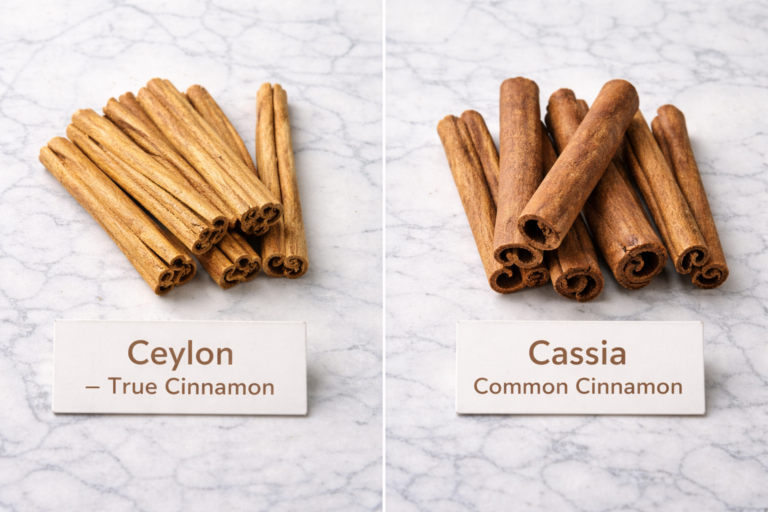
A 2019 meta-analysis of 16 trials (1,098 people) found cinnamon modestly reduces fasting glucose and insulin resistance. “Modest” is the operative word, it’s a helper, not a cure. More in cinnamon and blood sugar evidence.
Vitamin D
A 2020 cohort of 43,559 people linked higher vitamin D status to lower diabetes risk among people with prediabetes. If you’re deficient, repletion is a sensible, low-risk move. Details in the vitamin D prediabetes study.
For the full vetted shortlist with doses and cautions, see our pillar on the best supplements for prediabetes to lower A1C.
Where Supplements Cannot Replace Medication
Here’s the line I won’t cross, and neither should any honest health writer.
Never stop a prescribed medication on your own to “try” a supplement. If your doctor put you on metformin or any other drug, there was a clinical reason. Stopping abruptly can let your blood sugar climb and accelerate progression toward type 2 diabetes, the exact thing you’re trying to avoid.
Supplements also can’t replace medication in these situations:
- When you’re already near or over the diabetes threshold. Prediabetes is an A1C of 5.7% to 6.4%; diabetes is ≥6.5%. The closer you are to that line, the less room there is for a “wait and see, herbs only” approach.
- When you have other risk factors, high blood pressure, family history, prior gestational diabetes, that your doctor is weighing.
- When the supplement interacts with your other meds. Berberine, for instance, can amplify the effect of blood-sugar-lowering drugs and interact with blood thinners.
If you’re tempted to taper off a prescription, that’s a conversation to have with your doctor, ideally backed by data. Our guide on what doctors wish patients knew about prediabetes isn’t a green light to go it alone, it’s a reality check for doing this safely. And before any appointment, bring the 6 questions to ask your doctor about prediabetes.
The Most Honest Answer: It’s Rarely Drug vs. Supplement
When I reversed my own prediabetes, A1C 6.1% down to 5.4%, I didn’t do it with a magic capsule. I’m Sarah Mitchell, and what actually moved my numbers was the boring, repeatable stuff: changing what I ate, walking after meals, sleeping better, and managing stress. Supplements were a small supporting cast, never the lead.
That mirrors the research. A 2026 study covered by ScienceDaily even found prediabetes can be reversed without significant weight loss, which tells you how much the day-to-day habits matter.
So the better question isn’t “can this pill replace my prescription?” It’s “what combination of food, movement, and, if appropriate, targeted supplements gives me the best shot, under my doctor’s eye?”
A sensible, safety-first framework
- Lock in the basics first. Follow a prediabetes diet and add walking after meals. These have the strongest, cheapest payoff.
- Address deficiencies. Ask your doctor to check vitamin D and consider magnesium if your intake is low.
- Add evidence-backed supplements as helpers, not replacements, and tell your doctor what you’re taking.
- Recheck your A1C on schedule so you and your doctor can see what’s working.
If you decide to explore supplements as part of that framework, choose well-formulated products and look for transparency about ingredients and dosing. Our roundup of the best blood sugar supplements for 2026 walks through what to look for.
What the Major Health Authorities Recommend
You don’t have to take my word for any of this. The NIDDK and the American Diabetes Association both center lifestyle change as the foundation of prediabetes care, with medication considered case by case. None of these bodies endorse swapping a prescribed medication for an over-the-counter supplement.
That consensus is your safety net. Use it.
- Supplements cannot reliably replace prediabetes medication, and you should never stop a prescribed drug on your own.
- Supplements are not FDA-approved for effectiveness; quality and dose vary by brand.
- Berberine, magnesium, cinnamon, and vitamin D have real but modest evidence, as complements, not substitutes.
- Many people with prediabetes aren’t on medication at all; lifestyle change is first-line.
- The safest path is a doctor-guided plan: diet, movement, targeted supplements, and regular A1C checks.
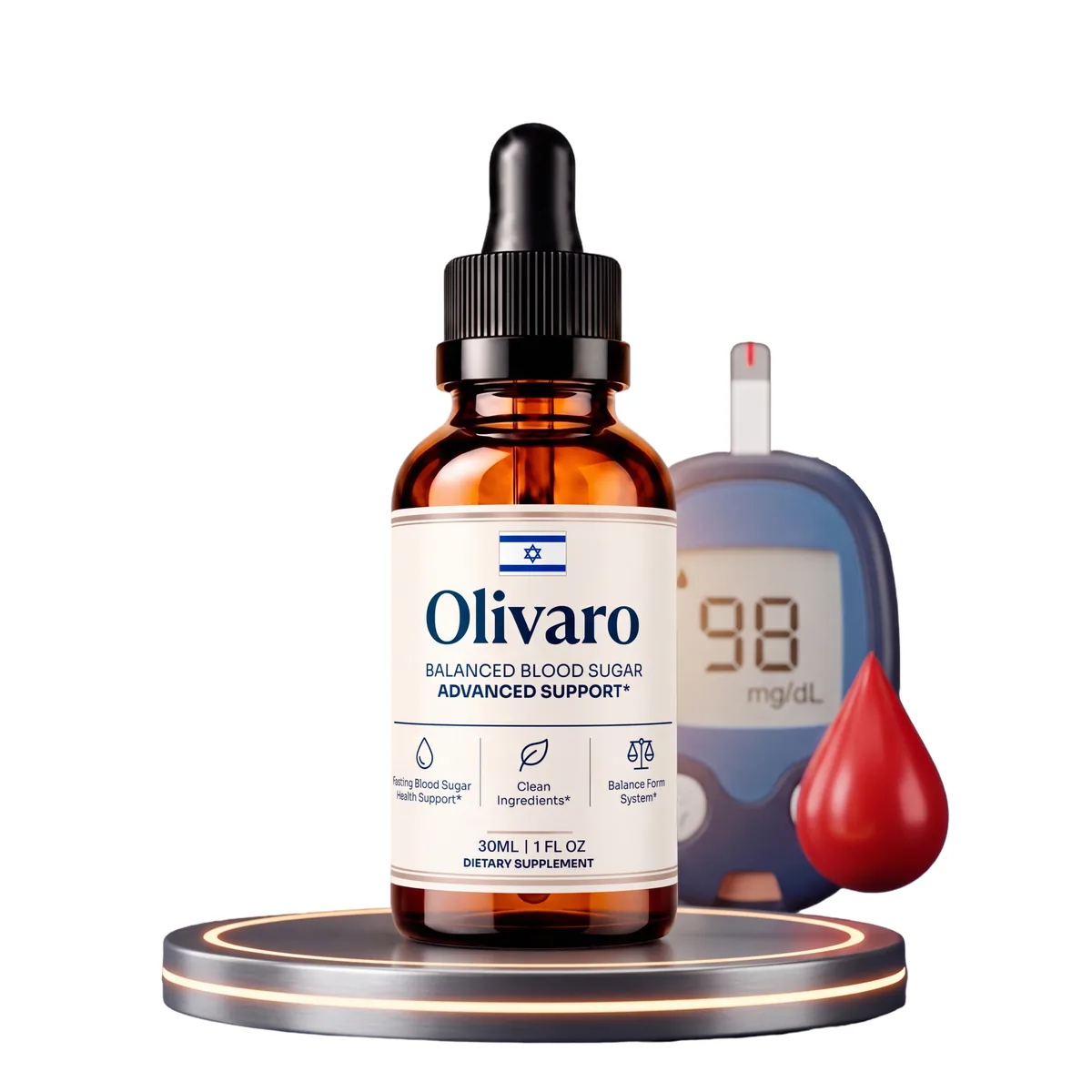
Related review
Looking at a ready-made blend?
Olivaro is a liquid with chromium picolinate and a 200 mg blend of 22 plant ingredients. Our review reads its full label, the real kit prices and every version of its refund policy.
Frequently Asked Questions
Can I take berberine instead of metformin?
Not without your doctor’s involvement. Berberine has promising data and lowers fasting glucose comparably to some oral agents in small trials, but the studies are smaller and shorter than metformin’s, and it can interact with other medications. If you’re prescribed metformin, don’t swap it on your own, discuss it with your physician.
Are supplements safe to take with prediabetes medication?
Some are, some aren’t. Supplements like berberine can add to the blood-sugar-lowering effect of medication, which can cause levels to drop too low. Always tell your doctor or pharmacist about every supplement you take so they can check for interactions.
Will supplements lower my A1C on their own?
Modestly, at best, and usually not enough to “fix” prediabetes by themselves. The biggest A1C improvements come from diet, movement, sleep, and stress management. Supplements work best as a small addition to those habits, not a replacement for them.
Do I even need medication for prediabetes?
Often, no, many people with prediabetes are managed with lifestyle change alone. Whether you need medication depends on your A1C, weight, age, and other risk factors. Only your doctor can make that call, ideally after a real conversation about your goals.
Is it ever okay to stop my medication to try natural methods?
Only if your doctor agrees and supervises it. Stopping a prescribed medication abruptly can let your blood sugar rise and speed up progression toward type 2 diabetes. If your numbers improve with lifestyle changes, your doctor may adjust or taper your prescription, but that decision is theirs to guide, not yours to make alone.
What’s the single best first step if I just got diagnosed?
Don’t panic, and don’t reach for a pill of any kind first. Start with food and post-meal walks, get your vitamin D checked, and book a follow-up to recheck your A1C. Our just-diagnosed 30-day plan lays out exactly where to begin.