

Chromium Picolinate for Prediabetes: What the Evidence Shows
Chromium Picolinate for Prediabetes: What the Evidence Shows
If you’ve just been told your A1C is creeping into the prediabetes range, you’ve probably already seen chromium picolinate recommended somewhere, a forum, a YouTube video, the label of a “blood sugar support” bottle. The promise is appealing: a cheap mineral that helps insulin do its job.
But here’s the honest version. Chromium is a real trace mineral your body uses, and there’s genuine research behind it. The results, though, are mixed and modest, not the dramatic transformation some sellers imply.
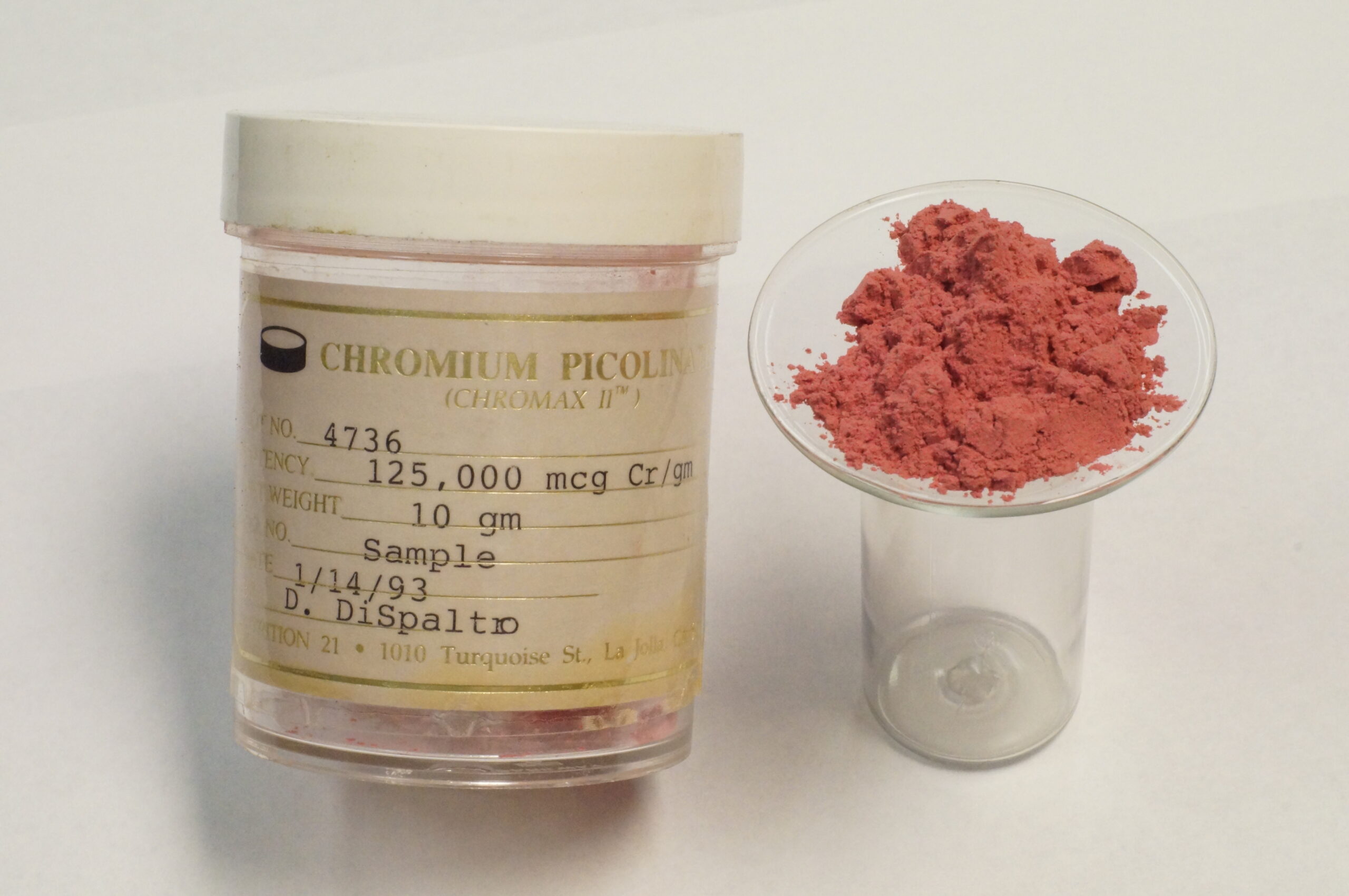
I’m Sarah Mitchell, and I reversed my own prediabetes (A1C 6.1 down to 5.4) over about a year. Chromium was something I researched carefully before deciding whether it earned a spot in my routine. This article walks you through what the evidence actually shows, realistic dosing, safety, and how to set expectations.
What Is Chromium and Why Does Blood Sugar Care About It?
Chromium (specifically trivalent chromium, Cr³⁺) is an essential trace mineral. You get small amounts from foods like broccoli, whole grains, lean meats, and brewer’s yeast. Your body needs only micrograms of it, a tiny fraction of what you need of minerals like magnesium or calcium.
Its connection to blood sugar comes from its role in how cells respond to insulin. Chromium appears to help insulin bind to its receptors and move glucose into cells more efficiently. Researchers once described this through a compound called “glucose tolerance factor,” and while that exact model has been revised, the link between chromium and insulin signaling is still real.
The key word is insulin sensitivity, how well your cells “hear” insulin. In prediabetes, that signal gets muffled (insulin resistance), a process explained well by the NIH’s NIDDK. The theory is that correcting a chromium shortfall could turn the volume back up a little.
The catch: most people aren’t deficient
Here’s the nuance that gets lost in supplement ads. Outright chromium deficiency is rare in people eating a typical diet. A supplement that corrects a deficiency helps a lot; a supplement that tops up an already-normal level often does very little.
This single fact explains why chromium studies look so inconsistent. The people who respond best tend to be those who are insulin-resistant, have higher blood sugar, or have lower chromium status to begin with.
What the Research Actually Shows
Let’s be specific, because “studies are mixed” is too vague to be useful. The evidence breaks down into three buckets: encouraging, neutral, and “depends who you study.”
The encouraging findings
Several meta-analyses pooling randomized trials have found that chromium supplementation can modestly lower fasting glucose, A1C, and insulin resistance, particularly in people with type 2 diabetes or insulin resistance. The typical reported A1C reduction lands around 0.2% to 0.3% at meaningful doses over three to six months.
To put that in perspective: that’s roughly the kind of nudge you might get from a modest amount of weight loss. Helpful as part of a bigger plan, but not transformative on its own.
The neutral and negative findings
Plenty of well-run trials show no significant effect, especially in people who are not diabetic and not deficient. One frequently cited study even found that in non-obese, non-diabetic subjects, chromium supplementation was associated with a decline in insulin sensitivity, a reminder that “more is better” doesn’t apply here.
The U.S. NIH Office of Dietary Supplements sums it up plainly: the evidence on chromium for glucose control is mixed, and more research is needed before it can be broadly recommended.
What about prediabetes specifically?
Prediabetes sits in an interesting middle zone, you have some insulin resistance, but you’re not diabetic. Because chromium tends to work best in insulin-resistant people, prediabetes is a plausible group to benefit. But the trials run specifically in prediabetic adults are smaller and fewer, so the honest takeaway is “possible modest help, not guaranteed.”
| Group | Likely Benefit From Chromium |
|---|---|
| Insulin-resistant / type 2 diabetes | Most consistent modest benefit |
| Prediabetes | Possible modest benefit (less data) |
| Chromium-deficient | Greatest benefit |
| Healthy, normal blood sugar | Little to no benefit |
Dosing: How Much Chromium Picolinate for Prediabetes?
Most clinical trials in adults with elevated blood sugar use 200 to 1,000 micrograms (mcg) of chromium picolinate per day, usually split between meals. There’s no official treatment dose for prediabetes, so any number you see is borrowed from research, not a guideline.
A commonly used, conservative approach looks like this:
- Start low: 200 mcg once or twice daily with food.
- Reassess after 8 to 12 weeks: recheck fasting glucose and how you feel.
- Only increase if warranted: some trials go up to 500 mcg twice daily, but higher isn’t automatically better.
- Don’t exceed 1,000 mcg/day without medical supervision, there’s no proven added benefit and more potential for side effects.
Why “picolinate”?
Picolinate is simply a carrier that helps chromium absorb better than some other forms. It’s the form used in most of the research, which is why it shows up on labels. Other forms (chromium chloride, polynicotinate) exist, but picolinate is the most studied for glucose.
A note on timing
Because chromium relates to insulin and meals, taking it with food, particularly meals containing carbohydrates, is the standard approach in studies. Pairing supplements with a smart meal strategy matters far more than the pill itself; that’s why I lean so heavily on the basics in my prediabetes diet guide and post-meal walking.
Safety: Is Chromium Picolinate Safe to Take?
For most healthy adults, chromium picolinate at typical supplement doses is generally well tolerated, with few reported serious adverse effects in trials. That said, “generally safe” is not the same as “risk-free for everyone.”
Notably, neither the Institute of Medicine nor U.S. regulators have set a Tolerable Upper Intake Level for chromium, partly because severe toxicity is uncommon, but also because the long-term safety data simply isn’t robust. That’s a gap, not a guarantee.
Possible side effects and cautions
- Mild GI upset, headache, or dizziness in some people.
- Kidney and liver concerns: rare case reports exist at very high doses; people with kidney or liver disease should be especially cautious.
- Medication interactions: chromium may add to the glucose-lowering effect of diabetes drugs or insulin, raising the risk of low blood sugar. It may also interact with thyroid medication, NSAIDs, and antacids.
- Pregnancy/breastfeeding: stick to food sources unless your doctor advises otherwise.
This medication point is the big one. If you’re already on metformin or any blood-sugar medication, do not stack chromium on top without telling your doctor. It’s worth bringing up at your next visit, and our list of 6 questions to ask your doctor about prediabetes can help you start that conversation.
Realistic Expectations: Where Chromium Fits
Here’s the part I wish more people heard. Even in the most favorable studies, chromium delivers a small effect. A 0.2 to 0.3% A1C drop is real, but on its own it won’t move you from prediabetes (5.7 to 6.4%) back to normal (under 5.7%).
What actually reverses prediabetes is the unglamorous stuff, consistent food choices, movement, sleep, and stress management. The encouraging news, backed by CDC prevention research, is that lifestyle change works powerfully, and newer findings even suggest prediabetes can improve without major weight loss.
So think of chromium as a possible supporting actor, never the lead. In my own journey, the needle moved because of how I ate and moved daily, supplements were, at most, a minor tailwind. If you want the full playbook, start with our complete guide to prediabetes.
How chromium compares to other blood sugar supplements
Chromium is one of several minerals and botanicals studied for glucose. Others, like berberine, magnesium, and cinnamon, have their own evidence profiles, some stronger than chromium’s. If you’re trying to figure out which (if any) are worth your money, our research-backed roundup of the best supplements to lower A1C compares them side by side, and the curated best blood sugar supplements for 2026 hub goes deeper on the formulas that bundle several of these ingredients together.
Key Takeaways
- Chromium is an essential trace mineral that supports how cells respond to insulin.
- The evidence is mixed and modest, meta-analyses suggest roughly a 0.2 to 0.3% A1C reduction, mostly in insulin-resistant or deficient people.
- Healthy, non-deficient people generally see little benefit.
- Typical research doses are 200 to 1,000 mcg/day of the picolinate form, taken with meals; start low.
- Safety is reasonable at normal doses, but it can interact with diabetes medications and may raise hypoglycemia risk, talk to your doctor first.
- It’s a supporting player. Diet, movement, sleep, and stress do the heavy lifting in reversing prediabetes.
Related review
Chromium in drop form
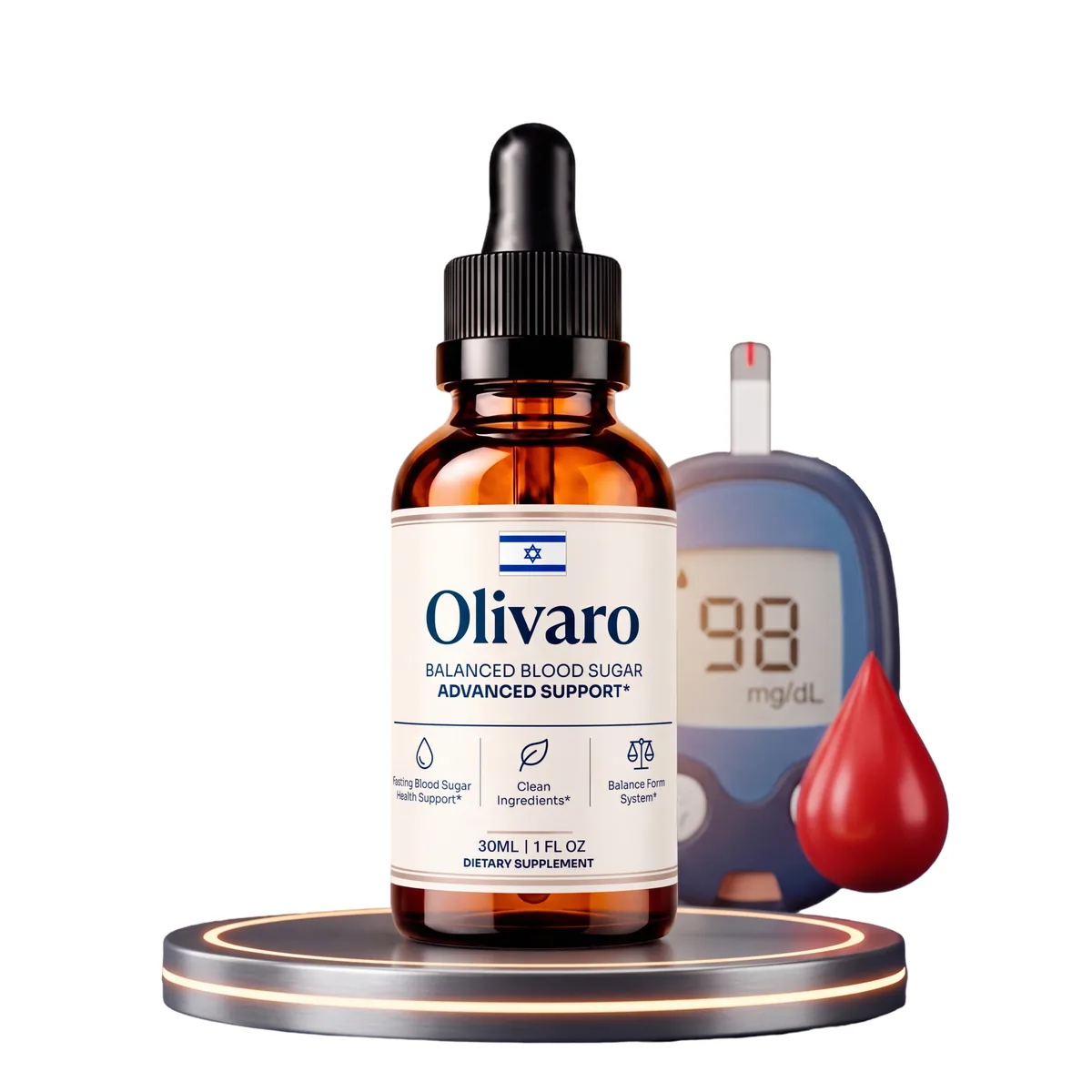
Olivaro lists chromium picolinate next to 22 plant ingredients, at 0.7 mcg per serving. Our review reads the full label, the kit prices and the refund terms.
Frequently Asked Questions
Can chromium picolinate lower my A1C?
It may, modestly. Pooled studies suggest an average reduction of about 0.2 to 0.3% in people who are insulin-resistant or have higher baseline blood sugar. That’s a small, supportive effect, not enough on its own to reverse prediabetes, which is why lifestyle changes remain the foundation.
How long does chromium take to work?
Most trials run for 8 to 24 weeks before measuring changes in glucose or A1C. If you try it, give it at least 8 to 12 weeks alongside lab rechecks rather than expecting overnight results. If nothing has changed after a few months, it likely isn’t doing much for you personally.
Is 1,000 mcg of chromium too much?
Up to 1,000 mcg/day has been used in research, but higher doses don’t reliably produce better results and may increase the chance of side effects. There’s no official upper limit, which is exactly why it’s wise to stay conservative and involve your doctor, especially above 1,000 mcg.
Can I take chromium with metformin or other diabetes drugs?
Only with your doctor’s okay. Chromium can add to the glucose-lowering effect of these medications, which may push blood sugar too low. This is the most important safety consideration, so never combine them without medical guidance.
Should I get chromium from food instead?
Food first is always a reasonable approach. Broccoli, whole grains, lean meats, nuts, and brewer’s yeast all provide chromium, and outright deficiency is uncommon on a varied diet. A supplement is most logical when you’re insulin-resistant and have discussed it with your doctor.
Is chromium picolinate the best form to buy?
Picolinate is the most-studied form for blood sugar because it absorbs relatively well, so it’s a sensible default. Quality varies between brands, though, look for third-party tested products and avoid mega-dose “proprietary blends” that hide how much you’re actually getting.
Reviewed and written by Sarah Mitchell, who reversed her own prediabetes (A1C 6.1 to 5.4) through diet, movement, and evidence-based habits. Always confirm supplement decisions with your own healthcare provider.