Are There Supplements That Actually Help Reverse Prediabetes? The Honest Answer
This is the question that sits between “I want to try something natural” and “I am ready to spend money on a supplement.” People searching for this answer are not looking for a sales pitch. They are looking for an honest answer about whether supplements actually do anything for prediabetes or whether it is all marketing.
The honest answer: some do. Most do not. The difference is in the evidence.
The supplement evidence in this article is drawn from clinical trials indexed on PubMed and is graded according to the evidence hierarchy used in the ADA Standards of Care, which distinguishes RCT evidence from observational data.
About this article: This page focuses specifically on supplements with randomized controlled trial evidence for blood sugar normalization and A1C reduction in people with prediabetes or insulin resistance. For a broader ranked comparison of all supplement options — including cost, dosing, and which to prioritize — see Best Supplements for Prediabetes: 6 Options With Real Evidence.
What the Research Standard Should Be
The supplement industry is largely unregulated. A product can claim to “support healthy blood sugar” without a single human clinical trial behind it. The phrase “clinically studied” on a label often refers to studies on individual ingredients at doses different from what is in the product, in populations different from people with prediabetes.
For a supplement to genuinely “help reverse prediabetes,” it needs to meet a minimum standard: at least one peer-reviewed randomized controlled trial in humans with prediabetes, type 2 diabetes, or insulin resistance, showing a measurable reduction in fasting glucose, post-meal glucose, or A1C.
By that standard, the list of supplements that qualify is short. But the ones that qualify are worth knowing about.
Supplements With Real Evidence
Berberine
Berberine has the strongest evidence base of any non-prescription supplement for blood sugar. A 2023 umbrella meta-analysis reviewing dozens of randomized controlled trials found an average A1C reduction of 0.45 percentage points. Head-to-head trials against metformin found comparable blood sugar effects.
The mechanism is well-understood: berberine activates AMPK, the same cellular pathway that metformin targets, which reduces liver glucose output and improves insulin sensitivity in muscle cells. It is not a mystery ingredient. It has a known mechanism, replicated in trials, at a specified dose range of 500mg two to three times daily with meals.
Full evidence breakdown: berberine for blood sugar. Comparison with metformin: berberine vs metformin for prediabetes.
Magnesium
Magnesium deficiency is significantly more common in people with prediabetes than in the general population, and deficiency directly worsens insulin resistance. A meta-analysis of 25 randomized controlled trials found that magnesium supplementation significantly improved fasting glucose and insulin sensitivity.
A 2015 randomized controlled trial specifically in people with prediabetes found that 50% of the magnesium group regressed to normal glucose levels at four months, versus 7% in the placebo group. That is not a small effect.
The caveat: the benefit is most pronounced in people who are actually deficient. Magnesium supplementation in people with normal magnesium levels shows smaller effects. Given how common deficiency is in this population, it is worth trying. Choose magnesium glycinate for best absorption and fewest side effects. Full review: magnesium for insulin resistance and prediabetes.
Chromium Picolinate
Chromium amplifies the insulin receptor signal, making cells more responsive to insulin without increasing insulin production. A meta-analysis of 41 randomized controlled trials found significant improvements in fasting glucose and insulin sensitivity in people with insulin resistance and type 2 diabetes.
It is one of the least expensive supplements in this category, with a strong safety record at standard doses of 200 to 1,000mcg per day. It appears most effective in people whose primary problem is insulin resistance rather than impaired insulin secretion. Full review: chromium picolinate for prediabetes.
Vitamin D
Low vitamin D is associated with higher risk of progressing from prediabetes to type 2 diabetes, and deficiency is extremely common in the 45 to 70 age group. A meta-analysis involving 43,559 participants found that vitamin D supplementation in deficient prediabetes patients significantly reduced progression risk.
An important nuance: vitamin D supplementation appears to help primarily in people who are deficient. If your vitamin D levels are already adequate, supplementing further shows minimal additional benefit for blood sugar. A simple blood test reveals your status.
Alpha Lipoic Acid
Alpha lipoic acid works through two routes: it activates GLUT4 glucose transporters in muscle cells, improving glucose uptake, and it reduces oxidative stress that interferes with insulin signaling. An 18-month randomized controlled trial in people with impaired fasting glucose found significant A1C reductions at 600mg daily.
It is particularly studied for diabetic neuropathy, which suggests its mechanisms in the metabolic pathway are real. Full review: alpha lipoic acid for prediabetes.
Cinnamon
Cinnamon has more mixed evidence than the others, but it is not without support. A meta-analysis of 16 studies involving 1,098 people found meaningful reductions in fasting glucose of 10 to 29 mg/dL. The effect is real but modest, and the optimal dose and form are less established than for berberine or magnesium.
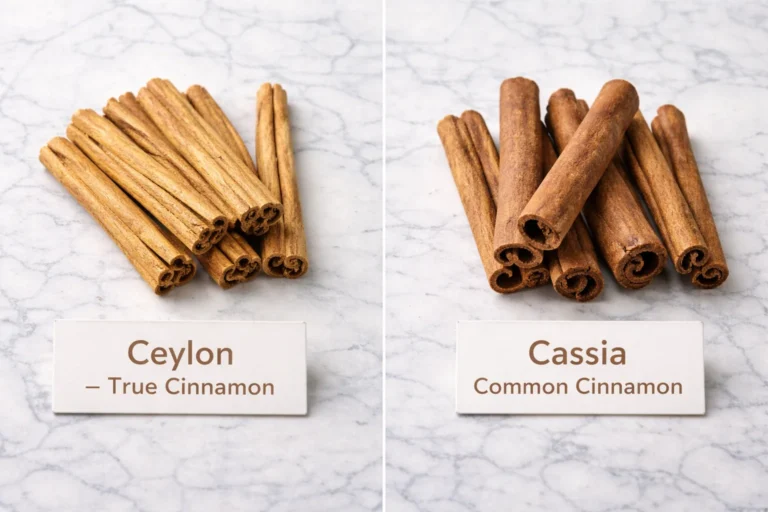
It is worth including in the diet in food amounts, and supplementation at 1 to 3 grams of Ceylon cinnamon daily is a reasonable low-cost addition to a broader strategy. Ceylon cinnamon is preferred over cassia cinnamon for long-term use due to lower coumarin content.
Supplements Without Sufficient Evidence
Several heavily marketed blood sugar supplements do not meet the clinical evidence standard for prediabetes reversal:
- Bitter melon: Multiple trials, inconsistent results, no established effective dose
- Gymnema sylvestre: Promising animal data, very limited human RCTs in prediabetes
- Banaba leaf: Small studies, not replicated at scale
- Fenugreek: Some evidence for modest effects, but studies are small and methodology varies
This does not mean these ingredients are harmful. It means the evidence does not yet support making decisions about prediabetes management based on them.
What No Supplement Can Do
Even the best-evidenced supplements produce modest effects compared to lifestyle changes. The CDC Diabetes Prevention Program achieved 58% risk reduction through diet and exercise. Berberine, the most effective supplement on this list, adds approximately 0.45 percentage points of A1C reduction on top of that.
Supplements work as additions to a foundation of lifestyle change, not replacements for it. A person who takes berberine while continuing to eat refined carbohydrates and avoid movement will see minimal results. The same person who takes berberine while also making dietary changes and walking after meals may see meaningfully better results than lifestyle alone.
For the complete evidence-rated guide to all supplements with meaningful clinical support, see the guide to the best supplements for prediabetes. For the lifestyle foundation that makes any supplement more effective, the complete guide to reversing prediabetes naturally is the place to start.
Frequently Asked Questions
Can supplements reverse prediabetes on their own?
No supplement has been shown to reverse prediabetes without accompanying lifestyle changes. The evidence-backed supplements reduce blood sugar by meaningful but modest amounts. They work best as additions to a foundation of dietary improvement, regular movement, and adequate sleep.
Which supplement is most effective for lowering A1C?
Berberine has the strongest and most consistent evidence, with a 2023 meta-analysis showing average A1C reductions of 0.45 percentage points. Magnesium shows the most dramatic effect in people who are deficient, with a 2015 trial showing 50% of the treatment group reaching normal glucose at four months versus 7% for placebo.
Is it safe to take multiple blood sugar supplements together?
Combining supplements that all lower blood sugar increases the risk of hypoglycemia, particularly if you also take blood sugar medications. Berberine, alpha lipoic acid, and chromium all have independent blood sugar effects. If combining them, monitor your blood glucose and inform your doctor, especially if you take any prescription medications.
How long do blood sugar supplements take to work?
Most clinical trials showing significant effects ran for three to six months. Some supplements show fasting glucose improvements within four to eight weeks. A1C changes require at least 90 days to become measurable. Expect a three-month commitment before evaluating whether a supplement is working for you.
More Supplement Guides
Medical Disclaimer: This content is for informational purposes only and does not constitute medical advice. Consult your healthcare provider before starting any supplement, especially if you take prescription medications or have any underlying health conditions.