
Intermittent Fasting for Prediabetes: Does It Work? (2026)
Quick answer
Intermittent fasting can help reverse prediabetes by lowering fasting glucose, improving insulin sensitivity, and trimming the belly fat that drives insulin resistance. In recent trials, time-restricted eating produced modest improvements, typically lowering HbA1c by around 0.1 to 0.4 percentage points over several months. It works best as a 12:12 or 14:10 schedule paired with whole foods and post-meal walks, not as a quick fix. Talk to your doctor first if you take medication.
When my doctor told me my A1C was 6.1, the first thing I did was panic. The second thing I did was fall down a rabbit hole of every diet promising to fix it overnight. Intermittent fasting kept coming up, and honestly, I was skeptical. Skipping breakfast felt like a TikTok trend, not real medicine.
Then I started reading the actual studies on intermittent fasting for prediabetes, and the picture got a lot more interesting. This is not about starving yourself. It is about giving your body longer stretches without food so insulin can finally rest and reset.
I brought my A1C from 6.1 down to 5.4 using a few simple lifestyle changes, and a gentle fasting window was one of them. Below is everything I learned, backed by research, plus the honest caveats nobody mentions.
Key takeaways
- Intermittent fasting lowers fasting glucose and HbA1c by giving insulin extended recovery time.
- Beginners do best starting with a 12:12 window and slowly working toward 14:10 or 16:8.
- Benefits fade if you stop, so consistency matters more than intensity.
- What you eat during your window still decides most of the result.
- Fasting is not safe for everyone, especially people on insulin or sulfonylureas, so medical clearance comes first.
What this guide covers
- What intermittent fasting actually does to blood sugar
- What the research says about fasting and prediabetes
- The main fasting methods, compared
- How to start intermittent fasting safely with prediabetes
- What to eat during your eating window
- A realistic day of 14:10 fasting
- How to track whether it is working
- Common mistakes that stall your progress
- Who should not try intermittent fasting
- Frequently asked questions
What intermittent fasting actually does to blood sugar
Intermittent fasting is not a diet in the usual sense. It does not tell you what to eat. It tells you when to eat, and that timing turns out to matter a lot for insulin.
Every time you eat, your pancreas releases insulin to move glucose out of your blood and into your cells. When you snack from morning to midnight, insulin stays elevated almost all day. Over years, cells stop responding to it well. That is insulin resistance, the engine behind prediabetes.
Fasting flips the script. During a longer break from food, insulin levels drop, your body burns stored fat for fuel, and your cells slowly regain sensitivity. The longer your daily fasting window, the more recovery time insulin gets.
If you are still learning the basics of the condition, my complete guide to prediabetes walks through what the diagnosis means and why insulin resistance is the real target.

Why timing beats willpower
Most prediabetes advice tells you to eat less. Fasting works on a different lever. By shrinking the hours you eat, you naturally cut calories without counting a single one, and you give your metabolism a predictable rhythm.
That rhythm is the point. Your liver, pancreas, and gut all run on internal clocks. Eating in a consistent window keeps those clocks in sync, which research links to steadier glucose and better overnight fasting numbers.
What the research says about fasting and prediabetes
The evidence has gotten much stronger in the last few years, and most of it points the same direction.
A 2025 meta-analysis found intermittent fasting beat standard care for lowering fasting glucose, HbA1c, and body weight, while also improving waist circumference and blood pressure. Those are exactly the markers that define prediabetes risk.
Randomized trials on time-restricted eating report small but real improvements in fasting glucose and HbA1c, generally in the range of 0.1 to 0.4 A1C points. That is meaningful over time, but it is not larger than what medication achieves. You can read the broader clinical picture in this narrative review on PubMed Central.
The CDC and American Diabetes Association both stress that losing even 5 to 7% of body weight sharply cuts the odds of prediabetes turning into type 2 diabetes. Fasting is one practical route to that weight loss.
The honest caveat
Here is what the hype skips. A 2025 systematic review showed the metabolic benefits of fasting fade once people stop. The improvement is real, but it is not permanent if the habit ends.
That is the whole game with prediabetes reversal. It rewards consistency, not heroics. For a realistic timeline, see how long it actually takes in my piece on how long it takes to reverse prediabetes.
The main fasting methods, compared
There is no single correct schedule. The best one is the one you can repeat for months without misery. Here is how the popular options stack up for someone managing prediabetes.
| Method | How it works | Best for | Difficulty |
|---|---|---|---|
| 12:12 | Eat within 12 hours, fast 12. For example, 8am to 8pm. | Total beginners | Easy |
| 14:10 | Eat within 10 hours, fast 14. For example, 9am to 7pm. | Most prediabetics | Moderate |
| 16:8 | Eat within 8 hours, fast 16. For example, 11am to 7pm. | Experienced fasters | Harder |
| 5:2 | Eat normally 5 days, cut to about 500 calories on 2 days. | People who hate daily windows | Variable |
For prediabetes, early time-restricted eating, where you finish your last meal earlier in the evening, tends to show the strongest glucose benefits. Eating a big dinner at 10pm fights your natural insulin rhythm.
Why I landed on 14:10
I tried 16:8 in my first month and lasted about nine days. By 10am I was foggy, snippy, and counting the minutes until noon. It was not sustainable, and a plan you quit is a plan that does nothing.
When I dropped back to 14:10, everything clicked. I finished dinner by 7pm, had breakfast at 9am, and barely noticed the fast because most of it happened while I slept. My morning glucose readings settled into a tighter, lower range within a few weeks.
The lesson stuck with me. The “best” method on paper means nothing if it does not survive a busy Tuesday with work, family, and a tired brain. Pick the gentlest window that still creates a real fasting gap and build from there.
How to start intermittent fasting safely with prediabetes
You do not need to jump straight to 16:8. That is how people burn out in a week. Here is the gentle on-ramp I used and recommend.
Week 1 and 2: Run a simple 12:12. Stop eating after dinner, no late snacks, and have breakfast 12 hours later. Most people already do something close to this.
Week 3 and 4: Push to 14:10 by delaying breakfast or moving dinner earlier by an hour. Drink water, black coffee, or plain tea during the fast.
Month 2 and beyond: If you feel good, try 16:8 a few days a week. Listen to your body and check your glucose if you have a meter.

Pair fasting with movement and the effect compounds. A short walk after your meals blunts the glucose spike, and I broke down exactly why in walking after meals and blood sugar. Stack a 14:10 window with two ten-minute walks and you are doing serious work.
Don’t forget sleep and stress
Fasting will not save you if you sleep four hours and live on stress hormones. Cortisol raises blood sugar directly, which is why I treat rest as part of the protocol, not an afterthought. More on that in stress, sleep, and prediabetes.
What to eat during your eating window
This is where most people sabotage themselves. Fasting for 14 hours and then eating two donuts and a soda undoes everything. The window is permission to nourish, not to binge.
Build your meals around protein, fiber, and healthy fats. These slow digestion, flatten glucose spikes, and keep you full so the next fast is painless.

A simple framework for each plate:
- Protein first: eggs, fish, chicken, Greek yogurt, lentils.
- Fiber next: leafy greens, broccoli, beans, berries.
- Smart carbs last: oats, quinoa, sweet potato in modest portions.
- Skip: sugary drinks, white bread, and ultra-processed snacks.
If you want meals mapped out for you, my 7-day prediabetes meal plan fits neatly inside any fasting window. For the bigger nutrition picture, see the best way to lower A1C naturally.
How to break your fast without spiking
The first bite after a fast matters more than people realize. After hours without food, your body is primed to absorb glucose quickly, so a sugary breakfast can send your blood sugar straight up.
I always break my fast with protein and fat first. A couple of eggs, some Greek yogurt with nuts, or a savory bowl with avocado keeps the rise gentle. Then, if I want a small portion of fruit or oats, I add it after, not before.
That simple order trick, protein and fiber before carbs, can meaningfully lower the post-meal spike. It is one of the easiest wins in this entire guide and costs you nothing.
Hydration is part of the protocol
Dehydration during a fast can feel like hunger and can nudge your glucose readings around. I keep water nearby all morning, add a pinch of salt on longer fasts, and sip black coffee or green tea for an easy energy lift.
Most “I feel terrible while fasting” complaints turn out to be thirst or electrolytes, not a sign that fasting is wrong for you. Fix hydration first before you blame the method.
A realistic day of 14:10 fasting for prediabetes
Theory is nice, but most people want to see what an actual day looks like. Here is a simple template I have used, eating window from 9am to 7pm, that keeps glucose steady and never feels like punishment.
7:00am: Wake up, big glass of water, black coffee. The fast is still running, and that is fine. Your body is burning fat and giving insulin a rest.
9:00am, break the fast: Three scrambled eggs with spinach and avocado. Protein and fat first means a gentle, slow glucose rise instead of a spike.
12:30pm, lunch: Grilled chicken or salmon over a big salad with olive oil, plus a small portion of quinoa. Take a ten-minute walk after.
3:30pm, snack if needed: A handful of almonds and some berries, or Greek yogurt. You are still inside your window, so a smart snack is allowed.
6:30pm, dinner: Lean protein, plenty of non-starchy vegetables, a modest portion of sweet potato or beans. Finish by 7pm. Another short walk seals the day.
7:00pm onward: Fast begins. Herbal tea or water only. Most of the 14 hours passes while you sleep, which is why this schedule feels so doable.
That is the whole point. A good fasting routine should fade into the background of your life, not dominate it. If a day feels brutal, your window is too aggressive or you skimped on protein and water.
How to track whether it is actually working
Hope is not a measurement. If you want to know whether fasting is moving the needle on your prediabetes, you need a few simple data points.
Fasting glucose in the morning. If you have a glucose meter, check first thing before eating. Watch the trend over weeks, not the single readings, which bounce around day to day.
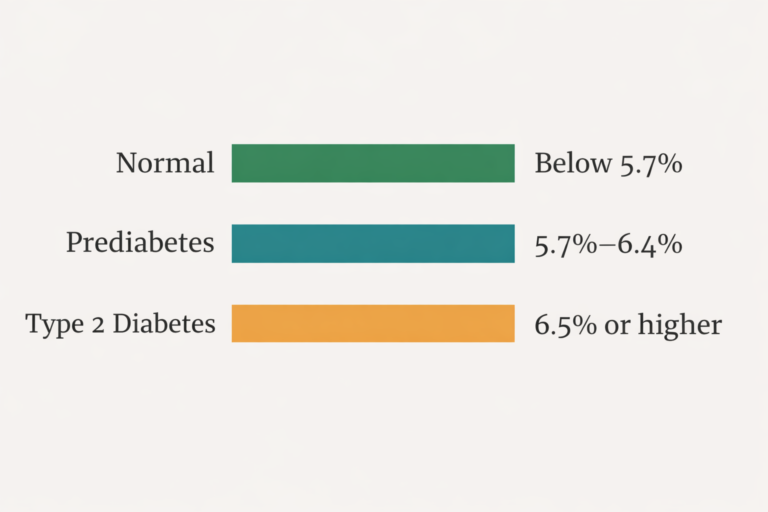
HbA1c every three months. This is the gold standard since it reflects your three-month average. A drop from 6.0 toward 5.6 is real progress. Know your starting line by reviewing the A1C ranges.
Waist circumference and weight. Belly fat drives insulin resistance, so a shrinking waist usually means improving glucose, even before the lab confirms it.
How you feel. Steadier energy, fewer afternoon crashes, and less constant hunger are early signs that insulin is calming down. Do not dismiss them just because they are not numbers.
Common mistakes that stall your progress
I made most of these myself, so consider this the shortcut.
Going too aggressive too fast. Jumping to 18:6 on day one usually ends in headaches and a midnight fridge raid. Ramp up slowly.
Overeating in the window. A shorter eating window is not a license to double portions. Calories still count for weight loss.
Drinking your calories. Sweet lattes, juice, and flavored sparkling drinks can quietly break your fast and spike glucose.
Ignoring the rest of your life. Fasting is one lever. Sleep, stress, movement, and food quality pull just as hard. Fasting alone rarely reverses prediabetes, as I explain in can prediabetes be reversed naturally.
Quitting at the first plateau. Glucose improvements are not linear. Give it eight to twelve weeks before judging results.
Who should not try intermittent fasting
Fasting is powerful, which also means it is not for everyone. Talk to your doctor before starting if any of these apply to you.
- You take insulin or sulfonylureas, which can cause dangerous low blood sugar during a fast.
- You are pregnant or breastfeeding.
- You have a history of disordered eating.
- You are underweight or frail.
- You have advanced kidney or liver disease.
If you are on medication, your dosing may need to change once you start fasting. That is a conversation for your prescriber, not a guess you make alone. Understanding your numbers first helps, so review the prediabetes A1C range explained.
If supplements interest you, I compared the research-backed options in best supplements for prediabetes to lower A1C and looked specifically at berberine and glycemic markers.
Related review
Thinking about adding a supplement?
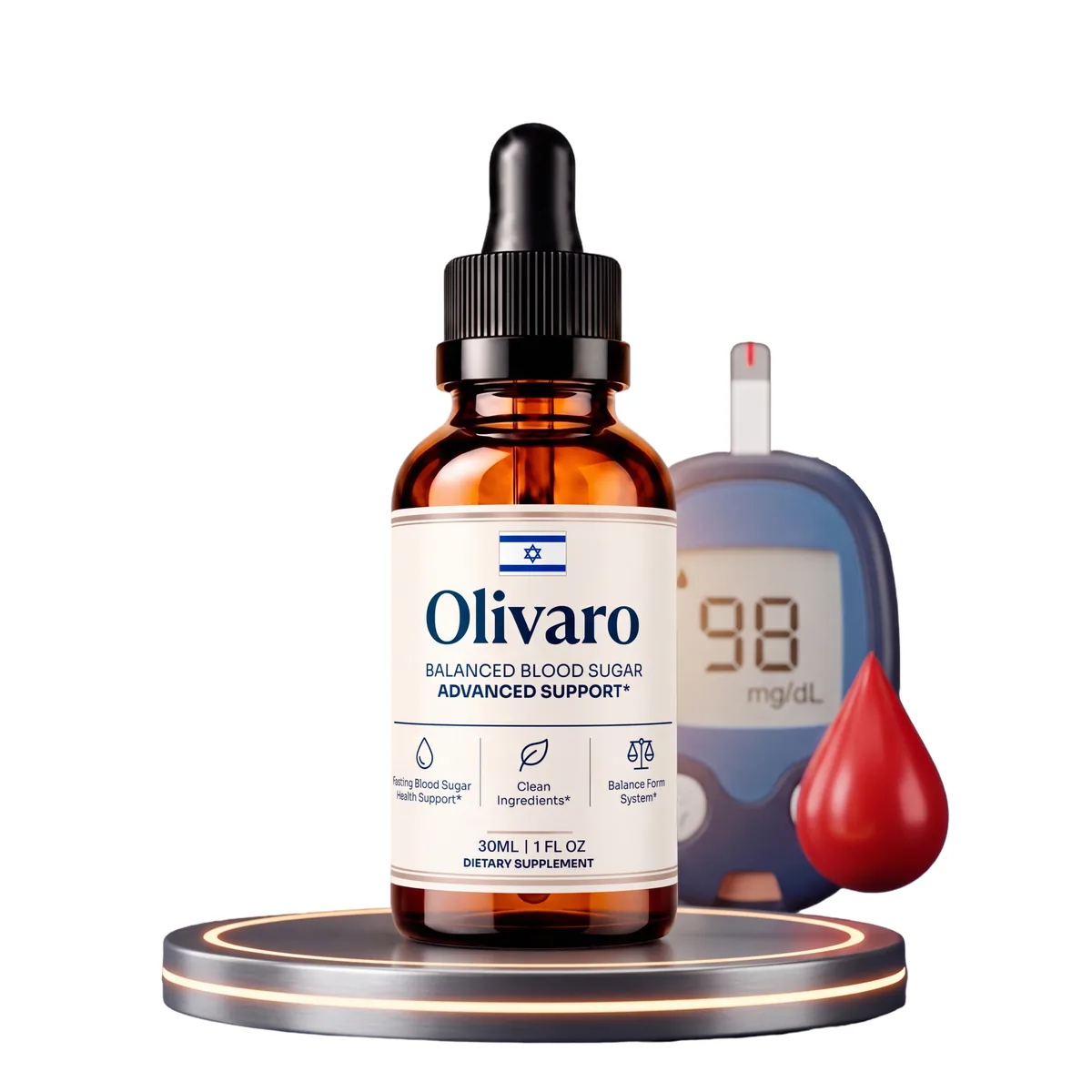
Habits come first. If you want to look at an extra, our Olivaro review reads the full label, the kit prices and the fine print of its 60-day guarantee, so you know what you would be buying.
Frequently asked questions
Can intermittent fasting reverse prediabetes on its own?
It can move your numbers in the right direction, but rarely on its own. Fasting works best combined with whole foods, regular movement, good sleep, and weight loss. Think of it as one strong tool in a larger toolkit.
What is the best fasting window for prediabetes?
For most people, 14:10 hits the sweet spot of meaningful benefit and real-world sustainability. Finishing your last meal earlier in the evening tends to help glucose more than late-night eating.
How long before I see results in my blood sugar?
Some people notice steadier fasting glucose within two to four weeks. Meaningful HbA1c changes usually take eight to twelve weeks since A1C reflects a three-month average.
Can I drink coffee while fasting?
Yes. Black coffee, plain tea, and water are fine and will not break your fast. Skip the sugar, cream, and sweet syrups, which spike insulin and defeat the purpose.
Is it safe to fast if I take metformin?
Metformin alone rarely causes low blood sugar, so many people fast safely on it. Still, clear it with your doctor first, especially if you take other glucose-lowering medications. If you are curious how the natural route measures up, I wrote a full look at berberine compared with metformin for prediabetes.
Will I lose muscle while intermittent fasting?
Not if you eat enough protein in your window and stay active. Adequate protein plus some resistance work protects muscle while you lose fat.
Medical disclaimer
This article is for general information only and is not medical advice. It is not a substitute for diagnosis or treatment by a qualified healthcare professional. Always consult your doctor before starting intermittent fasting, changing your diet, or taking any supplement, especially if you take medication or have a health condition.