You Don’t Need to Lose Weight to Reverse Prediabetes (New Study)
You Don’t Need to Lose Weight to Reverse Prediabetes (New Study)
If your doctor handed you a prediabetes diagnosis and a single instruction, “lose weight”, you are not alone. For decades, that has been the headline advice. But what if the scale was never the whole story?
A growing body of 2026 research suggests something genuinely freeing: you can reverse prediabetes without significant weight loss. The number on the scale matters far less than what is happening inside your muscles, your sleep, and your meals.

Quick Answer
No, you do not need to lose weight to reverse prediabetes. A 2026 analysis of the Prediabetes Lifestyle Intervention Study (PLIS) found people achieved prediabetes remission without losing weight, and sometimes after gaining a little, by improving insulin sensitivity and beta-cell function. Habits like post-meal walking, building muscle, better sleep, and more fiber lower blood sugar largely independent of weight change.
I’m Sarah Mitchell, and I write this blog because I lived this story. My A1C climbed to 6.1%, squarely in the prediabetes range. I brought it down to 5.4%, back to normal, and I did not do it by starving myself thin. I did it by changing how my body handled glucose. This article explains why that works, backed by the latest science.
The Old Assumption: Lose Weight or Else
The “just lose weight” message came from real data. Landmark trials like the Diabetes Prevention Program showed weight loss reduces diabetes risk. So weight loss became shorthand for the whole solution.
The problem is that this framing leaves a lot of people stuck. Some can’t lose much weight. Some lose it and regain it. And some are at a “normal” weight already and feel confused about why they have prediabetes at all.
Here is the key insight researchers now emphasize: weight loss is one route to better insulin sensitivity, not the destination itself. The destination is metabolic, how efficiently your cells pull sugar out of your blood.
If you want the full diagnostic picture first, our complete guide to prediabetes walks through causes, testing, and the reversal roadmap in plain English.
What the Numbers Actually Mean
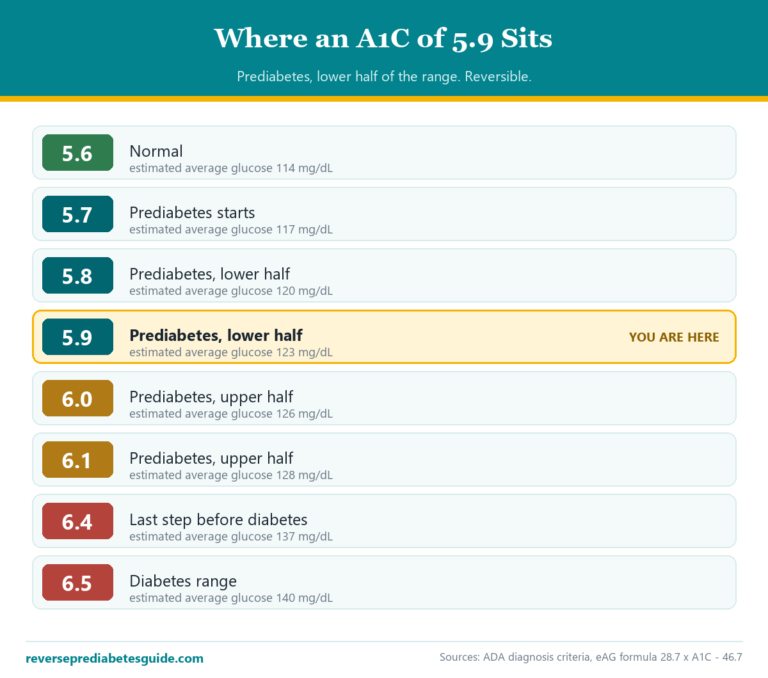
Prediabetes is defined by an A1C of 5.7% to 6.4%. Normal is below 5.7%, and diabetes begins at 6.5% or higher. According to the CDC, about 98 million U.S. adults, roughly 1 in 3, have prediabetes, and more than 80% don’t know it.
That A1C range is a window of opportunity, not a sentence. For a deeper breakdown, see prediabetes A1C levels explained.
The 2026 Study That Changed the Conversation
In 2026, scientists published a closely watched analysis of the Prediabetes Lifestyle Intervention Study (PLIS), a multicenter randomized controlled trial. Their finding made headlines: prediabetes remission was possible without weight loss, and in some cases even alongside slight weight gain.
You can read about the underlying trial framework through the PubMed research database, where this body of metabolic research is indexed.
So what separated the people who reversed prediabetes from those who didn’t, if not pounds lost?
It Was About Where Fat Lived, Not How Much
The responders, people who reached remission, tended to shift fat away from deep inside the abdomen (visceral fat, the dangerous kind around organs) toward fat just under the skin (subcutaneous fat). Their total weight didn’t necessarily change.
This matters because visceral fat drives chronic inflammation and disrupts insulin signaling, while subcutaneous fat is far more metabolically neutral. The result for responders was measurably better insulin sensitivity and improved beta-cell function, the cells in your pancreas that release insulin.
Translation: your body composition and metabolic behavior can improve dramatically while the scale sits still. That is the heart of why you don’t need to lose weight to reverse prediabetes for many people.
How Blood Sugar Improves Without the Scale Moving
Let’s get practical. Here are the mechanisms that boost insulin sensitivity largely independent of major weight loss, and the everyday habits that activate each one.
1. Your Muscles Are a Glucose Sponge
Skeletal muscle is the single largest site where your body disposes of blood glucose. When you contract a muscle, it pulls sugar out of your bloodstream without even needing insulin, an insulin-independent pathway triggered by movement itself.
Research summarized by the American Diabetes Association shows that after exercise, muscle stays more insulin-sensitive for 24 to 48 hours. You are essentially re-training your cells to listen to insulin again, no weight loss required.
This is why building and using muscle is one of the most powerful, underrated tools for prediabetes. More muscle means more storage space for glucose.
2. Walking After Meals Blunts the Spike
You don’t need a gym. A 10 to 15 minute walk after eating sends glucose straight into working leg muscles before it can pile up in your blood.
This single habit can meaningfully flatten post-meal blood sugar spikes. I leaned on it heavily during my own reversal, a short loop after dinner, every night. See the evidence in walking after meals and blood sugar.
3. Sleep and Stress Quietly Set Your Baseline
Poor sleep and chronic stress raise cortisol, which raises blood sugar and worsens insulin resistance, no calories involved. One rough night can push fasting glucose up the next morning.
Fixing sleep is not optional; it’s foundational. We cover the science in stress, sleep, and prediabetes.
4. Fiber Slows Everything Down
Fiber slows how fast glucose enters your bloodstream, feeds healthy gut bacteria, and improves insulin response, all while keeping you full. You can add fiber without cutting calories or losing weight.
For meal-level tactics, our guide on what to eat with prediabetes and the glycemic index of breakfast foods show how to slow the curve at every meal.
A Side-by-Side: Weight-Focused vs. Insulin-Focused Thinking
| Approach | Weight-Focused (old) | Insulin-Focused (new) |
|---|---|---|
| Main goal | Drop pounds | Improve how cells use insulin |
| Primary metric | Scale weight | Post-meal glucose, A1C, energy |
| Key habits | Calorie cutting | Post-meal walks, muscle, sleep, fiber |
| Emotional effect | Often discouraging | Empowering, progress without the scale |
| Works at “normal” weight? | Confusing | Yes, targets the real problem |
Neither approach forbids weight loss. If you lose weight, wonderful, it helps. The point is you have powerful levers that work regardless.
Where Supplements Can Support the Process
Habits do the heavy lifting. But certain supplements have evidence for supporting insulin sensitivity and blood sugar, which can complement, never replace, the lifestyle work above.
For example, a 2021 meta-analysis found berberine lowers fasting glucose comparably to some oral agents, with low hypoglycemia risk. Magnesium and vitamin D status are both linked to insulin sensitivity, with a 2020 cohort of 43,559 people tying higher vitamin D to lower diabetes risk in prediabetics.
If you want the vetted shortlist, start with our pillar on the best supplements for prediabetes to lower A1C, and our continually updated roundup of the best blood sugar supplements for 2026. For supplement-specific evidence, see berberine and glycemic markers.
Always talk to your doctor before adding supplements, especially if you take medication. The NIDDK offers solid, balanced guidance on diabetes prevention.
Related review
Thinking about adding a supplement?
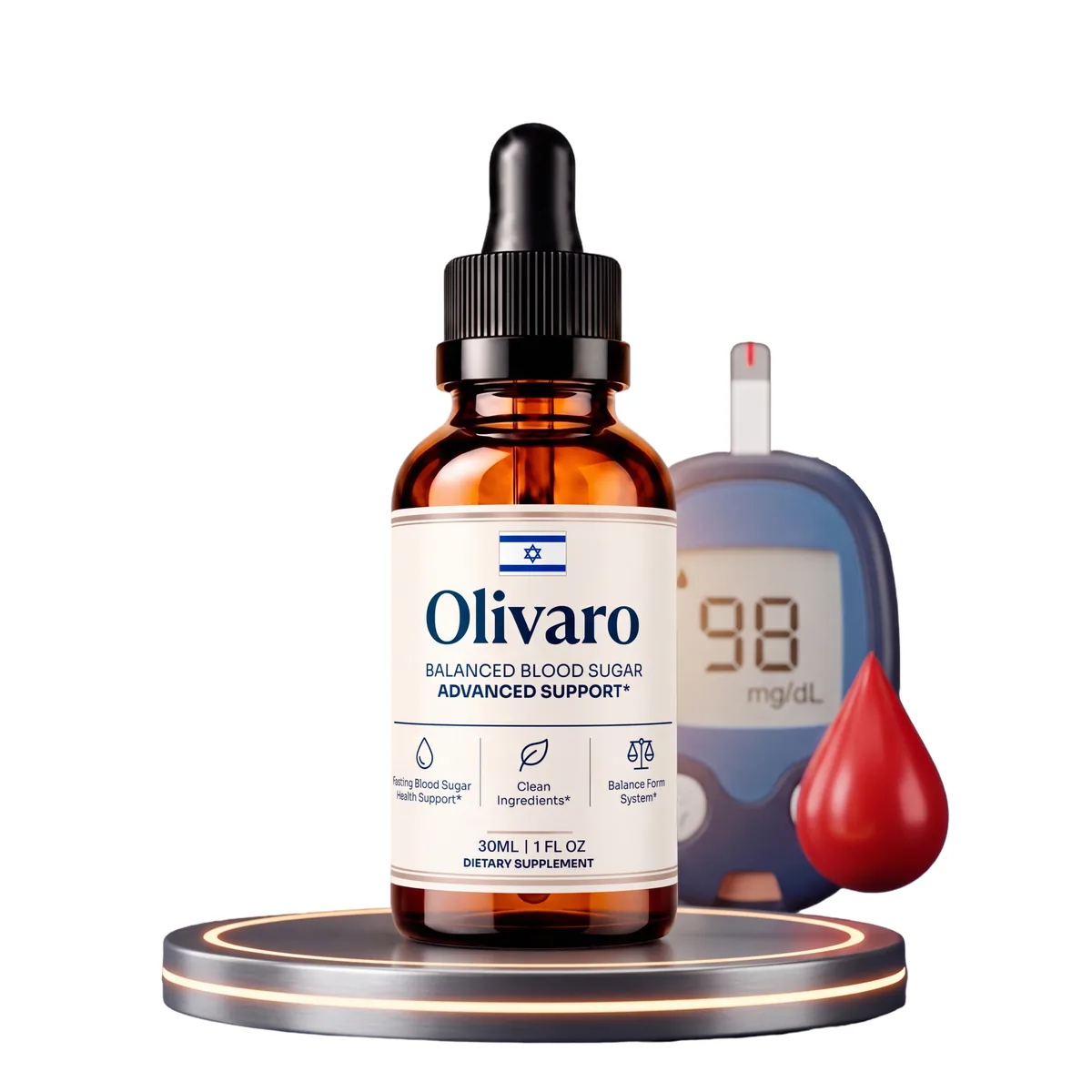
Habits come first. If you want to look at an extra, our Olivaro review reads the full label, the kit prices and the fine print of its 60-day guarantee, so you know what you would be buying.
What This Means for You, Starting This Week
You can act on this today without changing your weight target at all. A simple, evidence-based starting plan:
- Walk 10 to 15 minutes after your two largest meals. Begin tonight.
- Add resistance work twice a week. Bodyweight squats, bands, or light dumbbells all count.
- Protect 7 to 8 hours of sleep. Same wake time daily stabilizes glucose.
- Anchor every meal with fiber and protein. Vegetables, beans, eggs, fish.
- Recheck your A1C in about three months. Track the metric that matters.
If you were just diagnosed and want a structured path, follow our 30-day plan for the newly diagnosed. And yes, the evidence base for this whole idea is solid; see can prediabetes be reversed naturally.
For more on the cleanest path to a lower A1C without crash dieting, read the best way to lower A1C naturally. The Mayo Clinic also confirms that lifestyle change is the front-line strategy.
Key Takeaways
- A 2026 PLIS analysis found prediabetes remission without weight loss, sometimes with slight weight gain.
- What matters most is insulin sensitivity, beta-cell function, and where fat is stored (less visceral, more subcutaneous).
- Post-meal walks, muscle-building, quality sleep, and fiber improve blood sugar largely independent of the scale.
- Muscle pulls glucose from blood even without insulin, and stays insulin-sensitive 24 to 48 hours after exercise.
- Weight loss still helps if it happens, but it is not the only or required path.
- Supplements may support the process but never replace habits; check with your doctor.
Frequently Asked Questions
Can you really reverse prediabetes without losing weight?
Yes. A 2026 analysis of the PLIS trial documented prediabetes remission in people who did not lose weight, driven by improved insulin sensitivity and a healthier fat distribution. Lifestyle habits that boost how your cells use glucose can lower A1C even when your weight holds steady.
If weight loss isn’t required, what actually reverses prediabetes?
Improving insulin sensitivity. The biggest levers are using your muscles (walking after meals and resistance training), getting consistent quality sleep, managing stress, and eating more fiber. These directly change how efficiently your body clears blood sugar.
Does that mean I shouldn’t try to lose weight at all?
Not at all. If you carry excess visceral fat, losing weight still helps and often improves blood sugar fast. The point is that weight loss is one tool, not the only one, and you can make real progress while it stays flat.
How long does it take to see results without weight loss?
Many people see lower post-meal glucose within days of adding walks and fiber. A1C reflects roughly three months of blood sugar, so recheck it about 90 days after starting consistent changes. My own A1C went from 6.1% to 5.4% over a few months of habit change.
Can supplements reverse prediabetes on their own?
No. Supplements like berberine, magnesium, or vitamin D may support insulin sensitivity, but they work best layered on top of movement, sleep, and diet, not as a substitute. Always clear new supplements with your doctor, especially if you take medication.
Is it normal to have prediabetes at a healthy weight?
Yes, and it’s more common than people think. Genetics, muscle mass, sleep, stress, and visceral fat all influence blood sugar independent of overall weight. This is exactly why an insulin-sensitivity approach, rather than a scale-only approach, makes sense for so many people.