Berberine vs Metformin for Prediabetes: Which Works Better?
Berberine vs Metformin for Prediabetes: Which Works Better?
If you were just told your A1C is creeping into the prediabetes range, you have probably heard two words thrown around as if they were rivals: berberine and metformin. One is a plant compound you can buy on a shelf. The other is the most prescribed blood sugar medication in the world.
People online love to frame this as “natural supplement beats Big Pharma drug.” That framing is too simple, and frankly it can get you into trouble. The honest version is more interesting: and more useful when you are sitting in front of your doctor.
This question matters to a lot of people: roughly 98 million US adults have prediabetes, about 1 in 3, and more than 80% don’t even know it, according to the CDC. If you’re reading this, you’re already ahead of most of them.
I am Sarah Mitchell, and I write this blog because I walked this exact road. My A1C hit 6.1, my doctor said “prediabetes,” and I went home and fell down the berberine-versus-metformin rabbit hole at 11 p.m. Over the next months I brought my A1C down to 5.4: with food, walking, and yes, a targeted supplement. So let me save you the late-night confusion and lay this out plainly.
What Are We Actually Comparing?
Before the head-to-head, it helps to know what each one is and how it works. They are not as different mechanically as their reputations suggest.
Metformin in plain English
Metformin is a prescription drug, usually the first one doctors reach for in type 2 diabetes. It mainly tells your liver to dump less sugar into your bloodstream and makes your cells a bit more responsive to insulin. It has been used since the 1950s, so its safety record is enormous.
For prediabetes specifically, metformin is not automatically prescribed. The American Diabetes Association suggests doctors consider it for higher-risk people: for example, those under 60, with a BMI of 35 or more, or women with a history of gestational diabetes. You can read the ADA’s framing on their official site.
Berberine in plain English
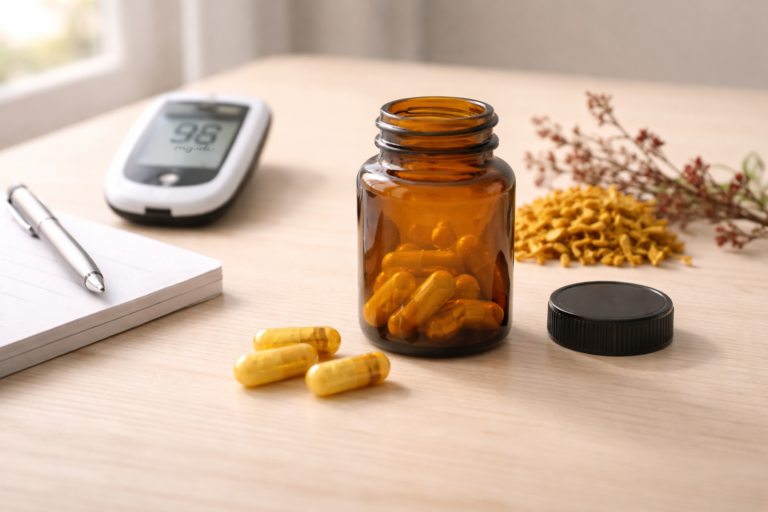
Berberine is a bright-yellow compound extracted from plants like goldenseal, barberry, and Oregon grape. It has been used in traditional Chinese and Ayurvedic medicine for centuries, but modern interest exploded once researchers noticed it activates an enzyme called AMPK: the same metabolic “master switch” that metformin nudges.
That shared pathway is exactly why berberine keeps getting compared to metformin. They are knocking on some of the same doors inside your cells. We dig deeper into the mechanism and data in our guide to berberine and glycemic markers.
Berberine vs Metformin for Prediabetes: The Head-to-Head Table
Here is the comparison most people came for. I have kept the numbers conservative and tied to published research rather than supplement-marketing hype.
| Factor | Berberine | Metformin |
|---|---|---|
| What it is | Plant-derived supplement (OTC) | Prescription medication |
| Main mechanism | Activates AMPK; reduces liver glucose output | Activates AMPK; reduces liver glucose output; improves insulin sensitivity |
| Glucose lowering | Comparable to metformin in head-to-head trials; sometimes slightly greater | Strong, well-documented; the long-standing benchmark |
| A1C effect | Meaningful reductions in trials, similar range to metformin | Reliable A1C reductions, decades of data |
| Common side effects | GI upset, but often milder than metformin in comparison studies | GI upset (nausea, diarrhea); possible B12 depletion long-term |
| Hypoglycemia risk | Low | Low (on its own) |
| Regulation | Unregulated supplement; quality varies by brand | FDA-regulated; consistent dosing |
| Prescription needed? | No | Yes |
| Typical cost | ~$15, $40/month (varies widely) | Often $4, $10/month generic with insurance |
| Long-term safety data | Promising but limited | Extensive, multi-decade |
The single most important row in that table is the last one. We have sixty-plus years of metformin safety data and only a handful of years of decent berberine trials. “Comparable in a 12-week study” is not the same as “comparable over a decade.”
What the Research Actually Shows
Let’s get specific, because “studies say” is where most articles wave their hands.
On glucose and A1C
A 2025 randomized clinical trial compared berberine and metformin head-to-head in 90 newly diagnosed prediabetic adults, dosing each at 500 mg twice daily for 12 weeks. Berberine reduced fasting plasma glucose by about 12.6 mg/dL versus metformin’s 10.8 mg/dL: a small numerical edge for berberine, with both clearly working.
Zoom out to type 2 diabetes and the pattern holds. A 2021 meta-analysis found berberine lowers fasting glucose comparably to some oral agents, with a low risk of hypoglycemia. Larger pooled analyses of diabetic patients have repeatedly found berberine and metformin roughly equivalent on glucose, with berberine occasionally nudging ahead on A1C, fasting glucose, and post-meal glucose.
You can browse this literature yourself on PubMed: search “berberine metformin glycemic” and you will find the trials referenced here.
On side effects and tolerability
This is where berberine quietly shines. In that 2025 prediabetes trial, gastrointestinal side effects were milder in the berberine group (around 20%) than the metformin group (around 30%). For people who tried metformin and couldn’t tolerate the stomach upset, that difference is not academic: it’s the whole reason they’re reading this.
That said, berberine is not side-effect-free. It commonly causes cramping, constipation, or diarrhea, especially when you start at a full dose. And because it is a supplement, what’s actually in the bottle can vary brand to brand.
The Doctor-First Reality (Please Read This Part)
I will be blunt because it matters. Berberine performing well in studies does not mean you should swap a prescribed metformin for a supplement on your own. And it does not mean you should start berberine quietly without telling anyone.
Two reasons:
- Drug interactions are real. Berberine affects liver enzymes (CYP450) that metabolize many medications, including blood thinners and some heart and blood pressure drugs. Stacking it on top of a complex medication list without medical input is a genuine risk. For background on how prediabetes is managed medically, the NIDDK is a reliable starting point.
- Supplements aren’t dose-standardized. Your metformin is exactly 500 mg every time. Two berberine brands can deliver very different real-world doses and purity.
So the smart play is to bring this article’s questions to your appointment. If you need help knowing what to ask, our list of 6 questions to ask your doctor about prediabetes pairs perfectly with this one. And if you are wondering whether a supplement could ever stand in for a drug, read our honest take on whether supplements can replace prediabetes medication first.
Cost, Access, and Real-Life Convenience
For many readers, the deciding factors aren’t in a journal: they’re in your wallet and your daily routine.
- Metformin is dirt cheap with insurance (often $4, $10/month generic) but requires a prescription and a doctor willing to write it for prediabetes, which not all are.
- Berberine needs no prescription and you can start tomorrow, but you pay out of pocket and quality control is on you.
There’s also the psychological piece. Some people feel a prescription “medicalizes” prediabetes in a way that scares them; others feel a supplement isn’t “serious” enough. Neither feeling is the science: but both drive real decisions, so it’s worth naming.
Where a Berberine Supplement Fits In
If you and your doctor decide a natural-first approach makes sense: common for people in the 5.7 to 6.0 A1C range who want to try lifestyle plus a supplement before any drug: berberine is one of the most evidence-backed options on the shelf. It rarely works alone, though. The best results pair it with the food and movement changes that move A1C the most.
Some people prefer a single, well-formulated blend rather than juggling separate bottles of berberine, chromium, and cinnamon. That’s where a combination formula can simplify things.
Related review
Prefer one blend over several bottles?
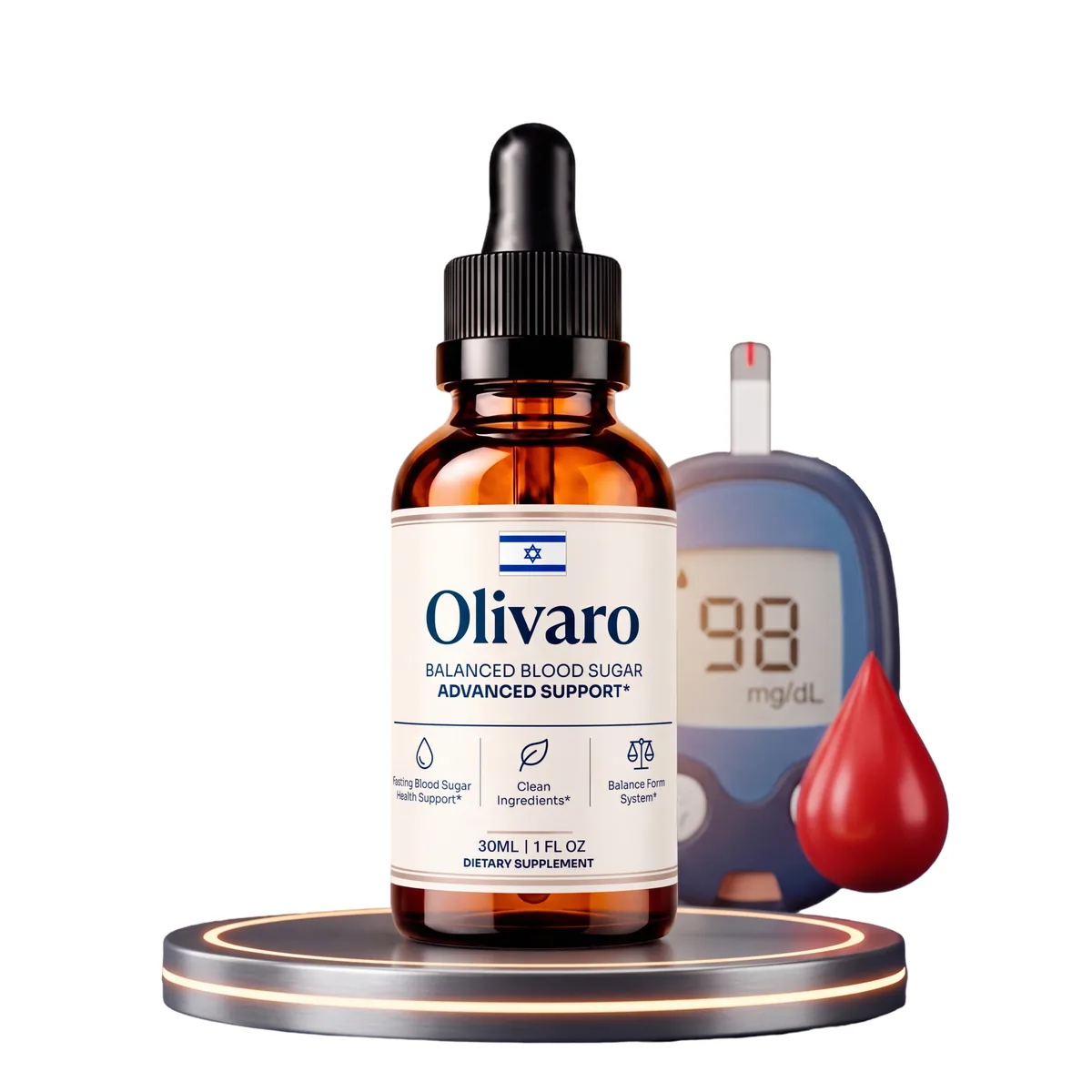
Olivaro combines chromium picolinate with a 200 mg blend of 22 plant ingredients in one daily liquid. Our review reads its full label, the kit prices and the refund fine print.
Want to compare before you buy? Our Olivaro review reads one liquid blend’s label line by line, and our full best blood sugar supplements of 2026 roundup covers the other options. For the broader supplement landscape, our pillar on the best supplements for prediabetes to lower A1C is the place to start.
Berberine vs Metformin: How to Decide
Here’s the framework I’d give a friend:
| Lean toward… | If you… |
|---|---|
| Metformin | Are higher-risk (younger, higher BMI, history of gestational diabetes), want the most-studied option, and your doctor recommends it |
| Berberine | Are in early prediabetes, want a natural-first trial, couldn’t tolerate metformin’s GI effects, and your doctor signs off on interactions |
| Both / neither yet | Want to lead with diet, walking, and sleep first: the foundation that beats any pill or powder alone |
Whatever you choose, the lifestyle layer underneath it matters most. A short walk after meals can blunt glucose spikes immediately, and what you put on your plate: covered in our prediabetes diet guide: does heavier lifting than most people expect. If you’re brand new to all this, start with our complete guide to prediabetes.
- In head-to-head prediabetes and diabetes studies, berberine and metformin lower glucose and A1C by roughly comparable amounts.
- Berberine often causes milder GI side effects than metformin, making it appealing for people who couldn’t tolerate the drug.
- Metformin wins decisively on regulation and decades of long-term safety data; berberine’s long-term evidence is still thin.
- Berberine can interact with medications: never stack it on a drug list without your doctor’s input.
- Neither replaces diet, movement, and sleep, which remain the foundation of reversing prediabetes.
Related comparisons:
Frequently Asked Questions
Is berberine as effective as metformin for prediabetes?
In direct comparison studies, berberine lowers fasting glucose and A1C by amounts similar to metformin, sometimes with a slight numerical edge. However, these trials are short (often 12 weeks), so “as effective” is best read as “comparable in the short term,” not proven equal over years.
Can I take berberine instead of metformin?
Only with your doctor’s approval. If you’ve been prescribed metformin, do not stop it to self-treat with a supplement. If you’re not on any medication yet, some doctors are open to a lifestyle-plus-berberine trial in early prediabetes: but that’s a shared decision, not a solo one.
Does berberine have fewer side effects than metformin?
Often, yes. Comparison studies have found milder gastrointestinal side effects with berberine. That said, berberine still commonly causes cramping or diarrhea, especially at full doses, and it can interact with medications metformin doesn’t.
How much berberine equals metformin?
Many trials used 500 mg of berberine two or three times daily, mirroring common metformin dosing. But because supplement potency varies by brand, there’s no exact “equivalent” dose. Work from a trial-backed amount and confirm it with your doctor or pharmacist.
Can I take berberine and metformin together?
Some people do, but only under medical supervision. Both lower glucose through overlapping pathways, so combining them could increase the risk of low blood sugar or amplify side effects. Your doctor should weigh in before you stack them.
Is berberine safe long-term?
Short-to-medium-term studies look reassuring, but we lack the multi-decade safety data that metformin has. Until that exists, treat berberine as promising rather than proven for years-long use, and check in with your doctor periodically.
Curious how berberine compares to other natural options, or what the underlying glucose numbers even mean? Explore our cinnamon evidence review and our plain-English breakdown of prediabetes A1C levels explained.
The bottom line: berberine is a genuinely impressive natural compound that holds its own against metformin on glucose: but metformin’s regulation and track record are real advantages, and the choice is your doctor’s to make with you. I reversed my own prediabetes with food, walking, and a smart supplement, not by picking a winner in an internet argument. Build the foundation first, then let this comparison inform: not replace: that conversation.