
Apple Cider Vinegar for Blood Sugar: What Studies Show
Affiliate Disclosure: This article contains affiliate links. If you purchase through one of them, I may earn a small commission at no extra cost to you. I only recommend products I would feel comfortable suggesting to my own family. See my full affiliate disclosure for details.
Quick Answer
Apple cider vinegar can modestly help blood sugar control in people with prediabetes. The acetic acid in vinegar slows how fast carbohydrates turn into glucose, which lowers the spike you get after meals. Most studies show 1 to 2 tablespoons diluted in water before a carb-heavy meal produces a small but real improvement in post-meal glucose, and some longer trials show slight drops in fasting glucose and A1C. It is a helpful supporting habit, not a cure, and it works best alongside diet changes, movement, and a blood-sugar supplement strategy.
When I was first diagnosed with prediabetes and my A1C sat at 6.1, apple cider vinegar was one of the first things people kept telling me to try. My neighbor swore by it. A friend at church said her cousin “reversed her sugar” with a shot of it every morning. So I did what any nervous, freshly diagnosed person does. I bought a bottle, took a sip straight from it, and nearly coughed up a lung. That is when I decided to actually read the research on apple cider vinegar and blood sugar for prediabetes instead of trusting kitchen-table advice.
What I found surprised me. Apple cider vinegar is not magic, and anyone promising it will reverse prediabetes on its own is selling you something. But the science behind it is more solid than I expected for a $5 grocery store item. There is real, measurable evidence that vinegar blunts blood sugar spikes after meals, and a handful of longer studies suggest it can nudge fasting glucose and A1C in the right direction over time.
In this guide I am going to walk you through exactly what the research says, how I actually use it, the mistakes that can hurt you, and where it fits in a bigger plan to bring your numbers down. I will be honest about its limits, because honesty is the whole point when your health is on the line.

Key Takeaways
- The active ingredient is acetic acid, which slows stomach emptying and carbohydrate digestion.
- The strongest, most consistent benefit is a smaller blood sugar spike after carb-heavy meals.
- A typical dose is 1 to 2 tablespoons diluted in a large glass of water, taken just before eating.
- Some longer studies show modest reductions in fasting glucose and A1C, but the effect is small.
- Always dilute it. Undiluted vinegar can damage tooth enamel and irritate your throat.
- It works best as one piece of a complete plan, not a standalone fix.
What This Article Covers
- How apple cider vinegar affects blood sugar
- What the research actually shows
- How to use apple cider vinegar safely
- ACV vs other natural blood sugar remedies
- Common mistakes and side effects
- Where ACV fits in a complete prediabetes plan
- Frequently asked questions
How Apple Cider Vinegar Affects Blood Sugar
The thing doing the work in apple cider vinegar is not the apples. It is acetic acid, the same compound that gives all vinegar its sharp, sour bite. When you take vinegar before or with a meal, the acetic acid does a few useful things at once.
First, it slows down how quickly your stomach empties food into your small intestine. When food sits a little longer, the carbohydrates in your meal break down into glucose more gradually. Instead of a sharp sugar spike, you get a gentler rise. Second, acetic acid appears to improve how sensitive your muscle tissue is to insulin in the short term, which means your body can clear glucose from the blood a bit more efficiently after eating.
For someone with prediabetes, that post-meal spike is exactly the problem. If you have been reading my guide to the prediabetes A1C range, you know that those repeated glucose surges after meals are part of what drives your A1C upward over months. Anything that flattens those spikes, even modestly, is worth understanding.
Here is the honest part. The effect is real but it is not huge. Apple cider vinegar will not cancel out a plate of pasta and dessert. Think of it as taking the sharp edge off a spike, not erasing it.
What the Research Actually Shows
This is where I want to be careful, because there is a lot of exaggeration online. Let me give you the real picture.
The most reliable finding, repeated across many small trials, is that vinegar reduces the glucose spike after a carbohydrate-rich meal. A systematic review and meta-analysis of clinical trials found that vinegar consumption meaningfully blunted both post-meal glucose and insulin responses. That is the benefit with the most evidence behind it.
For longer-term effects on fasting glucose and A1C, the picture is more mixed but still encouraging. A 2025 GRADE-assessed systematic review and dose-response meta-analysis of controlled trials in people with type 2 diabetes reported that apple cider vinegar significantly reduced fasting blood sugar and HbA1c while improving insulin levels. A separate randomized controlled trial published in 2023 found that daily apple cider vinegar improved blood glucose and lipid markers in diabetic patients over eight weeks.
Now the caveats. Most of these studies are small. Many were done in people who already have type 2 diabetes rather than prediabetes specifically. Trial designs vary, doses vary, and the size of the benefit is modest. The U.S. National Library of Medicine and the American Diabetes Association both treat vinegar as a possible supporting tool, not an approved treatment. You can browse the underlying studies yourself through PubMed if you want to read them directly, and the American Diabetes Association is a good source for what is officially recommended.
My honest takeaway after reading through this: apple cider vinegar earns a spot as a low-cost, low-risk habit that gives a small, genuine benefit. It does not earn the right to be your whole strategy. If you want the bigger view on what is realistic, my article on whether prediabetes can be reversed naturally sets honest expectations.
How to Use Apple Cider Vinegar Safely
This part matters more than people think, because the wrong approach can actually hurt you. Here is the routine I settled on after a lot of trial and error.

Start small. Begin with 1 teaspoon in a large glass of water and see how your stomach handles it. If you feel fine after a few days, you can work up to 1 tablespoon, and eventually up to 2 tablespoons total per day if it agrees with you.
Always dilute. Never drink it straight. I learned that the hard way. Mix it into at least 8 ounces of water. Undiluted vinegar is acidic enough to wear down tooth enamel and irritate the soft tissue in your throat and esophagus.
Time it with meals. The biggest benefit comes when you take it just before or at the start of a carbohydrate-containing meal. That is when it can do the most to slow the resulting glucose rise.
Protect your teeth. Drink it through a straw if you can, and rinse your mouth with plain water afterward. Do not brush your teeth immediately after, since the enamel is temporarily softened by the acid.
Choose raw, unfiltered vinegar. The cloudy “mother” you see floating in raw apple cider vinegar is the type used in most of the studies. Pills and gummies exist, but the dosing is less consistent and they are pricier per serving.
ACV vs Other Natural Blood Sugar Remedies
Apple cider vinegar is one of several natural options people reach for. Here is how it stacks up against the others I have researched and written about, plus where an all-in-one supplement fits in.
| Remedy | Strength of Evidence | Main Benefit | Trade-offs |
|---|---|---|---|
| Apple Cider Vinegar | Moderate | Smaller post-meal glucose spike | Sour taste, enamel risk, must dilute |
| Berberine | Strong | Lowers fasting glucose and A1C | Digestive upset, drug interactions |
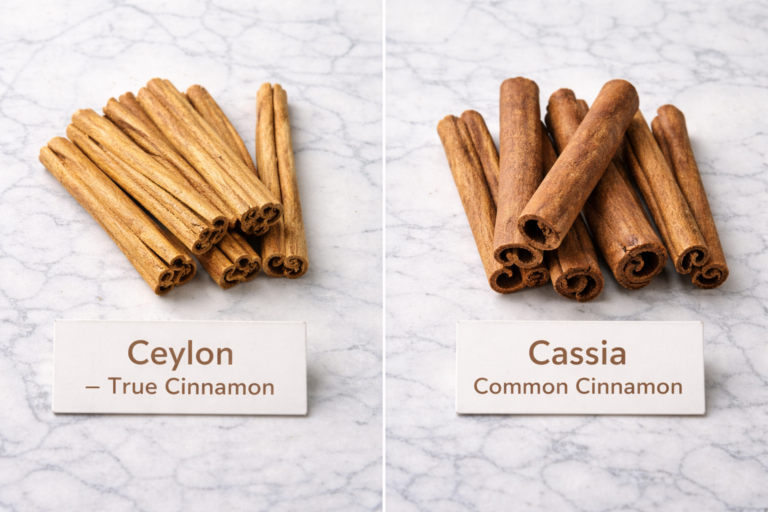
| Cinnamon | Mild to moderate | Modest fasting glucose support | Cassia type has coumarin liver risk |
| Chromium | Mild | May improve insulin sensitivity | Benefit mainly if you are deficient |
| All-in-one blends (for example Olivaro) | Several ingredients in one product | One daily routine instead of several bottles | Doses often hidden in a proprietary blend |
If you want the deeper dives, I have full breakdowns on berberine and glycemic markers and on the evidence behind cinnamon and blood sugar. The honest summary is that no single ingredient is a silver bullet. They each tug your numbers in the right direction a little, and the people who see the best results tend to stack a few smart habits together rather than betting everything on one bottle.
Common Mistakes and Side Effects
I want to save you from the missteps I see over and over in prediabetes groups.
Drinking it undiluted. This is the big one. It tastes harsh and it is rough on your teeth and throat. There is no benefit to taking it straight.
Taking too much. More is not better. Large amounts can cause nausea, low potassium over time, and digestive discomfort. Stay within 1 to 2 tablespoons per day.
Using it to justify bad meals. A splash of vinegar does not give you a free pass on a giant carb load. The spike-blunting effect is modest, not miraculous.
Ignoring medication interactions. If you take diabetes medication, insulin, or diuretics, talk to your doctor first. Vinegar can interact with how some drugs handle blood sugar and potassium.
Expecting it to work alone. This is the quietest mistake and the most common. People drink their vinegar and skip the walk, the sleep, and the food changes. Vinegar is a small lever. The big levers are still diet, movement, and weight.
Where ACV Fits in a Complete Prediabetes Plan

Here is the framework I wish someone had handed me on day one. Apple cider vinegar is a supporting actor in this plan, never the lead.
Food first. Cutting back on refined carbs and added sugar moves your numbers more than anything else. Vinegar before a meal helps, but what is on the plate matters more.
Move after you eat. Even a ten-minute walk after meals helps your muscles pull glucose out of your blood. Pair it with your pre-meal vinegar and you are hitting the same spike from two angles.
Sleep and stress. Poor sleep and chronic stress both raise blood sugar. This is the part most people ignore and then wonder why their numbers stall.
Smart supplementation. This is where a thoughtful supplement can carry some of the load. Rather than juggling vinegar, berberine, cinnamon, and chromium separately, many people prefer a single formula. My roundup of the best supplements for prediabetes to lower A1C walks through the options, and my guide to supplements that support reversing prediabetes goes deeper still.
Patience and tracking. Reversal takes months, not weeks. If you want a realistic timeline, read how long it takes to reverse prediabetes. And for the full roadmap, start with my complete guide to prediabetes and my breakdown of the best ways to lower A1C naturally.
That is exactly how I got my own A1C from 6.1 down to 5.4. It was not the vinegar that did it. It was the whole stack of small, boring, consistent habits, with vinegar as one helpful piece of the puzzle.
Related review
Curious about a supplement too?
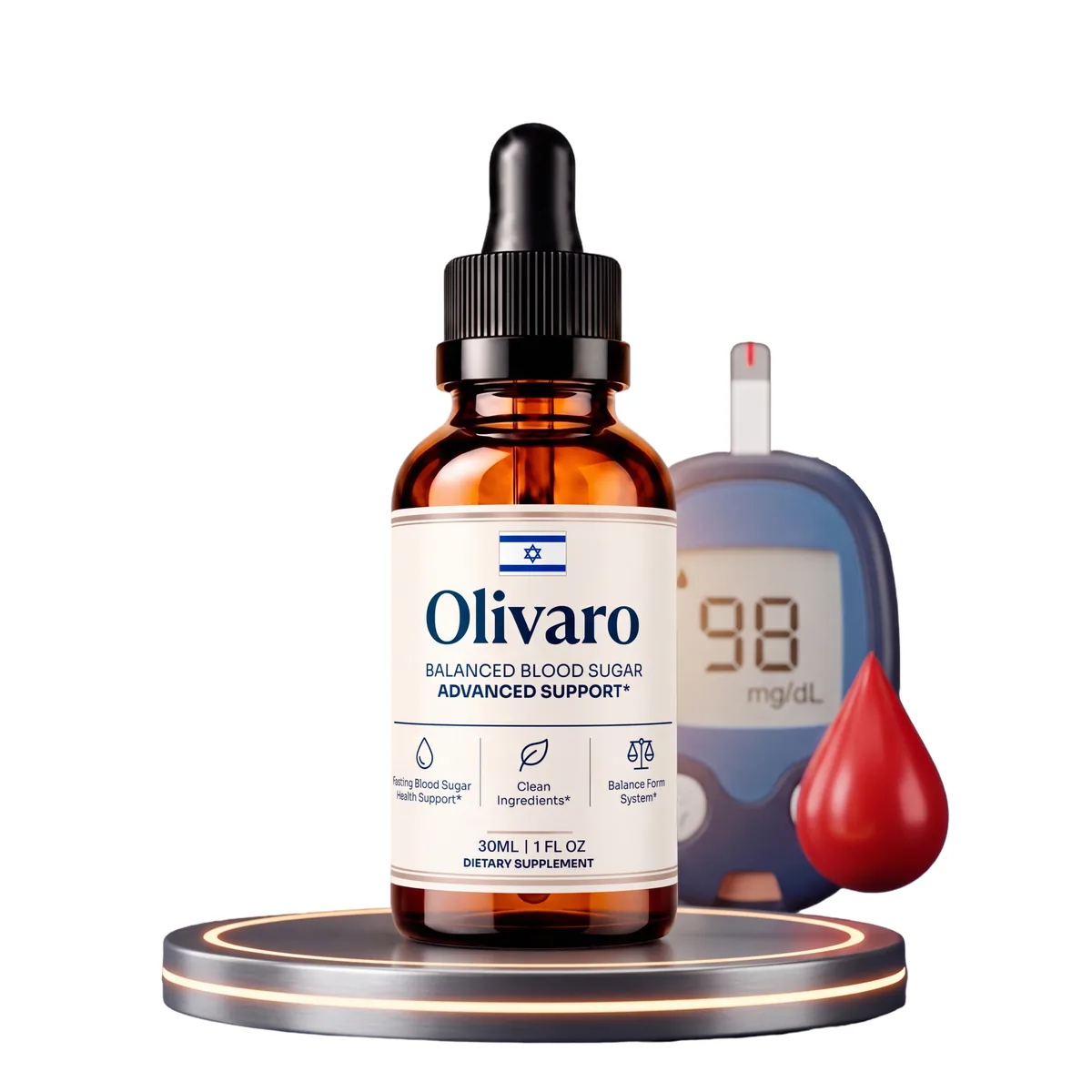
Food does the heavy lifting. If you also wonder about Olivaro, a liquid sold for blood sugar support, our review shows what its label lists, what it costs and how its guarantee works.
Frequently Asked Questions
How much apple cider vinegar should I take for blood sugar?
Most studies use 1 to 2 tablespoons per day, diluted in a large glass of water and taken just before a carbohydrate-containing meal. Start with 1 teaspoon to see how your stomach reacts, then work up gradually.
Does apple cider vinegar lower A1C?
Some longer studies show small reductions in A1C, but the effect is modest. The most consistent benefit is a smaller blood sugar spike after meals. Do not expect vinegar alone to move your A1C dramatically.
When is the best time to drink it?
Just before or at the start of a meal that contains carbohydrates. That timing lets the acetic acid slow how quickly those carbs raise your blood sugar.
Can apple cider vinegar replace my diabetes medication?
No. Never stop or change prescribed medication on your own. Vinegar is a supporting habit, not a replacement for treatment. Talk to your doctor before combining it with any medication.
Are apple cider vinegar gummies as effective as liquid?
The research was mostly done with liquid vinegar, so dosing with gummies is less predictable and usually more expensive per serving. If you tolerate the liquid, that is the better-studied choice.
Is apple cider vinegar safe to take every day?
For most people, 1 to 2 tablespoons diluted in water daily is fine. Always dilute it, protect your teeth, and check with your doctor if you take medication for blood sugar, blood pressure, or have kidney concerns.
Medical Disclaimer
This article is for educational purposes only and is not medical advice. I am not a doctor. The information here reflects published research and my personal experience, but it cannot replace guidance from a qualified healthcare professional. Always talk to your doctor before changing your diet, starting a supplement, or adjusting any medication, especially if you have prediabetes, diabetes, or another health condition.