
Are There Supplements That Help Reverse Prediabetes?
Are There Supplements That Help Reverse Prediabetes?
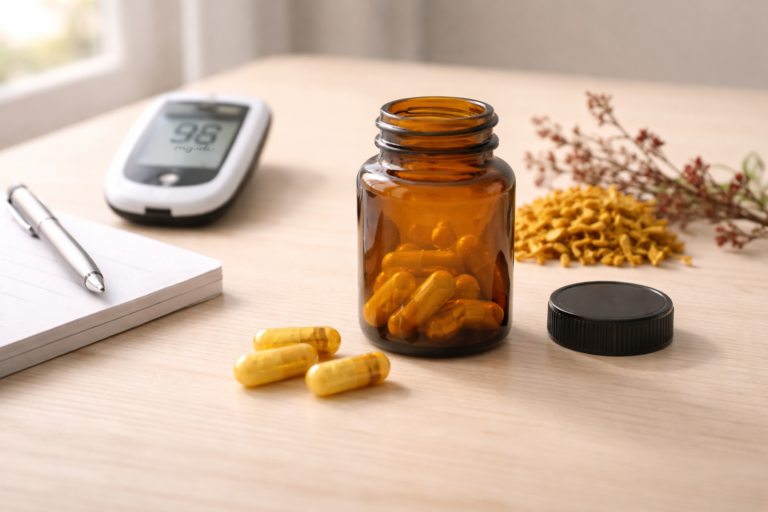
If you’ve just been told your A1C is creeping into the prediabetes range, the supplement aisle suddenly feels very loud. Every bottle promises “balanced blood sugar.” So it’s a fair, honest question: are there supplements that help reverse prediabetes, or is it all marketing?
The short version is yes, a handful have legitimate research behind them, but the word “reverse” needs context. Supplements are helpers, not heroes. Let’s separate the evidence from the hype.
Quick Answer: A few supplements (berberine, magnesium, vitamin D, alpha-lipoic acid, cinnamon, and chromium) have research showing they can modestly improve fasting glucose, A1C, or insulin sensitivity. But “reverse prediabetes” means getting your A1C back below 5.7%, and that’s driven mainly by diet, movement, and sleep. Supplements support that effort, they don’t replace it.
What “Help Reverse” Actually Means
Reversing prediabetes is not a mystery. It means moving your A1C from the prediabetes range (5.7%–6.4%) back down into normal territory (below 5.7%), and keeping it there.
That’s the standard. So when we ask whether a supplement “helps reverse” prediabetes, we’re really asking: does this product help move that number, and does it hold?
According to the CDC, about 98 million American adults, roughly 1 in 3, have prediabetes, and more than 80% don’t know it. The good news is that prediabetes is highly reversible. The catch is that the foundation is lifestyle, not pills.
I’m Sarah Mitchell, and I went through this myself. My A1C hit 6.1, and over about a year I brought it down to 5.4. Supplements were part of my routine, but they were maybe 20% of the story. Walking after meals, swapping my breakfast, and fixing my sleep did the heavy lifting.
The Honest Hierarchy
Think of it like building a house. Diet and movement are the foundation and walls. Sleep and stress management are the roof. Supplements? They’re the insulation, useful, real, and worth having, but useless without a structure around them.
One encouraging 2026 study published in Nature Medicine (a post-hoc analysis of the PLIS lifestyle trial) found that nearly 1 in 4 people reached prediabetes remission without significant weight loss, driven by reduced visceral fat and improved insulin sensitivity. If you want the deeper dive on that, see you don’t need to lose weight to reverse prediabetes.
The point: the levers that matter most are lifestyle levers. Supplements can nudge the biology in the same direction.
The Short List: Supplements With Real Evidence
Here’s the honest shortlist. These aren’t miracle cures, but each has human research showing a measurable effect on glucose, insulin sensitivity, or A1C.
| Supplement | What the research suggests | Strength of evidence |
|---|---|---|
| Berberine | Lowers fasting glucose comparably to some oral agents; low hypoglycemia risk | Strong (multiple meta-analyses) |
| Magnesium | Improves insulin sensitivity, especially in people who are deficient | Moderate to strong |
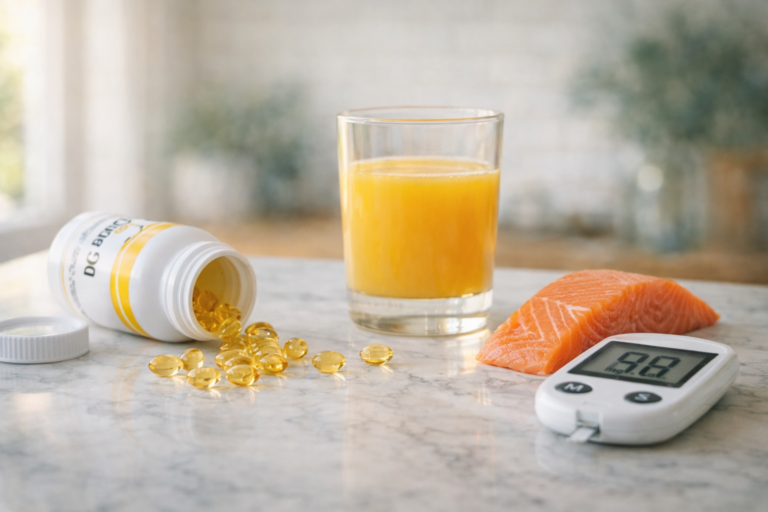
| Vitamin D | Higher status linked to lower diabetes risk in prediabetics | Moderate |
| Alpha-lipoic acid | Antioxidant that may improve insulin sensitivity and nerve health | Moderate |
| Cinnamon | Modestly reduces fasting glucose and insulin resistance | Moderate (mixed) |
| Chromium | May improve glucose metabolism, mostly in those with low intake | Weak to moderate |
Berberine: The Standout
If one supplement earns the most attention, it’s berberine. A 2021 meta-analysis found berberine lowers fasting glucose at a level comparable to some oral diabetes medications, with a low risk of hypoglycemia. The evidence quality for fasting glucose and A1C was rated moderate, which is genuinely strong for a botanical.
That’s why berberine is often compared head-to-head with metformin. It’s not the same thing, and it isn’t a replacement, but the parallel is real. We break down the comparison in berberine vs metformin for prediabetes and the detailed marker data in berberine and glycemic markers.
One important note: berberine can interact with medications and isn’t recommended in pregnancy. This is exactly the kind of thing to raise with your doctor.
Magnesium: The Quiet Foundation
Magnesium is involved in how your cells respond to insulin, and many adults run low. Correcting a deficiency can meaningfully improve insulin sensitivity. It’s affordable, well-tolerated, and an easy first conversation to have. More in magnesium and insulin resistance.
Vitamin D: The Risk Modifier
A 2020 cohort of 43,559 people found higher vitamin D status was linked to lower diabetes risk among those with prediabetes. It’s less about a dramatic A1C drop and more about tilting the long-term odds in your favor, especially if you’re deficient. See the vitamin D prediabetes study.
Cinnamon, ALA, and Chromium
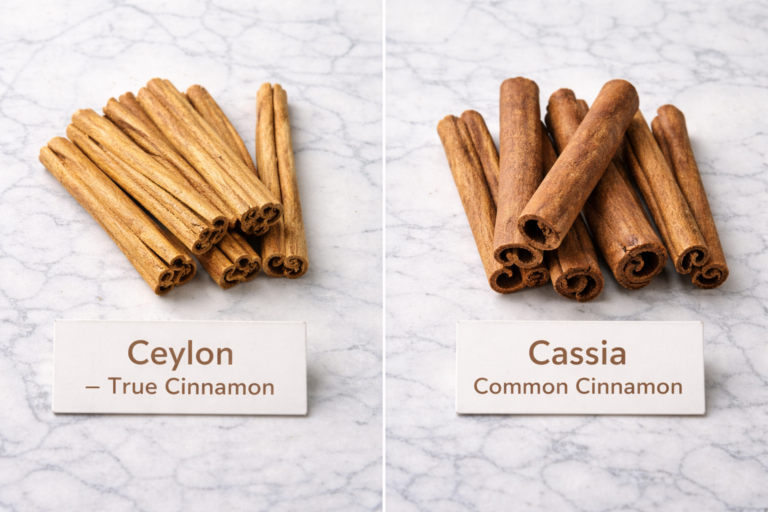
A 2019 meta-analysis of 16 trials (1,098 people) found cinnamon modestly reduces fasting glucose and insulin resistance, though results vary. Alpha-lipoic acid and chromium have lighter evidence but can fit certain situations. Explore the cinnamon evidence, alpha-lipoic acid, and chromium picolinate.
Why No Supplement “Reverses” Prediabetes on Its Own
Here’s where honesty matters most. No capsule has ever been shown, in a quality trial, to take someone from prediabetes to normal A1C all by itself, with no other change.
The effect sizes from supplements are real but modest, often a fraction of an A1C point. The effect sizes from consistent diet and movement are larger and more durable. A simple habit like walking after meals can blunt glucose spikes immediately.
Combine that with a smarter plate, what to load up on and what to limit, and you’ve got the real engine. Start with the prediabetes diet and a structured 7-day meal plan.
The NIDDK and the American Diabetes Association both center lifestyle change as the proven path. Supplements are an adjunct, never the plan.
The Smart Way to Use Supplements
- Fix the foundation first. Get diet, movement, and sleep going before you spend on bottles.
- Target deficiencies. Magnesium and vitamin D do the most when you’re actually low, so test if you can.
- Pick one or two, not ten. Stacking everything wastes money and clouds what’s working.
- Re-test your A1C. Measure at 3 months so you know whether your plan is moving the number.
- Tell your doctor. Especially with berberine, which can interact with medications.
For the bigger picture on what’s worth trying, our pillar guide covers it all: the best supplements for prediabetes to lower A1C.
What About Pre-Made Blends Like GlucoTrust?
A lot of buyers eventually ask about all-in-one formulas that bundle several of these ingredients into one capsule. They can be convenient, but the same rules apply: check the actual ingredients and doses, and treat it as a support, not a cure.
If you’re curious about one of the popular options, we did a thorough breakdown in our GlucoTrust review, where we look at what’s inside and whether the doses match the research.
Curious about a ready-made blood sugar formula?
Thousands of readers start here when comparing options.
Just remember why you’re here: you want your A1C back under 5.7%. A blend can be part of that, but only alongside the lifestyle work.
Key Takeaways
- Yes, some supplements help, but none reverse prediabetes alone.
- Berberine has the strongest evidence, with fasting-glucose effects comparable to some oral agents.
- Magnesium and vitamin D work best when correcting an actual deficiency.
- “Reverse” means A1C below 5.7%, and that’s driven mostly by diet, movement, and sleep.
- Pick one or two, re-test at 3 months, and always loop in your doctor, especially with berberine.
Frequently Asked Questions
Are there supplements that help reverse prediabetes?
Yes, a few have real research, including berberine, magnesium, vitamin D, alpha-lipoic acid, cinnamon, and chromium. They can modestly improve fasting glucose, A1C, or insulin sensitivity. But none reverse prediabetes on their own; they support a foundation of diet, movement, and sleep.
Which supplement has the best evidence for prediabetes?
Berberine. Multiple meta-analyses show it lowers fasting glucose comparably to some oral diabetes medications, with a low risk of hypoglycemia. It’s often compared to metformin, though it’s not a direct replacement and can interact with medications, so talk to your doctor first.
Can I take supplements instead of metformin?
Not without your doctor’s guidance. Some supplements like berberine show promising glucose effects, but they aren’t approved substitutes for prescribed medication. Stopping a prescribed drug on your own can be dangerous. Discuss any changes with your healthcare provider.
How long before supplements affect my A1C?
A1C reflects roughly the past 3 months of blood sugar, so plan to re-test about 12 weeks after starting any new routine. That timeline lets you see whether the combination of supplements and lifestyle changes is actually moving your number.
Do I need to lose weight for supplements to work?
Not necessarily. A 2026 study found nearly 1 in 4 people reached prediabetes remission without significant weight loss, driven by reduced visceral fat and better insulin sensitivity. Supplements and habits that improve insulin sensitivity can help regardless of the scale.
Are blood sugar supplement blends worth it?
They can be convenient, but quality varies widely. Check that the active ingredients are dosed in line with the research rather than sprinkled in for the label. Our 2026 best blood sugar supplements guide compares the leading options.
For the full roadmap from diagnosis to normal range, start with our complete guide to prediabetes.