12 Foods That Lower Blood Sugar Quickly (Proven)
12 Foods That Lower Blood Sugar Quickly (Proven)
Last updated: June 30, 2026 · Fact-checked against published CDC and NIH guidance · Written by Sarah Mitchell, who reversed her own prediabetes (A1C 6.1 to 5.4)
Quick Answer: The foods that lower blood sugar quickly are leafy greens, berries, cinnamon, apple cider vinegar, nuts, avocado, eggs, legumes, oily fish, chia seeds, garlic, and plain Greek yogurt. They work by slowing glucose absorption, improving insulin sensitivity, or blunting the after-meal spike. No single food is a cure, but eating several together can lower your post-meal numbers within days.
When my A1C came back at 6.1%, my doctor handed me a pamphlet that said “eat more vegetables and less sugar.” That was it. No specifics, no priority, no explanation of why some foods send blood sugar soaring while others flatten the curve.
I spent the next six months figuring it out on my own. I read the studies, tested the strategies on myself with a cheap glucose meter, and eventually got my A1C down to 5.4%. The single biggest lever I found was not a supplement or a fasting protocol. It was knowing exactly which foods lower blood sugar quickly, then building my meals around them.
This guide gives you the 12 most effective options, the mechanism behind each one, and how to combine them for results you will actually feel, often within days.
Key Takeaways
- Leafy greens, berries, nuts, avocado, eggs, and chia seeds are among the most effective foods for lowering blood sugar quickly.
- Cinnamon and apple cider vinegar have real clinical evidence for cutting the post-meal glucose spike.
- Oily fish, legumes, garlic, and plain Greek yogurt work mainly through insulin sensitivity and anti-inflammatory pathways.
- How you combine foods matters as much as what you eat. Always pair carbs with protein and fat, and eat fiber or protein first.
- Walking 10 to 15 minutes after eating amplifies the benefit of every food on this list.
Why Food Is Your Most Powerful Blood Sugar Tool
The short version: Food is the fastest, most controllable lever for blood sugar because every meal directly raises or steadies your glucose. The right foods slow how quickly carbs digest, improve how cells respond to insulin, or do both. Dietary change alone can cut the risk of progressing from prediabetes to type 2 diabetes by 58%.
Every time you eat carbohydrates, your body breaks them down into glucose, which enters your bloodstream. The pancreas responds by releasing insulin to escort that glucose into cells for energy.
With prediabetes, this system is struggling. Cells have become less sensitive to insulin, a condition called insulin resistance. Glucose lingers in the bloodstream longer than it should, and blood sugar climbs higher after meals.
The right foods address this at the source. Some slow how fast carbohydrates are digested. Others directly improve how well cells respond to insulin. A few do both. According to the CDC’s National Diabetes Prevention Program, dietary and lifestyle changes alone, without medication, can reduce the risk of progressing from prediabetes to type 2 diabetes by up to 58%.
For a full overview of how prediabetes works and what reversal looks like, see our complete guide to prediabetes. And if you are wondering whether it is even possible, the honest answer is in can prediabetes be reversed naturally.
The 12 Foods That Lower Blood Sugar Quickly
The short version: These 12 foods lower or steady blood sugar through three mechanisms: slowing carb digestion (chia, nuts, avocado, vinegar), improving insulin sensitivity (cinnamon, garlic, oily fish, greens), or adding almost no glucose load at all (eggs, leafy greens, Greek yogurt). Use them together, not in isolation, for the strongest effect.
1. Leafy Greens (Spinach, Kale, Swiss Chard)
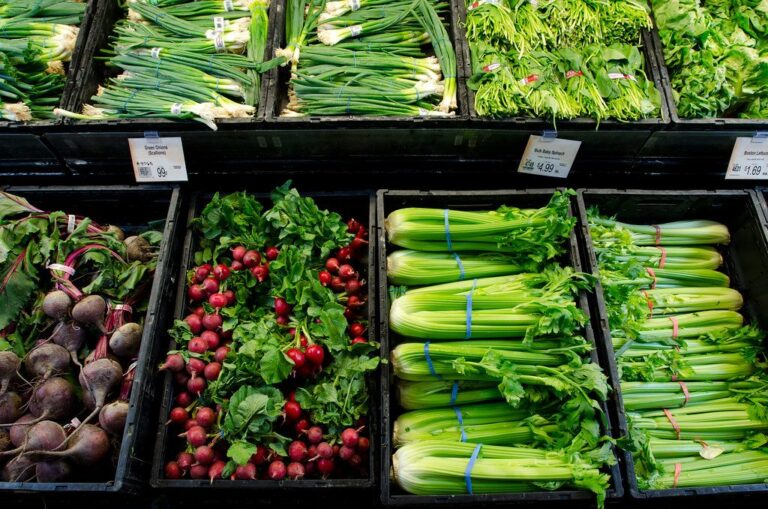
Leafy greens are the closest thing to a free pass in blood sugar management. They are extremely low in digestible carbohydrates, so they add almost no glucose load while delivering fiber, magnesium, and antioxidants that support insulin function.
Magnesium is particularly important here. Research published in Diabetes Care found that higher magnesium intake is associated with a significantly lower risk of type 2 diabetes, and most Americans are chronically low on it. Dark leafy greens are one of the richest food sources available.
Practical use: Add a handful of spinach to eggs in the morning, use a large bed of mixed greens as the base for lunch, or sauté kale with garlic as a dinner side. You genuinely cannot eat too much of these.
2. Cinnamon
Cinnamon may be the most underrated blood sugar tool in your spice rack. Multiple studies have found that regular cinnamon consumption reduces fasting blood glucose. A meta-analysis in the Journal of Medicinal Food showed that cinnamon intake significantly lowered fasting blood glucose across eight controlled trials.
The active compound, cinnamaldehyde, appears to improve insulin sensitivity and slow the breakdown of carbohydrates in the gut, a two-pronged effect. For a deeper look at the evidence, see our full article on cinnamon and blood sugar.
Practical use: Half a teaspoon in your morning coffee, stirred into oatmeal, or sprinkled on Greek yogurt is all it takes. Use Ceylon cinnamon, not Cassia, if you are consuming it daily. It is lower in coumarin, which can be hard on the liver in large amounts.
3. Berries (Blueberries, Strawberries, Raspberries)
Berries are the exception to the “limit fruit” rule that often gets handed to people with prediabetes. Unlike bananas, grapes, or tropical fruits, berries are low in sugar and packed with fiber and polyphenols that actively blunt post-meal glucose spikes.
A Harvard study published in the BMJ, tracking about 187,000 people, found that those who ate the most blueberries had a 23% lower risk of developing type 2 diabetes. The anthocyanins in berries appear to improve insulin sensitivity and reduce inflammation, both central to prediabetes.
When my A1C was 6.1, berries were my first real win. I had cut fruit out entirely because I was scared of it, and my energy was flat all day. Adding a half-cup of blueberries to plain Greek yogurt at breakfast did not raise my morning reading the way I feared. It actually steadied it, and the afternoon cravings that used to wreck my willpower faded within the first week.
Practical use: A half-cup of mixed berries with Greek yogurt at breakfast, or a handful as a snack with a few walnuts. Frozen berries work just as well as fresh and are usually more affordable.
4. Apple Cider Vinegar
Apple cider vinegar (ACV) has a surprisingly strong evidence base for blood sugar management. A systematic review and meta-analysis of clinical trials found that vinegar taken with a meal significantly lowers the post-meal glucose and insulin response, and several small studies report reductions in the spike of roughly 20% to 30%.
The mechanism is acetic acid, which slows stomach emptying and inhibits enzymes that break down starches. The practical effect: carbohydrates release their glucose more slowly, giving insulin more time to catch up.
This is the one I tested most carefully with my meter, because the claim sounded too good. On nights I had pasta, drinking a tablespoon of ACV in water beforehand consistently shaved 25 to 30 points off my one-hour reading compared to the same meal without it. It is not magic, but it is real, and it is cheap.
We cover the full research in our article on apple cider vinegar and blood sugar for prediabetes. The short version: dilute 1 to 2 tablespoons in a large glass of water and drink it 15 to 20 minutes before your biggest carb-heavy meal of the day. Never drink it straight; the acidity will damage tooth enamel.
5. Nuts (Walnuts, Almonds, Pistachios)
Nuts are a near-perfect blood sugar food: high in healthy fat, moderate in protein, loaded with fiber, and nearly carb-free. They slow digestion, reduce post-meal spikes, and improve the overall glycemic response of whatever meal they accompany.
A large review in Diabetes Care found that replacing refined carbohydrates with nuts significantly improved both fasting blood sugar and A1C in people with diabetes. Walnuts also provide alpha-linolenic acid (ALA), a plant-based omega-3 with anti-inflammatory properties linked to improved insulin function.
Practical use: A small handful, about 1 ounce, as a snack, chopped on salads, or mixed into oatmeal. Go for raw or dry-roasted without added oils or sugar. Watch total portions if you are managing weight, since nuts are calorie-dense.
6. Avocado
Avocados are rich in monounsaturated fat and fiber, two things that slow glucose absorption and reduce insulin spikes. Research published in the Journal of Nutrition found that adding half an avocado to a meal significantly reduced both blood glucose and insulin response after eating compared to a meal without it.
Avocados also contain beta-sitosterol, a plant sterol that may help reduce the inflammation linked to insulin resistance. And unlike most other healthy fats, avocados come with nearly 7 grams of fiber per half, a meaningful contribution toward the daily goal.
Practical use: Half an avocado on eggs, sliced on a salad, blended into a smoothie, or eaten plain with a squeeze of lime. Buy them slightly firm and let them ripen on the counter. They will be ready in 1 to 2 days.
7. Eggs
Eggs are one of the most blood-sugar-neutral foods that exist. They contain almost no carbohydrates, deliver 6 to 7 grams of high-quality protein per egg, and trigger a very low insulin response, meaning they do not spike blood sugar at all.
Beyond their direct effect, eggs help by displacing higher-glycemic breakfast foods. Swapping cereal and toast for a two-egg scramble with vegetables can dramatically reduce your morning blood sugar peak without requiring any willpower. You are just as full, just as satisfied, and your glucose stays flat.
Practical use: Scrambled, poached, hard-boiled, or as an omelet with spinach and peppers. Pair with leafy greens and avocado for a breakfast that keeps blood sugar steady for 4 to 5 hours. See our guide to the best breakfasts for prediabetes and our glycemic index of common breakfast foods for full meal ideas.
8. Legumes (Lentils, Black Beans, Chickpeas)
Legumes have a low glycemic index despite being high in carbohydrates, because those carbohydrates come packaged with substantial protein and fiber that significantly slow digestion. A cup of cooked lentils has about 40g of carbs but also 16g of protein and 16g of fiber, resulting in a much gentler glucose rise than an equivalent portion of white rice or bread.
A landmark study in JAMA Internal Medicine found that replacing two servings per week of red meat with legumes reduced the risk of type 2 diabetes by 35%. The effect comes from a combination of improved insulin sensitivity, reduced inflammation, and slower carb absorption.
Practical use: Add lentils to soups, use black beans as a protein base for salads, or try roasted chickpeas as a crunchy snack. Canned beans are fine; just rinse them to reduce sodium.
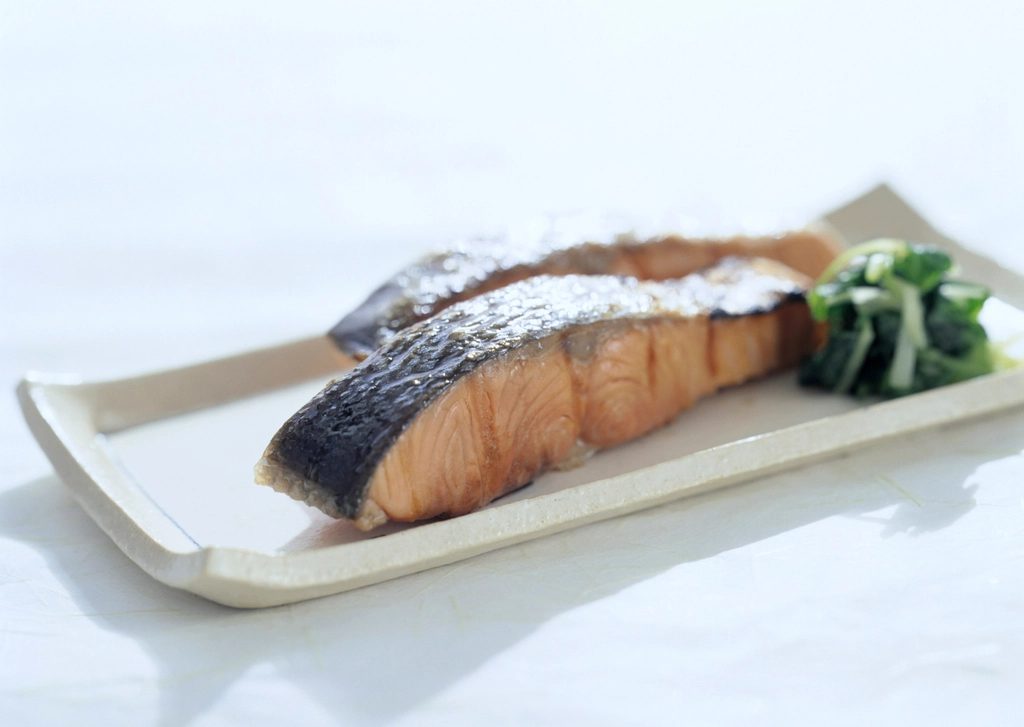
9. Oily Fish (Salmon, Sardines, Mackerel)
Oily fish are rich in omega-3 fatty acids (EPA and DHA), which directly reduce inflammation, a core driver of insulin resistance. Research in the American Journal of Clinical Nutrition found that omega-3 supplementation improved insulin sensitivity and reduced markers of metabolic syndrome in people at risk for diabetes.
Fish also provides high-quality protein with zero carbohydrates, making it one of the cleanest blood-sugar-neutral proteins available. Replacing processed meat or a starchy side with salmon at dinner can noticeably improve your post-meal readings.
Practical use: Aim for 2 to 3 servings per week of fatty fish. Canned sardines or mackerel are inexpensive and just as effective as fresh salmon. Try them on a salad or mixed with avocado for a fast, high-protein lunch.
10. Chia Seeds
Chia seeds are a fiber powerhouse. A single tablespoon delivers nearly 5 grams of fiber, almost all of it soluble. When soluble fiber contacts water in your stomach, it forms a thick gel that physically slows the absorption of glucose into the bloodstream.
A study published in Diabetes Care found that eating chia seeds as part of a meal significantly reduced post-meal blood sugar spikes compared to a wheat bran control. Participants also reported greater fullness, which matters for long-term consistency.
Practical use: Stir a tablespoon into water or almond milk and let it sit for 10 minutes, add it to smoothies, mix it into Greek yogurt, or make overnight chia pudding (three tablespoons in half a cup of unsweetened milk, refrigerated overnight). Chia seeds have almost no flavor, so they add fiber without changing the taste of anything.
11. Garlic
Garlic may not seem like a blood sugar food, but the evidence is surprisingly strong. Allicin, the compound responsible for garlic’s pungent smell, has been shown in multiple studies to increase insulin secretion and improve insulin sensitivity. A 2006 review in Molecular Nutrition & Food Research found that garlic supplementation meaningfully reduced fasting blood glucose in animal models, with growing human evidence following.
Garlic also has significant anti-inflammatory and antioxidant properties that help protect blood vessels, particularly relevant in prediabetes, where cardiovascular risk is already elevated.
Practical use: Use fresh garlic liberally in cooking. Sauté it in olive oil as a base for vegetables, soups, and proteins. Let crushed or chopped garlic sit for 5 to 10 minutes before adding heat; this activates more of the allicin. Garlic powder works in a pinch but has less potency than fresh.
12. Plain Greek Yogurt
Greek yogurt is one of the most practical blood sugar foods: high in protein (15 to 20g per cup), low in carbohydrates compared to regular yogurt, and packed with probiotics that support gut health, which is increasingly linked to metabolic function and insulin sensitivity.
The key word is plain. Flavored yogurts can contain 15 to 25g of added sugar per serving, which completely negates the benefit. Plain, full-fat or 2% Greek yogurt keeps the carb content low while giving you a filling, protein-rich base you can flavor yourself with berries, cinnamon, and nuts.
Practical use: As a breakfast bowl with berries and walnuts, as a base for savory dips, or as a sour cream substitute. Check the label. The only ingredients should be cultured milk. If it has more than 7 to 8g of carbs per cup, it has been sweetened.
Quick Comparison: How Each Food Affects Blood Sugar
The short version: The table below summarizes how each of the 12 foods affects blood sugar, the main mechanism at work, a practical serving size, and the strength of the evidence behind it. Foods marked “strong” have multiple human trials; “moderate” foods have smaller studies or mixed results.
| Food | Main effect on blood sugar | How it works | Practical serving | Evidence |
|---|---|---|---|---|
| Leafy greens | Adds almost no glucose load | Very low carb, high magnesium and fiber | 1 to 2 cups per meal | Strong |
| Cinnamon | Lowers fasting glucose | Improves insulin sensitivity, slows carb breakdown | 0.5 to 1 tsp daily | Moderate |
| Berries | Blunts post-meal spike | Polyphenols and fiber, low sugar | 0.5 cup | Strong |
| Apple cider vinegar | Cuts spike by 20% to 35% | Acetic acid slows stomach emptying | 1 to 2 tbsp in water before a meal | Moderate |
| Nuts | Lowers overall meal response | Fat, fiber, protein slow digestion | 1 oz (small handful) | Strong |
| Avocado | Reduces glucose and insulin response | Monounsaturated fat plus fiber | Half an avocado | Moderate |
| Eggs | Blood-sugar neutral | Near-zero carb, high protein, low insulin response | 1 to 2 eggs | Strong |
| Legumes | Gentle, slow glucose rise | Fiber and protein lower the glycemic index | 0.5 to 1 cup cooked | Strong |
| Oily fish | Improves insulin sensitivity over time | Omega-3s reduce inflammation | 2 to 3 servings per week | Moderate |
| Chia seeds | Slows glucose absorption | Soluble fiber forms a gel | 1 to 3 tbsp | Moderate |
| Garlic | Lowers fasting glucose | Allicin aids insulin secretion and sensitivity | 1 to 2 cloves, used regularly | Moderate |
| Plain Greek yogurt | Blood-sugar neutral, filling | High protein, probiotics, low carb | 0.75 to 1 cup | Moderate |
How to Combine These Foods for Maximum Effect
The short version: The biggest wins come from combining these foods, not eating them alone. Always pair carbs with protein and fat, eat vegetables or protein before the carbs on your plate, and walk for 10 to 15 minutes afterward. Food sequencing alone can cut a post-meal glucose spike by roughly 40% in people with prediabetes.
Individual foods help. But the biggest blood sugar wins come from combining them strategically. A few principles that amplify the effect:
- Always pair carbs with protein and fat. Never eat starchy foods alone. If you are having oats, add Greek yogurt or a scoop of protein powder. If you are having fruit, add nuts or a boiled egg alongside it. The protein and fat slow carb absorption.
- Start meals with fiber or protein, then carbs. A controlled study in people with prediabetes found that eating vegetables and protein before carbohydrates at the same meal lowered the post-meal glucose spike by about 40% compared to eating the carbs first (Shukla et al., 2019). This is called food sequencing: same foods, different order, dramatically different blood sugar outcome.
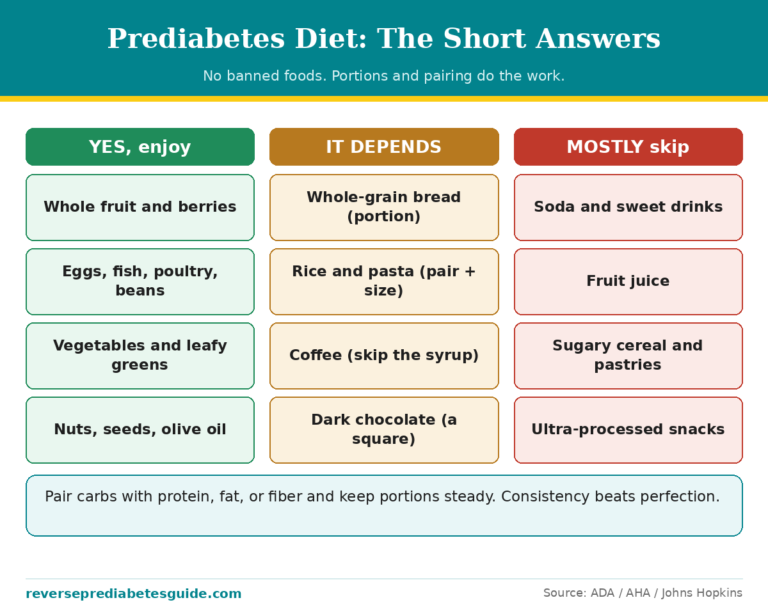
- Build every meal around this template: leafy greens or non-starchy vegetables as the base, plus quality protein (eggs, fish, legumes, Greek yogurt), plus healthy fat (avocado, nuts, olive oil), plus a small serving of low-glycemic carbs (berries, lentils, seeded whole grain).
- Walk after eating. Even 10 to 15 minutes of light walking after meals significantly reduces post-meal blood sugar spikes by using glucose for muscle movement. For more on this, see our article on walking after meals and blood sugar.
If you want a structured way to put all of this into practice, our 7-day prediabetes meal plan builds these foods into every meal for a full week, no guesswork required. For the bigger picture on what to eat day to day, see the prediabetes diet and what to eat.
Foods That Spike Blood Sugar (Avoid These)
The short version: Adding the right foods only works if you also cut the ones that sabotage them. The biggest offenders are fruit juice, white bread and refined grains, sweetened yogurt and flavored oatmeal, sugary breakfast cereals, tropical fruits, and alcohol. These spike glucose fast or disrupt overnight regulation.
Knowing what to eat is only half the picture. These common foods will work against everything on the list above:
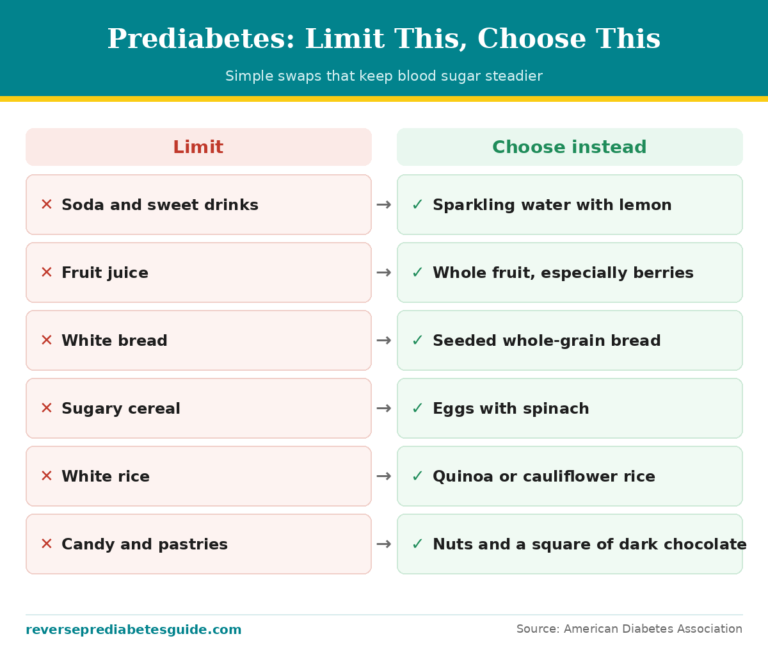
- Fruit juice. Even 100% juice spikes blood sugar faster than soda. The fiber from the fruit is gone; only the sugar remains.
- White bread, bagels, and plain pasta. Refined grains digest rapidly and hit your bloodstream like liquid sugar.
- Sweetened yogurt and flavored oatmeal. The protein and fiber are real, but the 20g or more of added sugar erases the benefit.
- Breakfast cereals. Even ones marketed as “heart-healthy” often have glycemic indexes higher than table sugar.
- Tropical fruits (bananas, mangoes, pineapple). High sugar, low fiber. Save them for occasional treats rather than daily staples.
- Alcohol. It disrupts liver glucose regulation, often causes rebound spikes the next morning, and interferes with insulin sensitivity.
For the complete picture on what to eat and what to skip, see our article on prediabetes A1C levels explained and how food choices directly move the needle. If lowering your number is the priority, our guide on the best way to lower A1C naturally ties it all together.
Should You Consider a Supplement?
The short version: No supplement replaces diet, and you do not need one to reverse prediabetes. Some people use targeted support (magnesium, chromium, berberine, cinnamon) once their eating is dialed in, especially when certain micronutrients are hard to get from food consistently. Treat any supplement as an add-on, not a foundation.
Diet is the foundation. No supplement replaces it. But once you have your eating patterns dialed in, some people find targeted nutritional support helps them close the gap, especially if specific micronutrients like magnesium, chromium, or berberine are hard to get consistently from food alone. Our guide to the best supplements for prediabetes to lower A1C goes through the evidence ingredient by ingredient. For the shorter version, I also keep a list of natural supplements that can help lower A1C with just the highlights.
A supplement is optional and always secondary. If you only change one thing this week, change what is on your plate using the 12 foods above.
Related review
Curious about a supplement too?
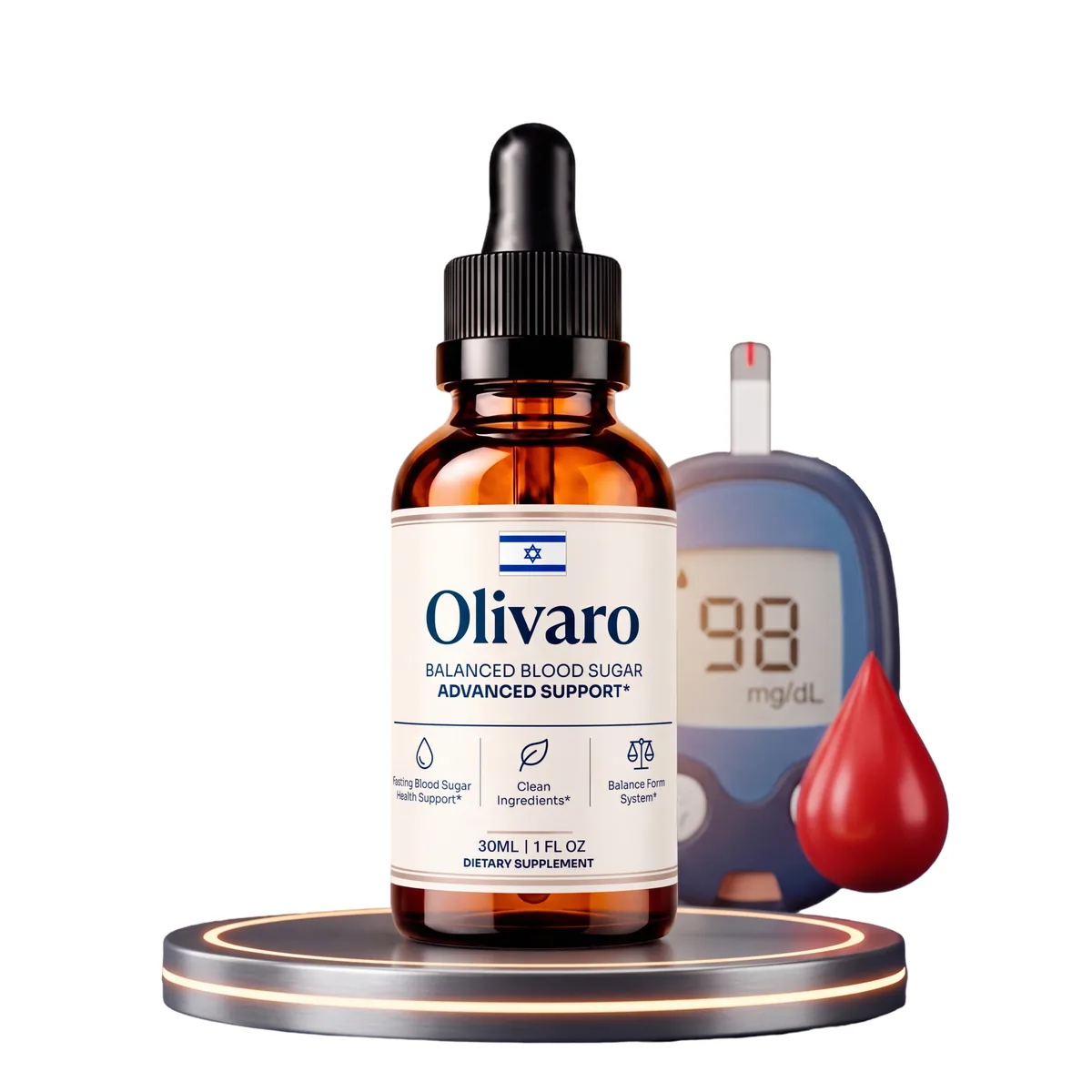
Food does the heavy lifting. If you also wonder about Olivaro, a liquid sold for blood sugar support, our review shows what its label lists, what it costs and how its guarantee works.
Frequently Asked Questions
What food lowers blood sugar the fastest?
No food lowers blood sugar instantly the way medication can. But apple cider vinegar diluted in water before a meal produces one of the fastest measurable effects, reducing the post-meal spike within 30 to 60 minutes. Leafy greens and eggs prevent spikes from happening in the first place rather than reversing one already underway. If your blood sugar is acutely high, a brisk 15-minute walk is actually faster than any food at bringing it down.
Can eating these foods actually reverse prediabetes?
Yes. Dietary change is one of the most powerful tools for reversing prediabetes. The CDC’s National Diabetes Prevention Program has shown that lifestyle changes (diet plus moderate exercise) can reduce progression to type 2 diabetes by 58%, more than the leading medication (metformin) in the same study. Reversal means getting your A1C below the prediabetes threshold of 5.7% and keeping it there, which usually takes sustained changes over months. For a realistic timeline, see our article on how long it takes to reverse prediabetes.
How quickly will I see results from changing my diet?
Post-meal blood sugar improvements can appear within 24 to 48 hours of consistent dietary changes, which you would see on a glucose meter. Fasting blood glucose typically takes 2 to 4 weeks to shift meaningfully. A1C reflects a 3-month average, so it will not move on a blood test for at least 90 days. Most people notice better energy and fewer cravings within the first 1 to 2 weeks, a good early sign that blood sugar is stabilizing.
Are there foods that lower blood sugar overnight?
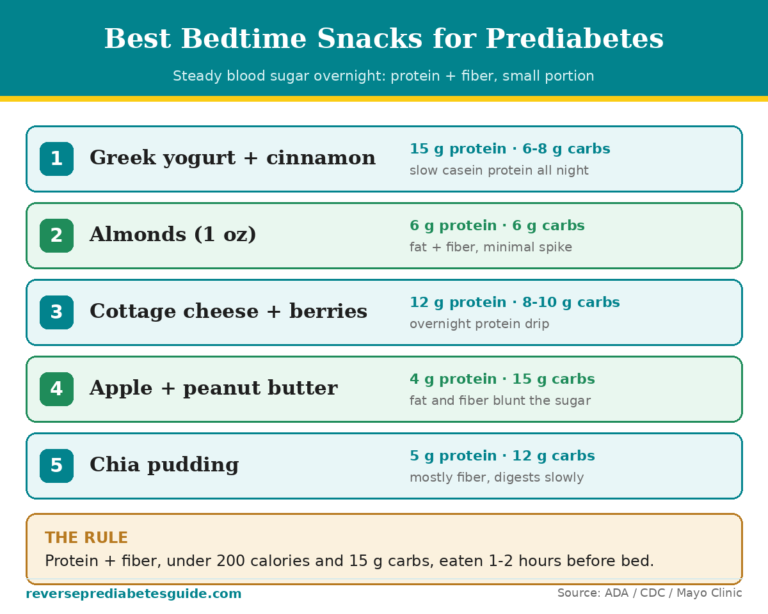
No food dramatically lowers blood sugar while you sleep, but certain dinner choices can reduce your fasting morning number. A protein-rich dinner with healthy fat and minimal refined carbs lowers the overnight glucose load. A small snack of a handful of nuts or a tablespoon of almond butter before bed can help prevent blood sugar from dipping and rebounding. Avoid alcohol at night; it commonly causes elevated morning readings even if it lowers blood sugar at first.
Is fruit safe to eat with prediabetes?
Most fruit is fine in moderate portions, especially berries, which are the lowest-sugar, highest-fiber option. Be more cautious with tropical fruits like bananas, mangoes, pineapple, and grapes due to their higher sugar and lower fiber. Whole fruit is always better than fruit juice, which removes the fiber and concentrates the sugar. Pair any fruit with protein or fat, such as Greek yogurt or nuts, to slow absorption. For how meal timing fits in, see intermittent fasting and prediabetes.
Can I lower my blood sugar without medication?
Many people do, especially in the earlier stages of prediabetes. The combination of dietary changes (built on foods like those in this article), regular moderate exercise, better sleep, and stress management can produce significant, lasting improvements without medication. Your doctor will monitor your A1C and advise whether medication is appropriate. Diet and lifestyle should always be the first line of action; medication comes in if those measures are not enough. If metformin ever comes up, my breakdown of how berberine compares with metformin is worth reading before that conversation. A reassuring fact: you do not need to lose a lot of weight to reverse prediabetes.
Do I have to give up carbs completely to lower my blood sugar?
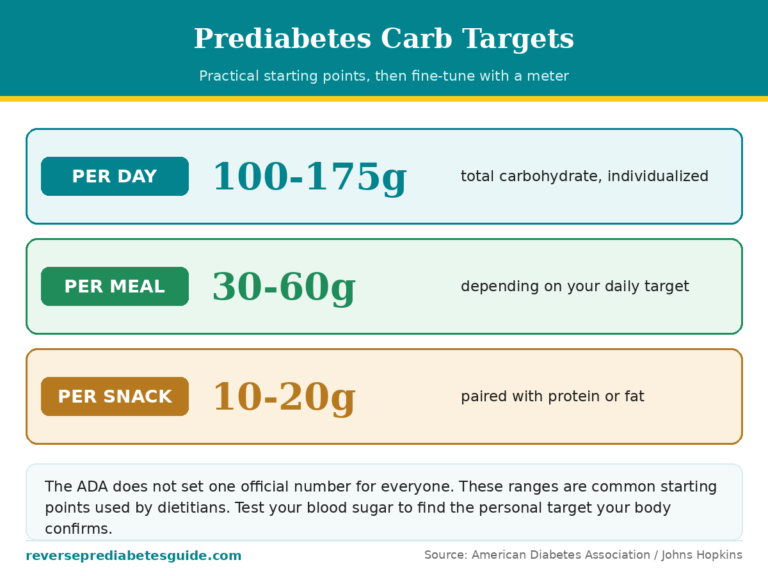
No. The goal is smarter carbs, not zero carbs. Refined carbs like white bread, juice, and sugary cereal spike blood sugar fast and should be limited. But carbs that come packaged with fiber and protein, such as legumes, berries, and seeded whole grains, raise blood sugar slowly and are part of a healthy prediabetes diet. The trick is pairing any carb with protein and fat, and eating it after your vegetables rather than first.
Before You Go
- Start tomorrow with one swap: eggs and spinach instead of cereal and toast.
- Add berries and a handful of nuts as your default snack this week.
- Try a tablespoon of apple cider vinegar in water before your biggest carb meal.
- Walk 10 to 15 minutes after dinner, every night.
- For a done-for-you week, follow our 7-day prediabetes meal plan.
Last updated: June 30, 2026. Fact-checked against published sources. This article reflects current research from the CDC, NIH, and peer-reviewed journals, along with the lived experience of the author, who reversed her own prediabetes through diet and lifestyle.