
How Long to Reverse Prediabetes? The Real Timeline
Affiliate Disclosure: This article contains affiliate links. If you purchase through these links, I may earn a small commission at no extra cost to you. I only recommend products I’ve personally researched.
You got the call from your doctor. A1C came back at 5.9%, or maybe 6.2%. “Prediabetes,” they said, “but the good news is you can reverse this.”
You walked out of the office with a pamphlet about eating less sugar. And a question nobody answered: how long is this actually going to take?
I asked the same thing when my own A1C hit 6.1. After eight months of work, and watching my number drop to 5.4, I started digging into the actual research. What follows is the timeline nobody gave me at diagnosis, built from clinical trials and real biology.
- Your first measurable A1C drop typically happens at the 3-month mark.
- Full reversal to normal blood sugar (A1C below 5.7%) usually takes 6 to 12 months.
- Losing just 5 to 7% of body weight is the most powerful single lever for reversal.
- Starting A1C matters: 5.8% and 6.4% are very different journeys.
- A1C reflects a 90-day average, every consistent week you put in counts toward your next test.
In this article:
- What “reversing” prediabetes actually means
- What the research actually shows (with real numbers)
- Month-by-month breakdown of what to expect
- 5 factors that determine your personal timeline
- Diet and exercise: what moves the needle fastest
- Whether supplements can help speed things up
- How to track your progress between A1C tests
- What to do if you’re not seeing results after 3 months
What Does “Reversing” Prediabetes Actually Mean?
Prediabetes is diagnosed when your A1C falls between 5.7% and 6.4%, or your fasting blood glucose between 100 and 125 mg/dL. “Reversing” it means bringing those numbers back below those thresholds.
Specifically:
- A1C below 5.7%
- Fasting glucose below 100 mg/dL
There’s an important piece of biology here that shapes your entire timeline. A1C measures your average blood sugar over the past 90 days. It cannot change overnight. Even if you eat perfectly starting today, it takes a full three months for that to fully show up in your A1C result.
That 90-day window is actually useful once you understand it. It means every consistent week you put in is quietly building toward your next test. Nothing is wasted, it all accumulates.
Related: Prediabetes A1C Range: What Your 5.7 to 6.4 Result Actually Means
What the Research Actually Shows
The most important study ever done on this question is the Diabetes Prevention Program (DPP), an NIH-funded landmark trial that followed 3,234 people with prediabetes over nearly three years. The results are better than most people expect.
The intensive lifestyle group in the DPP aimed for two targets: lose 5 to 7% of body weight and get 150 minutes of moderate exercise per week. After a mean of 2.8 years, those participants reduced their risk of developing type 2 diabetes by 58% compared to placebo. That outperformed metformin, which reduced risk by 31%. Among those who maintained their lifestyle changes, 40 to 60% returned to fully normal glucose regulation. (NIH, 2014)
A separate 12-month clinical trial published in PubMed Central tested an intensive lifestyle intervention on adults with prediabetes. The result: 52.1% of the intervention group fully reversed to normal glucose levels at 12 months, compared to 30.6% in the control group. (PMC, 2020)
The takeaway is not that reversal is possible for some people. It’s possible for most people, if the effort is consistent.

Your Month-by-Month Prediabetes Reversal Timeline
Here is what most people experience at each stage, based on how A1C biology works and what clinical research shows.
Weeks 1 to 4: The Foundation Phase
Your A1C will not move yet. But your fasting glucose and post-meal blood sugar spikes will begin to shift within the first week or two of cutting refined carbohydrates and adding daily movement.
Some people see fasting glucose drop 5 to 15 mg/dL in the first month from dietary changes alone. That’s a real physiological response, even though your A1C test won’t capture it yet. Track your fasting glucose at home to see this early momentum.
This is also when exercise starts earning its keep. A 20 to 30 minute walk after dinner can visibly lower post-meal blood sugar spikes. The improvement is measurable the very next morning on a glucose meter.
Months 2 to 3: Your First Real Signal
Now the 90-day window is fully in play. Your A1C test at the 3-month mark will capture two full months of your new habits.
Most consistent people see A1C drop 0.3 to 0.6 points in the first three months. That may not sound dramatic, but it’s meaningful: a 0.4-point drop from 6.1% brings you to 5.7%, which is the boundary of the normal range.
People starting with higher A1Cs (6.2 to 6.4%) often see larger early drops because there’s more physiological room to improve. The relative improvement rate is similar, the absolute distance to cover is just greater.
For the specific habits driving the fastest 3-month results, see: Natural Ways to Lower A1C in 3 Months
Months 4 to 6: The Momentum Window
For most people, this is the most productive stretch. Your habits are ingrained. Weight loss is compounding. Insulin sensitivity is improving measurably.
Research consistently places the window of most significant A1C improvement at 3 to 6 months. People who reach 5 to 7% body weight loss in this period often see total A1C drops of 0.5 to 1.0 points from their starting point.
If you started at 6.3% and have been consistent, you may be at 5.6 to 5.8% by month 6. That means you’re either already reversed or one more consistent quarter away.
Months 6 to 12: Full Reversal Territory
By the 6 to 12 month mark, people who started in the lower half of the prediabetes range (5.7 to 6.2%) and stayed consistent will typically achieve full reversal. The 52% reversal figure from the clinical trial referenced above was measured at exactly 12 months.
People who started higher (6.3 to 6.4%) often need 12 to 18 months of sustained effort. The path is the same. The distance is longer.
| Timeline | What to Expect | Typical A1C Change |
|---|---|---|
| Weeks 1 to 4 | Fasting glucose drops; post-meal spikes reduce | Too early to measure |
| Months 2 to 3 | First A1C test; weight loss supporting insulin sensitivity | , 0.3 to, 0.6 pts |
| Months 4 to 6 | Most significant improvements; habits compounding | , 0.5 to, 1.0 pts |
| Months 6 to 12 | Full reversal window; especially for starting A1C below 6.2% | Back to normal range |
5 Factors That Determine Your Personal Timeline
The averages above tell you what most people experience. These five variables determine where you land on that spectrum.
1. Your Starting A1C
Someone at 5.8% needs a smaller absolute improvement than someone at 6.4%. More distance to cover means more time required, though people starting higher often see larger month-to-month drops because there’s more room to move. Both roads lead to the same place.
2. How Much Weight You Lose
Weight loss is the single most powerful lever the research identifies. The DPP found that hitting the 5 to 7% body weight loss threshold was what drove most of the diabetes risk reduction. For a 200-pound person, that’s just 10 to 14 pounds.
Every 1% reduction in body weight is associated with roughly a 0.1-point drop in A1C. Modest, consistent weight loss creates real, measurable change over time.
3. Exercise Consistency
The DPP used 150 minutes of moderate exercise per week as its benchmark, 30 minutes, five days a week. This is not a suggestion. It’s the dosage at which meaningful metabolic change reliably happens in clinical trials.
Resistance training is especially valuable for blood sugar control. Muscle tissue acts as a glucose buffer, absorbing sugar from the bloodstream during and after exercise. Even two strength sessions per week on top of daily walking creates measurable improvement.
4. Sleep Quality
Poor sleep directly raises blood sugar by increasing cortisol and reducing insulin sensitivity. Fewer than 6 hours per night can spike fasting glucose by 10 to 15 mg/dL the next morning. If your sleep is poor, even a strong diet and exercise plan will work at a fraction of its potential.
5. Stress Levels
Chronic stress keeps cortisol elevated, which keeps blood sugar elevated regardless of what you eat. People who manage stress consistently, through movement, sleep, social connection, or any other effective method, see faster A1C improvements in research. It’s not soft advice. It’s metabolic physiology.

Diet: What Actually Moves A1C the Fastest
Not all dietary changes produce equal results. If you want the fastest A1C movement, tackle these in order of impact:
- Cut refined carbohydrates first, white bread, white rice, pasta, crackers, and processed snack foods raise blood sugar faster and higher than almost anything else. This single change often produces visible fasting glucose improvement within a week.
- Eliminate sugary drinks, soda, juice, sweetened coffee, and energy drinks are the highest-glycemic items in most people’s diets. Cutting them is the quickest win available.
- Add fiber at every meal, vegetables, legumes, beans, and whole grains slow glucose absorption and blunt post-meal spikes. Target 25 to 35 grams per day.
- Include protein at every meal, protein slows digestion, stabilizes blood sugar, and supports satiety without raising glucose. Eggs, fish, chicken, Greek yogurt, and legumes are all solid choices.
For a practical day-by-day eating plan built around these principles, see: 7-Day Prediabetes Meal Plan
For specific foods to eat and avoid with shopping list guidance: What to Eat and Avoid with Prediabetes
Can Supplements Help Speed Up Prediabetes Reversal?
Diet and exercise are the foundation. Supplements support the process, they don’t replace the fundamentals. That said, a few compounds have enough clinical evidence to be worth considering alongside your lifestyle changes.
Berberine
Berberine is the most well-researched natural compound for blood sugar management. Multiple randomized controlled trials have shown it can reduce A1C by 0.9 to 1.4 points in people with prediabetes and early type 2 diabetes. It works by activating AMPK, an enzyme that improves insulin sensitivity and reduces glucose production in the liver. See the full evidence review: Berberine for Blood Sugar: Does It Really Work?
Cinnamon
Cinnamon contains compounds that mimic insulin activity and improve glucose uptake in cells. Studies show it can reduce fasting blood sugar by 10 to 29% in people with elevated glucose. Effects vary by individual and by cinnamon type, Ceylon cinnamon is the form used in most clinical studies.
Chromium
Chromium is an essential trace mineral that enhances insulin action. Deficiency is common in people with blood sugar dysregulation. Supplementation has been shown in multiple trials to improve insulin sensitivity and lower fasting glucose, particularly in those who are deficient.
Magnesium
Low magnesium is strongly associated with insulin resistance. Research shows that correcting magnesium deficiency consistently improves both fasting glucose and insulin sensitivity. The CDC’s diabetes prevention guidance highlights nutritional factors as a key component of any reversal plan.
For a full comparison of the most evidence-backed options: Best Supplements for Prediabetes: What the Evidence Shows
How to Track Your Progress Between A1C Tests
Waiting three months for an A1C result is hard when you’re working this consistently. Here are the tracking methods that give you real-time feedback in the meantime.
A1C Tests Every 3 Months
While you’re actively working on reversal, get your A1C checked every three months. Your doctor can order it, or you can use a quality at-home A1C kit. This is your primary metric, the one that officially determines whether you’re in prediabetes range or not.
Fasting Glucose at Home
A home glucose meter costs $20 to 30 and gives you daily feedback an A1C test can’t. Measure your fasting glucose first thing in the morning before eating or drinking anything. Track the weekly average, not individual readings. A downward trend over 4 to 6 weeks confirms that your changes are working. Target: below 100 mg/dL.
Post-Meal Glucose
Test your blood sugar 2 hours after eating to see how specific foods affect you. A reading below 140 mg/dL at the 2-hour mark is normal. This is especially useful for identifying which foods spike your blood sugar most, so you can fine-tune your diet precisely rather than guessing.

What If You’re Not Seeing Results After 3 Months?
Three months in with no A1C movement is a signal to look deeper, not a reason to give up.
The most common hidden saboteurs:
- Hidden carbohydrates, sauces, dressings, flavored yogurts, protein bars, and “low-fat” products often contain more sugar than people realize
- Portion sizes, even low-glycemic foods can raise blood sugar when eaten in large amounts
- Inconsistent sleep, even two nights of poor sleep per week can blunt A1C progress
- Chronic stress, high cortisol raises blood sugar independent of diet and exercise
- Alcohol, disrupts liver glucose regulation and sleep quality simultaneously
- Skipping exercise, the 150-minute weekly target matters; dropping to 60 to 80 minutes cuts results significantly
If you’ve genuinely addressed all of these and still see no movement, it’s worth talking to your doctor about whether short-term medication support makes sense. Metformin used alongside lifestyle changes is not a failure, it’s what the DPP used for higher-risk participants who needed extra support.
If you feel like you’ve lost your footing entirely, the 30-Day Prediabetes Action Plan is a useful structured reset.
Related review
Thinking about adding a supplement?
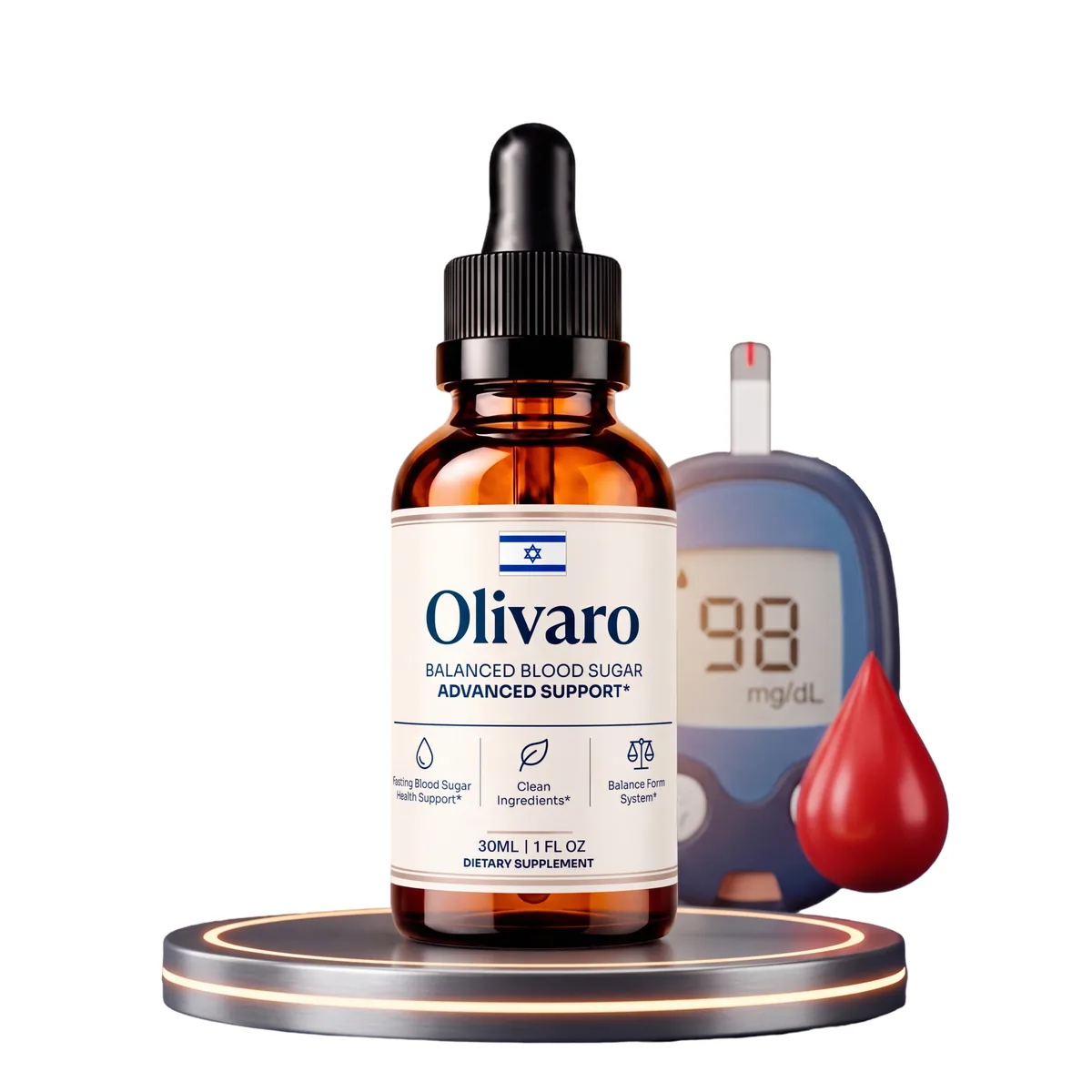
Habits come first. If you want to look at an extra, our Olivaro review reads the full label, the kit prices and the fine print of its 60-day guarantee, so you know what you would be buying.
Frequently Asked Questions
Can prediabetes be reversed in 3 months?
For people with A1C in the lower range (5.7 to 5.9%), full reversal in 3 months is possible with very consistent lifestyle changes. For most people, 3 months produces a meaningful drop of 0.3 to 0.6 points. Full reversal typically takes 6 to 12 months depending on your starting point.
Can you reverse prediabetes without losing weight?
Yes, though weight loss significantly accelerates the process. Exercise alone improves insulin sensitivity independent of weight change, and dietary changes reduce blood sugar spikes even without dropping pounds. That said, losing 5 to 7% of body weight produces the most consistent, research-backed results.
Does prediabetes go away permanently once reversed?
Your A1C can return to normal and stay there with sustained habits. However, the underlying tendency toward insulin resistance doesn’t disappear. Maintaining healthy weight, regular exercise, and a low-glycemic diet is what keeps the reversal permanent. People who return to previous habits often see their numbers creep back up within 12 to 18 months.
What is the fastest way to lower A1C naturally?
The fastest combination is cutting refined carbohydrates and sugary drinks while adding 30 minutes of daily walking. These two changes together consistently lower A1C by 0.5 to 1.0 points in 3 months. Adding a well-formulated blood sugar support supplement with berberine and cinnamon may further accelerate results.
How do I know if my prediabetes is improving?
Track fasting glucose at home daily, a downward trend over 4 to 6 weeks confirms progress. At the 3-month mark, a lower A1C test result is the clearest confirmation. Other signals: steadier energy throughout the day, less afternoon fatigue, and reduced post-meal hunger.
What percentage of people successfully reverse prediabetes?
Clinical research shows 40 to 60% of people in intensive lifestyle programs fully reverse to normal glucose. The CDC’s Diabetes Prevention Program, which uses more accessible interventions, shows 58% reduction in diabetes risk even at the population level. Consistency over 6 to 12 months is the defining variable.