Sugar Defender vs Berberine: Which Works Better for Blood Sugar? (2026)
Last updated: July 2026 · Written by Sarah Mitchell
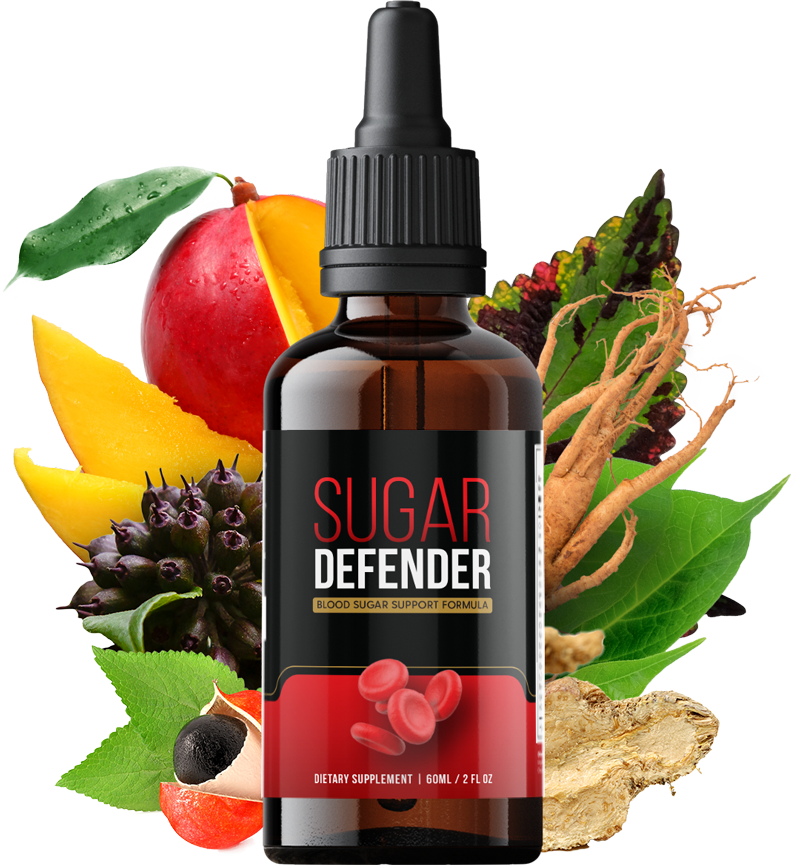
Quick Answer: Berberine is the single most studied blood-sugar supplement, with meta-analyses showing real drops in fasting glucose and A1C. Sugar Defender is a broad liquid formula with 24 ingredients that is far easier to keep in a daily routine and comes with a 60-day money-back guarantee. Which wins depends on you. If you want targeted, evidence-heavy support and do not mind the stomach side effects, berberine has the strongest lone track record. If you are newly diagnosed, want simplicity, and want a refund safety net, Sugar Defender is the easier choice, and you can even use it alongside your doctor’s plan.
This is the comparison I get asked about more than almost any other. People email me and say some version of the same thing: “Sarah, everyone online swears by berberine, but Sugar Defender keeps popping up in my feed. Which one should I actually take?”
It is a fair question, and the honest answer is that they are not really the same kind of product. One is a single, heavily researched compound. The other is a full formula built around 24 ingredients. So I am going to lay both of them side by side, walk you through what the science actually says about berberine, tell you what happened when I tested Sugar Defender for 90 days, and then give you my honest pick for the kind of reader who lands on this site.
My own numbers, for context: I brought my A1C from 6.1 down to 5.4 over about a year, and I did it with food, walking, sleep, and a supplement riding on top of those habits. So I am not here to sell you a miracle. I am here to help you spend your money wisely.
Key Takeaways
- Berberine is the most studied stand-alone blood-sugar supplement, with meta-analyses showing meaningful reductions in fasting glucose and A1C.
- Berberine’s biggest downside is gastrointestinal side effects, including diarrhea, constipation, and cramping, especially early on.
- Sugar Defender is a 24-ingredient liquid you take as two droppers each morning, which makes it simple to keep in a daily routine.
- Sugar Defender comes with a 60-day money-back guarantee, so you can try it with a safety net that most bulk berberine bottles do not offer.
- For a newly diagnosed reader who wants simplicity and a guarantee, I lean toward Sugar Defender, and yes, the two can often be combined with your doctor’s blessing.
What Is Berberine?
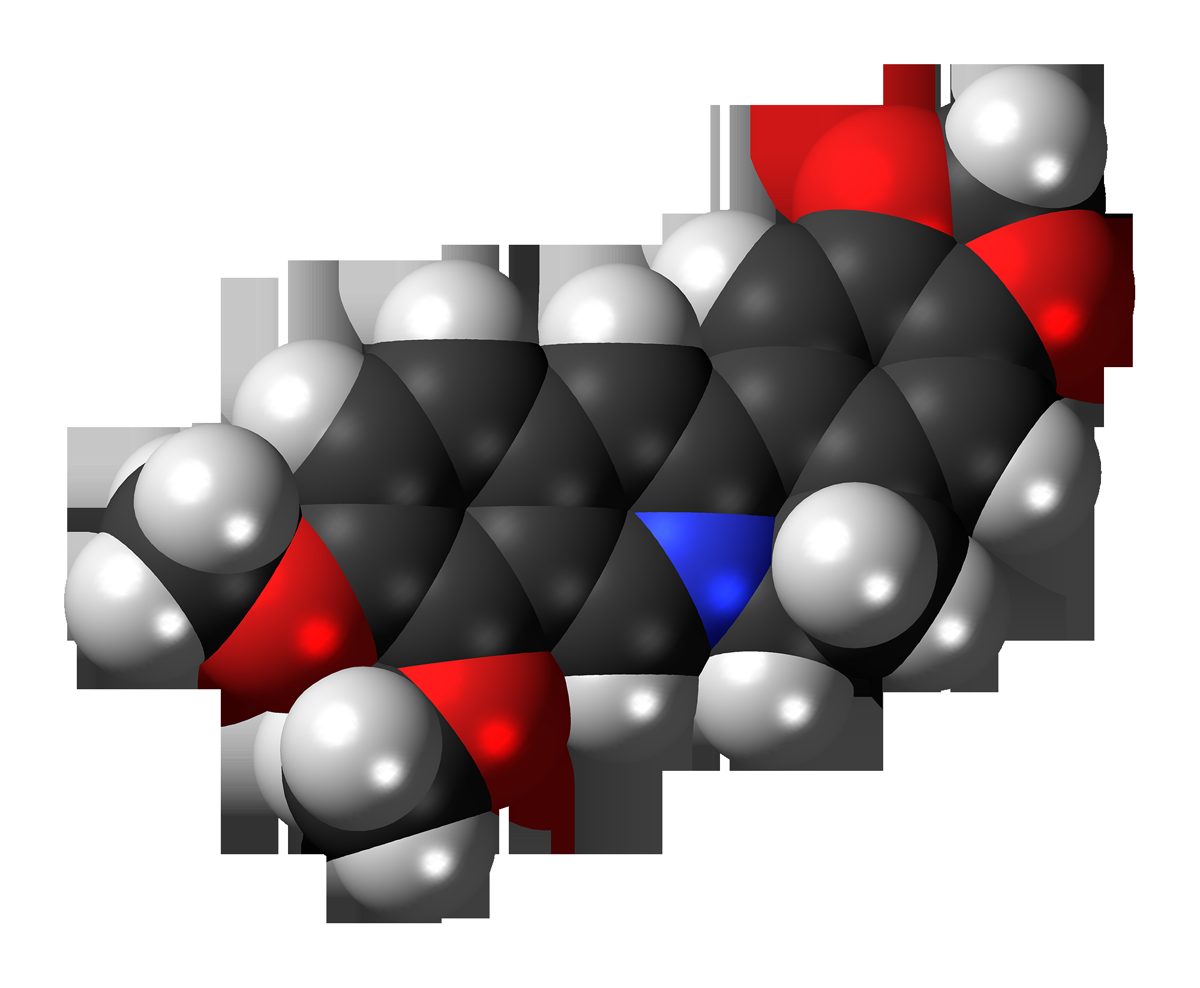
Berberine is a single compound found in plants like goldenseal, barberry, and Oregon grape. It has been used in traditional Chinese and Ayurvedic medicine for centuries, but the reason it gets so much attention today is the modern research behind it.
What makes berberine interesting is how it works. It appears to activate an enzyme called AMPK, sometimes nicknamed the body’s “metabolic master switch,” and it seems to help cells take up glucose and improve insulin sensitivity. Some researchers describe its mechanism as similar in spirit to metformin, which is why you will see it compared to that medication so often.
When you buy berberine, you are buying that one ingredient, usually as a capsule standardized to a specific dose. It is targeted and simple in that sense: one compound, one job. I go deeper into the research in my article comparing berberine versus metformin for prediabetes, and I break down its effect on lab numbers in my piece on berberine and glycemic markers.
What Is Sugar Defender?
Sugar Defender takes the opposite approach. Instead of one isolated compound, it is a liquid formula that blends 24 ingredients aimed at supporting healthy blood sugar and metabolism together.
You take it as two droppers under the tongue each morning, ideally before breakfast. The lineup includes chromium, gymnema sylvestre, ginseng, eleuthero, coleus, maca, African mango, and guarana, among others. Several of those, like chromium and gymnema, have their own small bodies of research around glucose support, so the idea is that they work as a team rather than relying on a single hero ingredient.
I have written a full Sugar Defender review for 2026 if you want the deep dive, and a plain breakdown of every ingredient in my Sugar Defender ingredients guide. For dosing questions, my how to take Sugar Defender page covers the routine.
Sugar Defender vs Berberine: Side-by-Side Comparison
Here is the honest, plain-English comparison. I am not going to tilt the table in anyone’s favor. Both have real strengths.
| Factor | Berberine | Sugar Defender |
|---|---|---|
| Evidence | Strongest of any single supplement; multiple human meta-analyses | Individual ingredients have research; the full blend is not studied as one product |
| Form | Capsules, usually 2 to 3 per day | Liquid drops, taken once in the morning |
| Typical dose | About 0.9 to 1.5 g per day, split across meals | 2 droppers each morning |
| Ingredients | 1 (isolated compound) | 24 (chromium, gymnema, ginseng, and more) |
| Common side effects | Diarrhea, constipation, cramping, gas, especially early | Generally mild; few widely reported issues |
| Cost per day (approx.) | Often $0.20 to $0.60, brand dependent | About $1.63 to $2.30 depending on package |
| Guarantee | Varies by brand; many offer none | 60-day money-back guarantee from the official site |
| Ease of routine | Multiple pills with meals; easy to forget a dose | One morning step; simple to stick with |
You can already see the trade-off taking shape. Berberine wins on raw evidence and cost. Sugar Defender wins on simplicity, tolerability, and the safety net of a guarantee. Neither of those advantages is small, which is exactly why the “right” answer depends on the person.
What the Science Says About Berberine
Let me give berberine its full credit, because it earns it. Of all the supplements people take for blood sugar, this is the one with the most convincing human research behind it, and I am not going to pretend otherwise.
One of the most cited studies is a 2008 pilot trial published in Metabolism by Yin and colleagues. In it, adults with newly diagnosed type 2 diabetes took berberine and saw their A1C fall from about 9.5% to 7.5% over three months, along with meaningful drops in fasting and post-meal glucose. The researchers found its glucose-lowering effect was comparable to metformin in that group. You can read the study details at metabolismjournal.com.
That is one trial, though, and one trial never settles anything. The more useful picture comes from meta-analyses that pool many studies together. A 2022 systematic review and meta-analysis published in Frontiers in Pharmacology combined 37 studies covering more than 3,000 patients and found that berberine reduced fasting plasma glucose by roughly 0.82 mmol/L and A1C by about 0.63%, both statistically significant. You can review that analysis at the NIH PubMed Central archive.
A larger 2024 meta-analysis, also in Frontiers in Pharmacology, looked at 50 studies with more than 4,000 participants. It found berberine on its own lowered fasting glucose, and that when it was combined with standard glucose-lowering drugs, the improvements in fasting glucose and A1C were even greater. That review is available on PubMed.
So when people say berberine “actually works,” they are not making it up. The catch is that most of this research is in people with type 2 diabetes, often at doses around 1,000 to 1,500 mg a day, and much of it comes from studies conducted in China with varying quality. It is genuinely promising. It is not the same as a decade of large, Western, gold-standard trials, and honest sources will tell you that too.
The Berberine Side Effect Nobody Warns You About
Here is the part that gets glossed over in the glowing posts: berberine is famously hard on the gut for a lot of people.
The most common complaints are gastrointestinal, and they are not rare. Diarrhea, constipation, stomach cramping, gas, and general digestive upset show up repeatedly in the research, and they tend to be worse at higher doses and in the first few weeks. It is common enough that seasoned users often recommend starting with a single small dose and building up slowly to let your stomach adjust.
For some people this fades. For others it does not, and it becomes the reason they quit. I have heard from readers who loved what berberine did for their fasting numbers but simply could not live with how it made their stomach feel. That matters, because a supplement only helps if you can actually take it consistently for the 90-plus days it takes to see a change in your A1C.
There is also the practical side. Berberine is usually dosed two or three times a day with meals to spread out that gut load, which means more pills and more chances to forget. None of this makes it a bad choice. It just means the “most studied” option comes with a real-world catch that the headlines skip.
My Take After Testing Sugar Defender for 90 Days
I will always be upfront that I test the products I write about, so here is my honest experience with Sugar Defender over a full 90-day stretch.
The first thing I noticed was how easy it was to stay consistent. Two droppers in the morning, before breakfast, and I was done for the day. There was no midday pill to remember, no dose to take with dinner. For someone like me who has abandoned supplements simply because the routine was annoying, that mattered more than I expected.
The taste is mild and slightly herbal, nothing I dreaded. My stomach never complained, which was a noticeable contrast to the berberine stories I hear so often. Over the three months, my fasting readings drifted a bit lower and felt steadier, though I want to be careful here: I was also walking after meals and watching my carbs, so I cannot hand Sugar Defender sole credit. That is exactly how I would want you to think about it too.
What I can say cleanly is this. It was easy to take, I tolerated it well, and I finished the bottle without the drop-off that kills most supplement routines. Whether the needle moved because of the drops, my habits, or both, I felt good about keeping it in my morning. If you want the granular version, it is all in my full Sugar Defender review, and I list the mild issues some people mention in my Sugar Defender side effects guide.
Try Sugar Defender from the official site
A simple morning routine, 24 ingredients, and a 60-day money-back guarantee.
Cost: What Each One Really Runs You
Money is part of any honest comparison, so let me be plain about it.
Berberine is usually the cheaper option per day. Depending on the brand and dose, a bottle can work out to somewhere around 20 to 60 cents a day, which adds up to real savings over months. The trade-off is that quality varies wildly between brands, and a cheap bottle with poor sourcing is not a bargain. Many bargain bottles also come with no guarantee at all.
Sugar Defender is priced as a premium formula. On the official site it is $69 for one bottle, $59 per bottle if you buy three, and $49 per bottle if you buy six, with free shipping on the larger bundles. At the 6-bottle price that is roughly $1.63 a day, and at a single bottle closer to $2.30. That is more than plain berberine, and I am not going to dress that up.
What you get for the higher price is the full 24-ingredient formula, the convenience of drops, and the 60-day money-back guarantee, which applies even if the bottle is empty. For a lot of people, being able to try something and get their money back if it is not right is worth the premium on its own. If cost is your single biggest factor, though, berberine is the leaner pick, and I would rather tell you that than pretend otherwise.
Who Should Choose Berberine?
Berberine is the better fit if you see yourself in this description:
You want the most researched single ingredient and you find comfort in the volume of human studies behind it. That is a legitimate reason to choose it.
You tolerate supplements well and are not easily thrown off by digestive side effects, or you are willing to start low and titrate up patiently.
You are comfortable managing a multi-dose routine, remembering to take capsules two or three times a day with meals.
Cost is your top priority and you want the lowest daily spend, and you are willing to research brands carefully to get a clean, well-sourced product.
If that is you, berberine is a smart, evidence-backed choice. Just go in knowing about the gut side effects and buy from a reputable brand, not the cheapest listing you can find.
Who Should Choose Sugar Defender?
Sugar Defender makes more sense if this sounds like you, which, if you read this site, it very well might:
You were recently diagnosed with prediabetes and you feel a little overwhelmed. You do not want to build a supplement stack, you want one clear thing to start with.
You value simplicity. One dose in the morning, no pills scattered through the day, no complicated schedule to blow.
You have a sensitive stomach or you have been burned by supplements that upset your gut, and you want something gentler to start with.
You want a safety net. The 60-day money-back guarantee lets you try it, judge how your body responds, and get a refund if it is not for you. For a first step, that reassurance is worth a lot.
This is the profile of most people who read my work, which is exactly why I lean the way I do below. If you are still weighing your broader options, my roundups of the best supplements for prediabetes to lower A1C and the best blood sugar supplements for 2026 put both of these in context with everything else out there.
Can You Combine Sugar Defender and Berberine?
This question comes up a lot, and the short answer is that many people do combine them, but you should not do it on your own without checking first.
Because berberine can meaningfully lower blood sugar, and Sugar Defender’s ingredients aim in the same direction, stacking them could push your glucose lower than you intend, especially if you also take medication like metformin or insulin. That is not a reason to panic, it is a reason to loop in your doctor or pharmacist before combining anything.
If your doctor gives the green light, some people use Sugar Defender as their easy daily base and add berberine for its targeted, well-studied punch. But that is a conversation to have with a professional who knows your labs and your medications, not a decision to make from a blog post. My general guide to supplements to lower A1C talks more about layering these safely.
My Honest Verdict
So which one wins? The truthful answer is that it depends on who you are, and I promised you honesty over a tidy soundbite.
If I am talking to a data-driven person who tolerates supplements well and wants the single most researched ingredient at the lowest cost, I point them to berberine, eyes open about the stomach side effects and the need to buy a quality brand.
But for the typical reader of this site, someone in their late forties to seventies, recently diagnosed, wanting simplicity and a guarantee rather than a research project, my recommendation is Sugar Defender. It is easy to take, it is gentle, and the 60-day money-back guarantee means you can actually try it with your money protected. And if you and your doctor decide berberine belongs in the mix later, the two can often work together.
Whichever you choose, remember it is a supplement sitting on top of the real work. The food on your plate, moving your body, your sleep, and your doctor’s plan are what moved my A1C from 6.1 to 5.4, not any bottle by itself.
Get Sugar Defender from the official site
Simple morning drops, 24 ingredients, and a 60-day money-back guarantee.
Frequently Asked Questions
Is berberine or Sugar Defender better for blood sugar?
Berberine has the strongest research as a single ingredient, with meta-analyses showing real reductions in fasting glucose and A1C. Sugar Defender is a broader 24-ingredient formula that is easier to take daily and comes with a 60-day guarantee. Berberine is the more evidence-heavy pick, while Sugar Defender is the simpler, gentler one for most beginners.
Does berberine really lower A1C?
The research suggests it can. A 2022 meta-analysis of 37 studies found berberine lowered A1C by about 0.63% and fasting glucose meaningfully, and a 2008 trial saw A1C drop from 9.5% to 7.5% over three months. Most of this data comes from people with type 2 diabetes at doses near 1,000 to 1,500 mg per day.
What are the side effects of berberine?
The most common side effects are gastrointestinal: diarrhea, constipation, stomach cramps, and gas, especially in the first few weeks and at higher doses. Starting with a low dose and increasing slowly can help. Anyone on blood-sugar medication should talk to a doctor first, since berberine can add to their effect.
How do you take Sugar Defender compared to berberine?
Sugar Defender is a liquid you take as two droppers each morning, ideally before breakfast, so it is one simple daily step. Berberine is usually taken as capsules two or three times a day with meals to spread out its digestive load, which is more to remember.
Is Sugar Defender or berberine cheaper?
Berberine is generally cheaper per day, often around 20 to 60 cents depending on the brand and dose. Sugar Defender is priced as a premium formula at $69 for one bottle, $59 each for three, and $49 each for six on the official site, working out to roughly $1.63 to $2.30 per day. Sugar Defender also includes a 60-day money-back guarantee that most bargain berberine bottles lack.
Can I take Sugar Defender and berberine together?
Many people do, but only with a doctor’s approval. Because both can lower blood sugar, combining them, especially with medication like metformin or insulin, could drop your glucose more than intended. Check with your doctor or pharmacist before stacking them, and monitor your levels if you get the go-ahead.
Before You Go
- Berberine is the most studied single supplement, but its gut side effects and multi-dose routine make it harder to stick with.
- Sugar Defender is a 24-ingredient liquid taken once each morning, which makes daily consistency far easier.
- For a newly diagnosed reader wanting simplicity and a refund safety net, Sugar Defender is my pick, thanks partly to its 60-day guarantee.
- The two can often be combined with a doctor’s approval, since stacking blood-sugar supplements can push glucose lower than intended.
- Either way, the supplement supports the real work: food, movement, sleep, and your doctor’s plan.