
Cinnamon for Blood Sugar: What the Evidence Actually Says
Cinnamon for Blood Sugar: What the Evidence Actually Says
Sprinkle cinnamon on your oatmeal and watch your blood sugar fall, it sounds almost too easy, which is exactly why this remedy has gone viral for years. If you were recently diagnosed with prediabetes, you’ve probably seen the claims and wondered whether that jar in your spice cabinet is secretly doing something useful.
The honest answer is more interesting than either “miracle” or “useless.” There is real research here, including a well-known 2019 meta-analysis. There’s also a safety wrinkle most blogs skip, the difference between Ceylon and Cassia cinnamon, and a compound called coumarin.
I’m Sarah Mitchell, and I write this blog because I reversed my own prediabetes (A1C 6.1 down to 5.4) the slow, evidence-based way. Cinnamon was one of the first things I tried. Here’s what the science actually says.
Why Cinnamon Became a Blood Sugar Legend
Cinnamon’s reputation traces back to lab studies showing its compounds, especially one called cinnamaldehyde, can mimic insulin and improve how cells take up glucose. In a petri dish or a rodent, that looks impressive.
The problem is that humans aren’t test tubes. What works in a controlled cell culture often shrinks or disappears in real people eating real food. That gap between lab promise and clinical reality is the whole story of cinnamon.
Still, the spice is cheap, safe-seeming, and already in most kitchens. That combination is rocket fuel for viral health claims. Before we judge it, let’s look at what the human trials genuinely found.
The Proposed Mechanism
Researchers believe cinnamon may help in a few small ways: improving insulin sensitivity, slowing how fast your stomach empties (blunting post-meal spikes), and reducing some inflammatory markers. These are plausible, but “plausible” is not the same as “clinically meaningful.”
For context on how insulin resistance drives prediabetes in the first place, see our explainer on magnesium and insulin resistance, which covers the same underlying biology.
What the 2019 Meta-Analysis Actually Found
The most-cited modern evidence is a 2019 meta-analysis that pooled 16 randomized trials covering 1,098 people. Pooling many studies this way gives a clearer signal than any single small trial.
The headline result: cinnamon supplementation was associated with a modest reduction in fasting blood glucose and improvements in markers of insulin resistance. That’s a genuinely positive finding, but read the next paragraph carefully.
The effect was small and inconsistent across studies. Some trials showed a clear drop in fasting glucose; others showed almost nothing. The variability came from different doses, different cinnamon types, different durations, and different study populations. When researchers say results are “heterogeneous,” that’s a polite way of saying “don’t bank on it.”
How Big Is “Modest,” Really?
Here’s the part that keeps cinnamon honest. Across the better trials, fasting glucose reductions tended to land in a small single-digit range, useful if you’re already on the cusp, but nowhere near what a structured diet change or daily walking delivers.
To put it bluntly: cinnamon is a rounding error compared to the fundamentals. A short walk after meals can do more for your post-meal numbers than a teaspoon of spice. See our piece on walking after meals and blood sugar for that comparison.
| Intervention | Typical impact on blood sugar | Evidence strength |
|---|---|---|
| Diet change (lower refined carbs) | Large | Strong |
| Walking / exercise | Moderate to large | Strong |
| Berberine | Moderate | Moderate, strong |
| Cinnamon | Small, inconsistent | Weak, moderate |
If you want the supplements that move the needle more than cinnamon, our roundup of the best supplements for prediabetes to lower A1C ranks them by actual evidence.
Ceylon vs. Cassia: The Safety Difference Nobody Mentions
This is the most practical thing you’ll learn today. “Cinnamon” isn’t one plant. The two types sold in stores behave very differently, and one carries a real safety concern if you take it daily.
The Coumarin Problem
Cassia cinnamon, the cheap, common kind in most grocery shakers, contains a natural compound called coumarin. At high daily doses, coumarin can stress the liver. For occasional sprinkling on toast, that’s a non-issue. But if you’re deliberately taking 1 to 6 grams daily as a “supplement,” coumarin can add up.
Ceylon cinnamon, sometimes labeled “true cinnamon”, contains 250 to 1,000 times less coumarin than Cassia. That makes it the clearly safer choice for daily, intentional use.
| Cassia (“regular”) | Ceylon (“true cinnamon”) | |
|---|---|---|
| Coumarin content | High | Very low |
| Cost | Cheap | More expensive |
| Flavor | Strong, spicy | Mild, delicate |
| Best for daily use | No | Yes |
| Used in most studies | Yes | Less often |
There’s an irony here: most of the positive research used Cassia, the less-safe type. So the variety with the most evidence is also the one you shouldn’t take in large daily doses. Ceylon is safer but less studied. That tension is another reason to keep expectations realistic.
How to Use Cinnamon Sensibly (If You Want To)
If you’d like to give cinnamon a fair, low-risk trial, here’s a sane approach rather than a marketing one.
- Choose Ceylon if you’re using it daily on purpose. Check the label, it should say “Ceylon” or “Cinnamomum verum.”
- Keep the dose modest. A culinary amount, roughly ½ to 1 teaspoon a day, is reasonable. Megadoses don’t reliably work better and raise the coumarin question with Cassia.
- Pair it with carbs, not instead of effort. Stirring it into Greek yogurt, oatmeal, or coffee may slightly soften a meal’s glucose response. It does not replace the meal choices themselves.
- Track, don’t trust. If you have a glucose meter, test before and a few weeks after adding it. Let your own numbers decide.
- Tell your doctor if you take diabetes medication, blood thinners, or have liver concerns.
Cinnamon fits best as a flavor upgrade to an already-good breakfast, not as the strategy. For breakfasts that genuinely help, see our glycemic index breakfast foods guide and our best breakfast ideas for prediabetes.
Where Cinnamon Fits in a Real Plan
When I was working my A1C down from 6.1 to 5.4, cinnamon was the easy, feel-good first step. But the things that actually moved my numbers were boring: fewer refined carbs, a walk after dinner, better sleep, and a couple of better-evidenced supplements. Cinnamon was the garnish, never the meal.
For the full framework, start with our complete guide to prediabetes, and if you want to know how the heavier-hitting products stack up, our editor’s pick of the best blood sugar supplements for 2026 shows where a cinnamon-and-more formula can fit.
The Bottom Line on Cinnamon
Cinnamon is not snake oil, and it’s not a cure. The evidence, anchored by that 2019 meta-analysis of 16 trials, points to a small, inconsistent benefit for fasting glucose and insulin resistance. Real, but minor.
If you enjoy it, choose Ceylon, keep the dose culinary, and stack it on top of the proven fundamentals. Just don’t let a teaspoon of spice distract you from the diet, movement, and sleep changes that do the heavy lifting.
- A 2019 meta-analysis (16 trials, 1,098 people) found cinnamon modestly lowers fasting glucose and insulin resistance, but results were small and inconsistent.
- The effect is much weaker than diet, exercise, or stronger supplements like berberine.
- Ceylon cinnamon has 250 to 1,000× less coumarin than Cassia, choose Ceylon for daily use.
- Keep doses culinary (½, 1 tsp/day); megadoses don’t reliably help and raise coumarin concerns.
- Treat cinnamon as a flavor upgrade to a good plan, not a treatment.
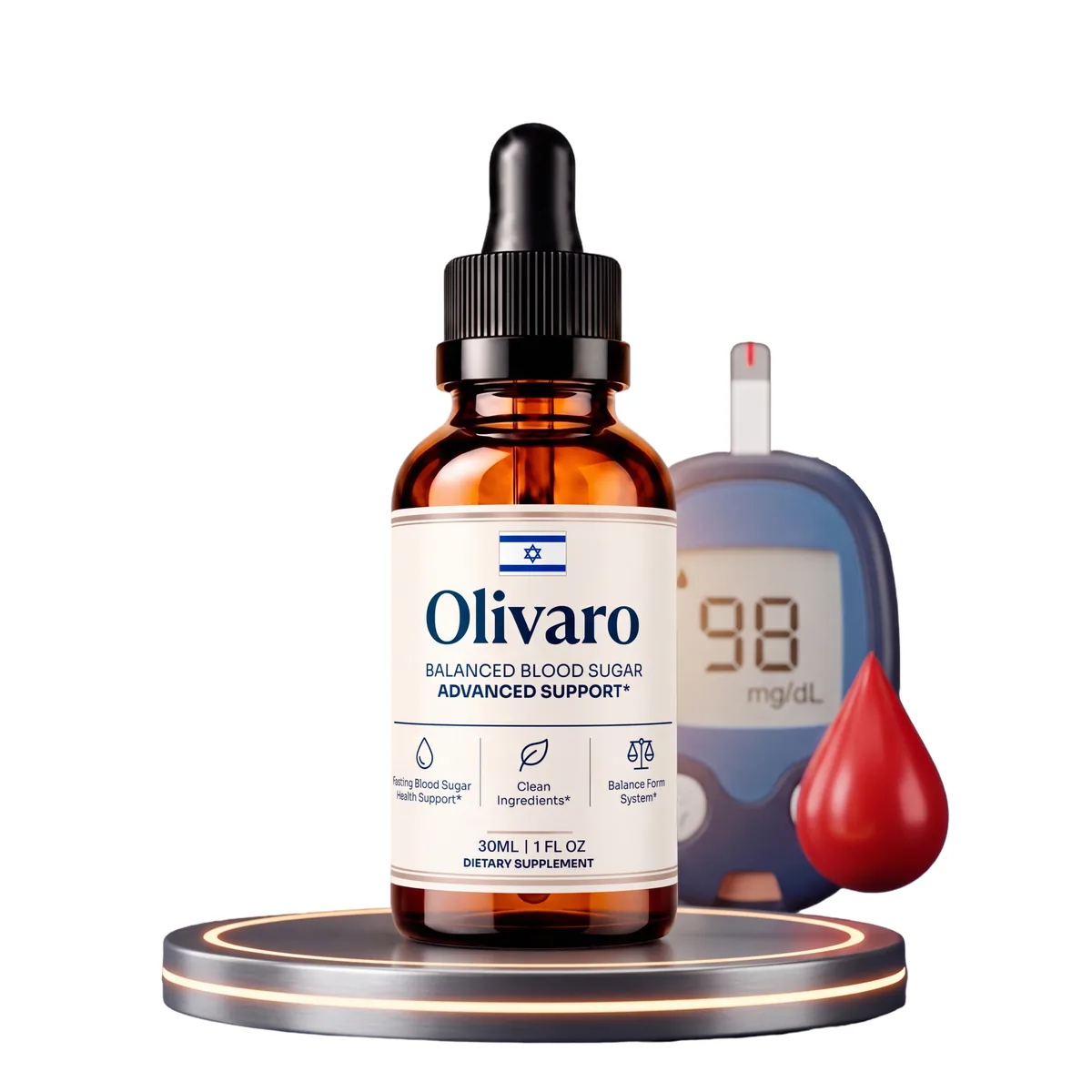
Related review
Looking at a ready-made blend?
Olivaro is a liquid with chromium picolinate and a 200 mg blend of 22 plant ingredients. Our review reads its full label, the real kit prices and every version of its refund policy.
Frequently Asked Questions
Does cinnamon actually lower blood sugar in prediabetes?
It can produce a small reduction in fasting glucose and improve insulin sensitivity, based on a 2019 meta-analysis. However, the effect is modest and inconsistent, and far weaker than diet, exercise, or better-studied supplements. Think helper, not solution.
How much cinnamon should I take for blood sugar?
A culinary dose of about ½ to 1 teaspoon (roughly 1 to 3 grams) of Ceylon cinnamon per day is reasonable. Larger “megadoses” don’t reliably work better and, with Cassia cinnamon, increase coumarin exposure. Always confirm with your doctor, especially if you take medication.
Is Ceylon or Cassia cinnamon better for blood sugar?
Most positive studies used Cassia, but Cassia is high in coumarin, which can stress the liver at high daily doses. Ceylon contains 250 to 1,000 times less coumarin and is the safer choice for daily, intentional use. For everyday supplementation, Ceylon wins on safety.
Can cinnamon replace my prediabetes medication?
No. Cinnamon’s effect is too small and inconsistent to replace any prescribed medication. Never stop or change a prescription without your doctor. For a realistic look at this question, see our article on whether supplements can replace prediabetes medication.
Is it safe to take cinnamon every day?
Daily Ceylon cinnamon in culinary amounts is generally considered safe for most people. Daily high-dose Cassia is riskier because of coumarin and potential liver stress. If you have liver issues, take blood thinners, or use diabetes drugs, check with your doctor first.
What works better than cinnamon for prediabetes?
The fundamentals, reducing refined carbs, walking after meals, sleeping well, and managing stress, outperform cinnamon by a wide margin. Among supplements, berberine has stronger evidence. See our best supplements for prediabetes guide for the evidence-ranked list.
Sources & further reading: CDC, About Prediabetes, NIDDK, Diabetes, PubMed, Mayo Clinic, Prediabetes.