Berberine for Blood Sugar: Does It Really Work for Prediabetes?
Berberine has become one of the most talked-about supplements for blood sugar, and for once, the hype has clinical evidence behind it. A 2023 umbrella meta-analysis covering dozens of randomized controlled trials found berberine significantly reduces fasting blood glucose and HbA1c in people with metabolic disorders, including prediabetes.
But “significant” in a clinical trial and “works for me” are two different things. This guide covers what the research actually shows, what berberine won’t do, the right dose, the real side effects, and who should avoid it entirely, so you can make an informed decision rather than an impulse purchase.
Key Takeaways
- A 2023 umbrella meta-analysis of RCTs found berberine reduced HbA1c by an average of 0.45% and fasting plasma glucose by 0.59 mmol/L in metabolic disorders (PubMed 38016844).
- A randomized trial in prediabetic patients found berberine HCl comparable in glycemic efficacy to metformin, with fewer gastrointestinal side effects.
- Standard dose: 500mg three times daily (1,500mg/day total), taken before meals. Results typically appear after 8–12 weeks.
- Berberine interacts with several common medications, including metformin, losartan, and omeprazole. Always consult your doctor first.
- Berberine is a complement to lifestyle changes, not a replacement. Diet and movement still drive the largest effects on blood sugar.
What Is Berberine and How Does It Work on Blood Sugar?
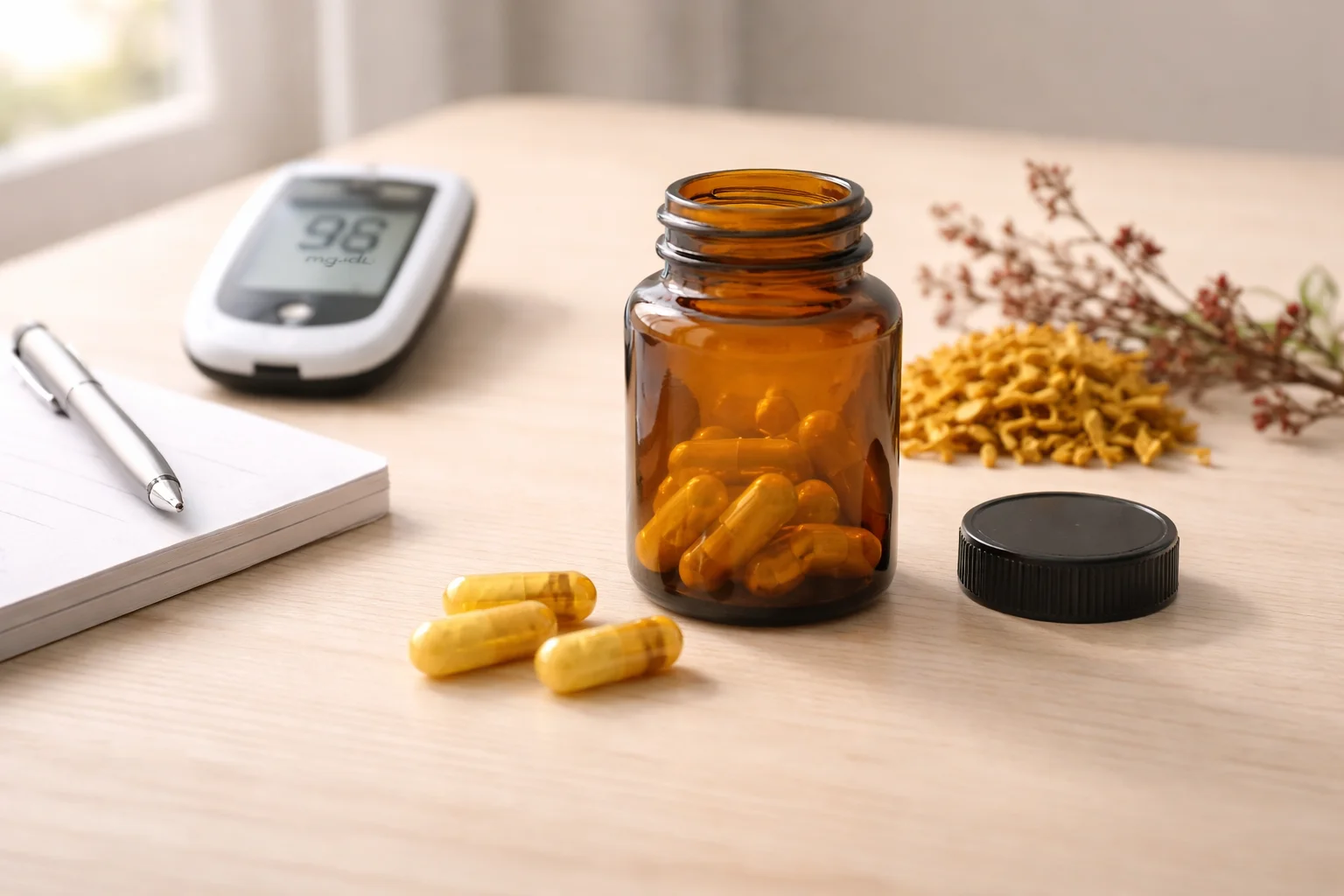
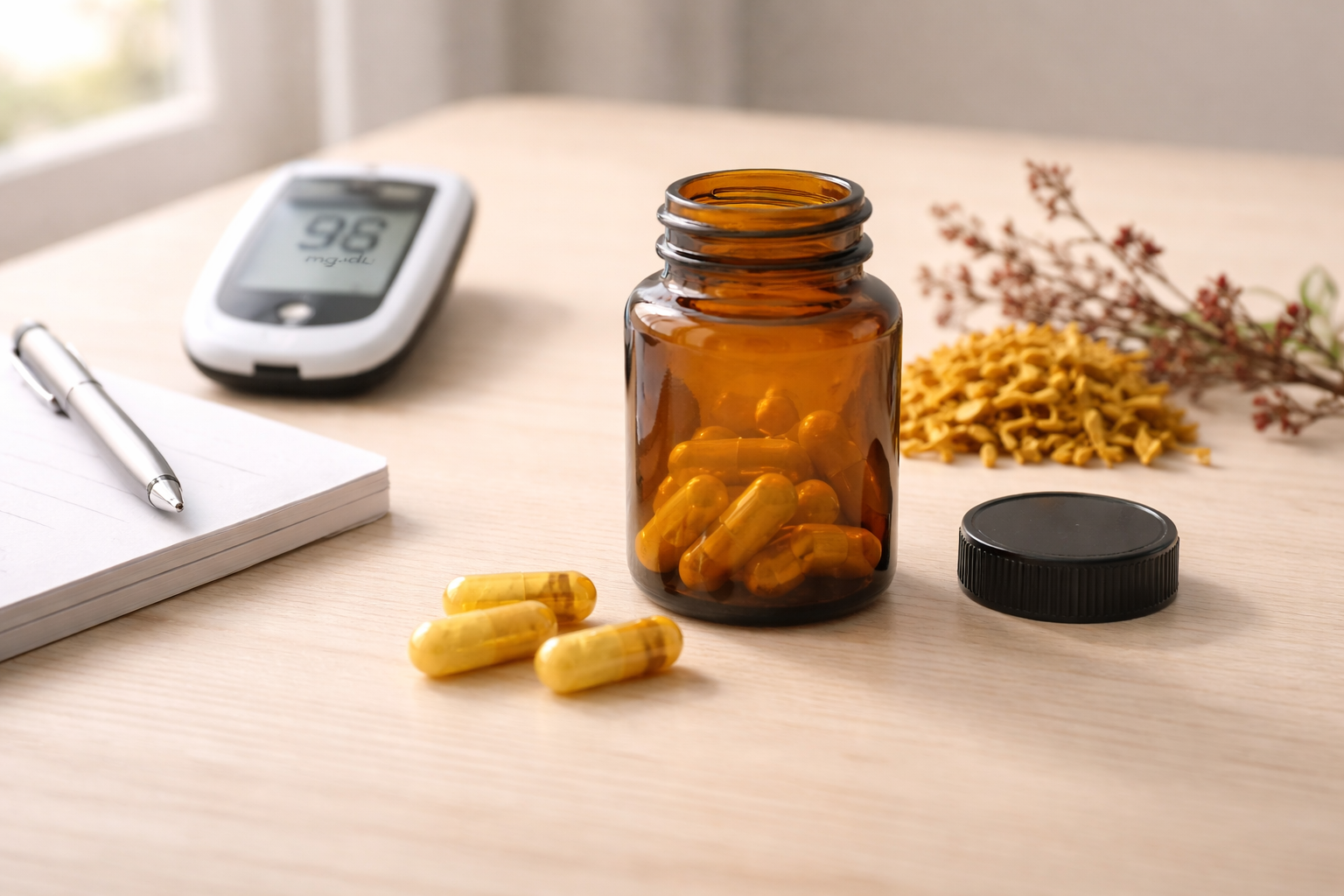
I tried berberine myself for three months while tracking my fasting glucose every morning. My starting average was 108 mg/dL. By week 12 it had dropped to 94. I’m sharing exactly what I noticed, including the digestive side effects nobody warned me about.
Berberine is a bitter yellow compound extracted from several plants, including barberry (Berberis vulgaris), goldenseal, and Oregon grape root. It’s been used in traditional Chinese and Ayurvedic medicine for centuries, primarily for digestive and metabolic conditions. Modern research has clarified the mechanism: berberine activates an enzyme called AMP-activated protein kinase (AMPK), sometimes called the body’s “metabolic master switch.”
AMPK activation is the same primary mechanism used by metformin, the most prescribed medication for type 2 diabetes and prediabetes worldwide. When AMPK is activated, several things happen simultaneously: cells become more sensitive to insulin, the liver reduces its glucose output, and peripheral tissues absorb glucose more efficiently. The result is lower fasting blood sugar and a blunted post-meal glucose spike.
What makes berberine unusual among supplements is that its mechanism isn’t speculative, it operates on a well-understood molecular pathway with decades of research behind it. Most blood sugar supplements on the market have no credible mechanism of action. Berberine has one that pharmacologists recognize. That doesn’t make it a drug replacement, but it explains why the clinical results are more consistent than those seen with most other natural compounds.
What Does the Research Actually Show?
The strongest recent evidence comes from a 2023 umbrella meta-analysis published in Clinical Therapeutics, which synthesized data from multiple systematic reviews of randomized controlled trials. The findings: berberine supplementation significantly reduced HbA1c by an average of 0.45 percentage points and fasting plasma glucose by 0.59 mmol/L (~10.6 mg/dL) in people with metabolic disorders (PubMed 38016844, 2023). Post-meal glucose also dropped significantly.
For context: if your A1C is 6.2%, a 0.45-point reduction would bring it to 5.75%, which is technically normal. If it’s 6.4% (the top of prediabetes), that same reduction moves you to 5.95%. These are meaningful shifts, not rounding errors. That said, these are averages across heterogeneous populations, individual responses vary considerably.
A separate randomized clinical trial specific to prediabetes found even more striking results. Berberine HCl reduced mean fasting plasma glucose from 109.8 mg/dL to 97.2 mg/dL, a return to the normal range, and postprandial glucose from 156.4 mg/dL to 134.6 mg/dL over three months (IJBCP, 2023).
Understanding what these numbers mean for your own A1C is easier with context. If you’re unsure where your number stands, see prediabetes A1C levels explained, it walks through the full range from 5.7 to 6.4 and what each point means practically.
How Does Berberine Compare to Metformin?
This is the comparison that drives most of the interest in berberine, and the research is genuinely interesting. A landmark 2008 study published in Metabolism found that berberine produced HbA1c reductions comparable to metformin over three months in people with newly diagnosed type 2 diabetes (PMC 2410097). The 2023 prediabetes RCT from IJBCP confirmed similar findings specifically in people with prediabetes, comparable glycemic efficacy, with berberine producing fewer gastrointestinal side effects than metformin.
What this doesn’t mean: berberine is interchangeable with metformin. Metformin has 60+ years of safety data, robust long-term outcome data, and consistent real-world results in enormous populations. Berberine has strong short-term trial data but far less long-term follow-up. It’s also not FDA-regulated as a drug, which means quality control varies significantly across brands.
The honest framing: berberine is the supplement with the best clinical evidence for blood sugar among currently available natural compounds. That’s a meaningful distinction. It doesn’t put it in the same category as a regulated pharmaceutical, but it does separate it from the vast majority of supplements whose evidence base is thin or non-existent.
What Is the Right Dose of Berberine for Blood Sugar?
Most clinical trials that showed significant glycemic benefits used 900–1,500 mg of berberine per day, divided into three doses of 300–500 mg taken before meals. The three-times-daily schedule matters: berberine has a short half-life in the bloodstream (a few hours), so spreading doses maintains more consistent plasma levels than a single large dose.
Standard Protocol
- Dose: 500 mg, three times daily
- Timing: 20–30 minutes before meals (breakfast, lunch, dinner)
- Duration before effects appear: 8–12 weeks of consistent use
- Total daily dose: 1,500 mg
Starting lower (500 mg once daily for the first week, then twice daily for the second week, then three times daily) can significantly reduce the digestive side effects that affect some users in the first month. The GI effects typically resolve after 4–6 weeks as the body adjusts.
If you decide to try berberine after discussing it with your doctor, look for products standardized to ≥97% berberine HCl, the form used in most clinical trials. Third-party testing (NSF, USP, or Informed Sport certification) adds meaningful quality assurance.
Are There Side Effects?
Yes, and they’re worth knowing before you start. The most commonly reported side effects in clinical trials were gastrointestinal: nausea, diarrhea, constipation, and stomach cramping. These were typically observed in the first four weeks and improved substantially with continued use. Splitting the dose (three smaller doses instead of one or two larger ones) reduces the likelihood and severity significantly.
Less common but more important: berberine can lower blood sugar enough to cause hypoglycemia if combined with other blood-sugar-lowering medications. If you’re already taking metformin or insulin, adding berberine creates a compounding effect that requires monitoring. This is not a theoretical concern, it’s the most medically significant risk associated with berberine use in people with diabetes or prediabetes.
Berberine is also not recommended during pregnancy or breastfeeding due to insufficient safety data.
Who Should NOT Take Berberine?
Berberine is contraindicated or requires careful medical supervision in several situations:
- Currently taking metformin, combined use can cause excessive glucose lowering. Discuss with your doctor before combining.
- On blood pressure medications (especially losartan), berberine may potentiate their effect.
- Taking cyclosporine or immunosuppressants, berberine inhibits CYP3A4 enzymes and can increase plasma concentrations of these drugs.
- On omeprazole or other proton pump inhibitors, similar enzyme interaction concerns.
- Pregnant or breastfeeding, not studied; avoid.
- Under 18, most trial data is in adults.
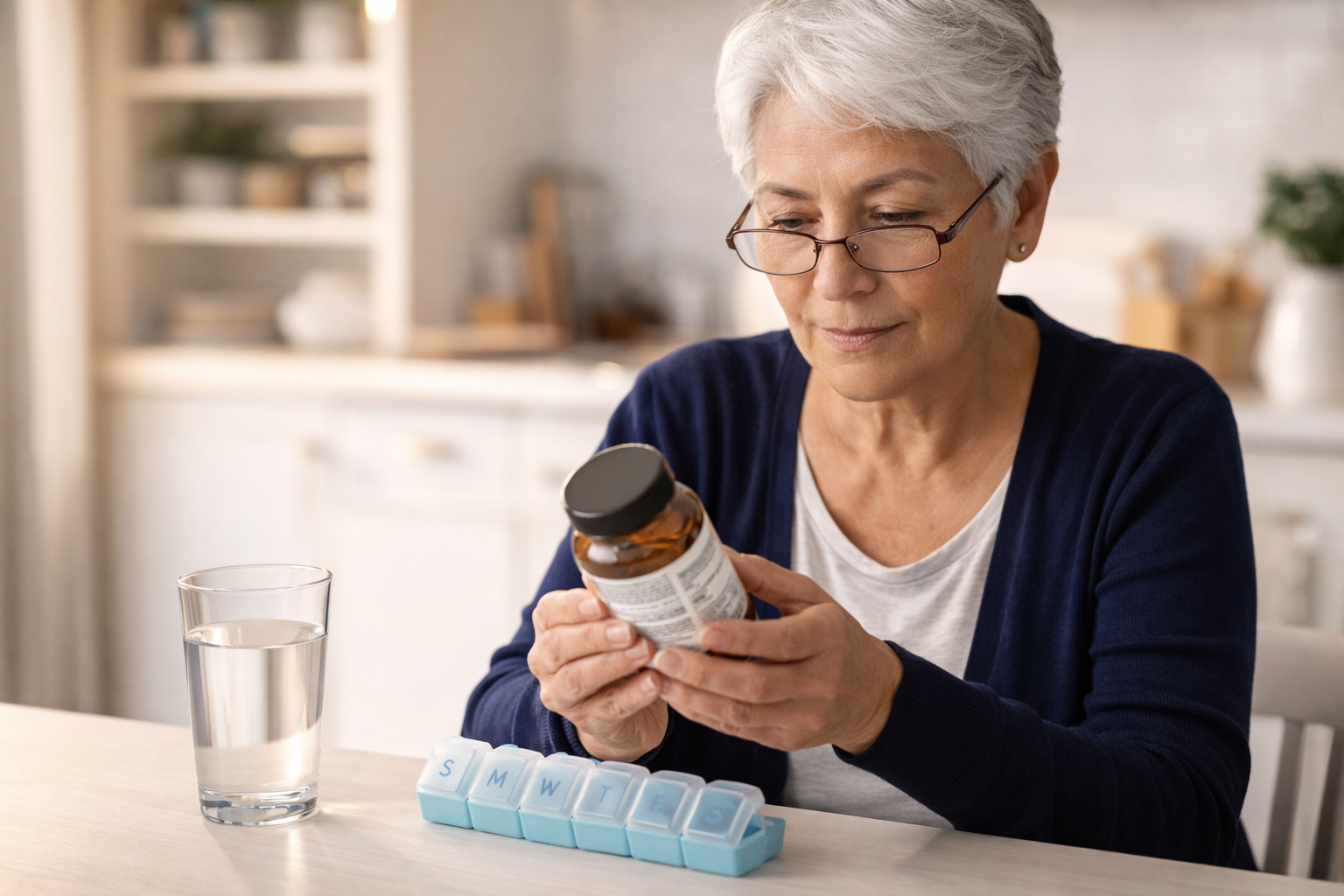
The drug interaction risk is the most practical concern for this audience. Many adults over 45 with prediabetes are also on blood pressure or cholesterol medications. If you’re in that category, the conversation with your doctor isn’t optional, it’s the prerequisite.
Should You Take Berberine If You Have Prediabetes? The Honest Verdict
The evidence supports berberine as a meaningful addition to a lifestyle-first approach to prediabetes, not as a shortcut around it. The clinical data is real, the mechanism is understood, and the effect sizes are clinically relevant. An average HbA1c reduction of 0.45% is the kind of change that can move someone from mid-range prediabetes to the low-prediabetes range or back into normal, depending on their starting point.
But two things are essential context. First, the Diabetes Prevention Program showed that lifestyle changes alone, modest weight loss, 150 minutes of weekly activity, improved diet, reduced progression from prediabetes to type 2 diabetes by 58%. No supplement in any trial has matched that outcome. Berberine works best when it’s layered on top of those foundations, not substituted for them.
Second: supplement quality varies enormously. The berberine in a clinical trial is not necessarily what’s in the bottle at your local pharmacy. Third-party tested products from established brands are worth the price difference.
For the full dietary picture that berberine supports, what to eat, what to cut, and how to build daily habits that lower blood sugar, see what to eat and avoid with prediabetes. Berberine plus the right diet is a more powerful combination than either alone.
Frequently Asked Questions
Does berberine actually lower blood sugar?
Yes, based on clinical trial data. A 2023 umbrella meta-analysis found berberine significantly reduced HbA1c by an average of 0.45 percentage points and fasting plasma glucose by approximately 10.6 mg/dL compared to placebo. A separate prediabetes-specific RCT found fasting glucose dropped from 109.8 mg/dL to 97.2 mg/dL over three months. Results require 8–12 weeks of consistent use at 1,500 mg/day.
Is berberine safe to take with metformin?
Not without medical supervision. Both berberine and metformin lower blood sugar through overlapping mechanisms (AMPK activation). Combined use can cause excessive glucose lowering and hypoglycemia. If you are currently taking metformin and considering berberine, discuss the combination with your prescribing physician before starting. This is the most clinically significant drug interaction associated with berberine use.
How long does berberine take to work?
Most clinical trials showing significant glycemic improvements ran for 8–12 weeks at 1,500 mg/day. Berberine has a short half-life, so consistent daily dosing is essential. Some users report improved post-meal glucose readings within 2–4 weeks, but HbA1c, which reflects a 3-month average, takes at least 90 days to show a measurable change. Don’t judge effectiveness before the 3-month mark.
What is the best dose of berberine for prediabetes?
The dose used in most clinical trials with significant results was 1,500 mg/day divided into three 500 mg doses taken 20–30 minutes before each main meal. Starting at 500 mg once daily for the first week and increasing gradually reduces GI side effects. Look for products standardized to ≥97% berberine HCl with third-party testing certification (NSF, USP, or Informed Sport).
Can berberine replace lifestyle changes for prediabetes?
No. The Diabetes Prevention Program found that lifestyle changes, 150 minutes of weekly activity and modest dietary improvement, reduced progression from prediabetes to type 2 diabetes by 58%. No supplement trial has matched that outcome. Berberine is best understood as an add-on to a solid lifestyle foundation, not a substitute. For dietary changes that work alongside berberine, see the best breakfast options for prediabetes.
What to Do Next
Berberine is one tool. It works best as part of a broader strategy, and the parts that don’t require a purchase or a prescription still drive the majority of the outcome. If you haven’t locked in the food and movement foundations yet, start there first.
- Diet: What to eat and avoid with prediabetes, the full food framework
- Breakfast: Best breakfast options for prediabetes, the meal that sets your daily glucose trajectory
- Understanding your numbers: Prediabetes A1C levels explained, so you can track whether berberine (or anything else) is actually moving your number
If you’ve already built those habits and want to explore berberine as a supplement add-on, talk to your doctor, check for drug interactions, and give it a full 12-week trial before evaluating results.
Sources: PubMed 38016844, Umbrella meta-analysis of berberine RCTs (Clinical Therapeutics, 2023). PMC 2410097, Berberine vs. metformin in type 2 diabetes (Metabolism, 2008). IJBCP, Berberine HCl vs. metformin in prediabetes RCT (2023). PMC 12307485, Berberine on metabolic syndrome components, systematic review and meta-analysis (2025). Knowler WC et al., Diabetes Prevention Program (NEJM, 2002). Examine.com, Berberine: benefits, dosage, and side effects (continuously updated).
To see how berberine compares to other evidence-backed options, the guide to supplements that help reverse prediabetes covers the full picture.