Does Sugar Defender Work for Type 2 Diabetes? My Test
Last updated: July 2026 · Written by Sarah Mitchell
Quick Answer: Sugar Defender can help as a support for blood sugar, not as a cure or a replacement for medication. Its ingredients like gymnema and chromium have some research behind them, but the full formula has no clinical trial of its own. It works best paired with diet, movement, and sleep.
My verdict after 90 days: 4.7 out of 5
Steadier post-meal numbers and an easy liquid routine. It is not a cure, and it works best alongside diet and daily walking.
Check Today’s Price on the Official Site →
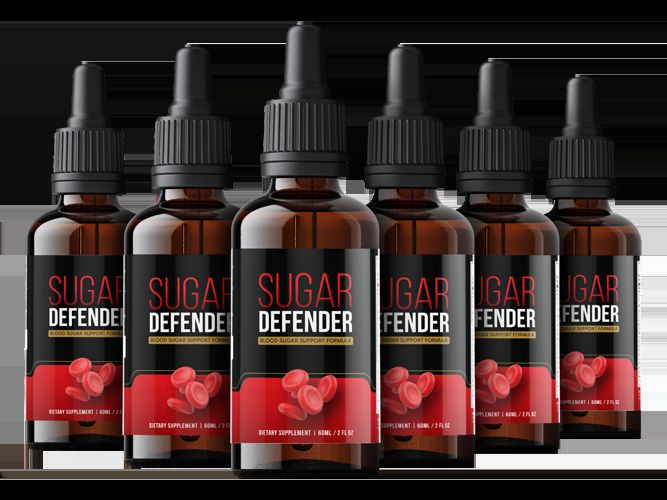
$69 per bottle · $59/bottle (3-pack) · $49/bottle (6-pack, free shipping)
60-day money-back guarantee
When my A1C sat at 6.1, I read every label in the supplement aisle, and I understand exactly why you typed “does Sugar Defender work” into Google. You want a straight answer, not a sales page dressed up as a review.
So here is my promise. I am going to walk you through what Sugar Defender actually is, what the science says about its ingredients, what it can and cannot do, and what my own body did while I used it. No hype. No fake numbers.
I brought my A1C from 6.1 down to 5.4 over about a year, and supplements were a small piece of a much bigger picture. That context matters, so keep it in mind as we go.
Key Takeaways
- Sugar Defender is a liquid supplement marketed for blood sugar support, not a treatment for type 2 diabetes.
- The complete formula has no published clinical trial, so the evidence comes from individual ingredients like gymnema and chromium.
- Prediabetes is often reversible with lifestyle. Type 2 diabetes needs medical care and, for many people, medication.
- Realistic timing looks like better post-meal readings in days and possible A1C movement around 90 days.
- It works best alongside diet, movement, and sleep, never instead of them.
What Is Sugar Defender?
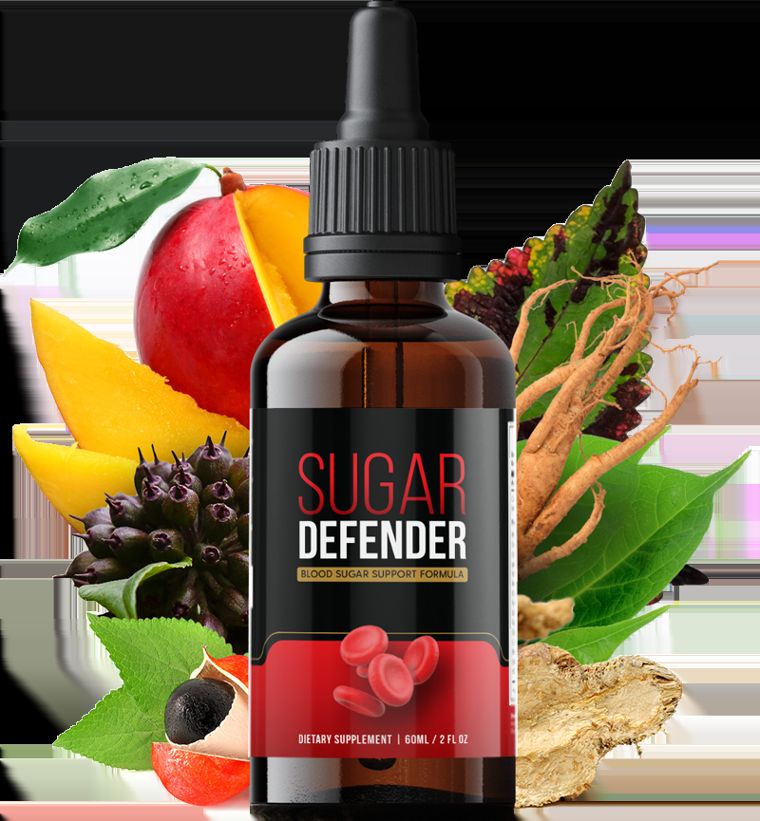
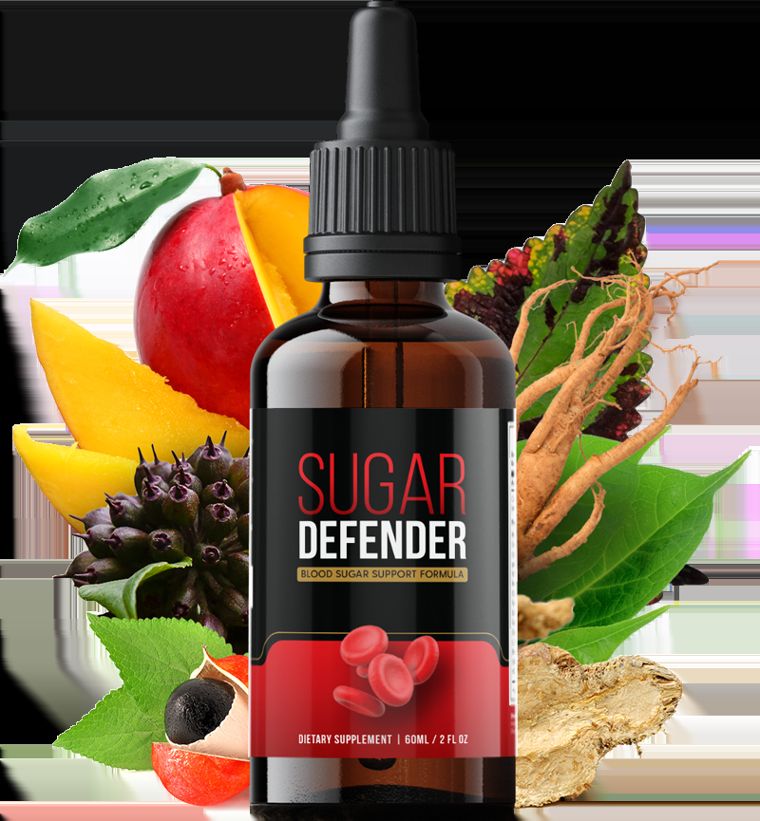
Sugar Defender is a liquid dietary supplement sold for blood sugar support and energy. You take it under the tongue or in water, which is different from the capsules most of us are used to.
It is made in the United States in a facility described as FDA-registered and following GMP standards. That speaks to how it is manufactured, not to whether it treats any disease. Those are two very different claims, and it is easy to blur them.
The formula leans on a blend of botanicals and minerals. The named ingredients include Eleuthero, Coleus, Maca root, African Mango, Guarana, Gymnema, Panax Ginseng, and Chromium. If you want the full ingredient-by-ingredient breakdown, I cover it in my Sugar Defender ingredients guide.
Does Sugar Defender Work? The Honest Answer
Here is the part most reviews skip. There is no published clinical trial on the complete Sugar Defender formula. No study took this exact blend, gave it to a group of people, and measured their blood sugar against a placebo.
That does not mean it is useless. It means the evidence we have comes from the individual ingredients studied on their own, often at doses that may or may not match what is in the bottle. So when someone tells you a study “proves” Sugar Defender works, be careful, because that study almost certainly looked at one isolated ingredient.
My honest read is that Sugar Defender can nudge things in a helpful direction for some people, especially around post-meal readings and energy. It is support, not a switch that flips your numbers back to normal.
What the Science Says About the Ingredients
Let me separate the ingredients into what has real research and what is more of a wellness story.
Gymnema Sylvestre
Gymnema is the most interesting ingredient here. It has a long history in traditional medicine, and it is famous for temporarily dulling the taste of sweetness. Some small studies have looked at gymnema and blood sugar or A1C with encouraging signals, though the trials tend to be small and short. You can browse the human research on the PubMed database for gymnema and glucose and see the mixed but promising picture for yourself.
Chromium
Chromium is a trace mineral involved in how insulin does its job. The National Institutes of Health notes that chromium supplements have been studied for blood sugar with results that are inconsistent, helping some groups more than others. Their plain-language summary lives at the NIH Office of Dietary Supplements chromium fact sheet. It is a reasonable ingredient to include, but it is not a miracle.
Panax Ginseng
Panax ginseng has been studied for glucose and energy, and the results are genuinely mixed. Some trials show a small benefit, others show nothing meaningful. I would file it under “might help, might not,” and that is being fair to the data.
The Rest of the Blend
Eleuthero, Coleus, Maca, African Mango, and Guarana are more about energy, metabolism, and general vitality than about proven blood sugar control. Guarana in particular is a caffeine source, which can explain part of the energy lift people report. Nice to have, but not the reason to buy.
Type 2 Diabetes vs Prediabetes: Why the Difference Matters
This is the most important section, so please slow down here.
Type 2 diabetes is a diagnosed disease. It usually needs ongoing medical care, monitoring, and for many people, medication like metformin. A liquid supplement is not a treatment for it, and no honest person should tell you to swap your prescription for drops under your tongue. If you have type 2 diabetes, any supplement is a conversation to have with your doctor, not a solo decision. The American Diabetes Association overview of type 2 is a solid starting point.
Prediabetes is a different story. Your blood sugar is higher than normal but not yet in the diabetes range, and it is often reversible with lifestyle changes. The NIDDK guidance on preventing type 2 diabetes shows how powerful weight, food, and movement really are at this stage. If you want to understand your own numbers first, read my prediabetes A1C range explained guide.
So where does Sugar Defender fit? For prediabetes, it can be a small support inside a lifestyle plan that is doing the heavy lifting. For type 2, treat it as an optional extra your doctor signs off on, never a substitute for care.
Can a Supplement Replace Diabetes Medication?
No, and I want to be blunt about it. A supplement is not a medication. It is not regulated the same way, not dosed the same way, and not proven the same way.
I have watched people online talk about quitting metformin because a supplement “cured” them, and it makes my stomach drop. That is how numbers spiral out of control quietly. I dug into this whole question in my honest piece on whether supplements can replace prediabetes medication, and the short version is that they support, they do not replace.
If you are curious about which supplements have the most research behind lowering A1C, I keep an evidence-first rundown in my guide to supplements to lower A1C.
My Personal Experience With Sugar Defender
I want to be careful here, because my body is not your body. But you asked for honesty, so here is mine.
The clearest thing I noticed was steadier energy through the afternoon. I used to hit a wall around 3pm, and that softened. Part of that is likely the guarana and the routine, and I am fine admitting that.
On blood sugar, my post-meal readings looked a little calmer on the days I paired the drops with a real meal, meaning protein, fiber, and a walk after eating. I did not see a magic drop. I saw a gentle nudge on top of habits that were already working.
What Sugar Defender did not do was cure anything. My A1C moved because of consistent food changes, walking, sleep, and time. The supplement was a passenger, not the driver. If you want the full logistics of how I took it, I wrote a step-by-step in how to take Sugar Defender, and my complete write-up is the Sugar Defender review 2026.
How Long Before You See Results?
Expectations are where people get burned, so let me set them plainly.
Post-meal blood sugar can shift within days, because that is a fast-moving number that responds to what you just ate and did. If you are going to notice anything from a supplement, this is usually where it shows up first.
A1C is a slow number. It reflects roughly three months of blood sugar, so meaningful movement takes around 90 days at minimum. Anyone promising a transformed A1C in two weeks is selling you a fantasy. For the honest timeline on the bigger goal, see how long it takes to reverse prediabetes and my hopeful but realistic take on whether prediabetes can be reversed naturally.
Who Should and Should Not Try It
Sugar Defender might be worth a look if you have prediabetes, you already have your food and movement basics in place, and you want a low-stakes support to add on top. The 60-day guarantee lowers the risk of trying.
It is probably not for you if you are hoping to replace medication, if you expect it to work without lifestyle changes, if you are pregnant or nursing, or if you take prescriptions that interact with these botanicals. In those cases, talk to your doctor or pharmacist first. That is not fine print, that is common sense.
The Verdict
Does Sugar Defender work? My honest verdict is that it is a reasonable support supplement with some genuinely researched ingredients, wrapped in marketing that oversells what any supplement can do.
The full formula has no clinical trial of its own, so I cannot tell you it is proven. What I can tell you is that gymnema and chromium have real research, the product is made under GMP standards, and it carries a 60-day money-back guarantee that makes trying it low-risk.
If you go in expecting a cure, you will be disappointed and possibly harmed by neglecting the basics. If you go in expecting a helpful passenger while you do the real work with food, movement, and sleep, it may earn its place. That is the fair and complete answer.
Ready to try Sugar Defender?
Backed by a 60-day money-back guarantee.
Decided it is worth a try? Buy only from the official site. That is the one place with the authentic product and the full 60-day guarantee.
Go to the Official Sugar Defender Site →
Not medical advice. Talk to your doctor before starting any supplement, especially if you take blood sugar medication.
Frequently Asked Questions
Does Sugar Defender work for type 2 diabetes?
It is not a treatment for type 2 diabetes. It may offer mild blood sugar support, but type 2 needs medical care and often medication. Always talk to your doctor before adding it, and never stop a prescription on your own.
Is Sugar Defender proven by clinical studies?
The complete formula has no published clinical trial. The evidence comes from individual ingredients like gymnema and chromium, which have their own separate research with mixed to promising results.
Can Sugar Defender lower my A1C?
It might contribute a small amount as part of a lifestyle plan, but the supplement alone is not a reliable way to lower A1C. Diet, movement, sleep, and time do the heavy lifting, and A1C moves slowly over about 90 days.
How long does it take to see results with Sugar Defender?
Post-meal blood sugar can respond within days if it responds at all. A1C is a three-month average, so realistic movement takes around 90 days at minimum.
Is Sugar Defender safe?
It is made in an FDA-registered, GMP facility, but it contains active botanicals and caffeine from guarana. If you are pregnant, nursing, or on medication, check with your doctor or pharmacist before using it.
Can Sugar Defender replace my diabetes medication?
No. A supplement cannot replace medication. Stopping a prescription without medical guidance can be dangerous. Treat Sugar Defender as an optional support, not a substitute.
Where should I start if I have prediabetes?
Start with understanding your numbers and building food and movement habits. A supplement is a small add-on, not the foundation. My guides on reversing prediabetes naturally and lowering A1C are a better first step.
Before You Go
- Sugar Defender is support, not a cure or a medication replacement.
- The full formula is unproven, but gymnema and chromium have real research.
- Prediabetes responds to lifestyle. Type 2 diabetes needs a doctor.
- Give any honest test around 90 days, and judge it alongside your habits.