Over-50 Exercise Plan to Lower Blood Sugar (No Gym)
Over-50 Exercise Plan to Lower Blood Sugar (No Gym)

When my A1C came back at 6.1, my first instinct was that I needed to punish myself at a gym. I pictured treadmills, sweat, and a monthly bill I would resent. None of that turned out to be true.
What actually brought my A1C down to 5.4 was quieter than that. It was a daily walk and better food choices, on a schedule simple enough that I could not talk myself out of it. That is exactly what I want to hand you today.
This is a plan for a real beginner. If you are 55 or 68, if you have not exercised in years, if your knees complain, you are the person I wrote this for. None of this is medical advice, and I will show you where to check with your doctor first, but the movement itself is gentle by design.
Key Takeaways
- Walking after meals is the single highest-value habit for lowering blood sugar, and it takes as little as 10 minutes.
- Light strength training twice a week builds muscle, and more muscle means your body handles sugar better around the clock, not just while you move.
- The weekly target is roughly 150 minutes of moderate activity plus two short strength sessions, but you build up to it slowly.
- You need zero gym equipment. Your own body weight, a chair, and a pair of light dumbbells or water bottles are enough.
- If you take diabetes medication, exercise can push your blood sugar low, so learn the warning signs and talk with your doctor before you start.
Why Exercise Lowers Blood Sugar So Well
Here is the part that finally made it click for me. When you move, your muscles need fuel, and one of their favorite fuels is glucose, the sugar in your blood.
During activity, your muscles can pull glucose out of your bloodstream without needing much insulin to do it. That means a walk gives your overworked insulin system a break while lowering the sugar in your blood at the same time.
The effect is not just for the moment. Regular movement makes your cells more sensitive to insulin for hours, sometimes up to a day or two, so your whole system runs smoother. The CDC has a clear breakdown of how physical activity helps manage blood sugar if you want the official version.
This is a big reason movement matters even if the scale barely moves. I wrote a whole piece on how you don’t need to lose weight to reverse prediabetes, because the insulin sensitivity you build is doing quiet work behind the scenes.
The Two Kinds of Movement That Matter Most
You do not need a complicated routine. For blood sugar, two types of movement carry most of the weight, and they work together.
1. Walking, Especially After Meals
Walking is the backbone of this plan. It is free, it is gentle on the body, and almost anyone can do it. But the timing is where the magic hides.
Your blood sugar rises highest in the hour or two after you eat. If you walk during that window, your muscles soak up a chunk of that sugar before it can spike. A short stroll after a meal can blunt that rise in a way that the same walk at a random time cannot.
You do not need to march. An easy, conversational pace is plenty. I break down the timing and the science in does walking after meals lower blood sugar, and it is one of my most-read articles for good reason.
2. Light Strength Training
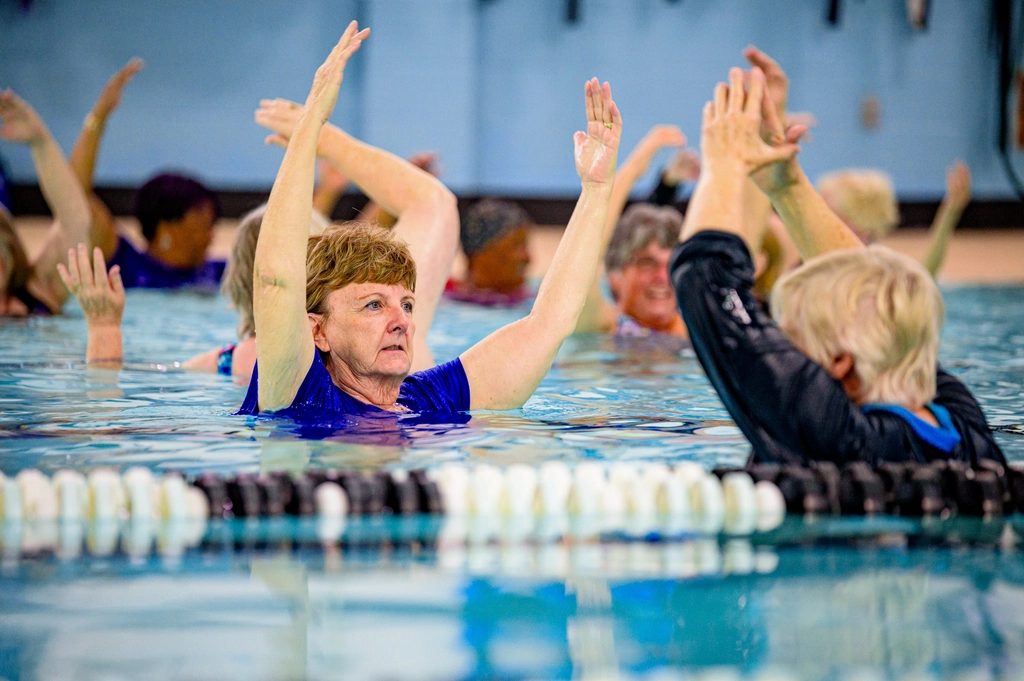
This is the piece most beginners skip, and it is the one I want to gently push you toward. Strength training, also called resistance training, means working your muscles against some resistance, whether that is light dumbbells, resistance bands, or just standing up from a chair.
Muscle is like a storage tank for glucose. The more muscle you carry, the more room your body has to park sugar instead of leaving it floating in your blood. That improves your insulin sensitivity in a lasting way, even on days you do not train.
The American Diabetes Association recommends resistance exercise at least twice a week for exactly this reason. You can read their fitness guidance for the full picture. Two short sessions a week is the sweet spot for a beginner.
How Much, How Often, and How Hard
The general target that most health bodies agree on is about 150 minutes of moderate activity per week, plus two strength sessions. But please do not let that number scare you on day one.
How much: Start with what you can actually do. If that is a 10 minute walk after dinner, that is a real win. You will build from there.
How often: Aim for a little something most days. Consistency beats intensity every single time. Five short walks in a week does far more than one exhausting hike.
How hard: For walking, moderate means you can talk but not sing. You should feel your breathing pick up while still being able to hold a conversation. For strength work, the last two repetitions of a set should feel like honest effort, never straining or holding your breath.
A large body of research backs this up. This review on exercise and insulin sensitivity found that both aerobic activity and resistance training meaningfully improve how the body handles glucose. You get to pick the mix that fits your life.
How to Start From Absolute Zero
If you have not moved much in years, the goal for your first two weeks is not fitness. It is showing up. Here is how I would ease in.
Week 1: Walk 10 minutes after your largest meal of the day. That is the whole assignment. Do it most days.
Week 2: Add a second short walk after another meal, and try two rounds of gentle chair exercises, like standing up and sitting down slowly ten times.
Week 3 and beyond: Stretch your walks toward 15 minutes and add light dumbbells or bands to your strength days. This is where the full weekly plan below picks up.
Progress by adding a little at a time, either a few more minutes or one more day. If a week feels hard, hold steady rather than pushing. There is no prize for rushing, and reversing prediabetes is a marathon of small habits. I talk about realistic timelines in how long it takes to reverse prediabetes.
Your Simple Weekly Exercise Plan
Here is the schedule I would give a friend starting out. It mixes walking, two strength days, and gentle stretching, with a real rest day built in. Adjust the meal timing to your own routine.
| Day | Activity | Duration |
|---|---|---|
| Monday | Walk after two meals (lunch and dinner) | 2 x 15 min |
| Tuesday | Light strength training + short walk | 20 min + 10 min |
| Wednesday | Walk after dinner + gentle stretching | 15 min + 10 min |
| Thursday | Light strength training + short walk | 20 min + 10 min |
| Friday | Walk after two meals | 2 x 15 min |
| Saturday | Longer relaxed walk + full-body stretch | 30 min + 10 min |
| Sunday | Rest or an easy gentle walk if you feel like it | Optional 10 min |
Look at what that adds up to. You land right around 150 minutes of walking, two strength days, and stretching, without a single trip to a gym. If a day is too much, drop the second walk and keep the plan alive rather than quitting it.
What Light Strength Training Actually Looks Like
You do not need fancy equipment. A pair of light dumbbells, a resistance band, or two filled water bottles will do. Here is a simple beginner circuit you can do in your living room.
- Chair stands: Sit and stand from a sturdy chair, slowly, 10 times. This builds the big muscles in your legs, which are your biggest glucose tanks.
- Wall push-ups: Stand arm’s length from a wall, hands flat, and lower your chest toward it, 10 times. Easier on the wrists than floor push-ups.
- Bicep curls: With light weights or water bottles, curl toward your shoulders, 10 to 12 times.
- Standing marches: Hold a counter for balance and lift each knee, 20 total, to work your core and hips.
Do each move slowly, rest a minute, and repeat the circuit once or twice. If something hurts in a sharp or joint way, stop that move. Muscle effort is fine, joint pain is a no.
Don’t Skip Stretching and Everyday Movement

Stretching will not lower your blood sugar much on its own, but it keeps you loose, protects your joints, and makes the walking and strength work feel better. A gentle five to ten minutes on your walking days is plenty.
I also want you to think beyond your planned sessions. The little movements count. Standing up every 30 minutes, taking the stairs, parking farther away, gardening, pacing while you are on the phone. All of it nudges your blood sugar in the right direction.
Sitting for long unbroken stretches is quietly hard on blood sugar. Just standing and moving for two minutes every half hour makes a measurable difference. It stacks nicely with the other pillars I write about, like sleep and stress, which I cover in how stress and poor sleep affect prediabetes.
Movement also pairs beautifully with what is on your plate. Certain foods work with your walks to smooth out spikes, and I list my favorites in foods that lower blood sugar quickly. Together they are the reason so many people find that prediabetes can be reversed naturally, without a prescription and without a gym.
Safety First: Before You Lace Up
I want you moving, but I want you moving safely. A few honest cautions before you start.
Check with your doctor first. This matters most if you have heart trouble, joint issues, nerve problems in your feet, or you have been completely inactive. One quick conversation clears you to go with confidence. The NIH offers a useful overview of physical activity and diabetes that is worth a look.
Watch for low blood sugar if you take medication. This is the big one. If you take insulin or a drug like a sulfonylurea, exercise can drop your blood sugar too low, a state called hypoglycemia. Signs include shakiness, sweating, dizziness, confusion, or sudden hunger.
If that happens, stop and treat it fast with a little juice or a few glucose tabs, then check your level. Talk with your doctor about whether your medication or meal timing needs adjusting around exercise. Many people on medication can and should exercise, they just need a plan.
Listen to your body. Sharp chest pain, severe shortness of breath, or feeling faint means stop and seek help. Normal effort feels warm and a bit breathless, not alarming.
Stay hydrated and mind your feet. Drink water, and wear good supportive shoes. If you have any nerve issues, check your feet after walks for blisters or sore spots you might not feel.
Making It Stick
The best exercise plan is the one you actually repeat. A few things that help turn this into a habit rather than a chore.
Anchor it to something you already do. Tie your walk to a meal you never skip. After dinner, shoes on, out the door. The meal becomes your reminder.
Make it pleasant. A podcast, a phone call with a friend, or a walking buddy turns 15 minutes into something you look forward to instead of dread.
Track the streak, not perfection. Mark an X on the calendar each day you move. Missing one day is nothing. Missing the calendar for a week is how habits quietly die.
Exercise is one leg of the stool. Food and movement together are where the real change lives, and I lay out the full picture in my 30-day plan to reverse prediabetes naturally. Pair these walks with the right plate and you give yourself every advantage.
Also on my desk: if you are curious about supplement support alongside these changes, I read one liquid formula’s full label, kit prices and refund terms in my Olivaro review.
Frequently Asked Questions
How much exercise do I need to lower my blood sugar?
Aim for about 150 minutes of moderate activity a week, which is 30 minutes on 5 days, plus two short strength sessions. If that feels like a lot, start with a 10 minute walk after your biggest meal and build up slowly. Even small amounts help.
What is the best time to exercise to lower blood sugar?
The hour or two after a meal is ideal, because that is when your blood sugar rises highest. A short walk during that window lets your muscles absorb the sugar before it spikes. Walking after dinner is a great place to start.
Can walking alone lower my A1C?
Yes, regular walking, especially after meals, can meaningfully improve your blood sugar and A1C over time. Adding light strength training two days a week makes the effect stronger, but walking on its own is a powerful and proven start.
Why does strength training help blood sugar?
Muscle acts like a storage tank for glucose. The more muscle you build, the more sugar your body can park instead of leaving it in your blood. Strength training also boosts insulin sensitivity for days, so your body handles sugar better even at rest.
Is it safe to exercise if I take diabetes medication?
Usually yes, but with care. Insulin and certain pills can cause your blood sugar to drop too low during activity. Learn the signs of hypoglycemia, keep a fast sugar source handy, and talk with your doctor about timing your meals and medication around exercise.
How long until I see results in my blood sugar?
You may see lower post-meal readings the very same day you walk. Bigger changes in fasting numbers and A1C usually take several weeks to a few months of consistency. Small daily movement adds up faster than occasional hard workouts.
I have bad knees and haven’t exercised in years. Where do I start?
Start with a gentle 10 minute walk on flat ground and chair-based strength moves like sit-to-stands. These are easy on the joints while still working the big muscles that matter for blood sugar. Check with your doctor first, then build up a few minutes at a time.
Before You Go
- The most powerful thing you can do starts tonight: a 10 minute walk after your biggest meal. Everything else builds on that one habit.
- Two short strength sessions a week are worth the effort, because muscle keeps working on your blood sugar long after you put the weights down.
- Consistency beats intensity. Five gentle walks always beat one exhausting workout you dread repeating.
- If you take medication, learn the signs of low blood sugar and talk with your doctor before you begin. Safe movement is the goal, and you can absolutely get there.