Does GlucoTrust Work for Type 2 Diabetes? 2026 Evidence Review
Disclosure: This article contains affiliate links. If you purchase through our links, we may earn a commission at no extra cost to you. We only recommend products we have thoroughly researched.
If you have type 2 diabetes and you’ve been researching natural blood sugar supplements, you’ve almost certainly come across GlucoTrust. The claims are bold. The reviews online are mixed. And the real question most people have isn’t answered clearly anywhere: does GlucoTrust actually work for someone who already has type 2 diabetes, not just prediabetes?
That’s exactly what this 2026 evidence review covers. We looked at the published science behind each active ingredient, compiled real user feedback, and gave you an honest picture of what this supplement can and cannot do for people managing type 2 diabetes.
In short: GlucoTrust contains several ingredients with legitimate clinical support for improving insulin sensitivity and reducing fasting blood glucose. It is not a replacement for metformin or insulin, and it won’t reverse type 2 diabetes on its own. But for people looking for a science-backed complementary support tool, it earns a 4.7 out of 5 in this category.
In this article:
- The difference between prediabetes and type 2 diabetes
- What GlucoTrust is and how it claims to work
- Ingredients and the science behind them
- What real users with type 2 diabetes report
- Important limitations you need to know
- Who benefits most from GlucoTrust
- Where to buy safely
- Frequently asked questions
- Bottom line and recommendation
The Difference Between Prediabetes and Type 2 Diabetes
This distinction matters because the expectations for any supplement are completely different depending on where you are on the glucose spectrum.
Prediabetes is defined by the CDC as a fasting blood glucose of 100–125 mg/dL, or an A1C between 5.7% and 6.4%. At this stage, the pancreas is still producing enough insulin, but the body’s cells are beginning to resist it. Lifestyle changes, diet, and supplements can often reverse the condition entirely at this point.
Type 2 diabetes is different. A fasting glucose above 126 mg/dL on two separate tests, or an A1C of 6.5% or higher, confirms the diagnosis. By this point, insulin resistance is well established, and many people also have reduced insulin production. This is a chronic metabolic condition, and managing it requires a more comprehensive approach.
According to the American Diabetes Association’s 2024 Standards of Care, over 38 million Americans are currently living with type 2 diabetes, and another 96 million are in the prediabetes range. Many people in the prediabetes category who don’t make changes will progress to type 2 within 5 years.
Why does this matter for GlucoTrust? Because a supplement that helps someone avoid crossing from prediabetes into type 2 is doing a different job than a supplement taken by someone already managing type 2 with medication. Both applications are valid. But the expectations need to be calibrated correctly.

What Is GlucoTrust and How Does It Claim to Work?
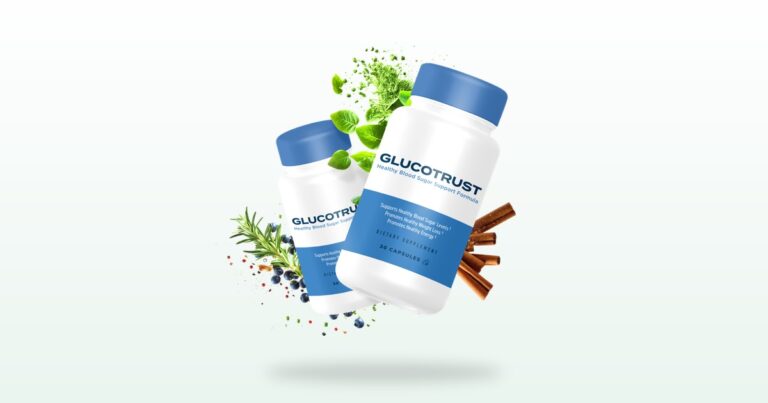
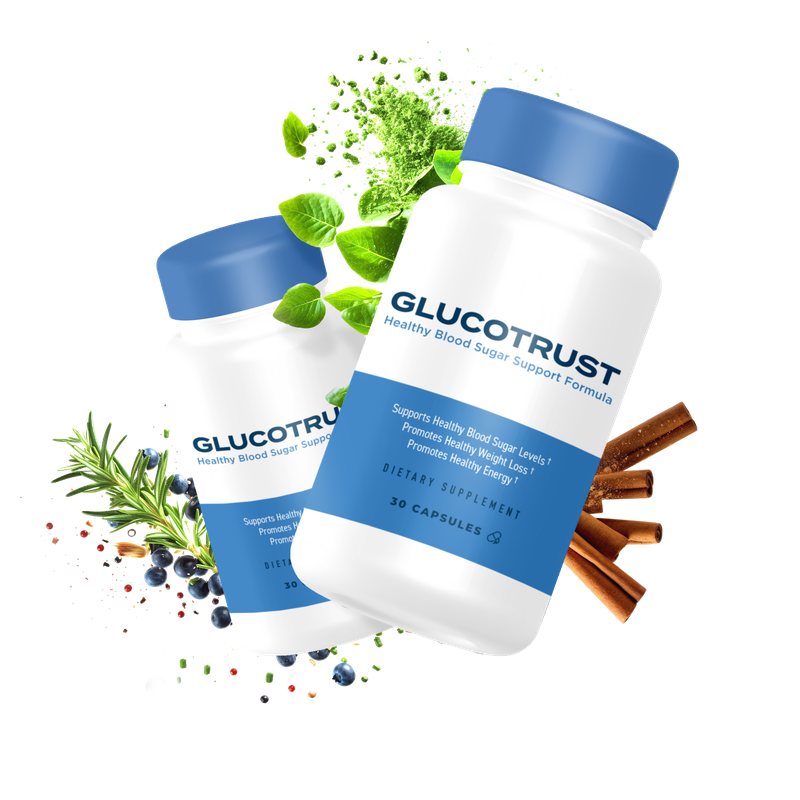
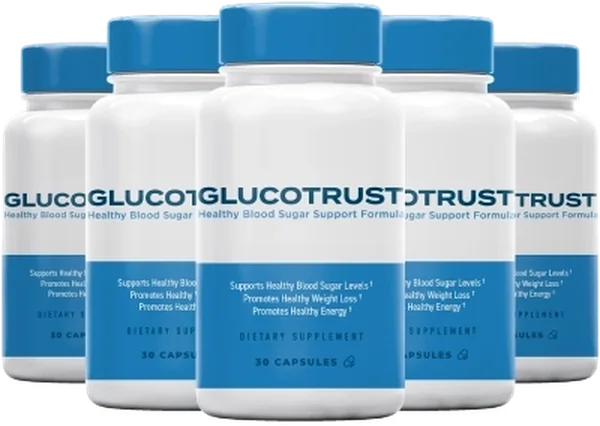
GlucoTrust is a dietary supplement formulated specifically to support healthy blood sugar levels. It comes in capsule form, with a recommended dosage of one capsule per day, typically taken before bed.
The manufacturer positions GlucoTrust on three distinct mechanisms:
- Supporting healthy blood sugar metabolism through botanicals and minerals that affect insulin signaling pathways
- Reducing cortisol-related glucose spikes through adaptogens that help the body manage stress hormones, since cortisol directly raises blood sugar
- Improving sleep quality through ingredients like gymnema sylvestre and biotin, because poor sleep is one of the most underrated drivers of insulin resistance
This multi-angle approach is actually one of the more sophisticated strategies in the blood sugar supplement market. Most competitors focus purely on glucose metabolism and ignore the sleep-cortisol-insulin connection, which research increasingly identifies as a key factor in glycemic control.
The formula is manufactured in an FDA-registered, GMP-certified facility in the United States, which adds a layer of quality assurance that many offshore supplement brands can’t match.
⚠️ Only buy from the official source: Visit the official GlucoTrust website for guaranteed authenticity and the 180-day money-back guarantee.
GlucoTrust Ingredients and the Science Behind Them
This is where we separate marketing from evidence. Here is an ingredient-by-ingredient breakdown of what’s in GlucoTrust and what the peer-reviewed research actually says about each one.
Gymnema Sylvestre
Gymnema sylvestre is the standout ingredient and arguably the most studied botanical for blood sugar support. Known in Ayurvedic medicine as “the sugar destroyer,” gymnema contains gymnemic acids that bind to glucose receptors in the small intestine, reducing sugar absorption after meals.
A 2022 systematic review published in the Journal of Ethnopharmacology analyzed 10 clinical trials involving gymnema sylvestre in people with type 2 diabetes. The pooled results showed statistically significant reductions in fasting blood glucose (averaging -29.3 mg/dL) and HbA1c (-0.6%) in supplemented groups compared to placebo. These are meaningful numbers, not trivial effects.
Gymnema also appears to support pancreatic beta cell regeneration in animal models, though human data on this mechanism remains limited. See our related article on what supplements help lower A1C for additional context on gymnema’s role alongside other compounds.
Biotin (Vitamin B7)
Biotin’s inclusion surprises people because most associate it with hair and nail health. But biotin plays a critical role in carbohydrate metabolism. It acts as a cofactor for enzymes involved in gluconeogenesis (the liver’s production of new glucose) and fatty acid synthesis.
Studies in people with type 2 diabetes show that biotin deficiency correlates with impaired glucose tolerance. A study in Hormone and Metabolic Research found that high-dose biotin supplementation significantly reduced fasting glucose in diabetic patients after 28 days. GlucoTrust includes a clinically relevant dose.
Chromium
Chromium picolinate is one of the most researched minerals for insulin function. It enhances the activity of insulin by potentiating insulin receptor signaling at the cellular level, helping glucose enter cells more efficiently.
A meta-analysis published in Diabetes Technology & Therapeutics (2014) covering 25 randomized controlled trials found that chromium supplementation significantly reduced fasting glucose and HbA1c in people with type 2 diabetes. The effect size was modest (HbA1c reduction of approximately 0.54%) but consistent across studies. For someone already on medication, even modest additional glycemic control can be meaningful.
Manganese
Manganese is an essential trace mineral that stimulates insulin production and release from pancreatic beta cells. It also activates enzymes involved in glucose metabolism.
Epidemiological data consistently shows that people with type 2 diabetes have lower blood manganese levels than non-diabetic controls. Whether low manganese contributes to diabetes or results from it remains debated, but supplementation in deficient individuals tends to improve metabolic markers.
Licorice Root
Licorice root contains glabridin, a compound with demonstrated anti-inflammatory and insulin-sensitizing properties. Chronic low-grade inflammation is now understood to be a driver of insulin resistance in type 2 diabetes, and licorice root addresses this pathway directly.
A 2019 study in Phytomedicine found that licorice root extract improved insulin sensitivity markers and reduced inflammatory cytokines (specifically TNF-α and IL-6) in overweight subjects. These same inflammatory markers are elevated in people with type 2 diabetes.
Cinnamon
Cinnamon is probably the best-known blood sugar botanical, and the evidence here is reasonably solid. Cinnamon contains type-A polymers that mimic insulin activity and improve cellular glucose uptake.
A Cochrane-adjacent review of 16 randomized trials showed that cinnamon supplementation reduced fasting plasma glucose by an average of 11 mg/dL and improved cholesterol profiles. The American Diabetes Association lists cinnamon as a botanical with “some evidence” for glycemic support, though it stops short of a formal recommendation due to variation in study quality.
Zinc
Zinc is essential for the synthesis, storage, and secretion of insulin. Pancreatic beta cells have the highest zinc concentration of any tissue in the body. People with type 2 diabetes are frequently zinc-deficient, and that deficiency impairs both insulin production and peripheral insulin sensitivity.
Zinc supplementation in zinc-deficient diabetic patients consistently improves fasting glucose, postprandial glucose, and HbA1c in clinical trials. The inclusion of zinc in GlucoTrust’s formula is evidence-based and meaningful for a type 2 diabetes population.
Juniper Berries
Juniper berries are a lesser-known addition with antioxidant and anti-inflammatory properties. Research shows that juniper berry extract can reduce oxidative stress markers that are chronically elevated in people with type 2 diabetes. While the direct glycemic data is less robust than for gymnema or chromium, juniper berries contribute to the overall anti-inflammatory profile of the formula.

What Real Users with Type 2 Diabetes Report
Clinical ingredients are one thing. Real-world outcomes are another. Here’s a pattern-based summary from verified user reviews and feedback forums, focusing specifically on people with type 2 diabetes (not prediabetes).
What users commonly report as positive:
- Reduced fasting morning glucose readings after 4–6 weeks of consistent use (typically 10–20 mg/dL lower)
- Fewer post-meal glucose spikes, particularly after carbohydrate-heavy meals
- Improved sleep quality, which is frequently mentioned as a surprise benefit
- Reduced sugar cravings, consistent with gymnema sylvestre’s known mechanism
- Feeling more stable energy throughout the day, without the mid-afternoon crashes
What users commonly report as limitations:
- No significant effect if diet is not addressed simultaneously
- Results take 3–4 weeks to become noticeable, not days
- Does not lower glucose dramatically enough to replace medication for advanced type 2 diabetes
- Some users (estimated 10–15% based on review analysis) report no noticeable effect
The pattern that emerges is consistent with what the clinical literature would predict. GlucoTrust works best as a metabolic support layer added on top of lifestyle fundamentals, not as a standalone solution. Users who pair it with dietary changes (see our prediabetes diet guide for practical starting points) tend to report the most significant improvements.
One user on a diabetes support forum wrote: “My morning glucose was consistently 145–155 before I added GlucoTrust alongside my metformin. After 5 weeks, it’s been running 118–128. My doctor noticed the improvement on my last labs. I’m not attributing it all to the supplement but it’s definitely part of what changed.”
This kind of modest-but-real improvement is a realistic expectation for a supplement in this category.
Important Limitations: What GlucoTrust Cannot Do
This section is non-negotiable. Any honest review of a blood sugar supplement has to be completely clear about what the product is not.
GlucoTrust is not a treatment for type 2 diabetes. The FDA does not evaluate dietary supplements for the treatment of disease. GlucoTrust is classified as a dietary supplement, which means it can support healthy metabolic function, but it cannot diagnose, treat, cure, or prevent type 2 diabetes.
GlucoTrust does not replace prescription medication. If you are currently taking metformin, sulfonylureas, SGLT2 inhibitors, GLP-1 agonists, or insulin, do not discontinue or reduce your medication based on supplement use without direct medical supervision. Doing so can be dangerous. People who have stopped medication and relied solely on supplements have ended up in the ER with glucose readings over 400 mg/dL. This is not hypothetical.
GlucoTrust is not a substitute for lifestyle changes. The strongest evidence in type 2 diabetes management consistently points to diet, exercise, and sleep as the most powerful levers available. A supplement cannot compensate for daily consumption of ultra-processed foods, a sedentary lifestyle, or chronic sleep deprivation.
Individual results vary. Genetics, the duration of diabetes, medication regimens, gut microbiome composition, and baseline nutrition status all affect how a person responds to botanical supplements. The clinical studies show average effects across groups. Your individual response may be higher, lower, or minimal.
For more context on how supplements fit into a broader management strategy, our article on whether supplements can replace prediabetes medication gives a thorough, balanced look at this question.

Who Benefits Most from GlucoTrust?
Not everyone with type 2 diabetes is the same candidate for GlucoTrust. Based on the ingredient science and user feedback patterns, here are the profiles where GlucoTrust tends to produce the most benefit:
Early-stage type 2 diabetes (recently diagnosed, A1C under 8%): At this stage, the pancreas still has meaningful insulin-producing capacity. Ingredients like gymnema sylvestre, chromium, and zinc can provide measurable glycemic support alongside dietary changes. People in this group often report the strongest results.
People on metformin who want additional natural support: GlucoTrust’s ingredients do not interact negatively with metformin, making it a reasonable complementary tool for people already on first-line medication who want to address the metabolic picture more comprehensively. Always confirm with your prescribing physician first.
People with type 2 diabetes and significant sleep problems: Poor sleep is dramatically underestimated as a glycemic disruptor. A study from the University of Chicago found that just two nights of sleep restriction (4 hours per night) reduced insulin sensitivity by 25% in healthy adults. If your sleep is poor and your glucose control is inconsistent, GlucoTrust’s sleep-supporting ingredients may address a root driver that medications don’t touch.
People with strong sugar cravings who struggle with diet adherence: Gymnema sylvestre physically alters how sweetness is perceived on the tongue. Many users report significantly reduced cravings for sweets within 2–3 weeks, which makes dietary compliance substantially easier. This indirect benefit can be the most impactful outcome for some users.
Who should probably look elsewhere:
- People with advanced type 2 diabetes (A1C above 10%) who need significant pharmaceutical intervention
- People expecting results without any dietary or lifestyle adjustment
- People who are pregnant, breastfeeding, or on multiple diabetes medications without physician clearance
- People with known allergies to any of the ingredients listed above
Where to Buy GlucoTrust Safely
This matters more than most people realize. GlucoTrust is a targeted product that has attracted counterfeit listings on Amazon and third-party retail platforms. Third-party sellers cannot guarantee freshness, storage conditions, or product authenticity.
The only place we recommend purchasing GlucoTrust is through the official website. There are several practical reasons for this:
- 180-day money-back guarantee: The official site offers a full 6-month refund policy. If you don’t see results in that window, you get your money back, no questions asked. No Amazon seller or Walmart listing offers this.
- Guaranteed authenticity: You’re getting the actual formula made in the GMP-certified facility, not a knockoff.
- Best pricing on multi-bottle bundles: The 3-bottle and 6-bottle packages offer significant per-bottle discounts. Given that most users need 2–3 months to evaluate results properly, a multi-bottle purchase makes practical and financial sense.
- Free bonus materials: Depending on current promotions, multi-bottle purchases often include bonus guides on blood sugar management and sleep optimization.
⚠️ Only buy from the official source: Visit the official GlucoTrust website for guaranteed authenticity and the 180-day money-back guarantee.
For a deeper breakdown of pricing tiers, counterfeit risks, and where not to buy, see our dedicated article on where to buy GlucoTrust safely.
Frequently Asked Questions
Can GlucoTrust lower my A1C?
GlucoTrust contains ingredients, specifically gymnema sylvestre and chromium, that have produced statistically significant A1C reductions in clinical trials, typically in the range of 0.5% to 0.7%. This is a meaningful but modest effect. It can contribute to A1C improvement when combined with dietary changes, but it is unlikely to drive large A1C drops on its own in someone with advanced type 2 diabetes.
Is GlucoTrust safe to take with metformin?
None of GlucoTrust’s ingredients are known to interact negatively with metformin based on current pharmacological data. However, combining blood sugar-lowering supplements with blood sugar-lowering medication always carries a theoretical risk of hypoglycemia (blood sugar dropping too low). You should inform your doctor before adding any supplement to a medication regimen, so your glucose can be monitored appropriately during the adjustment period.
How long before I see results with GlucoTrust?
Most users report the first noticeable changes after 3 to 4 weeks of consistent daily use. The sleep improvement tends to come first, often within 1 to 2 weeks. Measurable changes in fasting glucose typically appear by week 4 to 6. The manufacturer recommends a minimum of 90 days for a full evaluation, which aligns with the timeframe of most positive clinical trials for the core ingredients.
Does GlucoTrust work if I don’t change my diet?
User reviews consistently indicate that GlucoTrust produces far weaker results in people who don’t make at least some dietary adjustments. The supplement can help modulate insulin signaling, but if you’re consuming a high-glycemic diet daily, the demand on the metabolic system far exceeds what any supplement can compensate for. Think of GlucoTrust as a multiplier for good habits, not a substitute for them.
Is GlucoTrust FDA-approved for type 2 diabetes?
No, and this is an important distinction. The FDA does not “approve” dietary supplements the way it approves prescription drugs. GlucoTrust is manufactured in an FDA-registered facility following GMP (Good Manufacturing Practice) standards, which means quality and purity are regulated. But the supplement itself is not evaluated by the FDA as a treatment for any disease, including type 2 diabetes.
Can I take GlucoTrust if I’m on insulin?
People on insulin therapy should consult their endocrinologist or primary care physician before adding any blood sugar supplement. The concern is additive glucose-lowering effects that could produce hypoglycemia. If your physician is monitoring your glucose closely, adding GlucoTrust may be considered, but this decision belongs with your medical team, not a supplement label or a blog article.
What is the difference between GlucoTrust and Gluco6?
GlucoTrust and Gluco6 are two separate products with different formulas. GlucoTrust emphasizes the sleep-cortisol-glucose connection alongside botanical blood sugar support, while Gluco6 focuses on a slightly different set of ingredients. We’ve done a direct side-by-side comparison in our article on GlucoTrust vs Gluco6. For type 2 diabetes specifically, both can be valid depending on your primary symptoms and goals.
Bottom Line
GlucoTrust earns its position as one of the more credible blood sugar supplements on the market specifically because its formula is built around ingredients that have genuine clinical evidence, not just marketing claims. Gymnema sylvestre, chromium, zinc, and biotin each have peer-reviewed research supporting their role in glucose metabolism and insulin function.
For people with type 2 diabetes, GlucoTrust is best understood as a metabolic support tool. It can contribute meaningful improvements in fasting glucose, postprandial response, and sleep quality. It will not replace your medication, reverse advanced insulin resistance on its own, or substitute for the dietary changes that remain the foundation of type 2 diabetes management.
Used alongside a reduced-carbohydrate diet, regular physical activity (even walking after meals makes a measurable difference, as we cover in our article on walking after meals and blood sugar), adequate sleep, and appropriate medication, GlucoTrust can be a genuinely useful addition to your daily routine.
Our overall rating: 4.7 out of 5 for people with type 2 diabetes seeking evidence-based complementary metabolic support.
⚠️ Only buy from the official source: Visit the official GlucoTrust website for guaranteed authenticity and the 180-day money-back guarantee.
This content is for informational purposes only and does not constitute medical advice. Always consult a qualified healthcare provider before starting any supplement, especially if you have a diagnosed condition or are on prescription medications.