14 Foods to Avoid With Prediabetes (Eat This Instead)
When my doctor told me my A1C was 6.1, my first question was simple: what do I stop eating? I did not want a lecture about willpower. I wanted a list.
So that is what this guide is. Not a list of foods to feel bad about, but a clear map of which foods quietly work against your blood sugar and, more importantly, what to reach for instead.
The truth is that prediabetes is not about one slice of cake. It is about the everyday foods that seem harmless yet keep your glucose elevated day after day. Once you can spot them, you get your leverage back. Small swaps, repeated daily, are what moved my A1C from 6.1 to 5.4.
As a health writer who reversed my own prediabetes, I have read the research and tested most of these swaps in my own kitchen. Here is what actually helped.
- Liquid sugar (soda, juice, sweet coffee) is the single biggest blood sugar saboteur because it hits your bloodstream in minutes.
- Refined carbs like white bread, white rice, and sugary cereal act almost like pure sugar once digested.
- Ultra-processed and fried foods drive insulin resistance, not just glucose spikes.
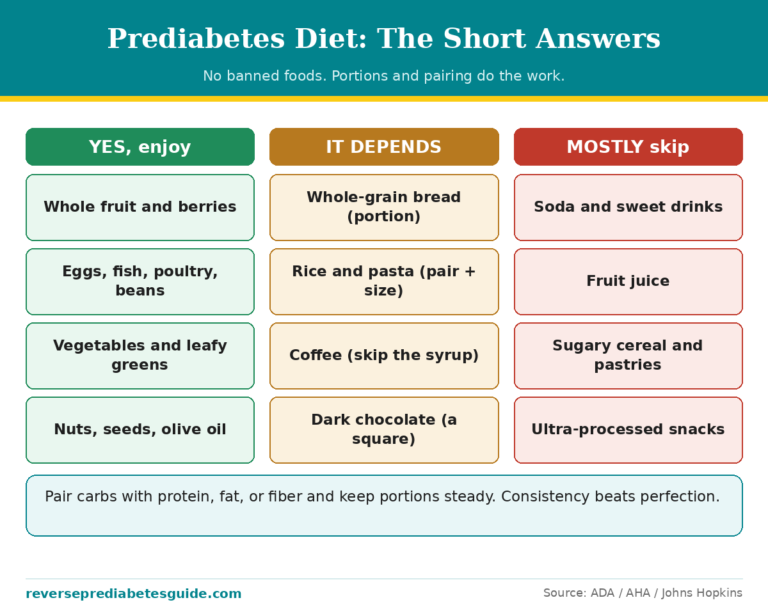
- You do not have to cut whole food groups. Portion, pairing, and smarter versions matter more than total elimination.
- Every food on this list has a satisfying swap that keeps your blood sugar steady.
How Certain Foods Sabotage Your Blood Sugar
Prediabetes means your cells have become less responsive to insulin, so glucose lingers in your blood instead of moving into your cells for energy. The foods that make this worse share a pattern: they release sugar fast, carry little fiber, or promote inflammation and insulin resistance.
According to the American Diabetes Association, the goal is not perfection. It is choosing foods that produce gentle, gradual rises in blood glucose rather than sharp spikes that your insulin struggles to clear.
Below is the full list, grouped by category, with the reason each one is a problem and the swap I actually use. If you want the positive side of this equation, pair this with my guide on foods that lower blood sugar quickly.
1. Sugary Drinks: The Number One Offender
Soda, sweet tea, energy drinks, sports drinks, and flavored lattes deliver sugar with nothing to slow it down. There is no fiber, no fat, and no protein to buffer the hit, so glucose floods your bloodstream within minutes.
A single can of regular soda can contain around 39 grams of sugar, close to ten teaspoons. The CDC flags sugary beverages as a leading driver of insulin resistance and weight gain, both central to prediabetes.
Smart swap: Sparkling water with a squeeze of lime or lemon, or unsweetened iced tea. If you crave something with flavor, infuse water overnight with cucumber, mint, or berries. Your taste buds recalibrate within a couple of weeks.
2. Fruit Juice: Not the Health Halo You Think
Fruit juice sounds virtuous, but juicing strips away the fiber that makes whole fruit safe for your blood sugar. What remains is concentrated fructose that behaves much like soda inside your body.
An eight ounce glass of orange juice can carry as much sugar as a similar serving of cola. Even the versions labeled “100% juice, no added sugar” spike glucose quickly because the natural sugar is now unbuffered.
Smart swap: Eat the whole fruit instead. A whole orange gives you the sweetness plus the fiber that slows absorption. When you want a drink, try water infused with a few frozen berries.
3. White Bread and Refined Grains
White bread, bagels, white pasta, crackers, and pastries are made from flour that has been stripped of its bran and germ. What is left is fast-digesting starch that your body converts to glucose almost as quickly as table sugar.
Research summarized on PubMed links high intake of refined grains with a greater risk of type 2 diabetes, while whole grains show the opposite effect.
Smart swap: Choose 100% whole grain or sprouted grain bread, or seed-based options. Swap white pasta for lentil or chickpea pasta, which adds protein and fiber. For a deeper list, see my prediabetes grocery list.
4. Sweetened Breakfast Cereals
Many boxed cereals and instant flavored oatmeals combine refined grain with added sugar, a double blow first thing in the morning. Starting your day with a glucose spike often sets off cravings and energy crashes for hours.
Even cereals marketed as “whole grain” can hide 12 or more grams of sugar per serving. Check the label, because the front of the box rarely tells the real story.
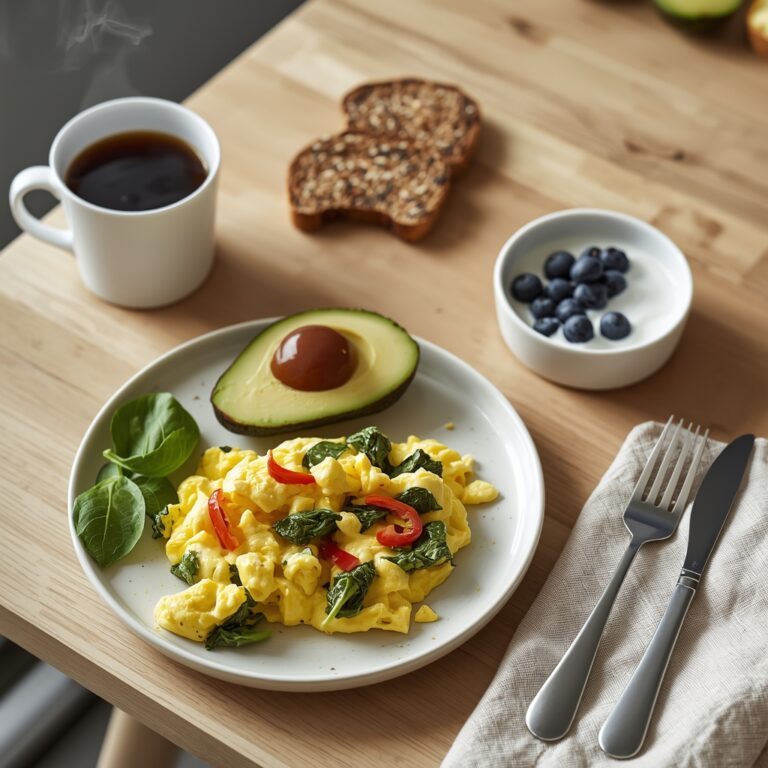
Smart swap: Plain rolled or steel-cut oats topped with cinnamon, nuts, and a handful of berries. Or go savory with eggs and vegetables. If you want breakfast ideas ranked by their glucose impact, read my guide to glycemic index breakfast foods.
5. Candy, Cookies, and Desserts
This category is the obvious one, and I am not here to tell you it is off limits forever. Candy, cookies, cakes, and ice cream combine refined sugar and refined flour, the fastest possible route to a blood sugar spike.
The issue is frequency and portion, not a single treat at a birthday. Daily dessert habits are what keep glucose chronically elevated.
Smart swap: A few squares of dark chocolate at 85% cacao, berries with a dollop of Greek yogurt, or a small piece of fruit with a handful of nuts. These satisfy the craving with far less glucose impact.
6. Fried and Ultra-Processed Foods
French fries, fried chicken, packaged snack foods, and frozen convenience meals do more than spike glucose. The refined oils and additives promote inflammation and insulin resistance, which is the root problem in prediabetes.
A large body of research connects ultra-processed food intake with higher rates of type 2 diabetes, independent of sugar content alone. These foods are engineered to be easy to overeat, which compounds the effect.
Smart swap: Roast or air-fry potatoes and vegetables in olive oil at home. Build meals from whole ingredients you recognize. Batch cooking on the weekend makes this realistic on busy weeknights.
7. White Rice and Refined Starches
White rice has a high glycemic index, meaning it raises blood sugar quickly, especially in large portions. It is a staple for many households, so the goal is smarter versions and better portions rather than elimination.
The NIDDK recommends filling half your plate with non-starchy vegetables and keeping starch portions modest, roughly a quarter of the plate.
Smart swap: Brown rice, quinoa, barley, or cauliflower rice. A useful trick is cooking rice, cooling it, then reheating it, which raises resistant starch and lowers the glucose response. Pairing rice with protein and vegetables also flattens the spike.
8. Potatoes, Especially Without Company
Potatoes are a whole food, but their starch digests quickly and raises blood sugar sharply, particularly mashed or baked and eaten alone. This surprises a lot of people who assume any vegetable is a free pass.
Smart swap: Swap for sweet potato in moderate portions, or keep white potato but pair it with protein, healthy fat, and plenty of fiber-rich vegetables. Eating the skin and cooling then reheating both help. Never eat starch naked, as I like to say.
9. Certain Fruits and Oversized Portions
Fruit is healthy, and I never want prediabetes to scare anyone away from it. That said, some fruits carry more sugar and hit harder, especially in large portions or when eaten alone.
Higher-sugar options like very ripe bananas, mango, pineapple, and grapes raise glucose faster than lower-sugar choices. Dried fruit is the biggest trap, since the sugar is concentrated and easy to overeat by the handful.
Smart swap: Favor berries, cherries, apples, pears, and citrus. Keep portions to about one cup, and always pair fruit with protein or fat like nuts or yogurt to slow absorption.
10. Alcohol and Sugary Cocktails
Alcohol affects blood sugar in complicated ways. Sugary mixers, sweet wines, and cocktails deliver a fast glucose load, while excess alcohol can interfere with how your liver regulates blood sugar overnight.
The American Diabetes Association suggests limiting alcohol and never drinking on an empty stomach if blood sugar control is a concern.
Smart swap: If you drink, choose a dry wine or a spirit with soda water and lime instead of sugary mixers. Keep it moderate, one drink for women or two for men, and always with food.
11. Hidden Sugars in Sauces and Condiments
This is the sneaky one that catches almost everyone. Ketchup, barbecue sauce, teriyaki, sweet chili, store-bought salad dressings, and pasta sauces are often loaded with added sugar you never taste as sweet.
A couple tablespoons of barbecue sauce can add more sugar than a cookie. Because these feel like seasonings rather than food, they slip past our radar completely.
Smart swap: Read labels and choose no-sugar-added versions. Make simple dressings with olive oil, vinegar, and herbs. Season with garlic, spices, mustard, and citrus instead of sweet sauces.
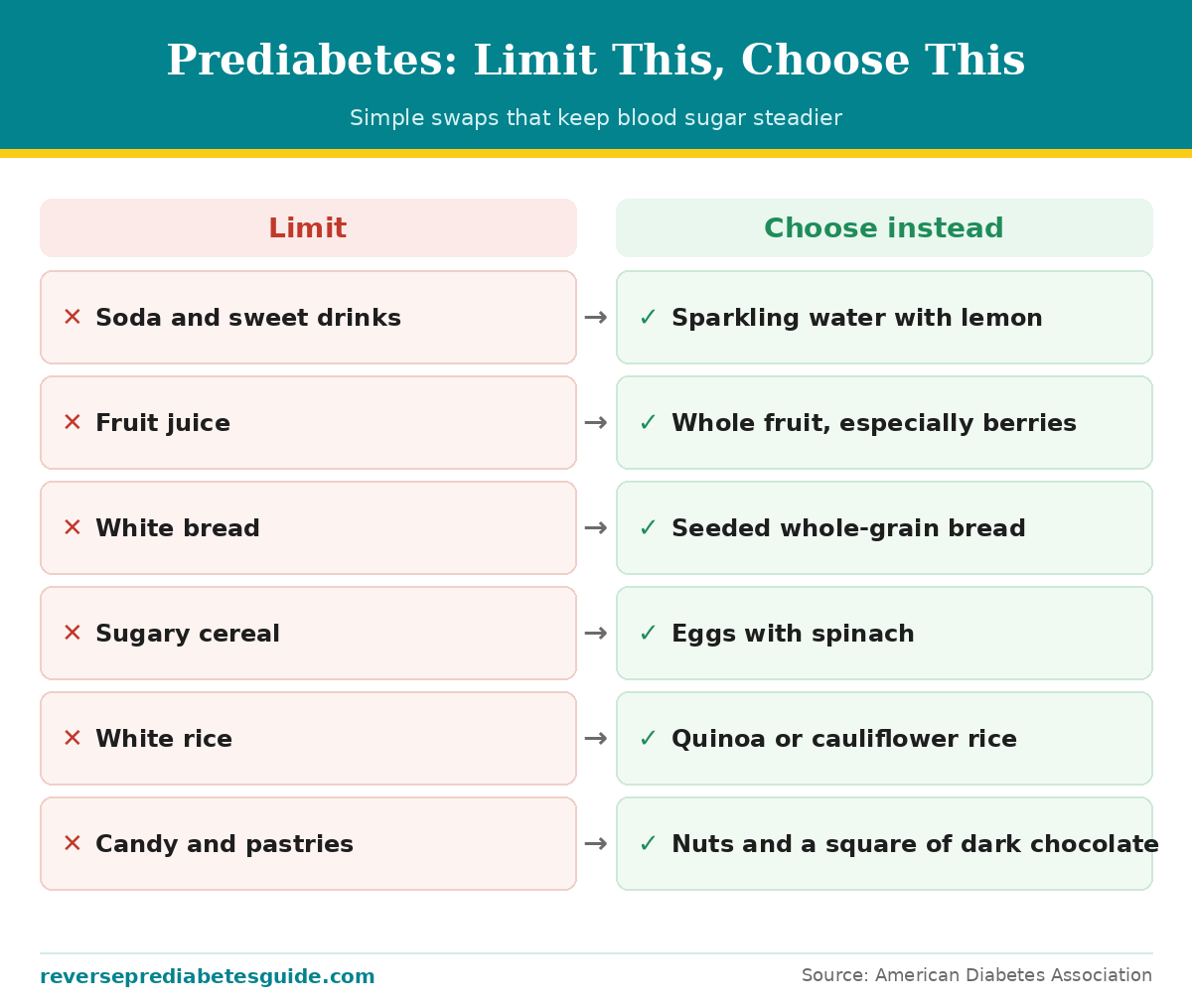
The Complete Avoid-and-Swap Table
Here is the whole list in one place, so you can screenshot it and take it to the grocery store.
| Avoid this | Swap for this | Why it matters |
|---|---|---|
| Soda and sweet drinks | Sparkling water with lime | Liquid sugar spikes glucose in minutes |
| Fruit juice | Whole fruit | Juicing removes the fiber that slows sugar |
| White bread and pasta | Whole grain or legume pasta | Refined flour digests like sugar |
| Sweetened cereal | Steel-cut oats or eggs | Morning spikes trigger all-day cravings |
| Candy and desserts | Dark chocolate or berries | Sugar plus refined flour spikes fastest |
| Fried and processed foods | Air-fried or roasted whole foods | They fuel inflammation and insulin resistance |
| White rice | Quinoa or cauliflower rice | High glycemic index, quick spike |
| Plain potatoes | Sweet potato with protein | Starch digests fast when eaten alone |
| High-sugar and dried fruit | Berries with nuts | Concentrated sugar, easy to overeat |
| Sugary cocktails | Dry wine or spirit with soda | Mixers add fast sugar, alcohol disrupts liver |
| Sweet sauces and dressings | Olive oil, vinegar, spices | Hidden sugar you never taste as sweet |
How to Make These Swaps Stick
Reading a list is easy. Living it is where people get stuck, so here is how I made it automatic without feeling deprived.
Start with one category, not all eleven. Most people get the biggest win by cutting sugary drinks first, since that alone removes a huge daily glucose load. Once that feels normal, move to the next.
Build your plate with the ADA plate method: half non-starchy vegetables, a quarter protein, a quarter smart carbs. This structure quietly crowds out the problem foods without a single rule to memorize. For a fuller framework, see my guide on the prediabetes diet and what to eat.
Plan ahead so hunger does not make the decision for you. When I have a 7-day prediabetes meal plan ready, the tempting foods lose most of their pull.
And if you want extra support alongside diet, some people explore supplements that may help lower A1C as a complement to food changes, never a replacement for them. Food and movement do the heavy lifting. Berberine is the one readers ask about most, so I put berberine versus metformin head to head in a separate post.
Every one of these changes stacks. That is exactly why prediabetes can be reversed naturally for so many people, myself included.
Frequently Asked Questions
What is the single worst food for prediabetes?
Sugary drinks are the worst, because they deliver a large dose of sugar with no fiber, fat, or protein to slow it down. Cutting soda, sweet coffee, energy drinks, and juice usually produces the fastest improvement in blood sugar.
Can I ever eat carbs with prediabetes?
Yes. You do not need to avoid all carbs. Focus on the quality and portion of carbs. Whole grains, legumes, vegetables, and fruit fit well when balanced with protein and fat. It is refined carbs and added sugar that cause the most trouble.
Is fruit bad for prediabetes?
Most fruit is fine and even beneficial thanks to its fiber and nutrients. Favor lower-sugar fruits like berries, apples, and citrus, keep portions to about one cup, and pair fruit with protein or fat. Fruit juice and dried fruit are the ones to limit.
Are artificial sweeteners a safe swap?
They avoid the immediate glucose spike of sugar, which can help in the short term. Some research suggests heavy use may affect gut bacteria and cravings, so I treat them as a bridge rather than a destination. Unsweetened drinks are the long-term goal.
How quickly will avoiding these foods lower my blood sugar?
Many people see fasting glucose improve within a couple of weeks of cutting sugary drinks and refined carbs. Since A1C reflects about 90 days of blood sugar, the bigger change shows up in roughly three months of consistent eating.
Do I have to give up bread and rice completely?
No. You can keep them by choosing whole grain bread and swapping white rice for quinoa, brown rice, or cauliflower rice. Portion size and pairing with protein and vegetables matter more than total elimination.
Why do sauces and condiments matter so much?
Because they hide sugar in savory foods where you would never expect it. Ketchup, barbecue sauce, teriyaki, and many dressings can add more sugar than a dessert across a day. Reading labels and choosing no-sugar-added versions closes a gap most people miss.
- You do not have to be perfect. Consistency beats perfection every single time.
- Start with sugary drinks. It is the highest-impact change and the easiest to measure.
- Screenshot the swap table and take it shopping with you this week.
- Progress shows up in your labs. The choices you make today are what your next A1C will reflect.