Best Supplements for Prediabetes to Lower A1C Naturally (2026 Guide)
Most supplements marketed for blood sugar are not worth your money. A handful are. The difference is peer-reviewed clinical evidence in humans with prediabetes or metabolic disorders, not test tube studies, not animal data, not manufacturer claims.
This guide covers every supplement with meaningful clinical evidence for lowering A1C and fasting glucose naturally, what the research actually shows, realistic effect sizes, and how each one fits into a complete prediabetes strategy. No hype, no sponsored rankings.
Key Takeaways
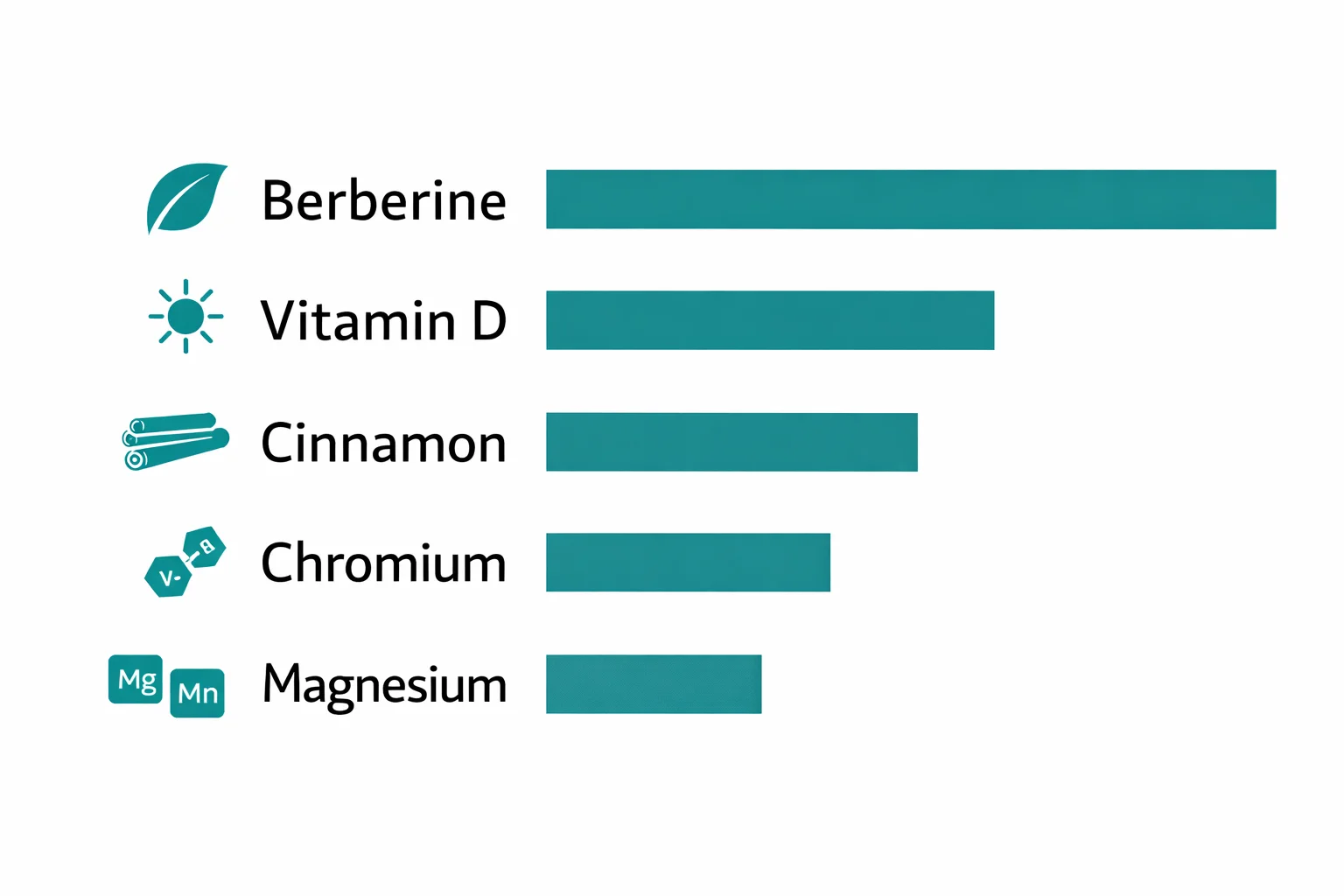
- Berberine has the strongest evidence — HbA1c reduced by 0.45% on average in a 2023 umbrella meta-analysis of dozens of RCTs. Mechanism comparable to metformin.
- Vitamin D — a meta-analysis of 43,559 people found supplementation significantly reduces type 2 diabetes risk in prediabetics who are deficient.
- Cinnamon — a meta-analysis of 16 studies (1,098 people) found meaningful fasting glucose reductions of 10–29 mg/dL.
- Chromium picolinate — improves insulin sensitivity at 200–1,000 mcg/day. Low cost, good safety profile.
- Magnesium — deficiency worsens insulin resistance. Common in people with prediabetes. Inexpensive to correct.
- No supplement matches the 58% diabetes risk reduction achieved by the Diabetes Prevention Program lifestyle protocol. These are add-ons, not replacements.
The supplement evidence reviewed in this article draws on peer-reviewed trials indexed on PubMed and follows the evidence grading standards of the American Diabetes Association Standards of Care.
How We Evaluated These Supplements
Every supplement in this guide meets a minimum evidence threshold: at least one published meta-analysis or large randomized controlled trial in humans with prediabetes, type 2 diabetes, or insulin resistance. We excluded supplements with evidence only from test tube studies, animal models, or small pilot studies without replication.
For each supplement we report the actual effect size from the strongest available evidence, the effective dose range, safety considerations, and who benefits most. We also flag where the evidence is weaker or more contested.
1. Berberine — Strongest Evidence
Berberine is the most clinically studied natural compound for blood sugar. A 2023 umbrella meta-analysis covering dozens of randomized controlled trials found berberine reduces HbA1c by an average of 0.45 percentage points and fasting plasma glucose by 10.6 mg/dL in people with metabolic disorders (PubMed 38016844). A separate prediabetes-specific RCT found fasting glucose returned from 109.8 mg/dL to 97.2 mg/dL (normal range) over three months.
Berberine activates AMPK, the same molecular pathway targeted by metformin. Multiple trials have found comparable glycemic efficacy to low-dose metformin, with fewer gastrointestinal side effects in some studies.
Who benefits most: People with prediabetes in the upper range (A1C 6.0–6.4%) who want the most evidence-backed natural option. Check for drug interactions before starting, especially with metformin or blood pressure medications.
For the complete evidence breakdown, dosing protocol, and side effects: read our full guide to berberine for prediabetes.
2. Vitamin D — Critical If You Are Deficient
A meta-analysis of nine randomized controlled trials involving 43,559 participants found vitamin D supplementation at 1,000 IU per day or more significantly reduced the risk of progressing from prediabetes to type 2 diabetes. The D2d Trial (2,382 people, NEJM 2019) found 4,000 IU/day reduced progression by 12% overall, with substantially greater benefit in participants who started with low vitamin D levels.
Vitamin D receptors are expressed directly on pancreatic beta cells. Deficiency impairs insulin secretion and reduces insulin receptor density in muscle tissue. An estimated 42% of American adults are vitamin D deficient, and the rate is higher among people with prediabetes and metabolic syndrome.
Who benefits most: People with confirmed vitamin D deficiency (under 20 ng/mL). Test before supplementing. Target 40–60 ng/mL. Take D3, not D2, with a fat-containing meal.
For the full evidence and testing guide: read our complete guide to vitamin D and prediabetes.
3. Cinnamon — Real but Modest Effect
A 2019 meta-analysis of 16 randomized controlled trials involving 1,098 participants found cinnamon significantly reduced fasting blood glucose compared to placebo. The effect size varies by study (8 to 29 mg/dL reductions), cinnamon type, and population. The A1C reduction of 0.27 percentage points on average is modest but consistent.
Cinnamon slows gastric emptying and inhibits alpha-glucosidase enzymes, blunting post-meal glucose spikes. It is one of the safer additions to a supplement stack, particularly in food form.
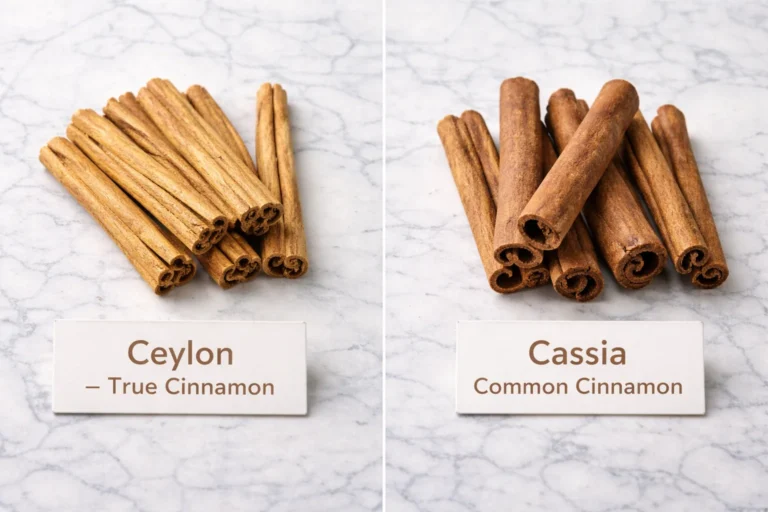
Who benefits most: People who want a low-cost, food-compatible addition. Always choose Ceylon cinnamon for daily supplementation — Cassia cinnamon contains coumarin, which can damage the liver at high doses taken long-term.
For the full breakdown of types, doses, and the coumarin safety issue: read our complete guide to cinnamon for blood sugar.
4. Chromium Picolinate — Underrated Insulin Sensitizer
Chromium is an essential trace mineral that enhances the action of insulin at the receptor level. A meta-analysis in Diabetes Technology and Therapeutics found chromium picolinate supplementation significantly improved insulin sensitivity and reduced fasting glucose in people with insulin resistance and type 2 diabetes.
Chromium deficiency is common in people who eat a diet high in refined carbohydrates, which describes many people with prediabetes. At 200–1,000 mcg per day, chromium picolinate is one of the lowest-cost supplements in this list and has an excellent safety record at recommended doses.
Who benefits most: People with insulin resistance as the primary driver of elevated blood sugar. Often found as an ingredient in multi-supplement formulas like Glucotrust and Sugar Harmony.
5. Magnesium — The Missing Piece
Magnesium is involved in over 300 enzymatic reactions, including those involved in glucose metabolism and insulin signaling. Studies consistently show that people with prediabetes and type 2 diabetes have lower magnesium levels than metabolically healthy adults. A meta-analysis of 25 randomized controlled trials found magnesium supplementation significantly reduced fasting glucose and improved insulin sensitivity.
Magnesium is also required to convert vitamin D into its active form. If you are supplementing vitamin D but are magnesium deficient, the vitamin D may not work effectively. This makes magnesium particularly important as part of a combined supplement strategy.
Who benefits most: People with confirmed magnesium deficiency, those taking vitamin D, and people with muscle cramps or poor sleep alongside prediabetes (both are signs of magnesium insufficiency). Choose magnesium glycinate over magnesium oxide for better absorption and fewer GI side effects.
Full review: Magnesium for Insulin Resistance and Prediabetes
6. Alpha Lipoic Acid — Antioxidant with Metabolic Effects
Alpha lipoic acid (ALA) is a potent antioxidant found in mitochondria that plays a role in glucose metabolism. Several controlled trials have found ALA supplementation reduces markers of oxidative stress and modestly improves insulin sensitivity in people with type 2 diabetes and metabolic syndrome. It is particularly studied for diabetic neuropathy, where it has the strongest evidence.
For prediabetes specifically, the evidence is less direct than for berberine or vitamin D. ALA is a reasonable addition to an existing supplement stack, particularly for people who also have neuropathy symptoms or high oxidative stress markers.
Full review: Alpha Lipoic Acid for Prediabetes
Supplements That Do Not Have Strong Evidence
These are commonly marketed for blood sugar but lack the clinical evidence to recommend confidently:
| Supplement | Marketed Claim | Reality |
|---|---|---|
| Apple cider vinegar | Lowers blood sugar | Small studies, inconsistent results. Effect modest at best. |
| Bitter melon | Natural insulin | Limited RCT evidence. Some positive signals but inconsistent. |
| Gymnema sylvestre | Sugar destroyer | Plausible mechanism, limited human RCT data in prediabetes. |
| Fenugreek | Slows glucose absorption | Small studies, low quality evidence. Not recommended as primary supplement. |
| Acai, goji, resveratrol | Antioxidant blood sugar benefit | No meaningful clinical evidence for blood sugar in humans. |
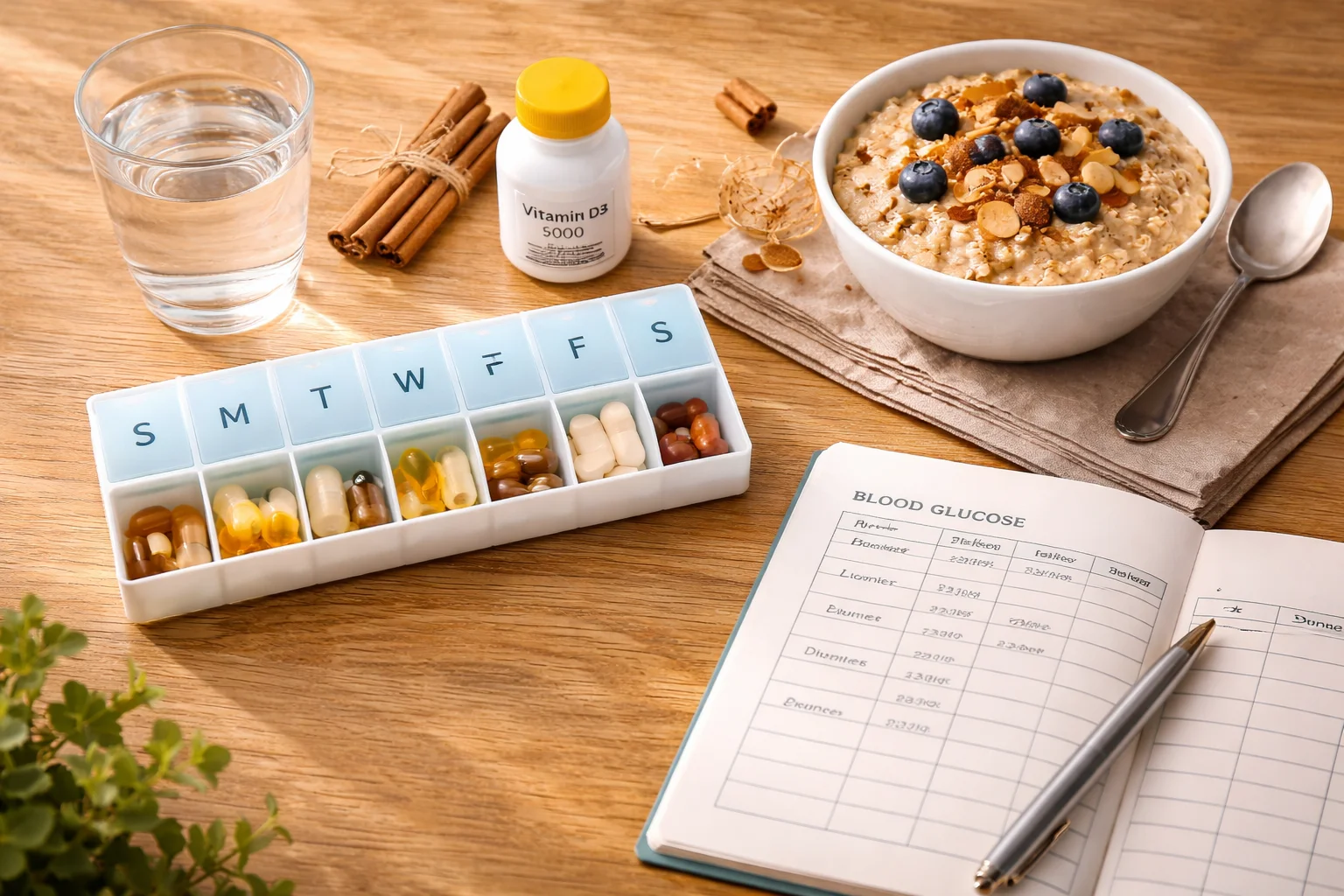
How to Stack These Supplements
Most people with prediabetes do not need all six supplements on this list. The most evidence-efficient starting stack is:
- Test vitamin D and magnesium levels first. These are the most commonly deficient, the cheapest to correct, and the foundation everything else builds on.
- Add berberine if your A1C is 5.9 or above. This is where the clinical effect is most meaningful. Use 500 mg three times daily, before meals, for at least 90 days.
- Add Ceylon cinnamon through food (0.5–1 tsp daily on oatmeal or yogurt). No additional cost, no pill to add.
- Consider chromium picolinate (200–400 mcg/day) if insulin resistance is your primary issue.
For a focused look at which of these supplements have the strongest evidence specifically for reversal, see Supplements That Help Reverse Prediabetes.
More Supplement Guides
Multi-Ingredient Supplements: Do They Work?
Several commercial supplements combine multiple ingredients from this list into a single formula. The appeal is convenience. The limitation is that proprietary blends do not disclose individual ingredient doses, making it impossible to verify whether effective clinical doses are present.
Two of the most searched multi-ingredient supplements in the prediabetes category are Glucotrust and Sugar Harmony. Both contain several ingredients with clinical evidence (berberine, chromium, gymnema, cinnamon). Neither has published a clinical trial on their complete formula.
What No Supplement Can Replace
The Diabetes Prevention Program demonstrated that lifestyle intervention, 150 minutes of weekly physical activity and modest dietary improvement, reduced progression from prediabetes to type 2 diabetes by 58% over three years. No supplement in any trial has matched that outcome.
For the complete lifestyle framework that makes any supplement more effective, see the guide on how to reverse prediabetes naturally.
The most effective use of the supplements in this guide is as additions to an already solid lifestyle foundation, not as substitutes for it. If you have not yet addressed diet, consider reading our guide to what to eat and avoid with prediabetes. If you have not added post-meal movement, even 10 minutes of walking after meals produces measurable glycemic improvement.
Supplements accelerate a strategy that is already working. They do not rescue one that is not.
Frequently Asked Questions
What is the best supplement to lower A1C naturally?
Berberine has the strongest clinical evidence for reducing A1C naturally. A 2023 umbrella meta-analysis of dozens of randomized controlled trials found berberine reduces HbA1c by an average of 0.45 percentage points and fasting glucose by 10.6 mg/dL in people with metabolic disorders. Multiple trials show efficacy comparable to low-dose metformin. The standard dose is 500 mg three times daily before meals for at least 90 days.
Can supplements reverse prediabetes?
Supplements alone cannot reverse prediabetes. The Diabetes Prevention Program found that lifestyle changes — 150 minutes of weekly activity and modest dietary improvement — reduced diabetes progression by 58%. No supplement trial has matched that outcome. Supplements like berberine, vitamin D, and cinnamon can meaningfully support a lifestyle-first approach, but they are add-ons, not primary treatments.
How long does it take for supplements to lower A1C?
A1C reflects a 90-day average of blood sugar, so any supplement needs at least 3 months of consistent use before the effect is measurable in an A1C test. Berberine trials typically show significant A1C changes at 12 weeks. Fasting glucose changes from berberine can be visible earlier, sometimes within 4 to 6 weeks of consistent use at the right dose.
Is berberine safe to take every day?
Yes, for most healthy adults. Clinical trials have used berberine at 1,500 mg/day for periods of 3 to 12 months without significant safety concerns. The most common side effects are gastrointestinal — nausea, loose stools, stomach cramps — particularly in the first few weeks. These usually resolve with continued use. Berberine should not be combined with metformin, insulin, or certain blood pressure medications without medical supervision.
What supplements should I avoid with prediabetes medication?
Berberine interacts with metformin (both lower blood sugar via AMPK — combined effect can cause hypoglycemia), losartan and other blood pressure medications (CYP3A4 enzyme interactions), and certain immunosuppressants. Cinnamon may amplify blood thinners. Always discuss any new supplement with your prescribing doctor if you are on diabetes or blood pressure medication.
Sources: PubMed 38016844, berberine umbrella meta-analysis (Clinical Therapeutics, 2023). Zhang Y et al., vitamin D meta-analysis, 43,559 participants (Nutrients, 2020). Costello RB et al., cinnamon meta-analysis, 16 studies, 1,098 participants (J Nutr Sci Vitaminol, 2019). Diabetes Technology and Therapeutics, chromium picolinate meta-analysis (2010). Knowler WC et al., Diabetes Prevention Program (NEJM, 2002). ADA Standards of Care 2025.