Cinnamon for Blood Sugar: What the Evidence Actually Says
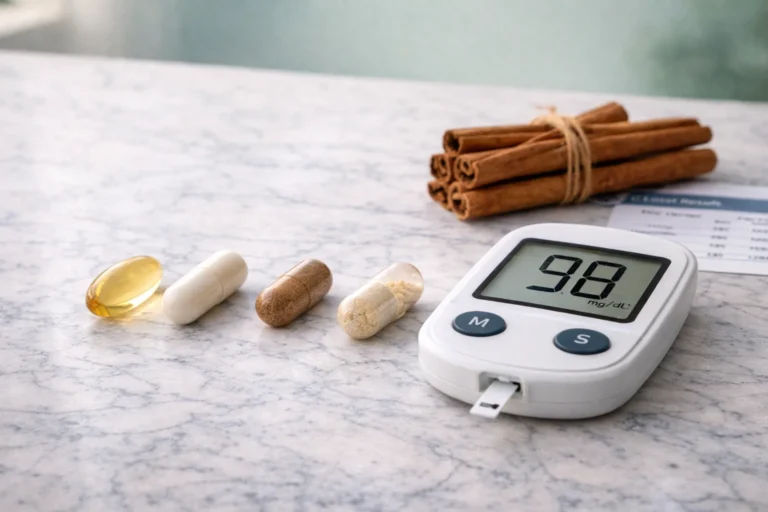
Cinnamon is one of the most searched natural remedies for blood sugar, and one of the most misunderstood. A 2019 meta-analysis pooling data from 16 studies and 1,098 participants found cinnamon supplementation significantly reduced fasting blood glucose and improved markers of insulin sensitivity. That is real evidence, not folklore.
But the story has important nuances. The type of cinnamon matters. The dose matters. And the realistic effect size, while clinically meaningful, is not a substitute for diet and exercise. Here is what the evidence actually shows, what it does not, and how to use cinnamon correctly if you decide to try it.
Key Takeaways
- A meta-analysis of 16 studies and 1,098 people found cinnamon significantly reduced fasting blood glucose and improved insulin sensitivity markers.
- Average reduction in fasting glucose: 10–29 mg/dL across positive trials. Effect is meaningful but not dramatic.
- Type matters: Ceylon cinnamon (true cinnamon) is safer for daily use. Cassia cinnamon contains coumarin, which can damage the liver at high doses taken long-term.
- Effective dose in most trials: 1–6 grams per day (about 0.5 to 2 teaspoons). Water-soluble cinnamon extract may be more bioavailable than ground powder.
- Cinnamon is not a blood sugar treatment. It is a modest, safe add-on to a lifestyle-first approach. Diet and exercise drive the majority of outcomes.
The cinnamon trials summarized in this article include a systematic review and meta-analysis available on PubMed (Allen et al., 2013) and a 2003 trial published in Diabetes Care (Khan et al.) that first quantified the glucose-lowering effect.
What Does the Research Actually Show?
The most comprehensive analysis is a 2019 meta-analysis published in the Journal of Nutritional Science and Vitaminology, which pooled results from 16 randomized controlled trials involving 1,098 participants. The finding: cinnamon supplementation produced statistically significant reductions in fasting blood glucose compared to placebo, with an average reduction ranging from approximately 10 to 29 mg/dL across positive trials. Insulin sensitivity markers also improved.
An earlier meta-analysis by Allen et al. (2013) specifically examined people with prediabetes and type 2 diabetes and found cinnamon reduced fasting glucose by an average of 8.11 mg/dL and lowered A1C by 0.27 percentage points compared to control groups. A 0.27-point A1C reduction is modest but real, roughly equivalent to what you might get from a few weeks of consistent post-meal walking.
The original landmark study by Khan et al. (2003), published in Diabetes Care, found that 1–6 grams of cassia cinnamon daily for 40 days reduced fasting serum glucose by 18–29% in people with type 2 diabetes. This study generated most of the early excitement around cinnamon. Subsequent trials produced smaller effects on average, which is typical when a promising early finding is replicated across larger, more diverse populations.
n
Ceylon vs. Cassia: The Type of Cinnamon Matters
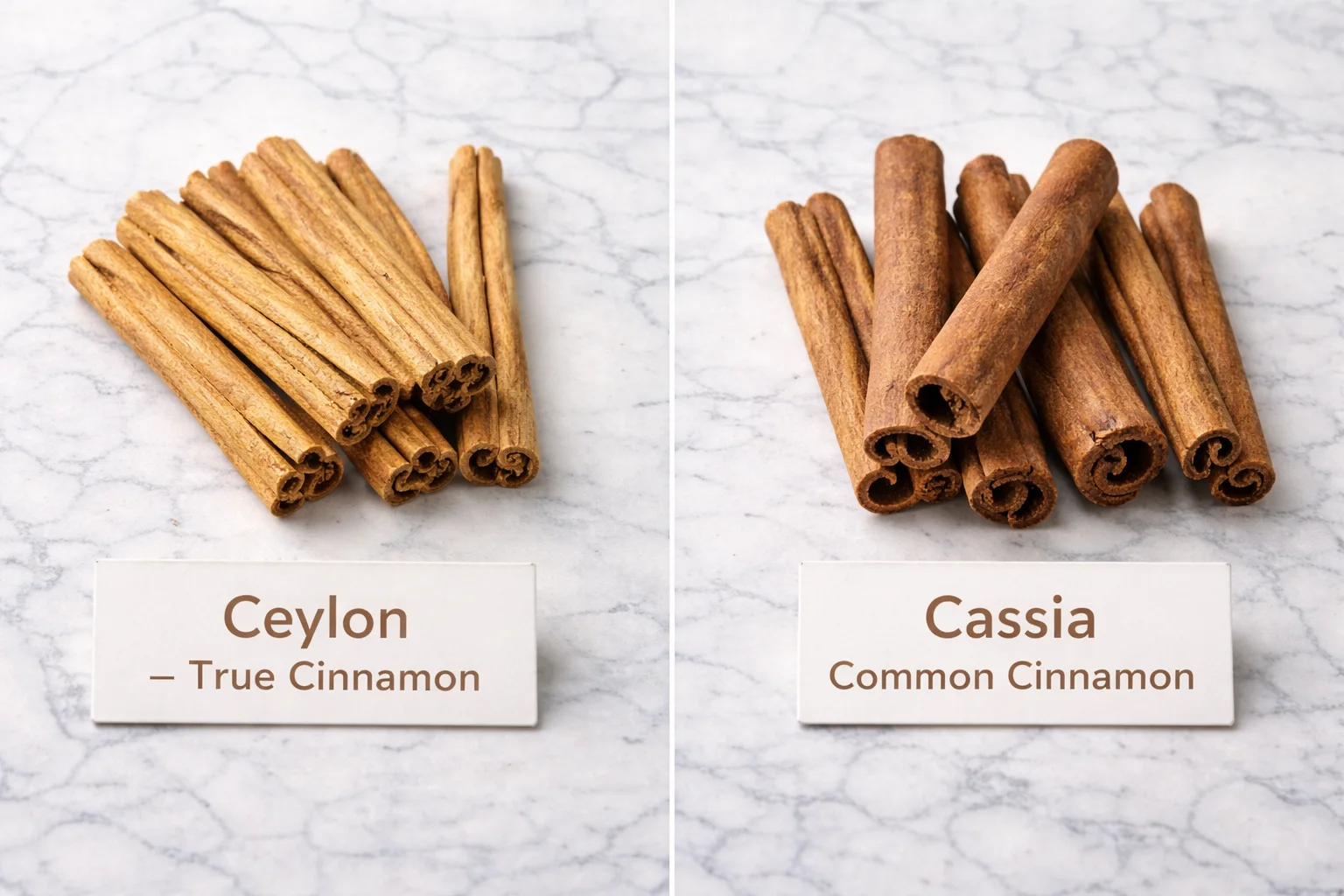
Most cinnamon sold in supermarkets is Cassia cinnamon (also called Chinese cinnamon or Vietnamese cinnamon). Ceylon cinnamon, sometimes called true cinnamon, is a different species with a milder flavor and a significantly different safety profile.
The critical difference is coumarin content. Cassia cinnamon contains coumarin, a naturally occurring compound that can cause liver damage at high doses taken consistently over time. The European Food Safety Authority has set a tolerable daily intake of 0.1 mg of coumarin per kilogram of body weight. For a 150-pound adult, that is about 6.8 mg per day. One teaspoon of Cassia cinnamon contains approximately 5–12 mg of coumarin, depending on the source.
Ceylon cinnamon contains only trace amounts of coumarin, well below the safety threshold even at several teaspoons per day. For occasional culinary use, the difference is minor. For daily supplementation at 1–6 grams per day over months or years, it matters significantly.
| Feature | Ceylon (True Cinnamon) | Cassia (Common Cinnamon) |
|---|---|---|
| Coumarin content | Trace (0.004%) | High (0.4–0.8%) |
| Safe for daily long-term use | Yes | Caution above 1 tsp/day |
| Blood sugar evidence | Moderate (fewer studies) | Stronger (most RCTs used Cassia) |
| Flavor | Mild, sweet, complex | Strong, spicy, more familiar |
| Price | Higher | Lower |
| Best for supplementing | Yes | Short-term only |
The practical recommendation: if you are adding cinnamon to food occasionally, Cassia is fine. If you are supplementing daily at 1–3 grams for weeks or months, choose Ceylon or a water-soluble cinnamon extract that specifies low coumarin content.
How Does Cinnamon Affect Blood Sugar?
Cinnamon works through several mechanisms, none of which are fully understood but all of which are biologically plausible:
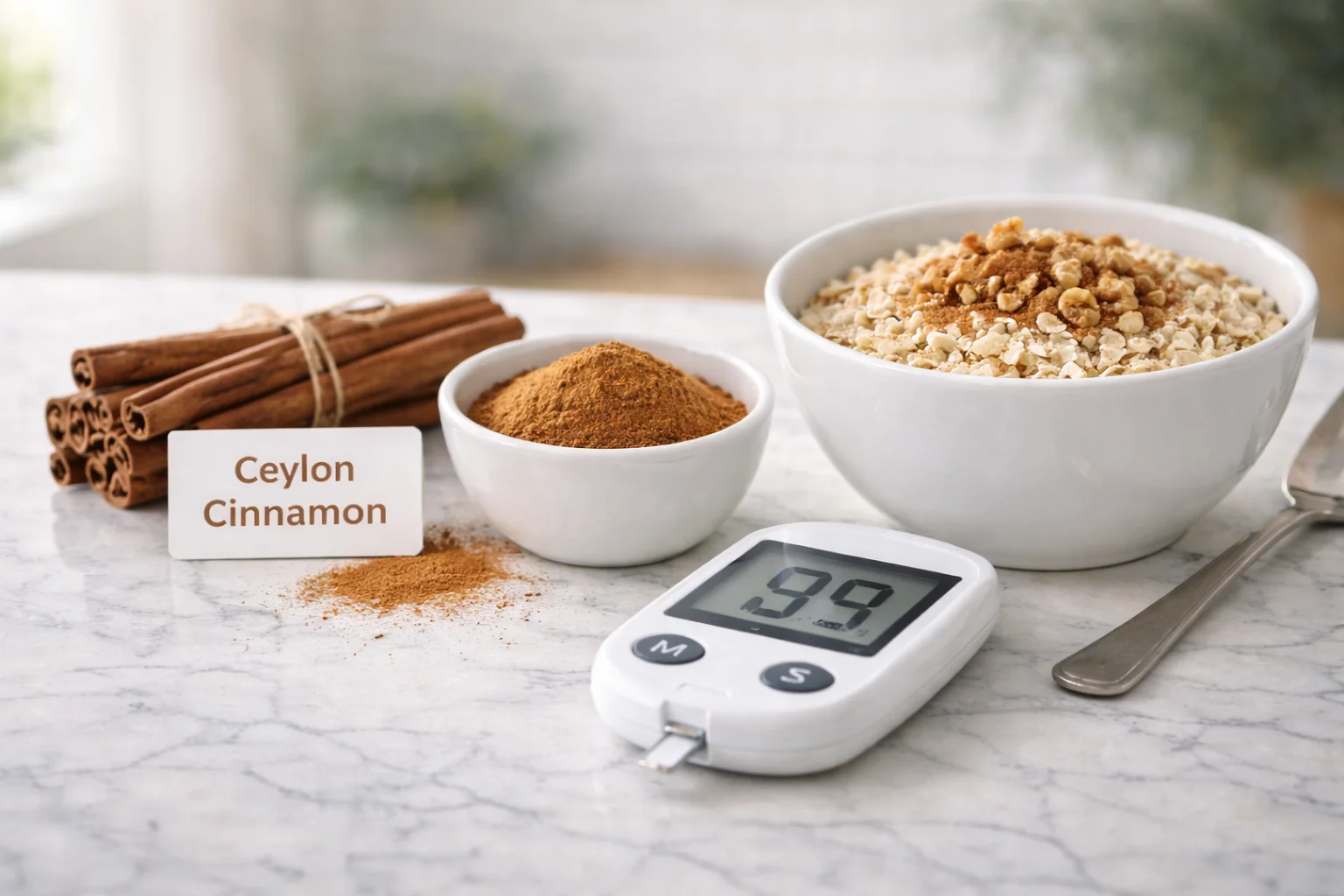
Insulin mimicry. Certain compounds in cinnamon, particularly cinnamaldehyde and Type-A polymers, appear to activate insulin receptors and enhance glucose uptake in cells. This mimics insulin’s action at the receptor level without requiring more insulin to be secreted.
Slowing gastric emptying. Cinnamon slows the rate at which the stomach empties after a meal, which blunts the post-meal glucose spike. This is one reason adding cinnamon to a carbohydrate-rich meal may reduce the glycemic response to that meal.
Inhibiting digestive enzymes. Cinnamon inhibits alpha-glucosidase and alpha-amylase, two enzymes involved in breaking down carbohydrates in the digestive tract. Slowing carbohydrate digestion reduces the speed of glucose absorption into the bloodstream.
n
How Much Cinnamon Should You Take?
Most clinical trials showing positive glycemic effects used between 1 and 6 grams of cinnamon per day, which is roughly 0.5 to 2 teaspoons. The 2003 Khan study used 1, 3, and 6 grams per day and found dose-dependent effects. The 2013 meta-analysis found significant effects at doses starting at 1 gram daily.
Practical guidance:
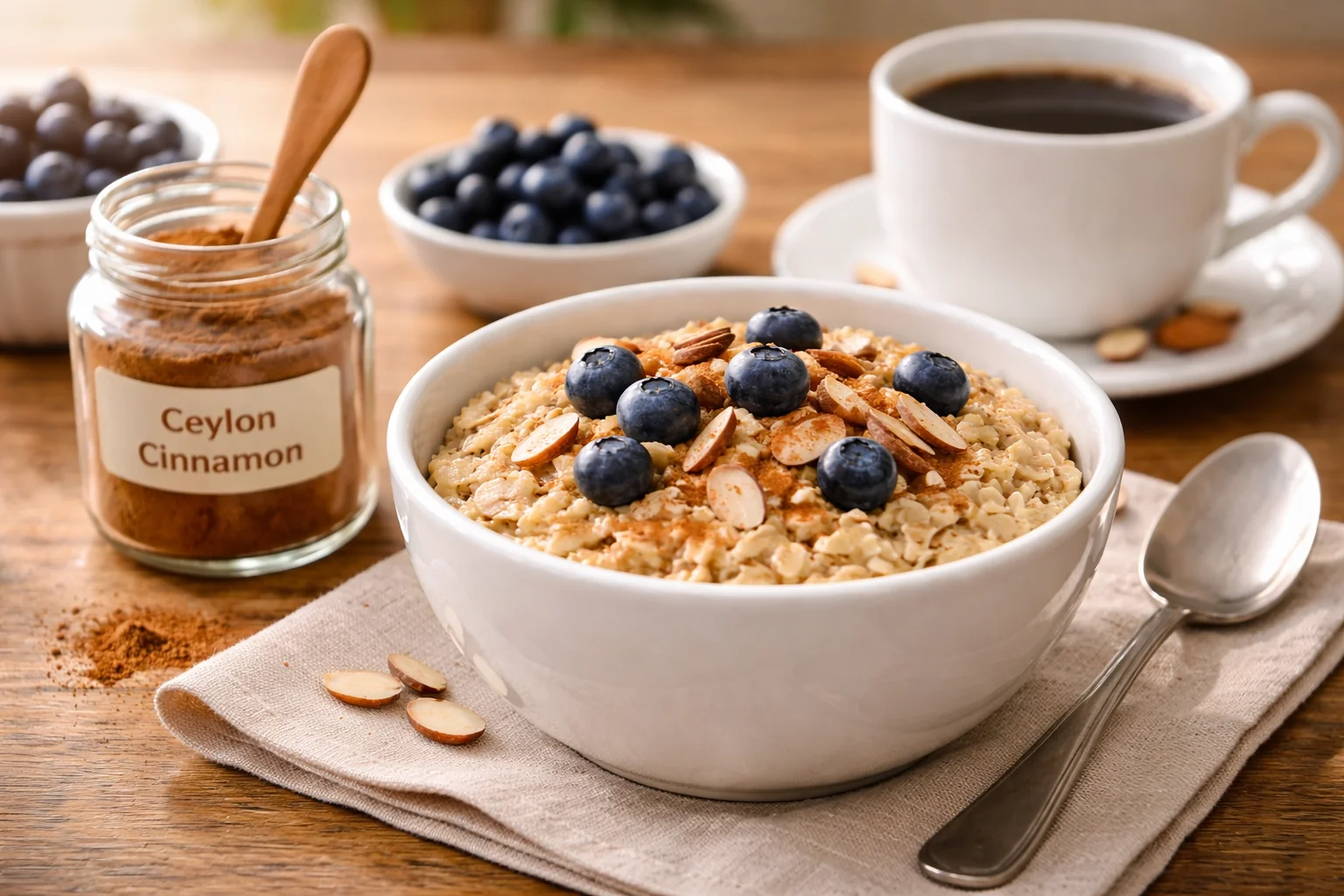
- Food-based: 0.5–1 teaspoon of Ceylon cinnamon daily on oatmeal, yogurt, or in smoothies. This is the safest and most sustainable approach for most people.
- Supplement form: 500–1,000 mg of Ceylon cinnamon extract or water-soluble cinnamon extract, taken with meals. Look for products specifying low coumarin content.
- Timing: Most benefit comes from taking cinnamon with or just before carbohydrate-containing meals, when it can blunt the post-meal glucose spike.
- Duration: Most trials ran for 40 days to 4 months. Allow at least 8 weeks before evaluating results.
What Cinnamon Cannot Do
The evidence supports cinnamon as a modest blood sugar-lowering supplement. The evidence does not support using it as a primary treatment for prediabetes or as a substitute for dietary changes.
For context: the Diabetes Prevention Program found that lifestyle changes, 150 minutes of weekly exercise and modest dietary improvement, reduced diabetes progression by 58%. The best cinnamon trial found an 18–29% reduction in fasting glucose, which sounds impressive until you compare it to what a consistent Mediterranean diet and daily walks can achieve without any supplement.
Cinnamon is most useful as one tool in a broader strategy, not as a standalone intervention. The dietary changes that reduce blood sugar most effectively are covered in detail in our guide to what to eat and avoid with prediabetes.
Who Should Be Cautious with Cinnamon?
- People on blood thinners (warfarin): Coumarin in Cassia cinnamon may amplify the anticoagulant effect. Use Ceylon or discuss with your doctor.
- People with liver disease: Avoid high-dose Cassia cinnamon supplementation. Use Ceylon only.
- People on diabetes medications: Cinnamon can lower blood sugar. Combined with insulin or sulfonylureas, the effect may be excessive. Monitor blood glucose and discuss with your doctor.
- Pregnant women: High-dose cinnamon supplementation has not been adequately studied in pregnancy. Culinary amounts are considered safe.
Where Cinnamon Fits in a Prediabetes Plan
Cinnamon is not berberine. The evidence base is smaller, the effect sizes are more variable, and the mechanisms are less precisely understood. But it is one of the more legitimately studied natural blood sugar supplements, and at the right dose and type, the safety profile is excellent.
If you are building a supplement strategy for prediabetes, cinnamon and vitamin D are reasonable additions alongside the lifestyle foundation. For the supplement with the strongest clinical evidence in this category, see our complete guide to berberine for blood sugar, which has trial data directly comparable to low-dose metformin.
Frequently Asked Questions
Does cinnamon actually lower blood sugar?
Yes, based on clinical evidence. A 2019 meta-analysis of 16 randomized controlled trials involving 1,098 participants found cinnamon supplementation significantly reduced fasting blood glucose compared to placebo, with reductions ranging from 10 to 29 mg/dL across positive trials. A 2013 meta-analysis found an average fasting glucose reduction of 8.11 mg/dL and an A1C reduction of 0.27 percentage points. The effect is real but modest, not a replacement for diet and exercise.
What type of cinnamon is best for blood sugar?
Ceylon cinnamon (true cinnamon) is the safest choice for daily supplementation. Most supermarket cinnamon is Cassia, which contains coumarin, a compound that can damage the liver at high doses taken consistently. Ceylon cinnamon contains only trace amounts of coumarin, making it safe for daily use at 1 to 3 grams. For supplementing over weeks or months, always choose Ceylon or a water-soluble extract specifying low coumarin content.
How much cinnamon should I take for prediabetes?
Most clinical trials showing positive results used 1 to 6 grams per day, roughly 0.5 to 2 teaspoons. A practical starting point is 0.5 to 1 teaspoon of Ceylon cinnamon daily with meals, or 500 to 1,000 mg of a Ceylon cinnamon supplement. Take it with or just before carbohydrate-containing meals for maximum effect on post-meal blood sugar. Allow 8 to 12 weeks before evaluating results.
Can I just add cinnamon to my food instead of taking supplements?
Yes, and for most people this is the preferred approach. Adding half a teaspoon to one teaspoon of Ceylon cinnamon to oatmeal, yogurt, smoothies, or coffee daily is safe, sustainable, and delivers a dose in the range studied in clinical trials. The advantage over capsule supplements is that it integrates naturally into meals, where cinnamon’s effect on slowing gastric emptying and blunting post-meal glucose spikes is most relevant.
Is cinnamon safe to take with diabetes medication?
With caution. Cinnamon can lower blood sugar, and combined with insulin, metformin, or sulfonylureas, the combined effect may cause blood glucose to drop too low. If you take diabetes medication and want to add cinnamon supplementation, discuss it with your doctor first and monitor your blood glucose more closely during the first few weeks.
Sources: Costello RB et al., meta-analysis of 16 RCTs, 1,098 participants, cinnamon and glycemic outcomes (J Nutr Sci Vitaminol, 2019). Allen RW et al., cinnamon and A1C/fasting glucose meta-analysis (J Acad Nutr Diet, 2013). Khan A et al., cinnamon and diabetes landmark RCT (Diabetes Care, 2003). European Food Safety Authority, coumarin tolerable daily intake assessment. Ziegenfuss TN et al., water-soluble cinnamon extract and insulin sensitivity (J Int Soc Sports Nutr, 2006).