

Best Breakfast Ideas for Prediabetes (Quick and Blood Sugar Friendly)
Most people with prediabetes spend a lot of energy worrying about dinner. Breakfast is the meal that actually sets your blood sugar trajectory for the entire day. Get it wrong, and you’re chasing your glucose numbers from 8 a.m. onward. Get it right, and every meal that follows becomes easier to manage.
What you eat for breakfast is one piece of the puzzle. For a complete, research-backed plan, read the full guide on how to reverse prediabetes naturally.
Here’s what most breakfast advice misses: your body is least insulin-sensitive in the morning. A bagel at breakfast produces a bigger blood sugar spike than the same bagel at lunch, not because bagels change, but because morning cortisol has already elevated your glucose before the first bite. What you eat first matters more than most nutrition guides acknowledge.
This guide cuts through the noise: the 8 best breakfasts for prediabetes, what to avoid, and one simple habit that reduces post-meal glucose peaks by more than 40%.
Key Takeaways
- Eating protein and vegetables before carbohydrates reduced postprandial glucose peaks by more than 40% and lowered glucose area under the curve by 38.8% in participants with prediabetes (PMC 7398578, 2020).
- Steel-cut oats have a glycemic index of ~42. Instant oatmeal lands at ~83, comparable to white bread.
- Skipping breakfast is significantly associated with higher insulin resistance in adults with prediabetes (Korean population study, 2023).
- Eggs, plain Greek yogurt, cottage cheese, and chia seeds all have near-zero glycemic impact and are the most reliable breakfast anchors.
- Adding protein to any carbohydrate meal can reduce the post-meal glucose response by 20–30%.
Why Does Breakfast Have Such a Big Impact on Blood Sugar?
Breakfast used to be my worst meal for blood sugar. Toast and juice would send my glucose over 160 within an hour. Once I switched to eggs with vegetables and a small portion of oats, my morning readings stabilized under 120 almost immediately.
Every morning, your body releases cortisol to wake you up, and cortisol raises blood sugar as a side effect. This is called the dawn phenomenon, and it means you begin each day with your glucose already slightly elevated before you eat anything. The first meal determines whether you compound that rise or keep it controlled.
Skipping breakfast doesn’t solve this. A 2023 study in the Journal of Diabetes & Metabolic Disorders examined over 3,000 Korean adults with prediabetes and found that lower breakfast frequency was significantly associated with higher insulin resistance across the entire day (ScienceDirect, 2023). When breakfast is skipped, the glucose response to the next meal spikes sharper and higher than it would have otherwise.
Morning also happens to be when insulin sensitivity is at its lowest point in the daily cycle. This is why breakfast composition matters more than most people realize. The right combination of protein, fiber, and low-glycemic carbohydrates flattens the morning spike and primes your metabolism for the rest of the day. The wrong combination, fruit juice, instant oatmeal, a muffin, sets off a glucose spike that can color your energy and hunger for hours.
If you’ve recently been diagnosed and aren’t sure where to start, the 30-day action plan for prediabetes walks through the full picture week by week, including breakfast habits in week one.
What Makes a Breakfast Prediabetes-Friendly?
Three components determine how a breakfast affects your blood sugar. Every option in this guide delivers at least two, ideally all three.
Protein (Target: 20–30g per meal)
Protein slows gastric emptying, which blunts the rate at which carbohydrates reach the bloodstream. A high-protein breakfast also primes your body to handle the next meal better: research found that participants who ate a high-protein breakfast showed greater insulin and GIP responses at lunch, meaning their metabolism managed carbohydrates more efficiently later in the day (PMC 6619673, 2019). Aim for 20–30g of protein at breakfast, roughly three eggs, or ¾ cup of plain Greek yogurt plus a scoop of protein powder.
Fiber (Target: 7–10g per meal)
Soluble fiber forms a gel in the digestive tract that slows glucose absorption. Foods rich in soluble fiber, steel-cut oats, chia seeds, berries, beans, produce a gentler, more gradual rise in blood sugar than the same calories from refined carbohydrates. The American Diabetes Association recommends 25–38g of fiber daily; a strong breakfast can deliver roughly a third of that goal in one sitting.
Low Glycemic Load
Glycemic load (GL) combines a food’s glycemic index with the actual amount of carbohydrate in a serving. A food can have a moderate glycemic index but a low glycemic load if the serving is small. For breakfast, this means choosing whole grain over refined, limiting portion sizes of even “healthy” carbohydrates, and always pairing carbohydrates with protein and fat to slow their absorption.
The 8 Best Breakfasts for Prediabetes
These options are ranked from lowest to highest glycemic impact. All are practical for weekday mornings. All are backed by research on blood sugar control in people with prediabetes or type 2 diabetes.
1. Eggs (Any Style)
Eggs have a glycemic index of essentially zero, they contain no carbohydrates and produce no measurable blood sugar spike. Two to three large eggs deliver 12–18g of protein. Scrambled, poached, hard-boiled, or as an omelette with vegetables, the preparation method doesn’t change the glycemic outcome. What matters is the protein.
The most impactful addition isn’t cheese or bacon, it’s non-starchy vegetables. Spinach, mushrooms, bell peppers, and zucchini add fiber and volume without adding glycemic load. An egg-and-vegetable scramble is the single most reliable blood-sugar-friendly breakfast available and takes under 10 minutes to make.
2. Plain Greek Yogurt + Berries
Plain Greek yogurt has a glycemic index of approximately 11, far lower than most breakfast staples. A 6-ounce serving provides 15–18g of protein. The critical word is plain. Flavored Greek yogurts average 12–22g of added sugar per serving, which eliminates the glycemic benefit entirely. Add a handful of fresh or frozen berries (GI: 40–53) for natural sweetness, fiber, and antioxidants without a meaningful blood sugar impact.
3. Steel-Cut Oats With Protein Add-Ins
Oatmeal is widely recommended for prediabetes, but the type of oat matters enormously. Steel-cut oats have a glycemic index of approximately 42. Rolled oats land at ~55. Instant oatmeal reaches ~83, comparable to white bread. A 2019 clinical trial confirmed that minimal processing preserves the physical structure of the oat grain, which directly slows glucose absorption (PubMed 31068229, 2019).
To reduce the glycemic impact further, add protein: stir in unflavored whey or plant protein after cooking, top with nut butter, or eat a hard-boiled egg alongside. Research suggests that adding protein to a carbohydrate meal can reduce the post-meal glucose response by 20–30%.
4. Avocado + Whole Grain Toast + Egg
This combination hits all three blood-sugar-friendly pillars simultaneously. Half an avocado contributes 4–5g of fiber and monounsaturated fat, which slows digestion. One slice of 100% whole grain bread (3g+ fiber, GI ~52) provides far less glucose load than white bread. The egg anchors the protein. Choose bread labeled “100% whole grain” with at least 3g of fiber per slice, “wheat bread” or “multigrain” often contains mostly refined flour.
5. Cottage Cheese + Low-Glycemic Fruit
Cottage cheese is one of the most underutilized breakfast proteins. Half a cup provides 12–14g of protein with a glycemic index near zero. Pair with blueberries, sliced strawberries, or diced peach for a breakfast that takes 60 seconds to assemble. Full-fat versions have a slightly lower glycemic impact than low-fat, because fat slows gastric emptying. This option requires no cooking and fits easily into busy mornings.
6. Chia Seed Pudding (Made the Night Before)
Two tablespoons of chia seeds provide approximately 10g of fiber, roughly 40% of the ADA’s daily recommendation in a single serving. Chia seeds form a thick gel when mixed with liquid, which mechanically slows glucose absorption. Prepare the night before: mix 3 tablespoons of chia seeds in 1 cup of unsweetened almond or coconut milk. Add a scoop of protein powder for 20+ grams of protein. Top with berries in the morning. This is the most meal-prep-friendly option on the list.
7. Protein Smoothie (Built Correctly)
Smoothies can be excellent or disastrous for blood sugar, the difference is the build. A blood-sugar-friendly smoothie: ½ cup frozen berries, 1 cup unsweetened almond milk, 1 scoop vanilla or unflavored protein powder (20–25g protein), 1 tablespoon chia or flaxseed, ½ cup spinach. A blood-sugar-spiking smoothie: juice base, banana, mango, honey, no protein. The second version can contain 50–70g of fast carbohydrates with almost no protein or fat, more glycemic than a soft drink. The protein powder is non-negotiable.
8. Nut Butter on Whole Grain Toast + Hard-Boiled Egg
Natural almond or peanut butter (no added sugar, check the label) provides 6–8g of protein and 3–4g of fiber per 2-tablespoon serving. On one slice of 100% whole grain bread, it becomes a reasonable base breakfast. Add a hard-boiled egg, prepared in advance, it takes zero additional morning time, and the protein total reaches approximately 18–20g. This is the fastest option on the list: 90 seconds from refrigerator to table.
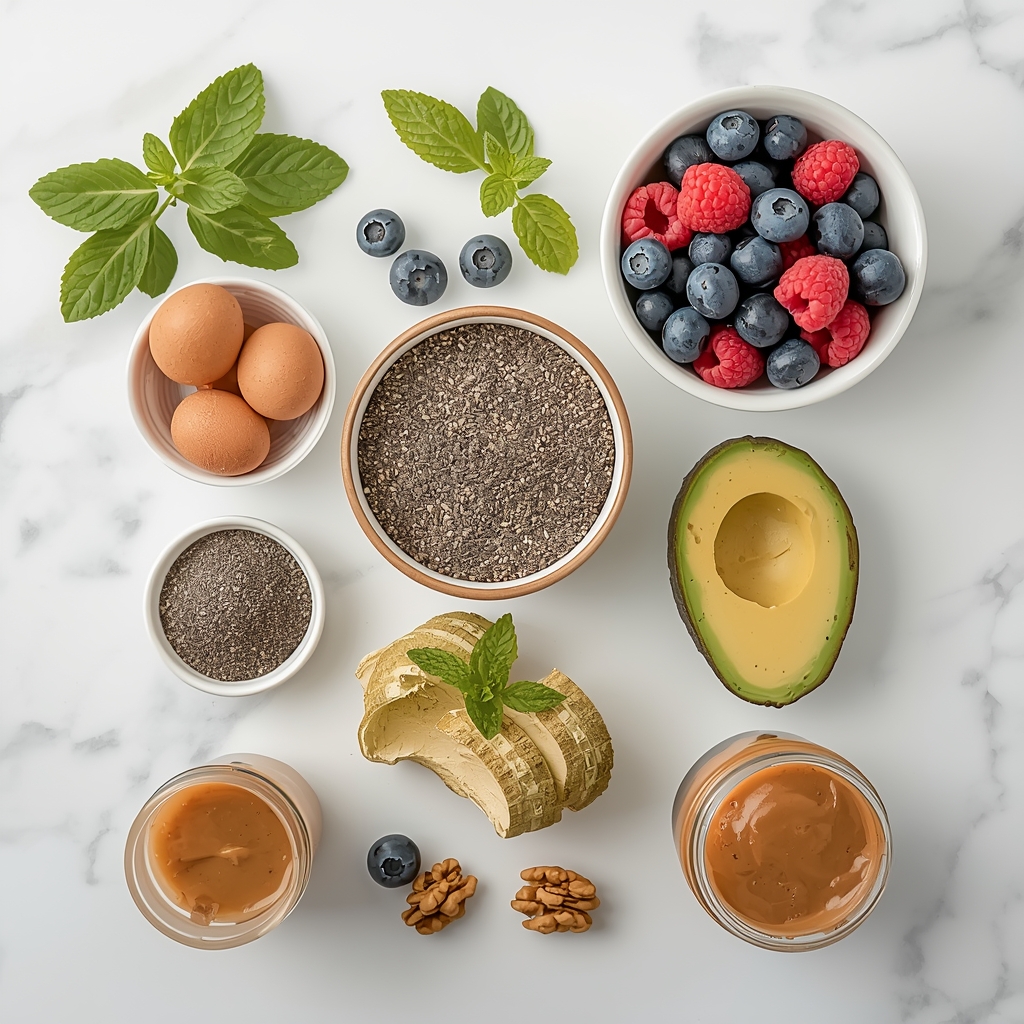
What to Avoid at Breakfast If You Have Prediabetes
These breakfast staples are widely consumed, some are even marketed as healthy, but they consistently spike blood sugar in people with impaired insulin response.
Fruit Juice
Eight ounces of orange juice contains approximately 26g of sugar with almost no fiber. The fiber from whole fruit is discarded in the juicing process, removing the natural brake on glucose absorption. Without fiber, the sugar reaches the bloodstream nearly as fast as soda. Whole fruit is acceptable in moderate portions; juice is almost never appropriate for someone managing prediabetes.
Instant Oatmeal, Especially Flavored Packets
As the GI chart above shows, instant oats (GI ~83) spike blood sugar at nearly the same rate as white bread. Flavored packets add another 12–17g of sugar per serving. If oatmeal is a daily habit, switching from instant to steel-cut oats is one of the highest-return changes a person with prediabetes can make, same food category, dramatically different glycemic outcome.
Sweetened Yogurt
Fruit-at-the-bottom and flavored yogurts contain 15–22g of added sugar per serving. Some “light” varieties substitute artificial sweeteners, though evidence on their metabolic effects continues to evolve. Plain Greek yogurt, with no sweetener added, is the only consistently safe yogurt option for prediabetes management.
Most Commercial Granola and Breakfast Bars
Most granola contains 15–25g of sugar per half-cup serving. Breakfast bars marketed as “whole grain” or “natural” often contain as much sugar as a candy bar. The rule of thumb: if net carbohydrates (total carbs minus fiber) exceed 20g per serving, the breakfast is producing a significant glucose load regardless of what the packaging claims.
Bagels, Muffins, and Pastries
A plain bagel has a glycemic index of approximately 72 with 55–60g of total carbohydrates. A large coffee shop muffin can contain 60–80g of carbohydrates and 30–40g of sugar. These foods are among the fastest sources of glucose available at breakfast. An occasional choice is unlikely to cause lasting harm; a daily habit compounds insulin resistance over months.

Does the Order You Eat at Breakfast Actually Matter?
Yes, and the research is more striking than most people expect. A 2020 study published in Nutrients examined 15 participants with prediabetes who consumed identical meals in different orders. Eating protein and vegetables before carbohydrates reduced postprandial glucose peaks by more than 40% and lowered the glucose area under the curve by 38.8% compared to eating carbohydrates first (PMC 7398578, 2020). The macronutrient composition of the meal was identical. Only the order changed.
A 2025 study in Diabetes Care confirmed these findings at scale: a carbohydrate-last food order significantly improved time in range and reduced glycemic variability across the day (Diabetes Care, 2025). A follow-up behavioral intervention found that 94% of participants sustained high adherence to the protein-first protocol over time, evidence that this habit is not difficult to maintain once established.
A similar mechanism is at work with post-meal walks. If you want to stack this habit with another proven blood sugar tool, see how a 10-minute walk after breakfast reduces the post-meal glucose spike, used together, food sequencing and post-meal walking produce a compounding effect on daily glucose control.
A 3-Day Prediabetes Breakfast Plan
These three days show how to rotate blood-sugar-friendly breakfasts without repetition. Each meal targets approximately 20–25g of protein, 7–10g of fiber, and a low glycemic load. All can be prepared in under 10 minutes.
Day 1
Egg and Vegetable Scramble
3 eggs scrambled with spinach, mushrooms, and diced red pepper. 1 slice 100% whole grain toast. Unsweetened coffee or green tea.
Approx: 25g protein · 8g fiber · GI load: low
Day 2
Greek Yogurt Protein Bowl
¾ cup plain full-fat Greek yogurt. ½ cup blueberries or raspberries. 1 tablespoon chia seeds. Small handful of walnuts. Eat the yogurt and nuts before the fruit.
Approx: 20g protein · 9g fiber · GI load: very low
Day 3
Steel-Cut Oatmeal With Protein
½ cup dry steel-cut oats cooked in water. 1 scoop unflavored whey protein stirred in after cooking. 1 tablespoon natural almond butter on top. ½ cup raspberries on the side. Eat the protein powder-enriched oats first, berries alongside.
Approx: 28g protein · 10g fiber · GI load: low-moderate
For a complete guide to eating throughout the day with prediabetes, lunch, dinner, snacks, and which foods to avoid entirely, see what to eat and avoid with prediabetes. Breakfast is the foundation; the full guide completes the picture.
Frequently Asked Questions
Is oatmeal good or bad for prediabetes?
It depends on the type. Steel-cut oats have a glycemic index of approximately 42 and are appropriate for prediabetes when paired with protein. Instant oatmeal has a GI of ~83, comparable to white bread, and is not a good choice. A 2019 clinical trial confirmed that processing significantly changes the glycemic response of oats. Always add protein (nut butter, protein powder, Greek yogurt on the side) to reduce the glucose impact further.
Can I eat eggs every day if I have prediabetes?
Yes. Eggs have a glycemic index of essentially zero and are among the best breakfast proteins for blood sugar control. Research on egg consumption and cardiovascular risk has evolved significantly, most current evidence does not support limiting eggs in otherwise healthy individuals with prediabetes. The American Diabetes Association does not set a specific limit on egg consumption. Consult your doctor if you have specific cholesterol concerns.
What is the single best breakfast for prediabetes?
If forced to choose one, a 3-egg vegetable scramble (spinach, mushrooms, peppers) is the most consistently blood-sugar-neutral breakfast available, GI of essentially zero, 18g+ protein, no meaningful glucose spike. Plain Greek yogurt with berries and chia seeds is the strongest runner-up. Both options are quick, cheap, and produce no measurable post-meal glucose spike when eaten consistently.
Should I skip breakfast to lower blood sugar?
No. A 2023 Korean population study of adults with prediabetes found that skipping breakfast was significantly associated with higher insulin resistance throughout the day. Skipping breakfast doesn’t prevent glucose spikes, it often makes the response to the next meal sharper. Consistent breakfast eating, with a protein-forward composition, appears to support better glycemic control across the full day. Discuss any fasting protocols with your doctor before starting.
How does eating order affect blood sugar at breakfast?
Eating protein and vegetables before carbohydrates at the same meal reduces postprandial glucose peaks by more than 40%, according to a study with prediabetic participants (PMC 7398578, 2020). Eating the egg before the toast, or the Greek yogurt before the oatmeal, produces a measurably lower glucose response than eating those foods in reverse order. A 2025 study in Diabetes Care confirmed that a carbohydrate-last food order improves time in range and reduces daily glycemic variability.
What to Do Next
Breakfast is one lever. For people with prediabetes, it’s among the most impactful, but it works best as part of a broader daily pattern. Pair a protein-forward breakfast with a short post-meal walk (see how walking after meals lowers blood sugar), and you’ve already addressed two of the three highest-impact daily habits. The third is sleep: even one week of poor sleep reduces insulin sensitivity by about 25%, which means the best breakfast in the world has a harder time doing its job. Read: how stress and poor sleep affect prediabetes.
If you want to understand the number your doctor gave you and why breakfast matters specifically for moving it, see prediabetes A1C levels explained.
If you are exploring natural supplements alongside these breakfast habits, berberine has the strongest clinical backing of any natural blood sugar supplement, with trial results showing meaningful reductions in fasting glucose and A1C.
nn
Sources: PMC 7398578, Food order study in prediabetes (Nutrients, 2020). PMC 6619673, High-protein breakfast and insulin response (2019). PubMed 31068229, Oat processing and glycemic response (PLOS ONE, 2019). ScienceDirect, Breakfast frequency and insulin resistance in Korean adults with prediabetes (Journal of Diabetes & Metabolic Disorders, 2023). Diabetes Care, Carbohydrates-last food order and time in range (2025). International Tables of Glycemic Index and Glycemic Load Values (Foster-Powell et al., updated 2021). American Diabetes Association Standards of Medical Care, 2024.
Still have questions about what to eat in the morning? The guide to prediabetes diet questions answered covers the 12 most common ones.