27 Foods to Avoid with Prediabetes (Ranked by How Much They Spike Blood Sugar)
Affiliate disclosure: This article contains affiliate links. If you purchase through them, we may earn a commission at no extra cost to you. We only recommend products we have researched and believe in. This content is for informational purposes only and is not medical advice.
Sarah Mitchell did everything right after her prediabetes diagnosis. She swapped soda for “100% fruit juice,” ditched white bread for “whole wheat,” and started every morning with a flavored Greek yogurt and a granola bar. Eight weeks later, her A1C had gone up, not down.
Her doctor was puzzled. Sarah was furious. Then they sat down and went through her grocery list line by line, and the answer became obvious: several of the “healthy” foods Sarah trusted were spiking her blood sugar harder than the soda she had given up. Some of them were marketed directly to people like her.
This guide ranks the 27 worst offenders by how aggressively they raise blood sugar in people with prediabetes — from the obvious culprits everyone warns you about, to the deceptive “health foods” that quietly sabotage your A1C. If you want to understand what your numbers mean first, start with our prediabetes blood sugar levels chart.
Key Takeaways
- White bread, rice, and pasta spike blood sugar as fast as pure sugar.
- “Low-fat” foods often contain more sugar than their full-fat versions.
- Fruit juice has the same glycemic load as soda — even 100% juice.
- The glycemic index matters less than glycemic load for prediabetes.
- Smart swaps exist for every item on this list.
The 3 Categories of Blood Sugar Saboteurs
Not all blood-sugar-raising foods are created equal. Some are obvious. Others are sneaky. The 27 foods below fall into three distinct categories, and recognizing the pattern is more important than memorizing the list.
Category 1 — The Obvious Ones. These are refined carbohydrates and straight sugar. White flour, white rice, candy, soda. Everyone knows they spike glucose, but they remain the foundation of most American diets, which is exactly why they account for nearly half of every blood sugar problem in prediabetic adults.
Category 2 — The Surprising Ones. These are foods people think are healthy because of the marketing, the packaging, or one nutritious-sounding ingredient. Granola bars feel virtuous. Smoothies feel clean. Whole wheat bread feels responsible. The blood sugar response says otherwise.
Category 3 — The “Healthy Label” Traps. These wear health-food disguises: agave nectar, coconut sugar, gluten-free baked goods, “no added sugar” cereals. They earned premium shelf space at Whole Foods and a place in your pantry by sounding wholesome. Biologically, your pancreas can’t read the label.
Category 1 — The Obvious Ones (Items 1-10)
These are the foods most doctors mention first. They digest into glucose almost instantly because the fiber, fat, and protein that would normally slow absorption have been stripped out.
- White bread. Glycemic index of 75 — nearly identical to pure glucose. Swap: sprouted grain bread (Ezekiel-style) or sourdough rye.
- White rice. A single cup can raise blood sugar over 50 mg/dL within an hour. Swap: cauliflower rice, quinoa, or chilled basmati (resistant starch is lower-impact).
- Regular pasta. Refined semolina behaves like sugar after 30 minutes of digestion. Swap: lentil or chickpea pasta, or al dente whole-wheat pasta in small portions.
- Sugary breakfast cereals. Cornflakes, Frosted Flakes, Special K. GI scores of 70-90. Swap: see our best breakfast for prediabetes guide for high-protein alternatives.
- Candy and sweets. Pure sucrose with no fiber to slow it. Swap: a square of 85%+ dark chocolate.
- Soda and sugary drinks. A 12-oz can = ~10 teaspoons of sugar, absorbed in minutes. Swap: sparkling water with lemon or unsweetened iced tea.
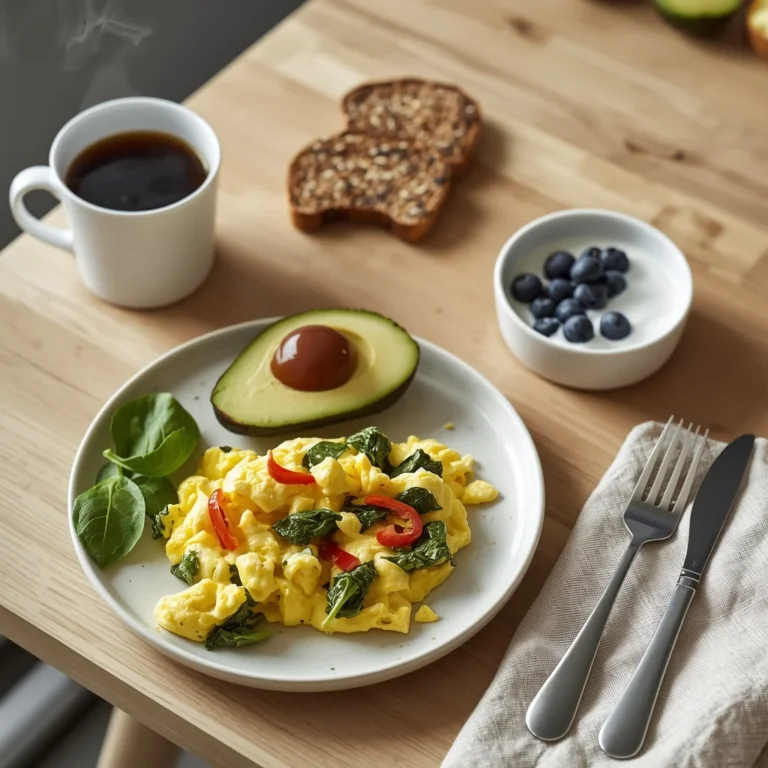
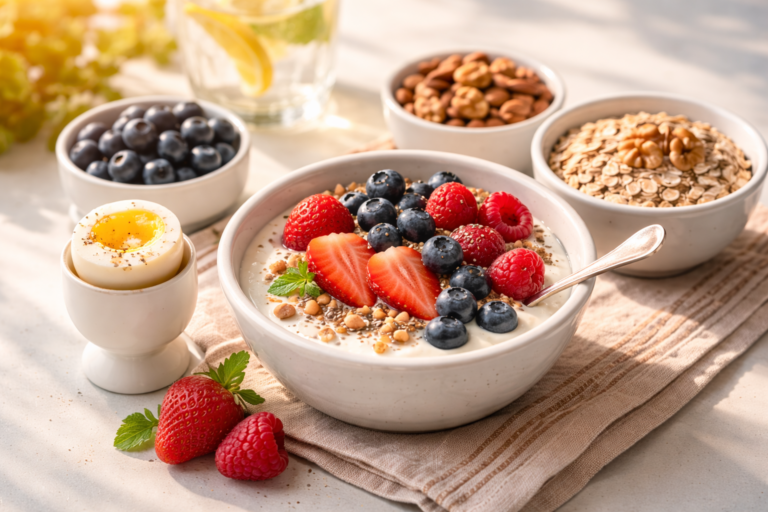
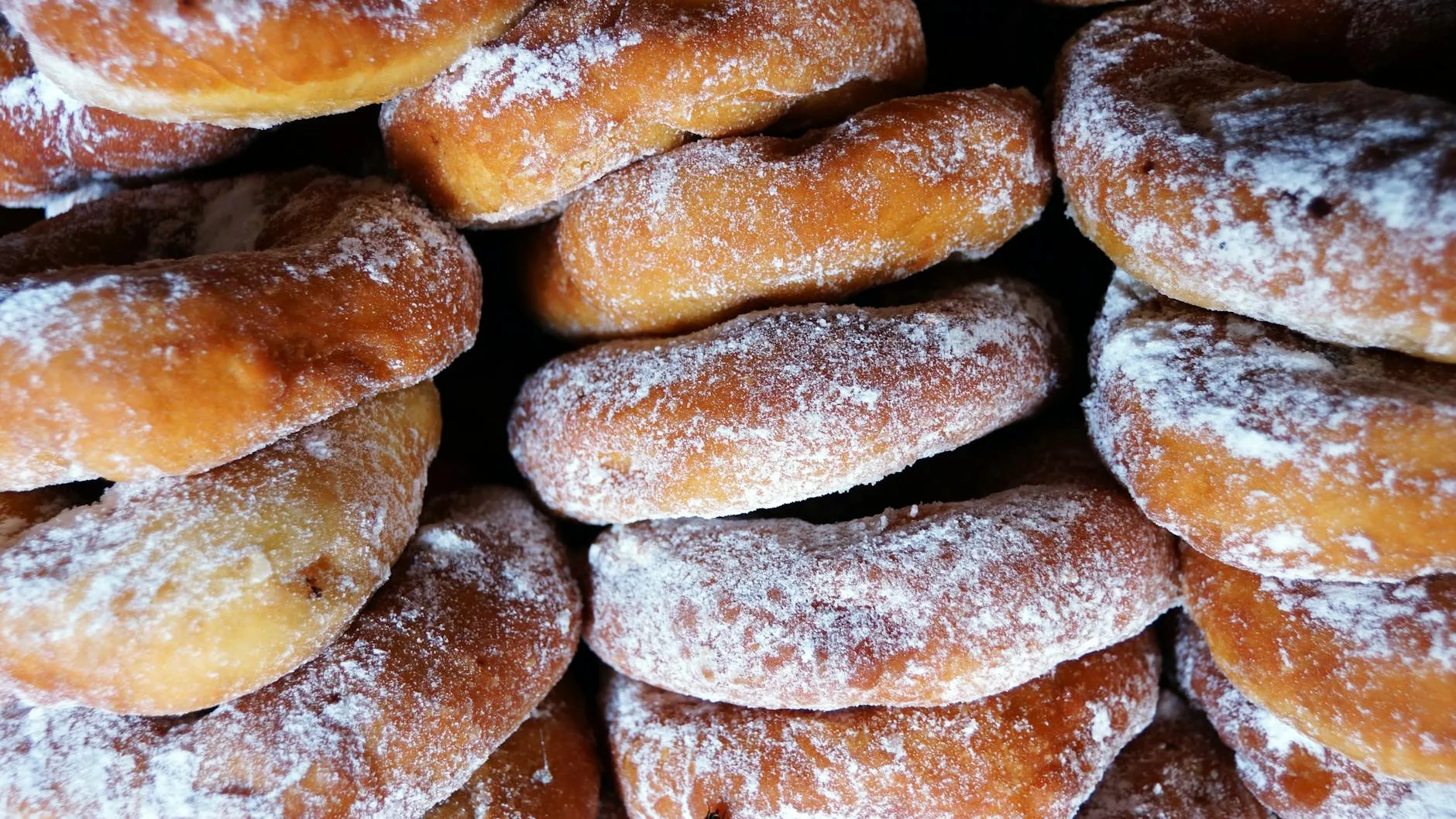
- Pastries, donuts, and muffins. Refined flour plus sugar plus seed oils — the trifecta. Swap: a chia pudding or two eggs with avocado.
- White potatoes (plain baked or mashed). A medium baked potato has a GI of 85. Swap: sweet potato, cooked-then-cooled red potatoes, or roasted root veg.
- Instant oatmeal. Pre-cooked, pulverized, often pre-sweetened — see our full breakdown: is oatmeal good or bad for prediabetes. Swap: steel-cut or rolled oats cooked from scratch with cinnamon.
- Fruit juice. Even 100% orange juice contains 22g of sugar per cup with zero fiber. Swap: a whole orange — the fiber changes everything.
Category 2 — The Surprising Ones (Items 11-20)
Here is where most people with prediabetes get blindsided. These foods often sit in the “health” aisle, carry green packaging, and use words like “natural,” “fiber-rich,” or “high-protein.” They still spike glucose.
- Flavored yogurt. A single 6-oz cup of strawberry yogurt can contain 18-25g of added sugar. Swap: plain Greek yogurt with fresh berries and cinnamon.
- Granola and granola bars. Oats coated in honey, syrup, and oil. A “healthy” Nature Valley bar has 11g of sugar. Swap: a handful of almonds and walnuts.
- Dried fruit (raisins, dates, dried mango). Concentrated sugar with the water removed. Three dates ≈ a candy bar’s glucose load. Swap: fresh berries or a small apple.
- Sports drinks and vitamin water. Marketed for hydration, formulated like soda. Swap: water with electrolyte powder (zero-sugar varieties).
- Store-bought smoothies. A typical Jamba Juice contains 70+ grams of sugar — most of it fruit-derived but stripped of fiber. Swap: homemade smoothie with protein powder, spinach, ½ cup berries, no juice base.
- Flavored instant oatmeal packets. Maple & brown sugar, apple cinnamon — 12g+ of added sugar per packet. Swap: plain rolled oats + cinnamon + walnuts.
- Commercial “whole wheat” bread. If “wheat flour” (not “whole grain flour”) is the first ingredient, it behaves like white bread. Swap: 100% sprouted-grain or seeded sourdough.
- Rice cakes. Puffed rice = pure refined starch. GI of 87. Swap: seed crackers or sliced cucumber with hummus.
- Bottled salad dressings (sweet varieties). Honey mustard, French, raspberry vinaigrette often carry 5-9g of sugar per 2 tbsp. Swap: olive oil + vinegar + Dijon.
- Energy bars and protein bars. Many “performance” bars contain 15-25g of sugar plus refined carbs. Swap: a hardboiled egg or a tablespoon of nut butter on celery.
Category 3 — The “Healthy Label” Traps (Items 21-27)
These are the most psychologically damaging foods on the list, because eating them feels like progress. They are not. Your bloodstream treats them exactly like sugar.
- Agave nectar. 70-90% fructose, taxes the liver, and raises triglycerides. Swap: a tiny amount of pure monk fruit or stevia.
- Honey (in large amounts). Natural, but still 17g of sugar per tablespoon. Swap: cinnamon for sweetness; if you must use honey, ¼ teaspoon max.
- Coconut sugar. Marketed as low-GI, but contains the same calories and nearly the same glycemic load as table sugar. Swap: allulose or erythritol for baking.
- “Gluten-free” baked goods. Rice flour, potato starch, and tapioca starch often spike glucose more than wheat. Swap: almond flour or coconut flour baked goods.
- Low-fat flavored milk. Removing fat means manufacturers add sugar to restore taste. Swap: unsweetened almond milk or whole milk in moderation.
- “Whole grain” breakfast cereal. Even Cheerios spikes blood sugar because the grains are pulverized into flour. Swap: chia pudding or eggs.
- Commercial orange juice. The poster child for “natural but harmful.” 26g of sugar per cup, zero fiber. Swap: a whole orange — yes, fiber really is that important.
The Science: Why Glycemic Load Beats Glycemic Index
According to the American Diabetes Association and research published by Harvard’s School of Public Health, glycemic load (GL) — which factors in both how fast a carb is absorbed and how much of it you actually eat — is a better predictor of postprandial blood sugar spikes than glycemic index alone (Atkinson et al., Diabetes Care, 2008).
That’s why a single date (small portion, high GI) and a large bowl of brown rice (lower GI, big portion) can hit your bloodstream similarly. For prediabetes, portion size + carb quality is the equation that matters.
Smart Swaps That Actually Work
Below is the quick-reference cheat sheet. Print it. Take it to the grocery store. Put it on your fridge.
| Avoid | Better Choice |
|---|---|
| White bread | Sprouted-grain or sourdough rye |
| White rice | Cauliflower rice or quinoa |
| Fruit juice | Whole fruit (fiber intact) |
| Flavored yogurt | Plain Greek yogurt + berries |
| Granola bar | Handful of nuts |
| Sugary cereal | Eggs with avocado or chia pudding |
| Agave / coconut sugar | Monk fruit or stevia |
| Soda | Sparkling water with lemon |
| Dried fruit | Fresh berries |
| Instant oatmeal packet | Steel-cut oats + cinnamon |
Adjusting the Diet Isn’t Always Enough

Even after cleaning up these 27 foods, some people still see stubborn post-meal blood sugar spikes. That’s where targeted supplementation — like the chromium, biotin, and Gymnema Sylvestre blend inside GlucoTrust — can help support steady glucose response overnight and after meals.
Frequently Asked Questions
What foods raise blood sugar the fastest with prediabetes?
Liquid sugar (soda, fruit juice, sports drinks) and refined starches (white bread, white rice, instant oatmeal) raise blood sugar fastest, often within 15-30 minutes of consumption.
Can I eat fruit with prediabetes?
Yes — whole fruit with fiber (berries, apples, pears, citrus) is generally safe in moderate portions. Avoid fruit juice and dried fruit, which behave like concentrated sugar.
Is honey safe for prediabetes?
In very small amounts (¼ teaspoon or less), honey is unlikely to cause harm. But it is still 17g of sugar per tablespoon and should not be considered a “free” sweetener.
What is the worst breakfast food for prediabetes?
Sugary or “whole grain” breakfast cereals combined with fruit juice are the single worst breakfast combo. They produce a rapid, prolonged glucose spike that can affect blood sugar for hours.
Are whole grains safe for prediabetes?
Intact whole grains (steel-cut oats, quinoa, barley, wheat berries) are far better than pulverized whole grains (whole wheat flour, instant oatmeal, whole grain cereal). The structure matters as much as the ingredient.