Prediabetes Blood Sugar Levels Chart: What Every Number Means (And What to Do Next)
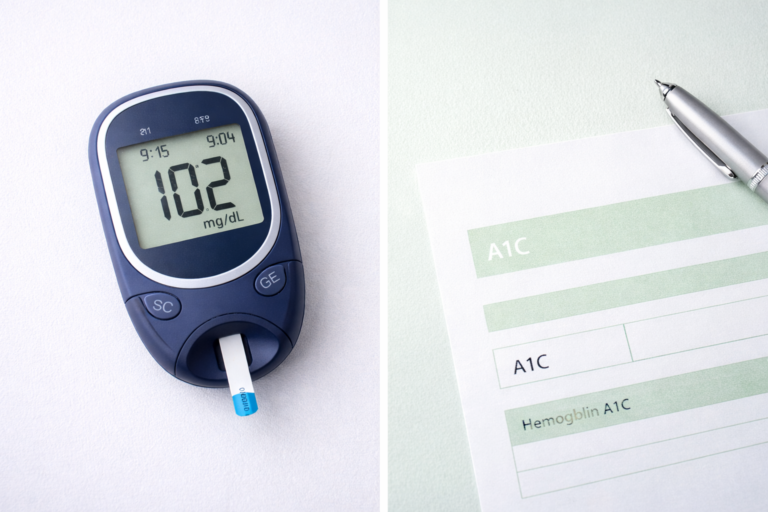
The day my doctor said “you’re prediabetic,” I went home and stared at the lab printout for two hours. Fasting glucose 117. A1C 6.1. What did those numbers mean? Was 117 a little prediabetes or a lot? Was 6.1 close to diabetes? Nobody explained. I became obsessed with understanding every number — because I refused to fly blind through the next 90 days. This post is the chart I wish someone had handed me on day one.
Key Takeaways
- Fasting blood sugar is normal below 100 mg/dL, prediabetes at 100–125 mg/dL, and diabetes at 126+ mg/dL.
- A1C is normal below 5.7%, prediabetes between 5.7% and 6.4%, and diabetes at 6.5%+.
- Post-meal (2 hours) target for prediabetes is below 140 mg/dL.
- A 0.5% drop in A1C can be enough to move you from prediabetes back into the normal range.
The Prediabetes Blood Sugar Levels Chart You Actually Need
Below is the official diagnostic chart used by every endocrinologist in the United States. The values come straight from the American Diabetes Association’s Standards of Medical Care in Diabetes 2024. Print it, screenshot it, tape it to your fridge — these are the numbers that will define the next 90 days of your life.
| Test | Normal | Prediabetes | Type 2 Diabetes |
|---|---|---|---|
| Fasting Blood Sugar | Below 100 mg/dL | 100–125 mg/dL | 126 mg/dL or higher |
| Post-Meal (2 hours) | Below 140 mg/dL | 140–199 mg/dL | 200 mg/dL or higher |
| A1C | Below 5.7% | 5.7%–6.4% | 6.5% or higher |
| Random Blood Sugar | Below 140 mg/dL | 140–199 mg/dL | 200 mg/dL or higher |
Source: American Diabetes Association — Standards of Medical Care in Diabetes 2024

What Your Fasting Blood Sugar Number Actually Means
Fasting blood sugar is what’s in your bloodstream after 8+ hours without eating — usually measured first thing in the morning before breakfast. It’s the single most common screening test, and where most prediabetes diagnoses come from. But “prediabetes” covers a 26-point range, and there’s a huge difference between being barely over the line and sitting one point away from diabetes.
100–109 mg/dL — Early prediabetes. You’re just over the threshold. The good news: this range responds the fastest to lifestyle changes. A study published in The New England Journal of Medicine found that people in this range who lost 5–7% of body weight and walked 150 minutes per week reduced their progression risk by 58%. Action: cut liquid sugar, walk 15 minutes after meals, retest in 60 days.
110–119 mg/dL — Mid-range prediabetes. This is where things get more serious. Your liver is overproducing glucose overnight, and your morning insulin response is dulled. Action: add a protein-forward breakfast within 60 minutes of waking, eliminate snacking after 7 PM, and start tracking your sleep — under 6 hours per night raises fasting glucose by 8–10 points on average.
120–125 mg/dL — High-end prediabetes. You’re one bad week away from a diabetes diagnosis. Don’t panic — but don’t wait either. This range typically takes 4–6 months of consistent work to bring back down. Action: talk to your doctor about whether metformin makes sense as a bridge, and follow a structured plan like the one in our complete prediabetes guide.
Understanding Your A1C (And How Fast You Can Lower It)
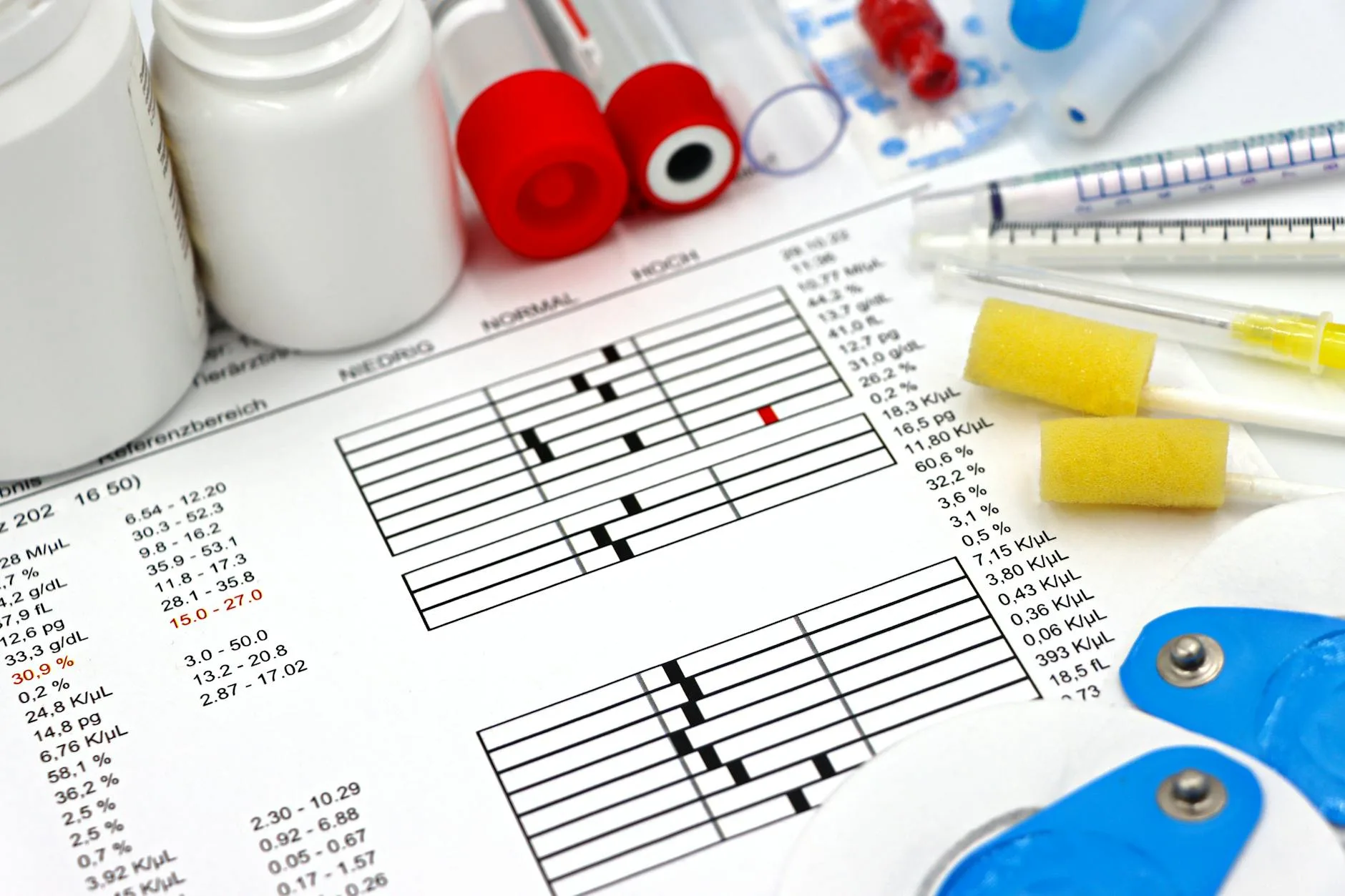
A1C is the most important number on your lab printout. Unlike fasting glucose, which only shows one moment in time, A1C reflects your average blood sugar over the last 2–3 months. It’s a slow-moving number, which means it tells the truth about your habits — not just what you ate last night.
| Your A1C | What It Means | Average Time to Reverse |
|---|---|---|
| 5.7% | Low-risk prediabetes | 2–3 months with lifestyle |
| 5.8%–5.9% | Mild prediabetes | 3–4 months |
| 6.0%–6.2% | Moderate prediabetes | 4–6 months |
| 6.3%–6.4% | High-end prediabetes | 6–9 months |
The landmark Diabetes Prevention Program (DPP) — a National Institutes of Health study following 3,234 prediabetic adults — showed that lifestyle intervention reduced progression to type 2 diabetes by 58% over three years. In adults over 60, the reduction was even more dramatic: 71%. That’s not a supplement marketing claim. That’s federally funded data on thousands of real patients.
What this means in practice: don’t expect your A1C to plunge in 30 days. The hemoglobin molecules being measured today were already glycated weeks ago. You’re moving an average — give it 90 days minimum before you retest, and don’t get discouraged by a one-tenth-of-a-percent drop on your first follow-up. That’s actually a solid result.
Post-Meal Blood Sugar: The Number Most People Ignore
Here’s something most doctors won’t tell you: your post-meal blood sugar — measured 2 hours after the first bite of a meal — is often a better predictor of cardiovascular risk than your fasting number. Yet almost no one tests it routinely, because it requires a continuous glucose monitor or self-testing at home.
The target for someone with prediabetes is below 140 mg/dL at the 2-hour mark. If you’re spiking to 180 or 200 after a normal meal, your pancreas is struggling to keep up, even if your morning fasting number looks acceptable. This is the silent driver of A1C creep — those post-meal spikes get baked into your three-month average without you ever noticing.
The single most effective intervention I’ve found for post-meal spikes is also the most boring: a 10–15 minute walk within 30 minutes of finishing eating. I wrote a full breakdown of the science in walking after meals for blood sugar control. The other big lever is what you eat first thing in the morning — most “healthy” breakfasts (oatmeal, smoothies, toast with jam) are glucose bombs in disguise. See the best breakfast for prediabetes for a step-by-step replacement plan.
How to Use These Numbers to Build Your Reversal Plan
Reading the chart is the easy part. Turning it into a plan that actually moves your numbers is where most people get stuck. Here’s the three-step framework I used to drop my A1C from 6.1% to 5.5% in 90 days:
Step 1 — Test at the right times. Fasting glucose first thing in the morning (before water, coffee, or movement). Post-meal glucose exactly 2 hours after your largest meal of the day. A1C every 90 days, not sooner. Testing too often creates noise, not signal.
Step 2 — Locate yourself precisely on the chart. Don’t just say “I have prediabetes.” Say “I have early prediabetes with fasting 107 and A1C 5.8.” That precision changes your timeline, your urgency, and your specific lifestyle priorities.
Step 3 — Match your interventions to your range. Early prediabetes responds to small consistent changes (walking, breakfast swap, sleep). Mid-range prediabetes needs structured nutrition shifts. High-end prediabetes often benefits from medical supervision plus a comprehensive protocol like the one in how to reverse prediabetes naturally.
Struggling to Move Your Numbers?

If you’ve been doing the lifestyle work and your fasting numbers still won’t budge, you’re not alone — and you may need targeted nutritional support. GlucoTrust combines three ingredients with clinical research behind blood sugar stability: chromium (insulin sensitivity), biotin (glucose metabolism), and gymnema sylvestre (reduces sugar cravings). I tracked my own fasting and post-meal numbers for 90 days while testing it.
See GlucoTrust Details →Frequently Asked Questions
What is a normal blood sugar level for prediabetes?
Prediabetes is defined by a fasting blood sugar of 100–125 mg/dL, a post-meal (2-hour) reading of 140–199 mg/dL, or an A1C between 5.7% and 6.4%. Anything below those thresholds is considered normal; anything above is considered type 2 diabetes.
What A1C level is considered prediabetes?
An A1C between 5.7% and 6.4% is classified as prediabetes by the American Diabetes Association. Below 5.7% is normal; 6.5% or higher on two separate tests confirms type 2 diabetes.
What blood sugar level is dangerous for prediabetes?
Fasting readings consistently above 120 mg/dL or post-meal readings above 180 mg/dL warrant medical attention. While not immediately life-threatening, sustained values at the high end of the prediabetes range significantly raise your risk of progressing to diabetes within 12 months.
How quickly can I lower my blood sugar if I have prediabetes?
Fasting glucose can begin to drop within 2–4 weeks of consistent lifestyle changes (walking after meals, cutting liquid sugar, improving sleep). A1C reflects a 3-month average, so meaningful reductions typically appear at the 90-day mark — usually 0.3–0.7 percentage points with disciplined effort.
What is the difference between A1C and fasting blood sugar?
Fasting blood sugar is a snapshot — it measures glucose at one moment in time, after an 8+ hour fast. A1C measures the percentage of your hemoglobin that has glucose attached, which reflects your average blood sugar over the previous 2–3 months. A1C is harder to “trick” with a few good days; fasting glucose can vary daily based on sleep, stress, and what you ate the night before.