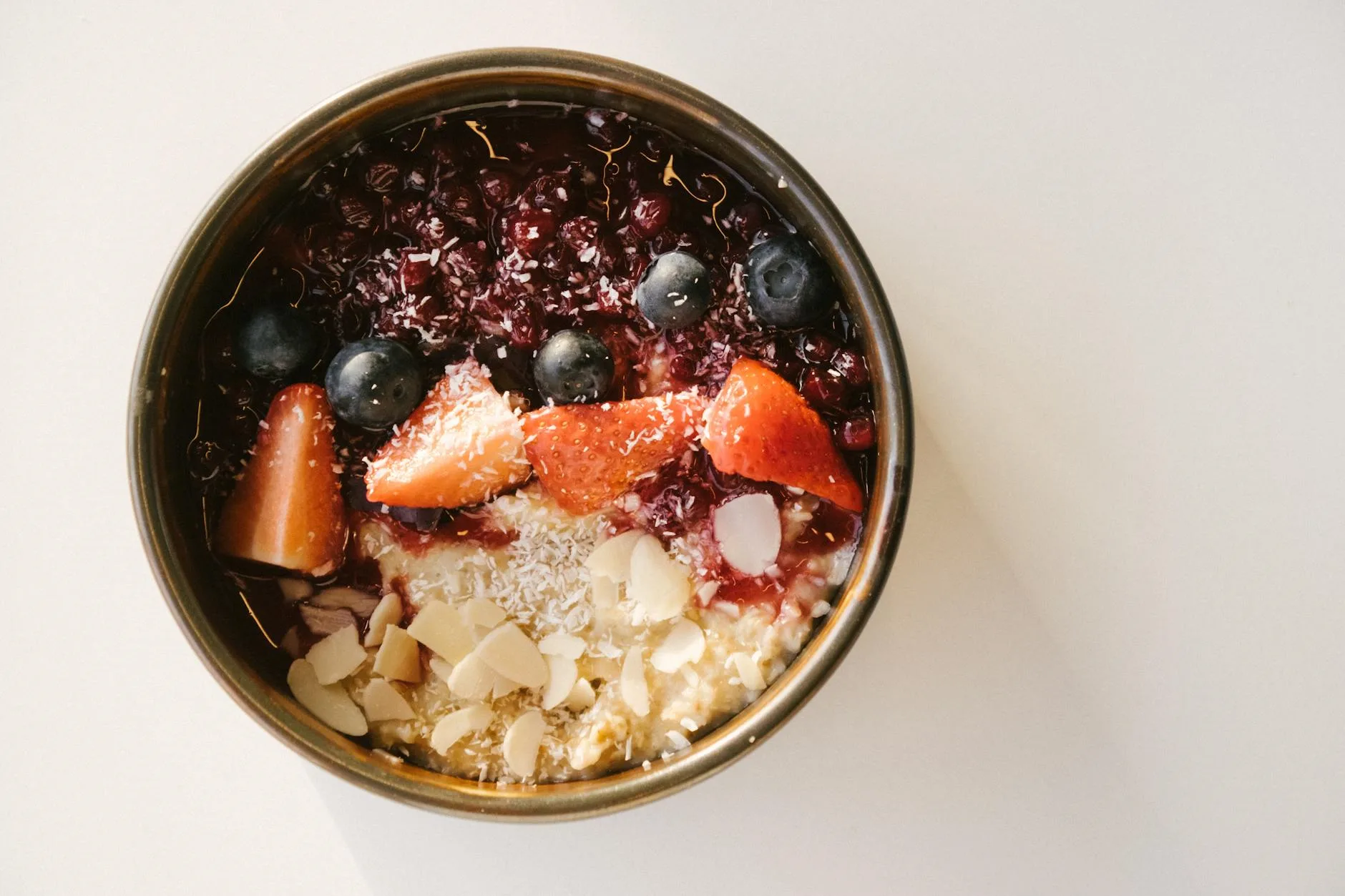
Is Oatmeal Good or Bad for Prediabetes? A Registered Look at the Real Answer
Short answer: Oatmeal is generally good for prediabetes when you choose steel-cut or old-fashioned rolled oats, keep portions to half a cup dry, and pair it with protein, fat, and fiber. Instant oatmeal packets and flavored varieties can spike blood sugar fast and may work against your reversal goals.
That answer sounds simple, but the truth behind it is more nuanced, and getting the details wrong is exactly why so many people with prediabetes give up on oats after a bad glucose reading.
Key Takeaways
- Steel-cut and rolled oats have a low to moderate glycemic index (around 55) and are safe for most people with prediabetes.
- Instant oatmeal has a high glycemic index (around 79) and spikes blood sugar like white bread.
- Beta-glucan, the soluble fiber in oats, is clinically proven to lower fasting glucose and improve insulin sensitivity.
- The way you build the bowl matters more than the oats themselves. Protein and fat blunt the glucose response.
- Test your personal response with a glucose meter or CGM before assuming oats are off-limits.
The Oatmeal Confusion Explained
When I got my prediabetes diagnosis with an A1C of 6.1, oatmeal was the first food my doctor mentioned. “Eat more oats,” she said. So I did. I bought a big tub of instant maple-flavored packets, ate one every morning for two weeks, and my fasting glucose went up, not down.
I am Sarah Mitchell, and I learned the hard way that not all oatmeal is created equal. The instant packets were processed so finely that my body broke them down almost as fast as candy. Once I switched to steel-cut oats and changed how I built my bowl, my post-breakfast readings dropped by 30 points within a week.
This is the part most generic articles skip. The question is not whether oats are good or bad. The question is which oats, how much, and what you eat with them.
What the Science Actually Says About Oats and Blood Sugar
The active ingredient that makes oats useful for prediabetes is beta-glucan, a type of soluble fiber. When beta-glucan hits your digestive tract, it forms a gel that slows the absorption of glucose into your bloodstream.
A 2022 meta-analysis published in Nutrients reviewed 18 controlled trials and found that consuming oat beta-glucan significantly reduced fasting blood glucose, HbA1c, and insulin resistance in adults with type 2 diabetes and prediabetes. The effective dose was at least 3 grams of beta-glucan per day, which is roughly what you get from half a cup of dry oats.
The American Diabetes Association includes oats on its list of recommended whole grains for blood sugar management, specifically calling out steel-cut and rolled varieties over instant.
Why Some People Spike on Oats Anyway
If oats are so well studied, why do some people with prediabetes still see their numbers jump after a bowl?
Three reasons explain almost every spike.
Reason one: the type of oats. The more processed the oat, the higher the glycemic response. Steel-cut oats have a glycemic index near 53. Old-fashioned rolled oats sit around 55. Instant oatmeal jumps to 79, which is the same range as white bread.
Reason two: portion size. Half a cup of dry oats cooks up to about one cup and contains roughly 27 grams of carbohydrates. Most people pour two or three times that amount without realizing it. A heaping bowl can easily deliver 80 grams of carbs in one sitting.
Reason three: what you add. A drizzle of honey, a spoon of brown sugar, a splash of sweetened almond milk, and a sliced banana can add 40 grams of sugar to an otherwise healthy bowl. The oats are not the problem at that point. The sugar topping is.
How to Eat Oats the Smart Way
Here is the exact framework I use now, and the one I recommend in my Complete Guide to Prediabetes.
Choose the right oats. Steel-cut is best. Old-fashioned rolled oats are a close second. Avoid quick oats and instant packets entirely.
Measure half a cup dry. This gives you a controlled 27 grams of carbs, which most people with prediabetes tolerate well.
Add protein. Two scrambled eggs on the side, a scoop of unflavored whey or collagen, or half a cup of plain Greek yogurt. Protein blunts the glucose response by slowing gastric emptying.
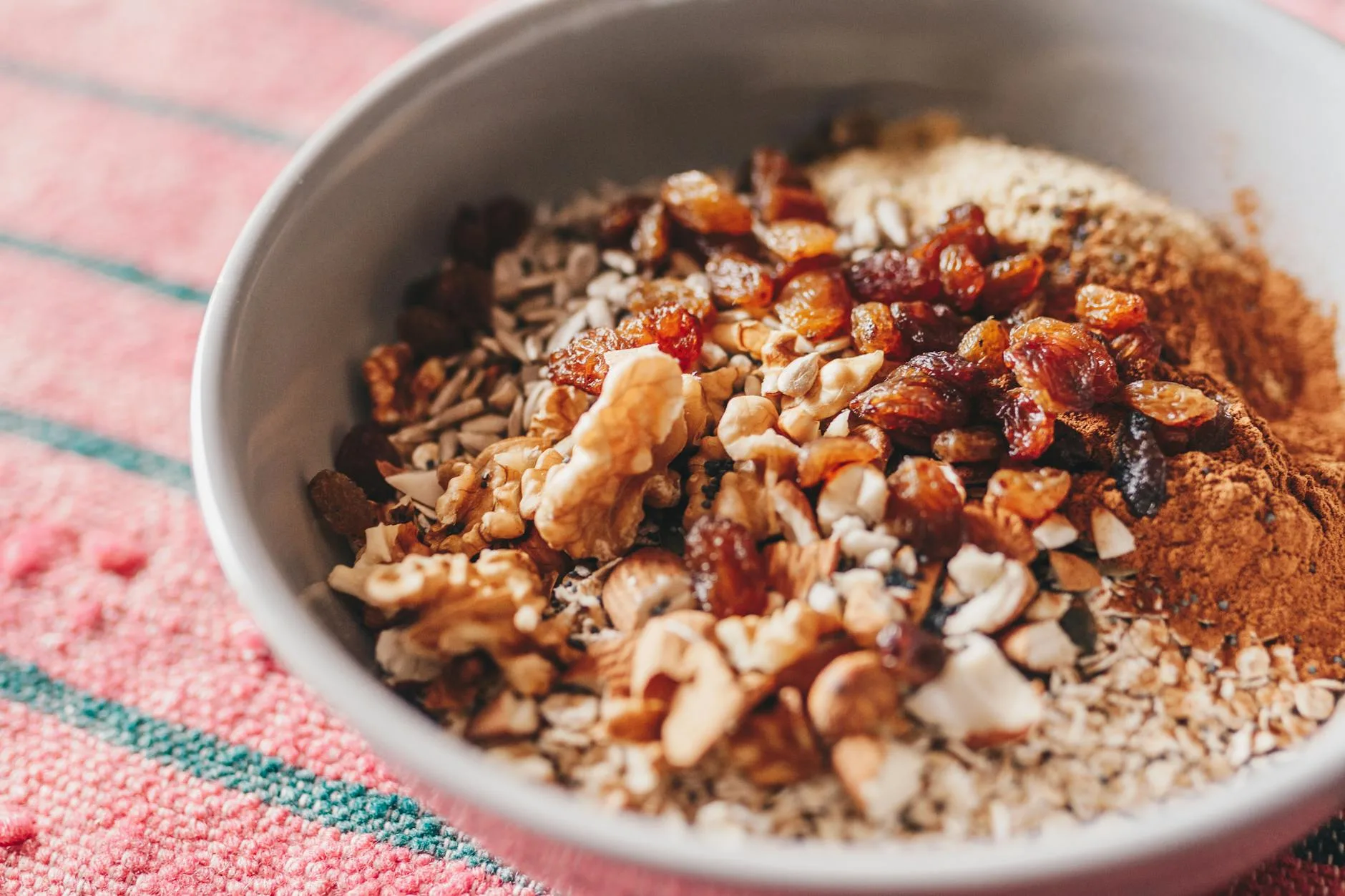
Add fat. A tablespoon of nut butter, a small handful of walnuts, or chia seeds. Fat further slows absorption.
Add fiber, not sugar. Half a cup of berries gives you sweetness, antioxidants, and more fiber. Skip the dried fruit, agave, honey, and maple syrup.
Add cinnamon. Ceylon cinnamon has been shown in research to modestly improve insulin sensitivity. A teaspoon on top is free medicine.
Test Your Own Response
Even with the perfect bowl, individual responses vary. Some people simply do not tolerate oats well, often due to gut microbiome differences or insulin resistance severity.
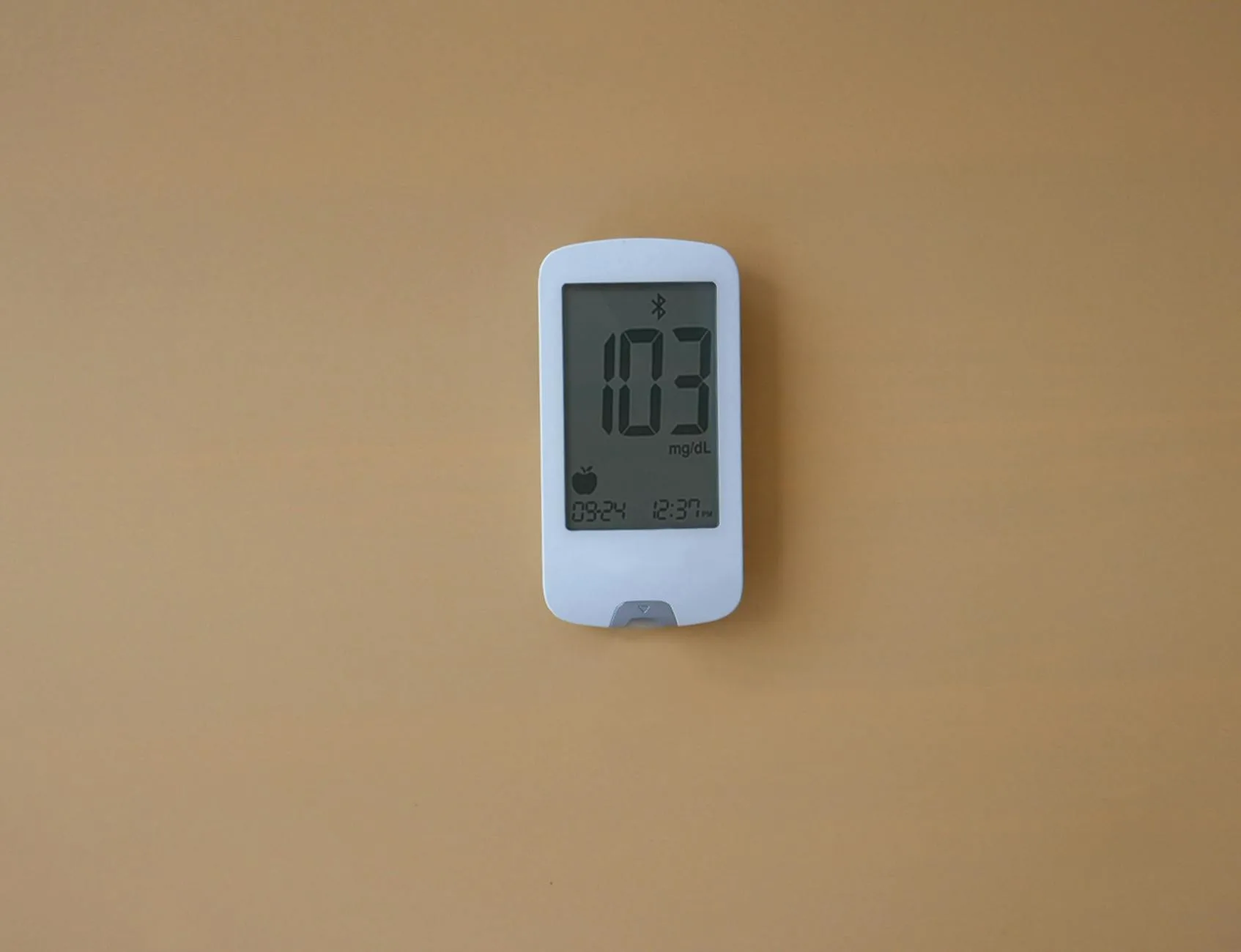
If you have a glucose meter, test your fasting reading, eat your oatmeal, then test again at 60 minutes and 120 minutes. A rise of less than 30 points at 60 minutes and a return close to baseline by 120 minutes means oats work for your body. A spike above 40 points or a reading still elevated at two hours means you need to adjust.
For people serious about understanding their personal triggers, a continuous glucose monitor reveals patterns a standard meter cannot. Many readers in our community pair their oatmeal experiments with supplements that support post-meal glucose control. If that is your situation, our review of the best supplements for prediabetes covers what actually has clinical backing.
Struggling with Post-Meal Glucose Spikes?

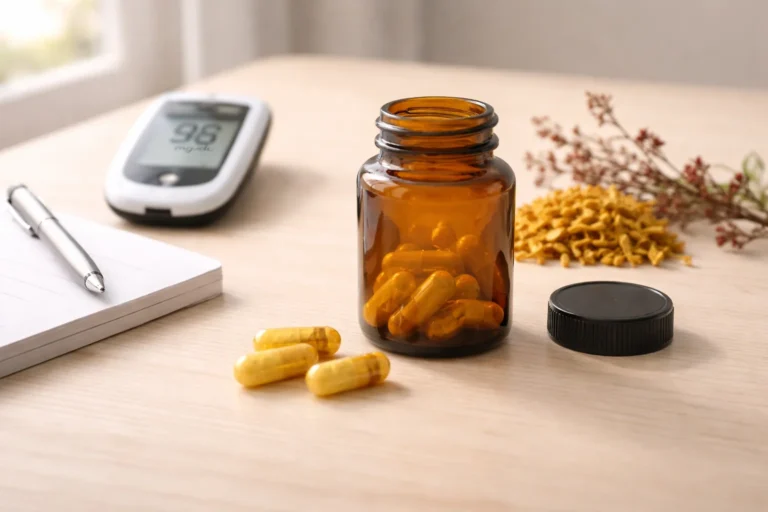
GlucoTrust is the natural blood sugar support formula I tested for 90 days alongside my oatmeal protocol. It contains chromium, biotin, and gymnema, ingredients researched for healthy glucose response.
The Best Oatmeal Recipe for Prediabetes
This is what I eat three mornings a week.
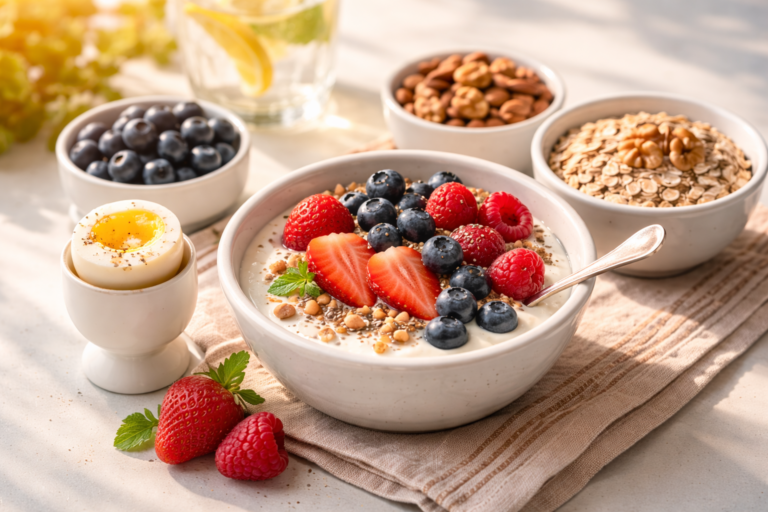
- Half a cup steel-cut oats, cooked in water with a pinch of salt
- Two scrambled eggs cooked in olive oil on the side
- Half a cup fresh blueberries on top
- One tablespoon almond butter stirred in
- One teaspoon Ceylon cinnamon
- A small handful of crushed walnuts
Total carbs land around 35 grams, protein around 22 grams, fat around 18 grams. My post-meal glucose typically rises 18 to 22 points and returns to baseline by the two-hour mark. That is the response you want from a prediabetes breakfast.
If you want to deepen the protocol, pairing this style of breakfast with a clinically dosed supplement like berberine for blood sugar has shown good results for many readers in our community.
Frequently Asked Questions
Can I eat oatmeal every day with prediabetes?
Yes, most people with prediabetes can eat properly prepared oatmeal daily. Stick to half a cup dry of steel-cut or rolled oats, pair with protein and fat, and skip added sweeteners. Variety is still healthy, so rotate with eggs, Greek yogurt, or chia pudding on other days.
Is instant oatmeal really that bad for prediabetes?
Instant oatmeal has a glycemic index of around 79, which is comparable to white bread. The fine processing makes the starches absorb very quickly, causing sharp glucose spikes. Flavored packets also add 10 to 15 grams of sugar per serving. For prediabetes, instant oatmeal is one of the worst breakfast choices despite its reputation as a healthy food.
How much oatmeal can I eat at one meal with prediabetes?
Half a cup of dry oats, which cooks up to about one cup, is the standard portion. This delivers around 27 grams of carbohydrates and 4 grams of fiber. Stay within this range and always combine with at least 15 to 20 grams of protein to control the glucose response.
Does oatmeal lower A1C?
Research suggests that consistent intake of oat beta-glucan, at least 3 grams per day, can modestly lower HbA1c over 8 to 12 weeks. The effect is most pronounced when oatmeal replaces refined grain breakfasts like cereal, bagels, or pastries.
What is the best oatmeal brand for prediabetes?
Plain steel-cut oats from any reputable brand work well. Bob’s Red Mill Steel-Cut Oats and McCann’s Irish Oatmeal are widely available and unprocessed. Avoid any product with added sugar, syrup, dried fruit, or flavorings in the ingredient list.