Prediabetes Grocery List: What to Buy and What to Skip
Quick Answer: A prediabetes grocery list centers on lean protein, non-starchy vegetables, healthy fats, high-fiber whole grains, legumes, and low-glycemic fruit. Skip sugary drinks, white bread, sweetened cereal, and ultra-processed snacks. Fill most of your cart with whole foods, read labels for added sugar and fiber, and shop the perimeter first.
The first time I walked into my regular grocery store after my doctor told me I had prediabetes, I felt lost. My A1C was 6.1, and all I had to go on was the advice to “eat healthier,” but standing in front of 40 kinds of bread, I had no idea what that actually meant.
So I did what I do best. I made a list. A real one, aisle by aisle, that I could print and stick in my bag. Over the next several months that list helped me bring my A1C down to 5.4, and I still shop from a version of it today.
This is that grocery list, cleaned up and expanded, so you can walk into any store and know exactly what to reach for and what to leave on the shelf. No guessing, no perfect eating required. Just a steady cart that keeps your blood sugar calmer.
Key Takeaways
- Fill half your cart with non-starchy vegetables and lean protein, which have the smallest effect on blood sugar.
- Shop the store perimeter first, where the whole foods live, then dip into a few smart aisles.
- Read three numbers on every label: added sugar, fiber, and net carbs.
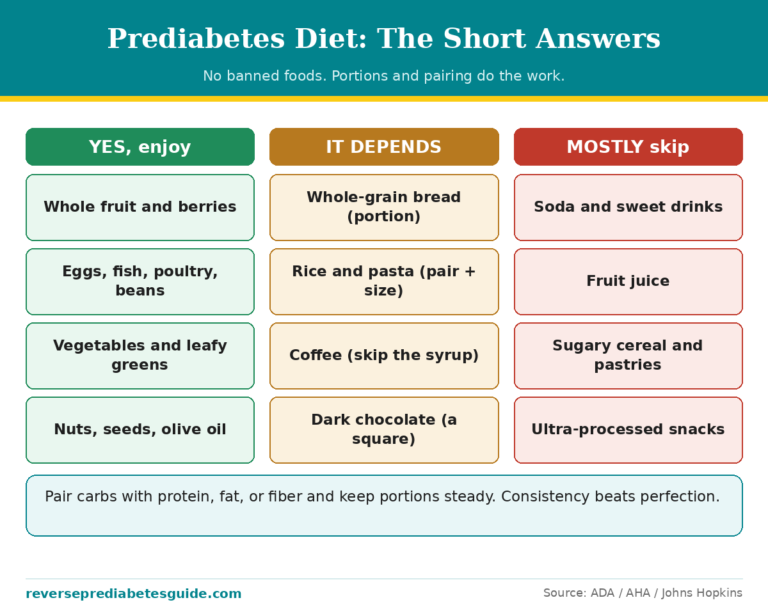
- Seven things to skip: soda, fruit juice, white bread, sugary cereal, sweetened yogurt, packaged snacks, and processed meats.
- Eating well with prediabetes does not have to be expensive. Frozen, canned, and store-brand staples do the job.
How to Think About Your Cart
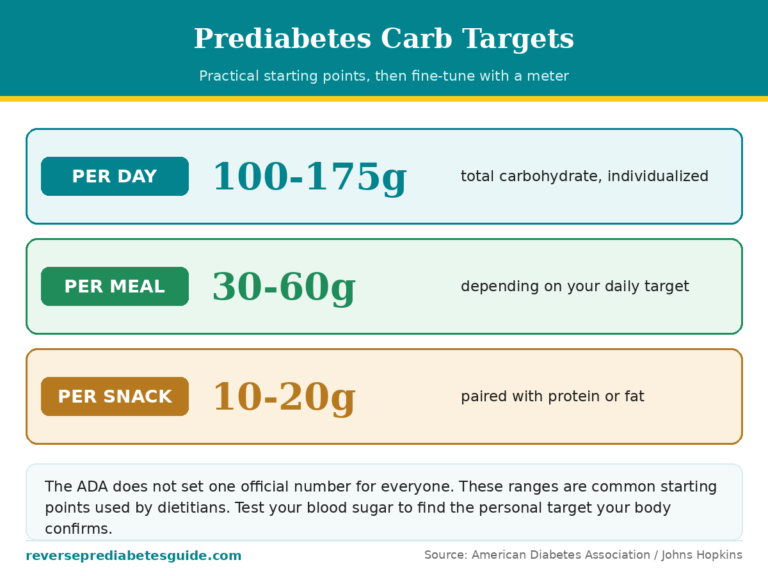
Before we go aisle by aisle, here is the simple idea that made everything click for me. Foods raise blood sugar based mostly on their carbohydrates, and how fast those carbs hit depends on fiber, protein, and fat riding along with them.
So a plate of grilled chicken and broccoli barely moves the needle, while a bagel sends it soaring. When you build your cart around protein, vegetables, and fiber, you are stacking the deck in your favor without counting a single thing.
The American Diabetes Association recommends filling half your plate with non-starchy vegetables, a quarter with lean protein, and a quarter with quality carbs. Your grocery cart should look the same way. If you want the food-by-food details, my guide on what to eat with prediabetes breaks it down further.
The Master Buy-This, Skip-This Table
Here is the quick reference version. Print this, fold it, and keep it in your wallet. I go into each section below.
| Aisle | Buy This | Skip This |
|---|---|---|
| Protein | Chicken, turkey, eggs, salmon, tuna, sardines, tofu, tempeh | Breaded nuggets, bacon, deli salami, hot dogs |
| Vegetables | Broccoli, spinach, peppers, zucchini, cauliflower, green beans | Fried veggie sides, canned veggies in heavy sauce |
| Fats | Olive oil, avocado, nuts, seeds, natural nut butter | Margarine, hydrogenated oils, sweetened nut spreads |
| Grains & legumes | Oats, quinoa, brown rice, lentils, black beans, chickpeas | White bread, white rice, instant flavored oats, crackers |
| Fruit | Berries, apples, pears, cherries, oranges, kiwi | Fruit juice, canned fruit in syrup, dried fruit with sugar |
| Dairy | Plain Greek yogurt, cottage cheese, unsweetened milk, cheese | Flavored yogurt, chocolate milk, sweetened creamers |
| Drinks & snacks | Water, sparkling water, unsweetened tea, nuts, olives | Soda, sports drinks, chips, cookies, granola bars |
Protein: The Anchor of Every Meal
Protein is the one thing I never let run out. It keeps me full for hours and has almost no effect on blood sugar, which makes it the anchor of every plate. When you fill your cart, aim for a protein at the center of each meal you are planning.
Reach for chicken breast and thighs, ground turkey, whole eggs, and fatty fish like salmon, which also brings anti-inflammatory omega-3s. Canned tuna and sardines are cheap, shelf-stable, and ready in seconds. If you eat plant-based, tofu, tempeh, and edamame all count.
What I skip: breaded and fried proteins, since the coating is refined carbs, and processed meats like salami, hot dogs, and bacon. The CDC and other health agencies link processed meats to higher chronic disease risk, so I keep those to an occasional thing rather than a staple.
Non-Starchy Vegetables: Fill Half the Cart
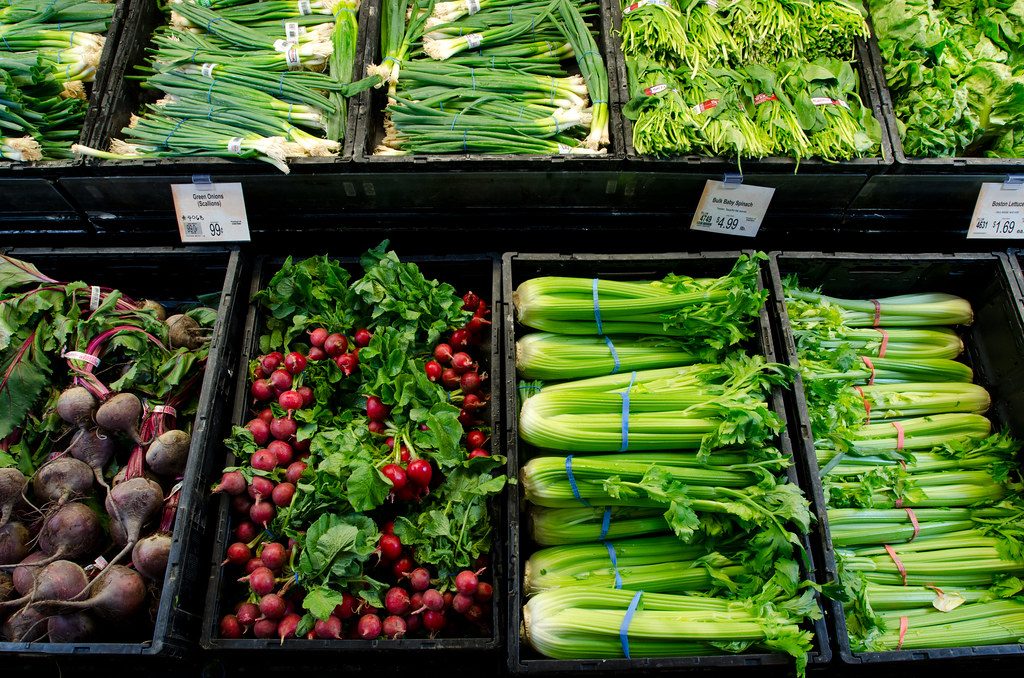
If protein is the anchor, vegetables are the volume. Non-starchy vegetables are so low in carbs and so high in fiber that you can eat them freely, and I mean genuinely freely. They fill you up, feed the good bacteria in your gut, and barely register on blood sugar.
Load up on broccoli, spinach, kale, bell peppers, zucchini, cauliflower, green beans, mushrooms, cucumbers, tomatoes, and cabbage. Fresh is great, but frozen is just as nutritious and often cheaper, so I always keep a couple of bags in the freezer for the nights I did not plan ahead.
Starchy vegetables like potatoes, corn, and peas are not off-limits, but they act more like grains, so I treat them as the carb portion of a meal, not a free side. A handful of colorful vegetables at each meal is one of the simplest wins there is. Several of them also show up in my list of foods that lower blood sugar quickly.
Healthy Fats: Slow Everything Down
For years I was scared of fat, and it turns out that was backwards. Healthy fats slow digestion, which means the carbs you eat alongside them hit your bloodstream more gently. Fat also makes food taste good, which keeps this whole thing sustainable.
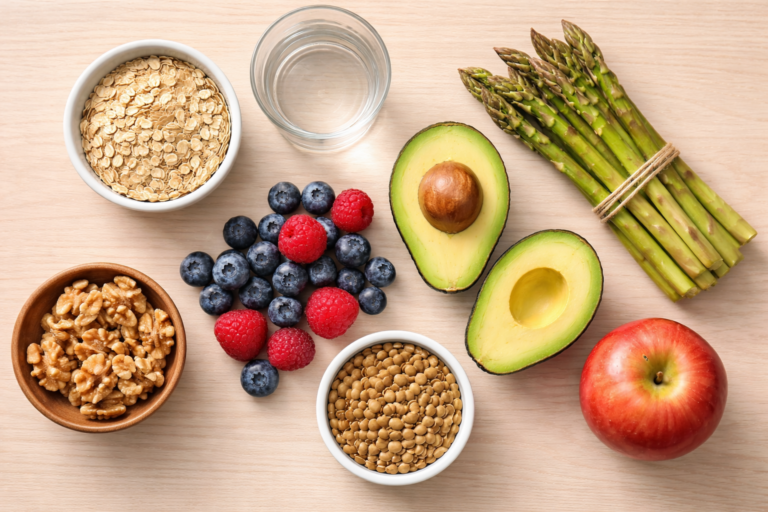
My cart always has extra-virgin olive oil, avocados, and a rotation of nuts and seeds. Almonds, walnuts, pumpkin seeds, and chia are all great to have on hand. Natural nut butter, the kind where the only ingredient is nuts, is a pantry hero.
What I leave behind: margarine and anything with “partially hydrogenated” oil, plus sweetened nut spreads that are basically candy. Real fats from whole foods are your friend here.
Whole Grains and Legumes: Choose Fiber
Carbs are not the enemy, but the type matters more than almost anything else in your cart. The goal is carbs that come wrapped in fiber, because fiber is what slows the sugar release and keeps you steady.
I buy old-fashioned or steel-cut oats, quinoa, brown rice, barley, and 100 percent whole-grain bread where the first ingredient says “whole.” Legumes deserve a special mention. Lentils, black beans, chickpeas, and kidney beans give you protein and fiber in one package, they are dirt cheap, and canned versions just need a rinse.
What I skip: white bread, white rice, instant flavored oatmeal, and most crackers, since the fiber has been stripped out and the sugar spike comes fast. If you want to see how different grains behave at breakfast, my post on the glycemic index of breakfast foods shows the numbers.
Low-Glycemic Fruit: Yes, You Can Eat Fruit
One of the biggest myths I hear is that people with prediabetes cannot eat fruit. You can. Whole fruit comes with fiber and water that blunt its natural sugar, and the research backs it up. It is fruit juice, not whole fruit, that causes trouble.
My steady picks are berries of every kind, since they are the lowest in sugar and highest in fiber. Apples, pears, cherries, oranges, plums, and kiwi are all solid choices too. I pair fruit with a little protein or fat, like an apple with peanut butter, to keep it even gentler.
What I skip or limit: fruit juice, canned fruit in syrup, and sugary dried fruit, which pack a lot of sugar into a small serving with none of the water to slow it down. A handful of raisins is fine, half a cup of juice is not.
Dairy: Go Plain
Dairy can be a great source of protein, but the sugar hides in the flavored versions. The rule I follow is simple: buy it plain and add your own flavor.
Plain Greek yogurt is my favorite, with double the protein of regular yogurt. Cottage cheese, unsweetened milk, and real cheese in reasonable portions all work well. I sweeten yogurt myself with berries and a sprinkle of cinnamon instead of buying the fruit-on-the-bottom cups, which can hide four teaspoons of added sugar.
What I skip: flavored and “fruit” yogurts, chocolate milk, and sweetened coffee creamers. If you do not do dairy, unsweetened soy milk has a similar protein profile.
The 7 Things I Leave on the Shelf
You do not need to be perfect, but a few items cause the biggest, fastest blood sugar spikes for the least benefit. These are the seven I keep out of my cart almost entirely.
- Soda. A single can can carry around ten teaspoons of sugar with zero fiber to slow it. This was the hardest one for me and the one that helped the most.
- Fruit juice. Even “100 percent” juice is concentrated sugar without the fiber of whole fruit. Eat the orange, skip the glass.
- White bread and bagels. Refined flour behaves a lot like sugar. Choose dense whole-grain loaves instead.
- Sugary breakfast cereal. Most cereals are dessert dressed up for morning. Check the label and you will be shocked.
- Ultra-processed snacks. Chips, cookies, and pastries combine refined carbs and unhealthy fats in a way that is easy to overeat.
- Sweetened yogurt. It looks healthy on the front of the box, but the added sugar tells another story.
- Processed meats. Hot dogs, salami, and packaged deli meats bring sodium and preservatives without much upside.
Notice I did not say “never.” I still enjoy a treat now and then. But keeping these out of the house means the easy default is the good one, and defaults are what win over months.
How to Read a Nutrition Label
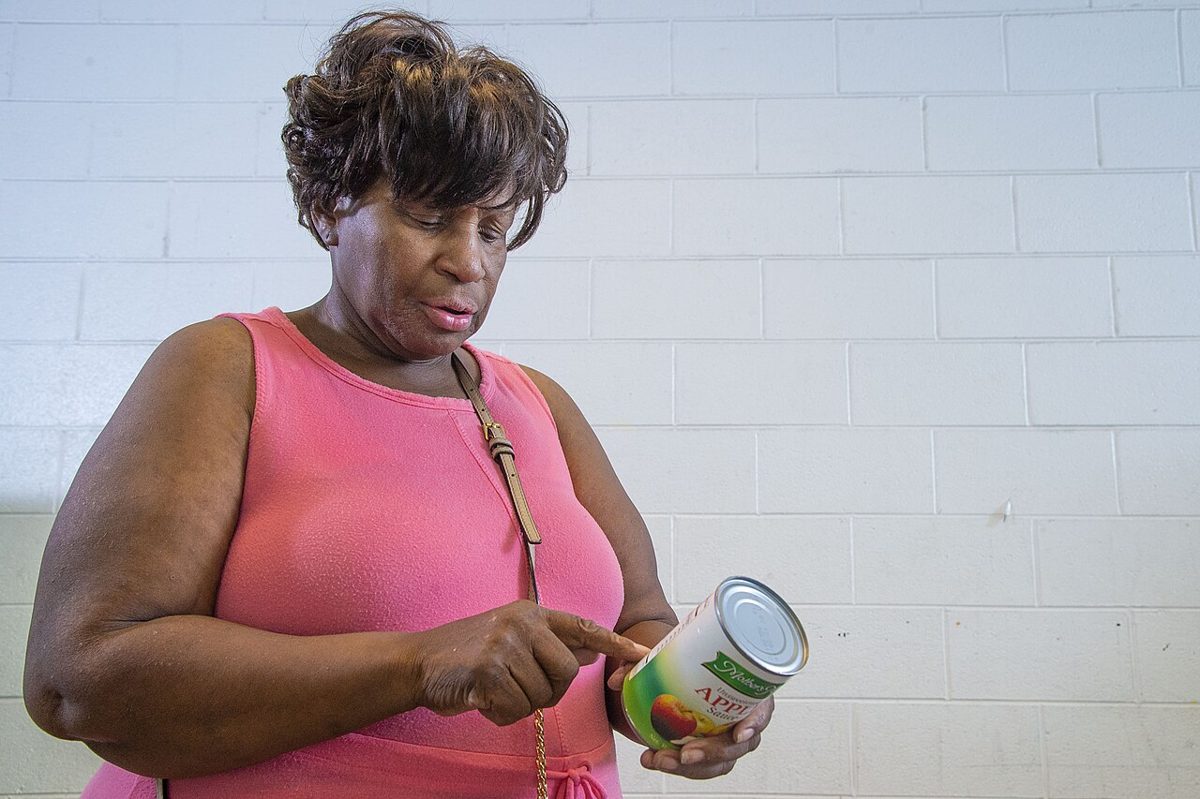
Once you know how to read a label, the marketing on the front of the box stops mattering. I look at three numbers every single time, and it takes about ten seconds.
1. Added Sugar
The updated Nutrition Facts label from the FDA now lists “Added Sugars” as its own line under total sugars. This is the number that matters most. I aim for products with little or no added sugar, and I watch for its many aliases in the ingredient list: cane syrup, dextrose, maltose, fruit juice concentrate, and anything ending in “-ose.”
2. Fiber
Fiber is the good news number, and higher is better. For grain products I look for at least 3 grams of fiber per serving, and ideally the grams of fiber close to the grams of sugar. Fiber slows digestion and feeds your gut, so more of it means a gentler blood sugar response.
3. Net Carbs
To estimate net carbs, take total carbohydrates and subtract the fiber. That gives you a rough sense of the carbs that will actually raise your blood sugar. A bread with 20 grams of carbs and 8 grams of fiber affects you far less than one with 20 grams of carbs and 1 gram of fiber.
Smart Swaps That Made It Easy
I never white-knuckled my way through cravings. Instead I swapped one thing for another that scratched the same itch. These are the trades that stuck.
- White rice becomes cauliflower rice, or brown rice mixed half and half.
- Pasta becomes chickpea or lentil pasta, which adds protein and fiber.
- Soda becomes sparkling water with a squeeze of lime.
- Chips become a handful of almonds or olives.
- Sweetened yogurt becomes plain Greek yogurt with berries.
- Mashed potatoes become mashed cauliflower.
- Sugary cereal becomes oats with cinnamon and nuts.
If mornings are your weak spot, my roundup of the best breakfast ideas for prediabetes turns a lot of these swaps into actual meals.
Shopping on a Budget
Eating well with prediabetes has a reputation for being expensive, and I want to put that to rest. Some of the most blood-sugar-friendly foods are the cheapest in the store.
Dried and canned beans, lentils, eggs, frozen vegetables, oats, canned fish, and store-brand plain yogurt cost very little and deliver a lot. Frozen produce is picked at peak ripeness and never spoils on you, which also cuts down on waste. Buying whole chickens or larger cuts and portioning them at home saves money too.
I also plan meals around what is on sale and build my week from there. When you shop with a list and a plan, you spend less and eat better at the same time. My 7-day prediabetes meal plan is built around exactly these affordable staples if you want a starting template.
Putting It All Together in the Store
Here is how a real trip looks for me. I start on the perimeter, where the produce, meat, and dairy live, and that is where most of my cart gets filled. Then I make a short list of interior aisles to visit: oats and grains, canned beans and fish, olive oil, nuts, and frozen vegetables.
I do not wander the snack and cereal aisles at all, because for me, out of sight really is out of mind. Shopping after a meal instead of on an empty stomach also keeps impulse buys down.
That is the whole system. Perimeter first, a few smart aisles, three numbers on the label, and the seven skips left on the shelf. It took me a few trips to make it a habit, and now it is just how I shop.
Also on my desk: if you are curious about supplement support alongside these changes, I read one liquid formula’s full label, kit prices and refund terms in my Olivaro review.
Frequently Asked Questions
What should be on a prediabetes grocery list?
A prediabetes grocery list should include lean protein like chicken, eggs, and fish, plenty of non-starchy vegetables, healthy fats like olive oil and nuts, high-fiber whole grains and legumes, low-glycemic fruit such as berries, and plain dairy. Skip sugary drinks, refined grains, and ultra-processed snacks.
What foods should I avoid with prediabetes?
The biggest ones to limit are soda, fruit juice, white bread and bagels, sugary breakfast cereal, ultra-processed snacks like chips and cookies, sweetened yogurt, and processed meats. These cause fast blood sugar spikes with little nutrition in return. You do not have to avoid them forever, just keep them out of your everyday cart.
Can I eat fruit if I have prediabetes?
Yes. Whole fruit comes with fiber and water that slow its natural sugar, so it has a gentle effect on blood sugar. Berries, apples, pears, and cherries are excellent choices. The thing to avoid is fruit juice, which is concentrated sugar without the fiber. Pairing fruit with protein or fat makes it even gentler.
Is bread completely off-limits with prediabetes?
No, but the type matters a lot. Choose dense 100 percent whole-grain bread where the first ingredient says “whole” and there are at least 3 grams of fiber per slice. White bread and bagels made from refined flour behave much like sugar, so those are the ones to skip or save for rare occasions.
How do I read a food label for prediabetes?
Focus on three numbers. Check the added sugars line and aim for as little as possible. Check fiber and look for higher amounts, ideally 3 grams or more in grain products. Then estimate net carbs by subtracting fiber from total carbohydrates. These three together tell you far more than any claim on the front of the package.
Can eating this way actually reverse prediabetes?
Many people improve their blood sugar significantly through diet, weight loss, and activity, and some return their A1C to a normal range. I brought mine from 6.1 to 5.4 with diet changes and daily walking, without medication. Results vary by person, so work with your doctor. You can read more in my guide on whether prediabetes can be reversed naturally and how long it usually takes.
Is eating for prediabetes expensive?
It does not have to be. Some of the most blood-sugar-friendly foods, like dried beans, lentils, eggs, oats, frozen vegetables, and canned fish, are among the cheapest in the store. Shopping with a list, buying store brands, and using frozen produce keeps costs down while you eat well.
Before You Go
- Print the buy-this, skip-this table above and keep it in your bag for your next trip.
- Pick just three swaps from the list to start with, so the change feels doable instead of overwhelming.
- Plan two or three meals before you shop, then build your cart around those proteins and vegetables.
- Reputable places to learn more include the CDC’s prediabetes resources, the American Diabetes Association, and the NIDDK at the National Institutes of Health.