Rice and Prediabetes: Can You Eat It, Which Type Is Best, and How to Cut the Spike
You can eat rice with prediabetes.
Quick Answer
You can eat rice with prediabetes – but type, portion, and preparation matter enormously. White rice has a glycemic index around 73 (spikes glucose hard); basmati and brown rice are gentler (~50-58). Keep portions to 1/2 cup cooked, always pair with protein + vegetables + fat, and use the cool-then-reheat trick to create resistant starch that cuts the glucose response 10-15%. Rice isn’t forbidden – it just needs to be managed.
How Rice Affects Blood Sugar
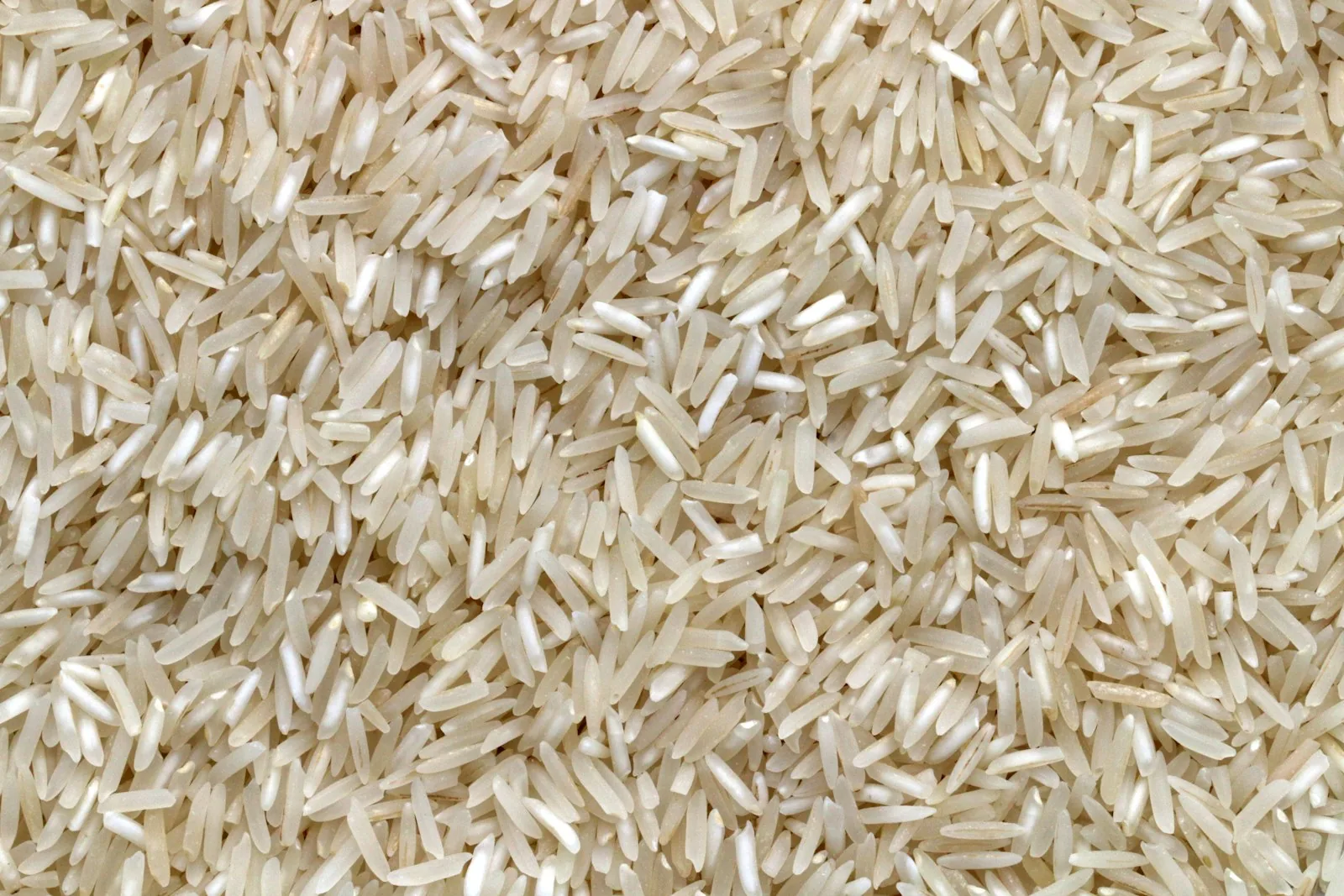
Rice is almost pure starch, which breaks down quickly into glucose. That’s why it can spike blood sugar fast – especially white rice on an empty stomach.
But “rice” isn’t one thing. The glycemic index (GI) varies widely by type:
| Rice Type | Glycemic Index | Verdict |
|---|---|---|
| Brown basmati | ~50 | Best |
| White basmati | ~58 | Good |
| Brown rice | ~68 | OK in portion |
| White rice (long grain) | ~73 | Limit |
| Sticky / jasmine white | ~80+ | Worst |
The Best Rice for Prediabetes: Basmati
Basmati rice – especially brown basmati – has the lowest glycemic index of common rices.
The reason is its high amylose content, a type of starch that digests more slowly than the amylopectin found in sticky rices. Slower digestion means a gentler, more gradual glucose rise.
If you eat rice regularly, switching to basmati is the single easiest upgrade you can make.
The 3 Rules That Cut the Spike
Rule 1: Control the portion
Limit rice to about 1/2 cup cooked (75-100g) per meal. A heaping cup or two of white rice will spike almost any prediabetic. Portion is the biggest lever – bigger than rice type.
Rule 2: Never eat rice alone
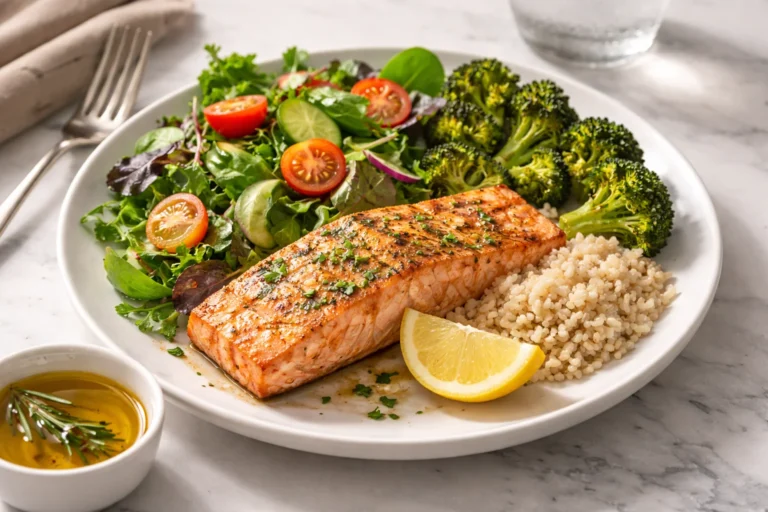
Always pair rice with protein, non-starchy vegetables, and a little fat. Plain rice = fast spike; rice with chicken, broccoli, and olive oil = gentle rise.
Rule 3: Cook, cool, reheat (the resistant starch trick)
When you cook rice, cool it in the fridge overnight, then reheat it, some of the starch converts to “resistant starch” – which resists digestion and lowers the glucose response by 10-15%.
This is why day-old fried rice can be gentler than fresh rice. The same trick works for potatoes and pasta.
What to Eat WITH Rice
- Protein: grilled chicken, fish, shrimp, tofu, eggs, beans
- Non-starchy veg: broccoli, bok choy, peppers, spinach, green beans
- Healthy fat: a drizzle of olive oil, sesame oil, or avocado
- Acid: a splash of vinegar or lemon – see apple cider vinegar and blood sugar
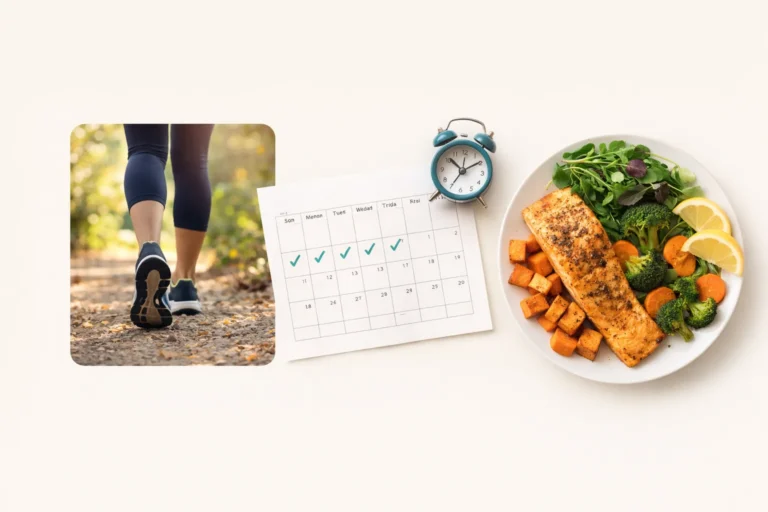
And walk for 10 minutes after – it cuts the post-meal spike 30-40%. See walking after meals.
Better Alternatives If You Want to Go Lower
- Cauliflower rice – near-zero carbs, takes on any flavor
- Quinoa – higher protein, lower GI, technically a seed
- Riced broccoli – adds fiber and nutrients
- A 50/50 mix – half basmati, half cauliflower rice for a transition
For the full picture of which carbs to limit, see foods to avoid with prediabetes and what to eat and avoid.
Know Your Personal Response
Everyone’s glucose response to rice differs based on genetics, gut microbiome, and insulin sensitivity. The only way to know YOUR number is to measure.
A continuous glucose monitor for 2 weeks shows exactly how your body handles a given portion of a given rice. See CGM for prediabetes. Data beats guessing.
Key Takeaways
- You CAN eat rice with prediabetes – type, portion, and pairing decide the impact.
- Best rice: basmati (especially brown). Worst: sticky/jasmine white rice.
- Keep portions to 1/2 cup cooked, always with protein + vegetables + fat.
- Cook, cool overnight, reheat: creates resistant starch, cuts glucose response 10-15%.
- Cauliflower rice and quinoa are lower-glucose alternatives.
- Use a CGM to find your personal rice tolerance – responses vary widely.
Glycemic Index vs Glycemic Load: The Distinction That Matters
Glycemic index (GI) measures how fast a food raises blood sugar, but it doesn’t account for portion size. Glycemic LOAD (GL) does – and it’s the more useful number.
Example: watermelon has a high GI (~76) but a low glycemic load per serving because it’s mostly water. A small portion barely moves your glucose. Rice is the opposite – high GI AND high glycemic load because it’s dense carbohydrate.
This is why portion control is the #1 rule for rice. A 1/2 cup serving of basmati has a moderate glycemic load; a 2-cup heaping plate of white rice has a glucose-bombing load regardless of type.
| Serving | Approx Glycemic Load |
|---|---|
| 1/2 cup brown basmati | ~12 (low-moderate) |
| 1/2 cup white rice | ~18 (moderate) |
| 1.5 cups white rice | ~50+ (very high) |
| 1/2 cup cauliflower rice | ~2 (negligible) |
The Resistant Starch Science (Why Cooling Works)
When rice cooks, its starch granules swell and become easy to digest (gelatinization). When you cool cooked rice, some of that starch recrystallizes into a form your small intestine can’t break down – called retrograded resistant starch.
This resistant starch passes to your colon where gut bacteria ferment it, producing beneficial short-chain fatty acids. The net effect: fewer calories absorbed AND a lower glucose spike.
A 2015 study found that cooling and reheating rice more than doubled its resistant starch content and reduced the glucose response. The effect persists even after reheating, so day-old rice dishes carry the benefit.
Practical protocol: cook a batch, refrigerate overnight (at least 12 hours), then reheat. Works for rice, potatoes, and pasta.
Sample Prediabetes-Friendly Rice Meals
- Burrito bowl: 1/2 cup brown basmati + grilled chicken + black beans + lettuce + salsa + avocado
- Stir-fry: 1/2 cup day-old reheated rice + shrimp + lots of mixed vegetables + sesame oil
- Sushi alternative: ask for brown rice, eat sashimi-heavy, add edamame, go easy on sweet sauces
- Rice + dal: 1/2 cup basmati + lentil dal (the protein + fiber from lentils flattens the curve)
What About Rice in Restaurants?
Restaurant portions are the trap – a typical restaurant serves 1.5-2 cups of rice. Strategies: ask for half rice/double vegetables, eat the protein and vegetables first, box half before you start, or skip the rice and ask for extra greens. The food-order trick (protein and veg before rice) is your best defense when portions are out of your control.
Why Asian Populations and Rice: An Important Nuance
A common question: “If rice is so problematic, why do rice-eating cultures historically have low diabetes rates?” It’s a fair point with an instructive answer.
Traditional rice-based diets came packaged with high physical activity, smaller portions, abundant vegetables, fermented foods, and minimal processed sugar. The rice was one component of an active, whole-food lifestyle – not a giant portion sitting next to fried, sugary, sedentary modern living.
As these same populations adopted Western lifestyles – larger portions, more sitting, more processed food alongside the rice – their diabetes rates climbed sharply. In fact, some research suggests people of South and East Asian descent develop insulin resistance at lower body weights than other populations, making portion control of rice even more important for them.
The lesson isn’t that rice is uniquely evil. It’s that rice in a large portion, eaten alone, in a sedentary lifestyle, is a problem – while a modest portion of quality rice within an active, vegetable-rich diet is manageable for most people with prediabetes.
Building Your Personal Rice Strategy
Rather than viewing rice as all-or-nothing, build a sustainable personal strategy. Start by switching entirely to brown or white basmati for its lower glycemic index. Then cap your portions at half a cup cooked and physically measure it for a week or two until you can eyeball it accurately – portions creep up invisibly otherwise.
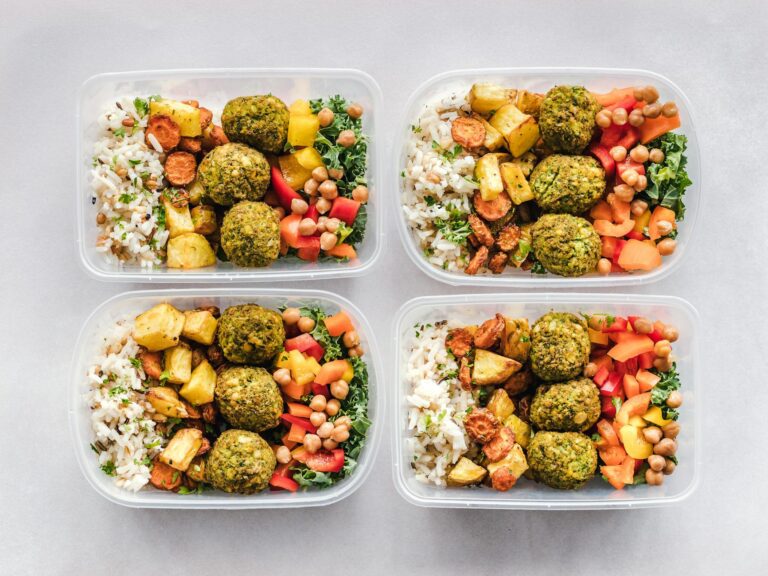
Make the cook-cool-reheat method your default by batch-cooking rice on the weekend and storing it in the fridge, so the resistant starch benefit is automatic during the week. Always build the plate so that rice is the smallest component, sitting beside a generous serving of protein and a large pile of non-starchy vegetables. Finish with a ten-minute walk after the meal.
Do this consistently and rice becomes a non-issue in your prediabetes management. The goal was never deprivation – it was control. Most people find they can keep rice in their life indefinitely with these adjustments, which makes the whole approach far more sustainable than cutting it out completely and eventually rebelling. For the broader carbohydrate picture, see what to eat and avoid with prediabetes.
The Bottom Line on Rice and Prediabetes
Rice does not have to disappear from your plate when you have prediabetes. What has to change is the type, the portion, the preparation, and the company it keeps. Choose brown or white basmati for its naturally lower glycemic index, keep your serving to about half a cup cooked, cook-cool-reheat it to build resistant starch, and always surround it with protein, vegetables, and a little healthy fat. Finish with a short walk and you have turned a glucose-spiking villain into a manageable side dish. The prediabetics who succeed long term are rarely the ones who banned rice forever – they are the ones who learned to eat it intelligently, measured their own response with a glucose meter, and built a routine they can actually sustain for the rest of their lives.
Frequently Asked Questions
Can I eat rice with prediabetes?
Yes, in controlled portions and with the right type. White rice spikes blood sugar significantly, but a small portion (1/2 cup cooked) paired with protein, vegetables, and fat – and ideally cooled and reheated – has a much gentler effect. Basmati and brown rice are better choices.
What is the best rice for prediabetes?
Basmati rice (especially brown basmati) has the lowest glycemic index of common rices because of its amylose content. Brown rice and wild rice are also better than white rice. Portion and pairing matter more than type, though.
Does cooling rice lower its blood sugar impact?
Yes. Cooking rice, cooling it in the fridge overnight, then reheating creates resistant starch that resists digestion and lowers the glucose response by 10-15%. This works for potatoes and pasta too.
How much rice can I eat with prediabetes?
Limit to about 1/2 cup cooked per meal, always paired with protein, vegetables, and fat to slow absorption. A full cup or more of white rice on its own will spike most prediabetics significantly.
Is brown rice better than white rice for blood sugar?
Yes, modestly. Brown rice retains fiber and has a lower glycemic index, producing a slower glucose rise. However, portion size and what you eat WITH the rice matter more than brown vs white.