
9 Signs Your Prediabetes Is Getting Worse (And What to Do This Week)
Affiliate Disclosure: This article contains affiliate links. If you purchase through them, we may earn a commission at no extra cost to you. We only recommend products we believe in.
For eight months, I told everyone I was “managing” my prediabetes. My A1C had landed at 6.0% in 2023, and I walked out of that appointment convinced I had it under control. I was eating better. I had cut soda. I was doing what I thought was enough.
Then I started feeling tired after lunch every single day. My eyes blurred for a few minutes after dinner. I was waking up thirsty in the middle of the night. None of it felt urgent. None of it screamed “something is wrong.” I dismissed it all as stress, or aging, or bad sleep.
When my next A1C came back at 6.3%, the doctor told me something I’ll never forget: “Your body was waving red flags for months. You just didn’t know what they looked like.”
This is the article I wish I had read before that second test. Each of these 9 signs is a quiet warning that your prediabetes may be progressing — and each one comes with one specific thing you can do this week to interrupt the slide.

Key Takeaways
- Most signs that prediabetes is worsening are subtle — fatigue, thirst, and slow healing are easy to dismiss.
- A fasting blood sugar consistently above 115 mg/dL is a clear warning the condition is progressing.
- The window to reverse prediabetes without medication closes as A1C approaches 6.4%.
- Each sign on this list comes with a specific action you can take this week.
- Seeing 3 or more signs at once is a reason to call your doctor this week.
TL;DR: Prediabetes rarely worsens with dramatic symptoms. It progresses quietly through fatigue, thirst, slow healing, belly weight, and creeping fasting numbers. If you spot 3 or more of these 9 signs, treat it as a signal — not a sentence — and act this week.
Why Prediabetes Progresses (And Why It Doesn’t Have To)
Roughly 70% of people with prediabetes go on to develop type 2 diabetes, but that statistic hides something important: most progress because no one acts on the early signs, not because progression is inevitable. The landmark Diabetes Prevention Program showed that structured lifestyle changes reduced the risk of progression by 58% — and by 71% in people over 60.
Your body gives you a window. The signs below are how it tries to tell you the window is getting smaller. The good news: most of them can be reversed within weeks once you know what they mean. If you want the full reversal playbook, start with our guide on how to reverse prediabetes naturally.
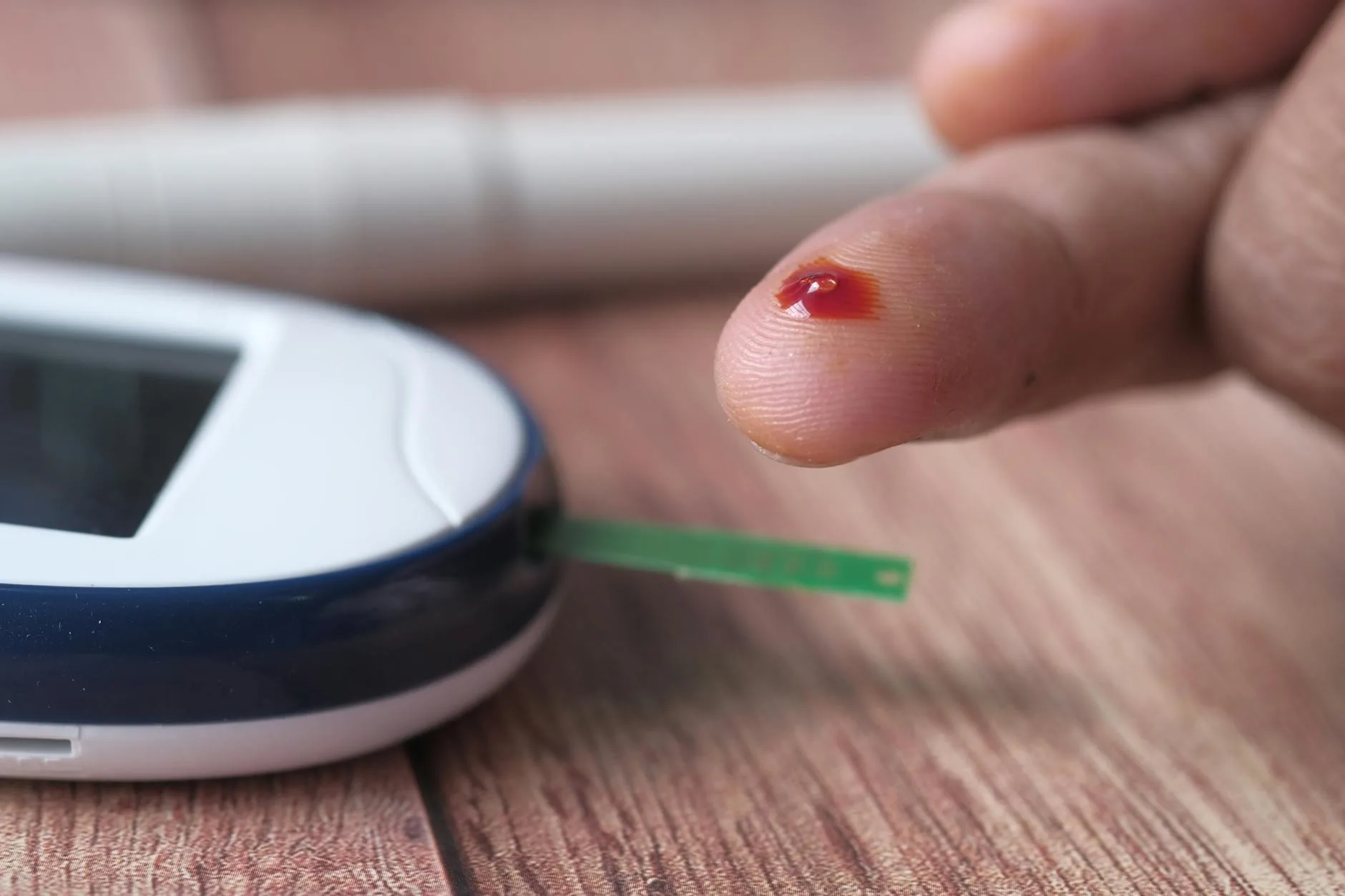
9 Signs Your Prediabetes Is Getting Worse
1. Your fasting blood sugar is creeping above 110 mg/dL
A fasting glucose in the 100-109 mg/dL range is mild prediabetes territory. Once you start seeing 110-125 mg/dL on most mornings, your pancreas is struggling more than it used to. The trend matters more than any single reading.
What to do this week: Test your fasting glucose 4 days in a row (right when you wake up, before water or coffee). If 3 out of 4 readings are above 110, you have a pattern worth tracking. Compare against our prediabetes blood sugar levels chart to see exactly where you stand.
2. You feel tired after every meal
Post-meal fatigue — the kind that makes you want to lie down 30 minutes after eating — is one of the earliest signs of worsening insulin resistance. Your cells are not absorbing glucose efficiently, so it lingers in your bloodstream while your brain runs on empty.
What to do this week: For 5 days, eat protein and fiber before any carbs at each meal (vegetables first, chicken second, rice last). This simple sequence has been shown to lower post-meal glucose spikes by up to 30%.
3. You’re thirstier than usual — even without exercising
When blood sugar rises, your kidneys work overtime to filter it out, pulling water from your tissues. The result: constant low-grade thirst that water alone never quite satisfies. Many people mistake it for dry air or stress.
What to do this week: Track your water intake. If you are drinking more than 3 liters daily without intense exercise and still feel thirsty, log it and mention it at your next appointment.
4. Cuts and bruises are healing slower than before
Elevated glucose damages small blood vessels and slows white blood cell function. A papercut that used to disappear in 3 days now takes a week. A bruise that used to fade in 5 days hangs around for two.
What to do this week: Take a photo of any current minor cut or bruise and check it every 48 hours. If healing is visibly slower than what you remember from a year ago, that is data worth bringing to your doctor.
5. You’re gaining weight around your belly without changing your diet
Visceral fat — the kind that wraps around your organs — is both a cause and a result of insulin resistance. As insulin levels rise to compensate for resistant cells, your body becomes more efficient at storing fat in your midsection, even with stable eating habits.
What to do this week: Measure your waist (at the belly button, relaxed exhale) and write the number down. Re-measure in 30 days. A waist creeping past 35 inches (women) or 40 inches (men) is a significant metabolic warning.

6. You wake up with higher blood sugar than when you went to bed
This is the dawn phenomenon — your liver releasing glucose between 4 a.m. and 8 a.m. to prepare you for the day. In healthy bodies, insulin handles it quietly. In worsening prediabetes, the spike shows up on your morning meter and never quite comes down.
What to do this week: Test once before bed and again on waking, three nights in a row. If the morning reading is consistently 15+ mg/dL higher than the bedtime one, read our guide on bedtime snacks for prediabetes to learn what to eat before sleep to flatten that curve.
7. Your vision blurs occasionally after eating
High blood sugar pulls fluid into the lens of your eye, temporarily changing its shape. The blur usually lasts 20-60 minutes after a carb-heavy meal and resolves on its own. It is not dangerous, but it tells you that your glucose is spiking high enough to affect your tissues.
What to do this week: Note which meals trigger the blur. Almost always, it is a meal with refined carbs and no protein or fat as a buffer. Swap one of those meals this week and see if the blur disappears.
8. You’re getting more frequent infections or UTIs
Bacteria and yeast thrive on excess glucose. Urinary tract infections, skin infections, gum problems, and slow-healing nail issues all become more common as blood sugar rises and the immune response weakens.
What to do this week: If you have had two infections in the last 90 days that you used to never get, mention it to your doctor specifically in the context of your prediabetes. Do not chalk it up to bad luck.
9. Your last A1C was higher than the previous one — even by 0.1%
A1C measures your average blood sugar over the last 3 months. A jump from 5.8% to 5.9% sounds tiny, but in metabolic terms it is your body confirming that the trend is going the wrong way. Direction matters more than any single number.
What to do this week: Find your last two A1C results. If the second is higher than the first — even slightly — assume your current trajectory is progression and act accordingly. Do not wait for the number to cross 6.4% to take it seriously.
When 3 or More Signs Are Present
Seeing one of these signs is normal. Seeing two might be coincidence. But if you are nodding along to three or more of these descriptions, your body is telling you the slide is accelerating. This is the moment to call your doctor and request an updated A1C plus a fasting insulin test — not in 6 months at your annual checkup, but in the next two weeks.
If you want a full step-by-step plan to reverse what you are seeing, start with our complete prediabetes reversal guide — it walks through diet, movement, sleep, and tracking in the exact order that works.
Nutritional Support
When the Signs Are Stacking Up, Extra Support Helps

When you are juggling 3 or 4 of these signs at once, your habits alone may need reinforcement while they take hold. GlucoTrust combines biotin, chromium, and licorice root — three ingredients studied for blood sugar regulation and insulin sensitivity — to give your reversal plan a metabolic edge during the toughest weeks.
What the Research Says About Progression
A long-term analysis published in Diabetes Care (American Diabetes Association) followed adults with prediabetes for up to 10 years and found that those who progressed to type 2 diabetes showed measurable declines in beta-cell function and insulin sensitivity in the 1-3 years before diagnosis (Tabák et al., 2009). In other words, the body sends signals long before the lab numbers cross the diabetic threshold — exactly the kind of subtle signs listed above.
Medical Disclaimer: This article is for educational purposes only and is not medical advice. Symptoms can have multiple causes and only a qualified healthcare provider can diagnose or interpret them. If you suspect your prediabetes is progressing, contact your doctor before making any changes to your treatment or medication.
Frequently Asked Questions
How do I know if my prediabetes is getting worse?
The most reliable indicator is a rising A1C between tests, even by 0.1%. Beyond labs, watch for clustering symptoms: post-meal fatigue, increased thirst, slow-healing cuts, belly weight gain, blurred vision after eating, and morning glucose readings above 110 mg/dL. Three or more of these together is a strong signal to call your doctor.
What A1C level means prediabetes is progressing to diabetes?
Prediabetes is defined as A1C between 5.7% and 6.4%. Once your A1C reaches 6.5% on two separate tests, it crosses into type 2 diabetes. An A1C climbing from the low 5.7-5.9% range up to 6.1-6.3% is a clear progression pattern and warrants immediate lifestyle action and medical follow-up.
Can prediabetes get worse quickly?
It can, but it usually doesn’t. Most progressions happen over 6-24 months in response to weight gain, sustained stress, poor sleep, or major dietary shifts. Rapid progression (under 3 months) is unusual and typically tied to a triggering event like illness, steroid medication, or significant weight gain.
What happens if prediabetes is left untreated?
Without intervention, an estimated 70% of people with prediabetes develop type 2 diabetes within 10 years. Even before that crossover, untreated prediabetes increases risk of heart disease, stroke, kidney damage, nerve problems, and vision changes. The earlier you act, the more reversible those risks become.
Is it possible to stop prediabetes from progressing?
Yes — and the science is strong. The Diabetes Prevention Program showed a 58% reduction in progression to type 2 diabetes through lifestyle changes alone (weight loss of 5-7%, 150 minutes of moderate activity weekly, and a balanced low-glycemic diet). For people over 60, the reduction was 71%. Progression is the most common outcome only when no action is taken.