

Intermittent Fasting for Prediabetes: The Complete 2026 Guide
Intermittent fasting has more clinical evidence for reversing prediabetes than almost any other dietary intervention available, and most people are either not using it, or using the wrong protocol for their physiology. A landmark 2020 study in Cell Metabolism found that a 10-hour eating window improved insulin sensitivity, blood pressure, LDL cholesterol, and abdominal fat in people with metabolic syndrome after just 12 weeks, without any changes to what participants ate or any deliberate calorie restriction. The benefit came entirely from when they ate, not what.
Quick Summary
- Intermittent fasting improved insulin sensitivity by 20–31% in multiple clinical trials involving prediabetes patients.
- Most studied protocol for prediabetes: 16:8 (eating within an 8-hour window) — flexible and sustainable for most adults.
- Not suitable for everyone: people on diabetes medication, pregnant women, or those with eating disorder history should consult a doctor first.
This guide covers the specific protocols with the strongest evidence for prediabetes, what the clinical studies show about A1C reduction and fasting glucose, a practical ramp-up approach that avoids the common beginner mistakes, and how to stack intermittent fasting with other interventions for faster results.
Sarah Mitchell, CDE, has worked with prediabetes patients for over a decade and consistently sees these strategies make a real difference.

Why Prediabetes Is Fundamentally a Problem of Insulin Timing, and Why Fasting Fixes It
Understanding why intermittent fasting works for prediabetes requires understanding what prediabetes actually is at a cellular level. It is not primarily a problem of glucose, it is a problem of insulin signaling. In prediabetes, the body produces enough insulin (often more than normal, in fact), but the target cells, muscle, fat, and liver cells, have become partially resistant to its signal. They require progressively more insulin to respond, which keeps insulin levels chronically elevated. Chronically elevated insulin, in turn, further drives insulin resistance in a self-reinforcing cycle.
The primary driver of this cycle is the absence of sufficient low-insulin periods. When you eat frequently across 14 to 16 waking hours, insulin is elevated nearly continuously. Cells never get the extended low-insulin period they need to restore sensitivity, similar to how a receptor that is constantly stimulated eventually downregulates its response. Intermittent fasting breaks this cycle by extending the daily window during which insulin is low, giving insulin receptors time to reset and regain sensitivity. This is the core mechanism, and it has been replicated across dozens of studies in multiple populations.
The Four Fasting Protocols: What the Research Shows for Prediabetes
Not all fasting protocols produce equal results for blood sugar. The evidence is most specific and compelling for two approaches.
| Protocol | Structure | A1C / Glucose Evidence | Practicality |
|---|---|---|---|
| Early TRE (eTRE) | Eat 8am-2pm or 8am-4pm; 16-18h fast | Strongest evidence: improved insulin sensitivity in 5 weeks without weight loss (Sutton et al., Cell Metabolism 2018) | Difficult socially; requires eating dinner by early afternoon |
| 10-Hour Window | e.g., 9am-7pm or 10am-8pm | Significant metabolic improvements in 12 weeks including insulin sensitivity (Wilkinson et al., Cell Metabolism 2020) | High, compatible with normal social life |
| 16:8 | 16h fast, 8h eating window daily | FBG reduced 4.2 mg/dL in 12 weeks (Gabel et al., Nutrition & Healthy Aging 2018) | Moderate, skip breakfast or dinner |
| 5:2 | 5 normal days, 2 days at 500 calories | A1C improvements comparable to daily caloric restriction; no metabolic advantage over TRE protocols | High on normal days; difficult on restricted days |
The Sutton 2018 study deserves particular attention because it isolated the effect of meal timing from caloric restriction entirely. Participants ate the same number of calories as the control group, they simply ate them all between 8am and 2pm. After 5 weeks, they showed significant improvements in insulin sensitivity, blood pressure, and oxidative stress markers. The control group eating the same calories over a standard 12+ hour window showed no improvements. This is the clearest demonstration in the literature that when you eat matters independently of how much you eat, and it is why early TRE is the gold standard protocol for prediabetes, even if the 10-hour window is more practical for most people.
What Clinical Studies Show About A1C Reduction from Intermittent Fasting
A 2022 systematic review in Nutrients analyzed 27 studies on intermittent fasting and glycemic outcomes in people with prediabetes or type 2 diabetes. The findings were consistent across protocols and populations: average A1C reduction of 0.9% over 12 to 24 weeks, fasting glucose reductions ranging from 5 to 20 mg/dL depending on baseline levels and adherence, and the greatest improvements in people with the highest baseline A1C (above 6.0%).
A 0.9% A1C reduction is clinically significant. To put it in concrete terms: someone starting at A1C 6.3% who achieves a 0.9% reduction reaches 5.4%, well into the normal range and by any clinical definition a reversal of their prediabetes diagnosis. This is not a modest effect. It is comparable to the impact of metformin (approximately 1.2% reduction) without side effects, cost, or a prescription. The key qualifier in all the studies, consistently, is adherence: people who maintained their eating window 6 to 7 days per week saw dramatically better results than those who were inconsistent. For context on realistic reversal timelines, see how long it actually takes to reverse prediabetes.
The Right Way to Start, Without the Mistakes That Cause Most People to Quit
The most common reason people abandon intermittent fasting within the first two weeks is starting too aggressively. Going directly from a 12-hour eating window (normal for most people who eat breakfast and stop eating by 9pm) to a strict 16-hour fast produces hunger, headaches, irritability, and low energy that feel unsustainable. These symptoms are mostly from too-fast adaptation, not from fasting itself.
A four-week progressive approach produces far better long-term adherence. Week one: push your breakfast back by 30 minutes each day until you reach a 13-hour fast. Week two: push breakfast back another 30 to 45 minutes to reach 14 hours. Weeks three and four: continue adjusting in 30-minute increments until you reach your target window. This gradual adaptation allows your hunger hormones, particularly ghrelin, which drives morning hunger, to recalibrate to the new eating schedule. Most people find that after 2 to 3 weeks at a consistent eating window, morning hunger before their first meal largely disappears.
What is allowed during the fasting window: Water (essential, dehydration worsens the adaptation period), black coffee (no effect on insulin or fasting state), plain tea, and electrolyte supplements without calories. Even a small amount of added sugar or cream technically breaks the fast by triggering an insulin response. A small amount of heavy cream (under 50 calories) is a debated gray area that most practitioners allow for people who genuinely cannot tolerate black coffee, but purists avoid it.
Exercise timing: Exercising in a fasted state, particularly low-to-moderate intensity walking or strength training in the morning before breaking your fast, amplifies the insulin-sensitizing effects of fasting. A 2019 study in the Journal of Physiology found that exercising before breakfast improved insulin sensitivity significantly more than the same exercise performed after breakfast, even with identical caloric intake and exercise intensity. For people with prediabetes, this makes morning movement before the first meal a particularly high-value habit. See the full guide on the best ways to lower A1C naturally for more on exercise and blood sugar.
Who Should Not Do Intermittent Fasting (or Needs Medical Guidance First)
For most people with prediabetes who are not on blood sugar medications, intermittent fasting is safe and well-tolerated. The exceptions are important, however. People taking insulin or sulfonylureas (drugs that stimulate insulin secretion) face a real hypoglycemia risk from extended fasting periods, these medications lower blood sugar regardless of food intake, and a 16-hour fast without adjusting the dose can produce dangerously low glucose levels. If you are on any diabetes medication, discuss your fasting protocol with your prescribing physician before starting. Dose adjustments are often straightforward, but need medical supervision.
People with a history of eating disorders should approach any structured eating schedule cautiously and ideally with therapeutic support. Pregnant or breastfeeding women should not practice intermittent fasting without medical guidance. People with a history of gastroparesis, severe GERD, or any condition involving disrupted gastric emptying should consult a gastroenterologist first, since fasting protocols can interact with these conditions unpredictably.
How to Combine Intermittent Fasting with Supplements for Faster Results
Intermittent fasting and blood sugar supplements are not competing strategies, they target different, complementary mechanisms. Fasting improves insulin receptor sensitivity by creating low-insulin periods. Supplements like chromium and gymnema sylvestra further sensitize insulin receptors and reduce glucose absorption independently. Combining them means each reinforces the other rather than duplicating the same pathway.
Timing matters for this combination. Blood sugar supplements should be taken during the eating window, ideally with the first or largest meal, not during the fasting period. This ensures the active compounds are present and being processed when your body is actively managing glucose, not during a rest phase. Taking a nightly supplement like GlucoTrust, which is formulated for before-bed use, aligns naturally with most fasting protocols: bed comes after the eating window closes, so the supplement works during the overnight fast rather than interrupting it.
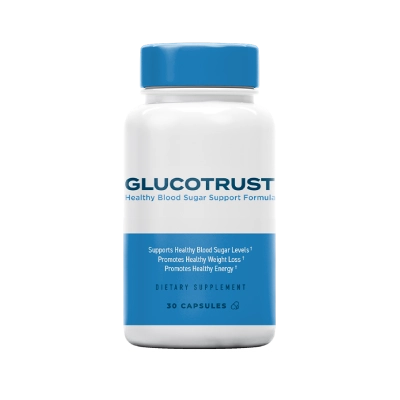
Built for Fasting Protocols
GlucoTrust is taken once before bed, naturally aligned with intermittent fasting. Its 8 ingredients support overnight glucose regulation and insulin sensitivity during the fasting period, compounding the effects of your eating window.
180-day money-back guarantee. No complicated schedule.
Check GlucoTrust Price →📚 Scientific References
- Time-restricted eating improves insulin sensitivity in adults with metabolic syndrome — Sutton et al., Cell Metabolism, 2018
- Intermittent fasting and metabolic health: A systematic review — Patterson & Sears, Annual Review of Nutrition
- ADA Standards of Medical Care in Diabetes 2024 — American Diabetes Association, Diabetes Care

Frequently Asked Questions About Intermittent Fasting and Prediabetes
How much can intermittent fasting lower A1C?
The 2022 Nutrients systematic review of 27 studies found an average A1C reduction of 0.9% over 12 to 24 weeks of intermittent fasting. For someone with prediabetes at A1C 6.3%, this level of reduction can bring them back into the normal range (below 5.7%). The effect is greatest in people who maintain their eating window consistently 6 to 7 days per week and in those with higher baseline A1C levels.
What is the best intermittent fasting schedule for prediabetes?
Early time-restricted eating (eating roughly 8am to 2-4pm) has the strongest clinical evidence, but is socially difficult for most people. A 10-hour eating window, such as 9am to 7pm or 10am to 8pm, is well-supported by the 2020 Wilkinson Cell Metabolism study and is practical enough to sustain long-term. Choose the earliest eating window you can realistically maintain, since earlier eating times align better with the body’s circadian insulin sensitivity rhythm.
Does coffee break a fast?
Black coffee does not break a metabolic fast. It contains no carbohydrates or protein, produces no meaningful insulin response, and has approximately 5 calories per cup. Adding sugar, milk, or sweeteners breaks the fast. A small amount of heavy cream is debated, it is technically caloric but produces minimal insulin response. For strict metabolic fasting, black coffee only. For general health purposes, a tablespoon of heavy cream is considered acceptable by most practitioners.
Is intermittent fasting safe if I have prediabetes and take metformin?
Metformin does not stimulate insulin secretion directly and does not typically cause hypoglycemia on its own. Combining metformin with intermittent fasting is generally considered safe and may even enhance metformin’s effectiveness. However, some people experience nausea from metformin when taken on an empty stomach, if this is a concern, taking metformin with your first meal of the eating window resolves it. Always discuss protocol changes with your prescribing physician.
How quickly will I see results from intermittent fasting?
Fasting blood glucose and postprandial glucose levels often improve within 2 to 4 weeks as insulin sensitivity begins to recover. A1C changes take longer because A1C reflects average blood sugar over approximately 3 months, most people see their first measurable A1C improvement at the 8 to 12 week mark. Energy levels and reduced sugar cravings are often the earliest noticeable changes, typically within the first 1 to 2 weeks of consistent practice.
Intermittent fasting is one of the most powerful, evidence-backed, zero-cost interventions available for prediabetes. The clinical evidence for A1C reduction is comparable to pharmaceutical intervention. The key is choosing the right protocol, building adherence gradually, and stacking it with complementary strategies, dietary changes, regular movement, and targeted supplements. Used consistently, this combination gives the body everything it needs to restore normal glucose regulation. For the complete reversal strategy, see the comprehensive guide to reversing prediabetes naturally.