Best Fruits for Prediabetes: What to Eat, What to Limit, and How to Avoid the Spike
Yes, you can eat fruit with prediabetes.
Quick Answer
Yes, you can eat fruit with prediabetes – whole fruit’s fiber slows sugar absorption. The best choices are berries, cherries, apples, pears, citrus, and kiwi (all low-glycemic). Limit high-sugar fruits like ripe banana, mango, pineapple, and watermelon to small portions. Always avoid fruit juice and dried fruit, which spike glucose like candy. Pair fruit with protein or fat and eat 1-2 servings daily.
Fruit Is Not the Enemy (Whole Fruit, Anyway)
Many people newly diagnosed with prediabetes panic and cut all fruit. That’s a mistake.
Whole fruit comes packaged with fiber, water, and antioxidants that slow sugar absorption and produce a gentle glucose response. Studies consistently show that whole fruit intake is associated with LOWER diabetes risk – not higher.
The real problem is processed fruit: juice and dried fruit, which strip away the fiber and concentrate the sugar. A glass of orange juice spikes blood sugar like soda; a whole orange does not.
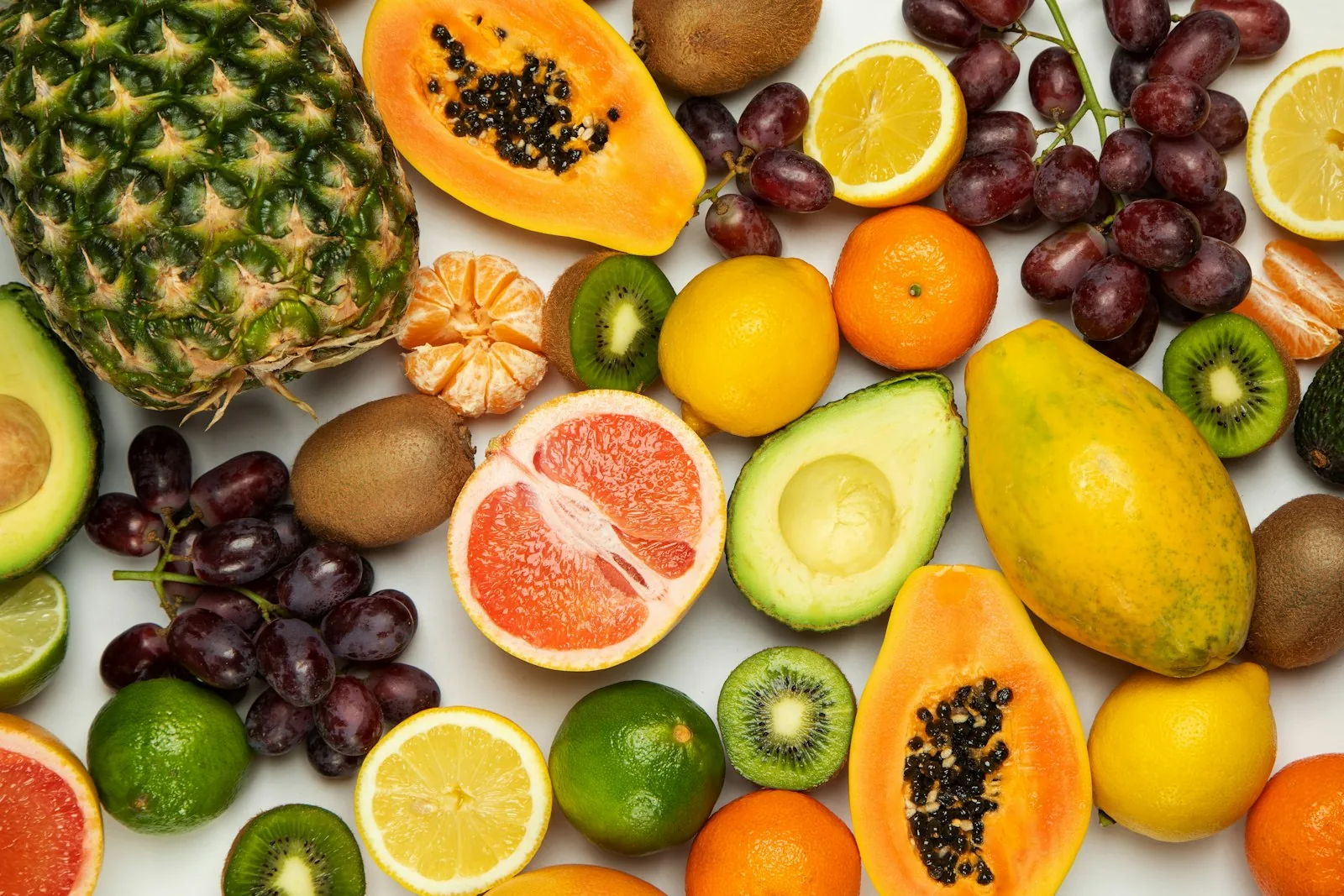
The Best Fruits for Prediabetes (Low-Glycemic)
| Fruit | Why It’s Great |
|---|---|
| Berries | Lowest sugar, highest fiber + antioxidants. The #1 pick. |
| Cherries | Low GI (~20), anti-inflammatory. |
| Apples & pears | High soluble fiber (pectin) slows glucose. |
| Citrus | Vitamin C, fiber, low glycemic load. |
| Kiwi | Low GI, high fiber and vitamin C. |
| Avocado | Technically a fruit – near-zero sugar, healthy fat. |
Fruits to Limit (Higher Sugar)
You don’t have to eliminate these – just keep portions small and pair them with protein or fat:
- Ripe bananas – GI rises as they ripen; a green-tipped banana is gentler
- Mango & pineapple – delicious but high sugar; a few chunks, not a bowl
- Watermelon – high GI but low glycemic LOAD per serving (mostly water)
- Grapes – easy to overeat; a small handful, not a bunch
The Two Fruit Forms to Always Avoid
1. Fruit juice
Even 100% juice. The fiber is gone, so the sugar hits your bloodstream fast. Orange juice raises blood sugar comparably to Coca-Cola in CGM studies. See foods to avoid with prediabetes.
2. Dried fruit
Raisins, dates, dried mango. Drying removes water and concentrates the sugar – a small handful of raisins has as much sugar as several cups of grapes. Treat dried fruit like candy.
How to Eat Fruit Without Spiking
- Pair with protein or fat. Apple with almond butter, berries with Greek yogurt, pear with cheese.
- Eat it as dessert after a protein-rich meal rather than alone on an empty stomach.
- Stick to 1-2 servings/day of low-glycemic fruit, spread out.
- Choose whole over blended. Even homemade smoothies break down fiber and raise the glucose response.
- Walk after. A short post-snack walk blunts any spike. See walking after meals.
The Best Fruit Snack Combos for Prediabetes
- 1 cup berries + 3/4 cup plain Greek yogurt (+ cinnamon)
- 1 medium apple + 1 tbsp almond butter
- 1/2 grapefruit + a small handful of walnuts
- Kiwi + a slice of cheese
- Avocado + lime + sea salt (savory, near-zero sugar)
For more snack ideas, see bedtime snacks for prediabetes and the full prediabetes diet guide.
Key Takeaways
- Whole fruit is good for prediabetes – fiber slows sugar absorption.
- Best: berries, cherries, apples, pears, citrus, kiwi, avocado (all low-glycemic).
- Limit: ripe banana, mango, pineapple, watermelon, grapes (small portions).
- ALWAYS avoid fruit juice and dried fruit – concentrated sugar, no fiber.
- Pair fruit with protein or fat and eat as dessert after a meal.
- 1-2 servings of low-glycemic fruit per day is the sweet spot.
Glycemic Load of Common Fruits (The Full Picture)
Here’s how common fruits rank by glycemic load per typical serving – the number that actually predicts your blood sugar response:
| Fruit (1 serving) | Glycemic Load |
|---|---|
| Strawberries (1 cup) | ~3 (very low) |
| Cherries (1/2 cup) | ~3 (very low) |
| Apple (1 medium) | ~6 (low) |
| Orange (1 medium) | ~5 (low) |
| Banana (1 medium) | ~11 (moderate) |
| Mango (1 cup) | ~13 (moderate) |
| Dried dates (1/4 cup) | ~25+ (very high) |
Notice how dried fruit jumps to a completely different tier – that’s the concentration effect of removing water.
The Berry Advantage (Why They’re #1)
Berries deserve special attention. Beyond their low sugar and high fiber, they contain anthocyanins – the pigments that make them red, blue, and purple – which research links to improved insulin sensitivity.
A large Harvard study found that people who ate the most blueberries, grapes, and apples had significantly lower type 2 diabetes risk. Berries led the pack.
Practical tip: frozen berries are just as good as fresh (often picked riper and frozen immediately), cheaper, and last for months. Keep a bag in the freezer for yogurt, oatmeal, or a quick snack.
Seasonal Fruit Strategy
- Summer: berries are at their peak and cheapest. Stock up. Watermelon is fine in small portions on hot days.
- Fall: apples and pears are in season – perfect with a slice of cheese or nut butter.
- Winter: citrus season. Oranges, grapefruit, and clementines are excellent low-glycemic choices.
- Year-round: frozen berries, apples, and avocado are always available and reliable.
What About Smoothies?
Smoothies are a trap for prediabetics. Blending breaks down the fiber structure that protects you, turning whole fruit into something closer to juice. Even a “healthy” smoothie can spike blood sugar.
If you love smoothies, make them blood-sugar-friendly: base on unsweetened almond milk, add a scoop of protein powder, use only 1/2 cup berries (not banana + mango + juice), and add chia or ground flax for fiber. Drink it WITH a meal, not as a standalone.
Use a CGM to Find Your Fruit Tolerance
Glucose responses to fruit vary by person. Some prediabetics handle an apple beautifully but spike on grapes; others are fine with a small banana. A continuous glucose monitor for 2 weeks reveals exactly which fruits and portions work for YOUR body. See CGM for prediabetes – it turns fruit guesswork into personal data.
The Fiber Factor: Why Whole Fruit Protects You
The single most important reason whole fruit is safe for prediabetes – while juice and dried fruit are not – comes down to fiber and food structure.
When you eat a whole apple, the sugar is locked inside the fruit’s cell walls. Your digestive system has to break those walls down to release it, which takes time. The soluble fiber (pectin) forms a gel in your gut that further slows the rate at which sugar enters your bloodstream. The result is a slow, gentle rise in blood sugar that your body can handle even with impaired insulin sensitivity.
Now juice that same apple. The blending or pressing shatters every cell wall, the fiber is either removed or pulverized, and the sugar is instantly available. It floods your bloodstream the way soda does. This is why a whole orange and a glass of orange juice – made from the same fruit – produce dramatically different glucose responses.
This fiber principle is also why eating fruit alongside protein or fat helps further. The protein and fat slow gastric emptying, giving your body even more time to process the natural sugar gradually. An apple with almond butter is far gentler than an apple alone.
Fruit and the Fear of Fructose
You may have read that fructose – the sugar in fruit – is uniquely harmful and converts directly to liver fat. There’s a kernel of truth, but it’s been wildly overblown when applied to whole fruit.
The fructose research showing harm used large doses of isolated fructose or high-fructose corn syrup – the equivalent of drinking liters of soda. You would have to eat an enormous, unrealistic amount of whole fruit to approach those doses, and the fiber would stop you long before you got there.
For context, you’d need to eat roughly 10-15 apples to match the fructose in a few large sodas – and nobody eats 15 apples. The fiber, water, and bulk make whole fruit self-limiting. Population studies consistently confirm this: whole fruit intake is associated with lower diabetes risk, not higher. The fructose fear applies to added sugars and juice, not to the berries and apples in your fruit bowl.
So enjoy your one to two daily servings of low-glycemic whole fruit without anxiety. It’s one of the easier, more pleasant parts of a prediabetes-friendly diet. For more on building meals around stable blood sugar, see the 7-day prediabetes meal plan.
The Bottom Line on Fruit and Prediabetes
Of all the dietary fears that come with a prediabetes diagnosis, the fear of fruit is among the most unnecessary. Whole fruit – especially berries, cherries, apples, pears, citrus, and kiwi – is not just permitted but genuinely beneficial, delivering fiber, antioxidants, and micronutrients in a package your body handles gracefully. The discipline required is simple: favor low-glycemic whole fruit, keep higher-sugar tropical fruit to small portions, pair fruit with protein or fat, eat it as dessert rather than alone, and treat juice and dried fruit as the concentrated sugar they truly are. Do that, and fruit becomes one of the most enjoyable, sustainable, and health-promoting parts of your prediabetes reversal plan rather than a source of anxiety. When in doubt, reach for a handful of berries – it is almost impossible to go wrong.
Frequently Asked Questions
Can I eat fruit with prediabetes?
Yes. Whole fruit is fine and even beneficial – the fiber slows sugar absorption. The best choices are low-glycemic fruits like berries, cherries, apples, and pears. Avoid fruit juice and dried fruit, which concentrate sugar without the protective fiber.
What are the best fruits for prediabetes?
Berries (strawberries, blueberries, raspberries) are the top choice – low sugar, high fiber, packed with antioxidants. Also excellent: cherries, apples, pears, citrus, kiwi, and avocado. These have a low glycemic impact when eaten whole.
Which fruits should I avoid with prediabetes?
Limit high-sugar fruits: ripe bananas, mango, pineapple, watermelon, and grapes. You don’t have to eliminate them – just keep portions small and pair with protein or fat. Always avoid fruit juice and dried fruit.
Is fruit sugar bad for prediabetes?
Whole fruit sugar is buffered by fiber, water, and nutrients, producing a gentle glucose response. The problem is concentrated fruit sugar – juice and dried fruit – which removes the fiber and spikes blood sugar hard.
How much fruit can I eat with prediabetes?
About 1-2 servings of low-glycemic fruit per day, spread out and paired with protein or fat. One serving is roughly a cup of berries or one medium apple. Eating fruit as dessert after a protein-rich meal blunts its impact.